
Hans Thoma am Waldbach — History & Facts
Did the painter know this moment would outlive them? As echoes of longing weave through the brush strokes, we are invited to commune with nature’s embrace and the elusive passage of time captured within the frame. Look to the left at the tranquil figure of Hans Thoma, sitting pensively by the forest stream. His presence is enveloped by dappled sunlight filtering through the lush foliage, highlighting the gentle ripples of the water. The painter employs a rich palette of greens and browns, evoking the serenity of the woodland while contrasting it with the warmth of Thoma’s contemplative expression.
The intricate detailing of Thoma’s clothing adds depth, inviting a closer inspection of the textures that speak to both artistry and the era’s aesthetic values. As you delve deeper, notice the interplay between light and shadow—a metaphor for the dualities of inspiration and solitude. The flow of the stream mirrors the passage of thoughts, suggesting a deeper connection between the artist's mind and the natural world. This scene captures a moment of introspection, revealing the artist's longing for a timeless dialogue with nature, and perhaps, his own artistic aspirations amidst life’s uncertainties. Created in 1860, this artwork emerged during a period when Bracht was deeply engaged with the Romantic movement in Germany, exploring themes of nature and emotional depth.
He painted this piece while living in the picturesque landscapes of the Black Forest, where the beauty and tranquility of his surroundings profoundly influenced his work. The burgeoning interest in Nature as a subject matter during this time further shaped his artistic vision, reflecting a collective yearning for harmony in a rapidly industrializing world.
More Artworks by Eugen Bracht
Browse all →
Blick auf den Monte Rosa, Westseite
Eugen Bracht
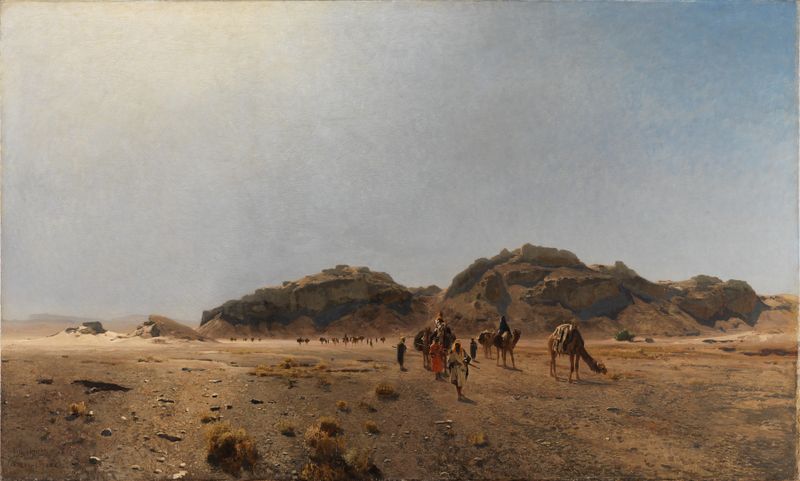
In der Wüste Araba
Eugen Bracht

‘Der alte Hof (n. d. N. Windisch-Eschenbach)’
Eugen Bracht
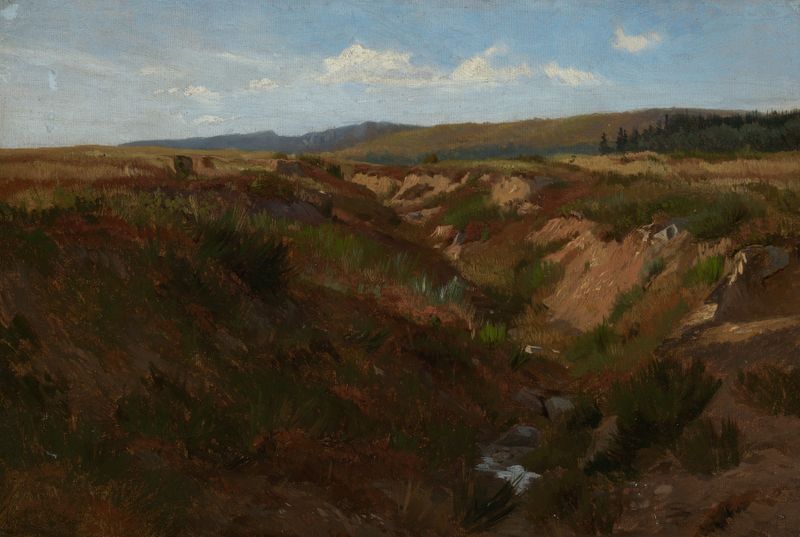
Heide im Soonwald
Eugen Bracht

Bemooste Felsen im Waldtal
Eugen Bracht
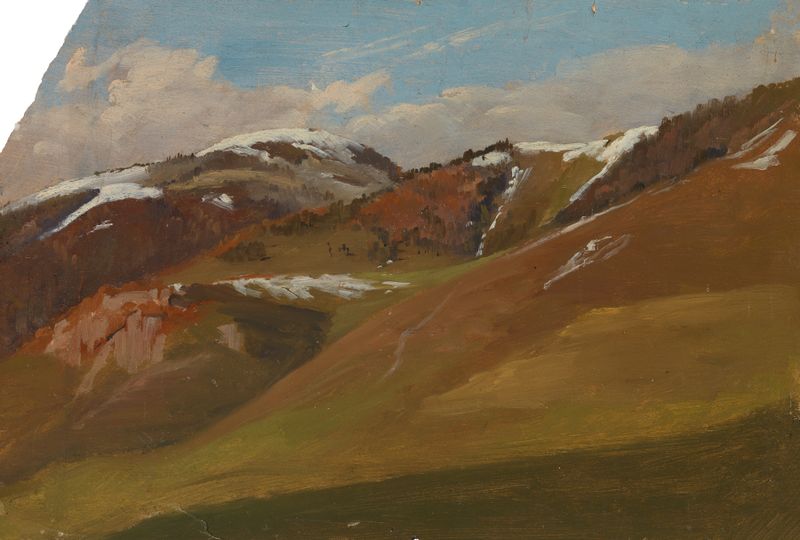
Blick auf Herzogenhorn und Kaiserberg
Eugen Bracht

Das Herzogenhorn im Neuschnee
Eugen Bracht

Abendlandschaft
Eugen Bracht

Nach dem Regenschauer
Eugen Bracht
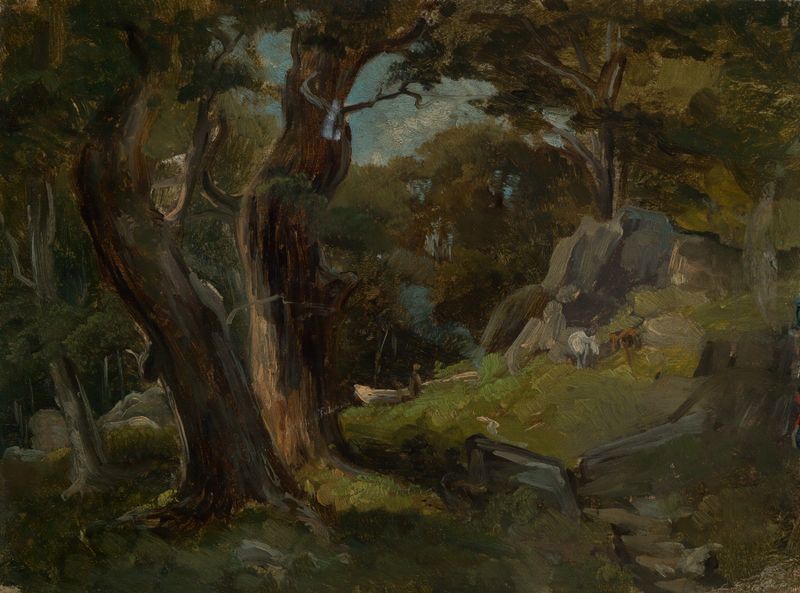
Waldlichtung mit Pferden
Eugen Bracht





