
Happy song — History & Facts
What first catches the eye in Happy song is the sense of music suspended in the air, as if the notes themselves have been woven into the paint. The woman’s face, turned slightly away from the viewer, is caught mid-expression—her parted lips and bright gaze suggest she’s just begun to sing, or is listening for the next chord. Her hands rest on the guitar, fingers poised as if about to strum, while the loose, energetic brushwork gives her blouse and the flowers below a restless vitality.
Light pools on her cheek and the pink of her sleeve, drawing us into her world and then scattering across the canvas, where color and form seem to dissolve into pure sensation. This work belongs to the late nineteenth century, a period when artists like Antonio Mancini pushed portraiture toward new realms of immediacy and texture. In an era fascinated by music, domestic scenes, and fleeting moments, such paintings were often made for private collectors eager to capture the spirit of modern life. The rough impasto and shimmering palette here speak to a broader movement in European art, where the boundaries between subject and background blur, and mood takes precedence over strict realism.
Now part of the Museo Nacional de Bellas Artes’s collection, this painting invites viewers to linger, listening for the echo of its happy song in every brushstroke.
More Artworks by Antonio Mancini

Portrait of a lady
Antonio Mancini
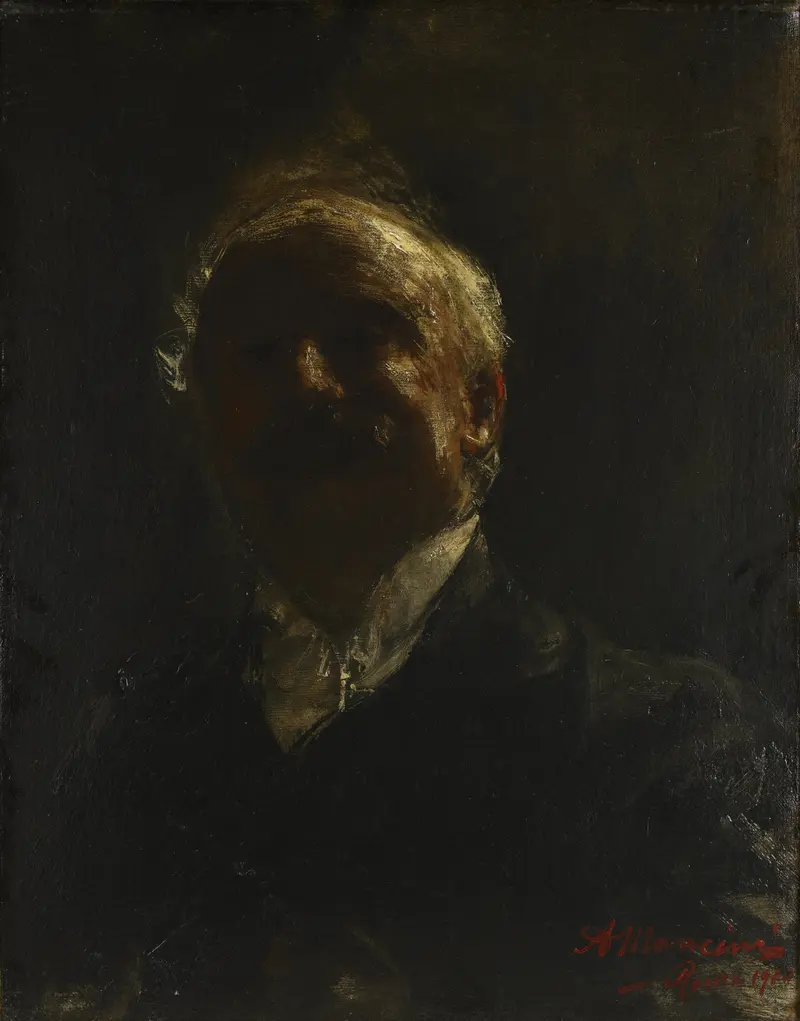
Self-Portrait
Antonio Mancini
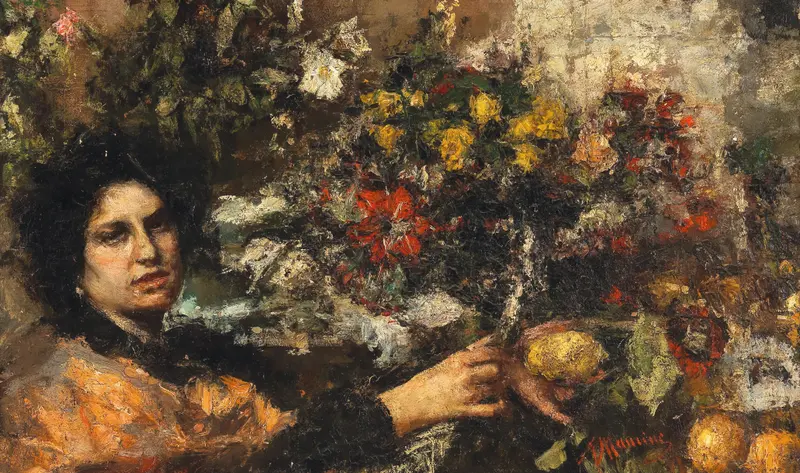
The Flower Seller
Antonio Mancini
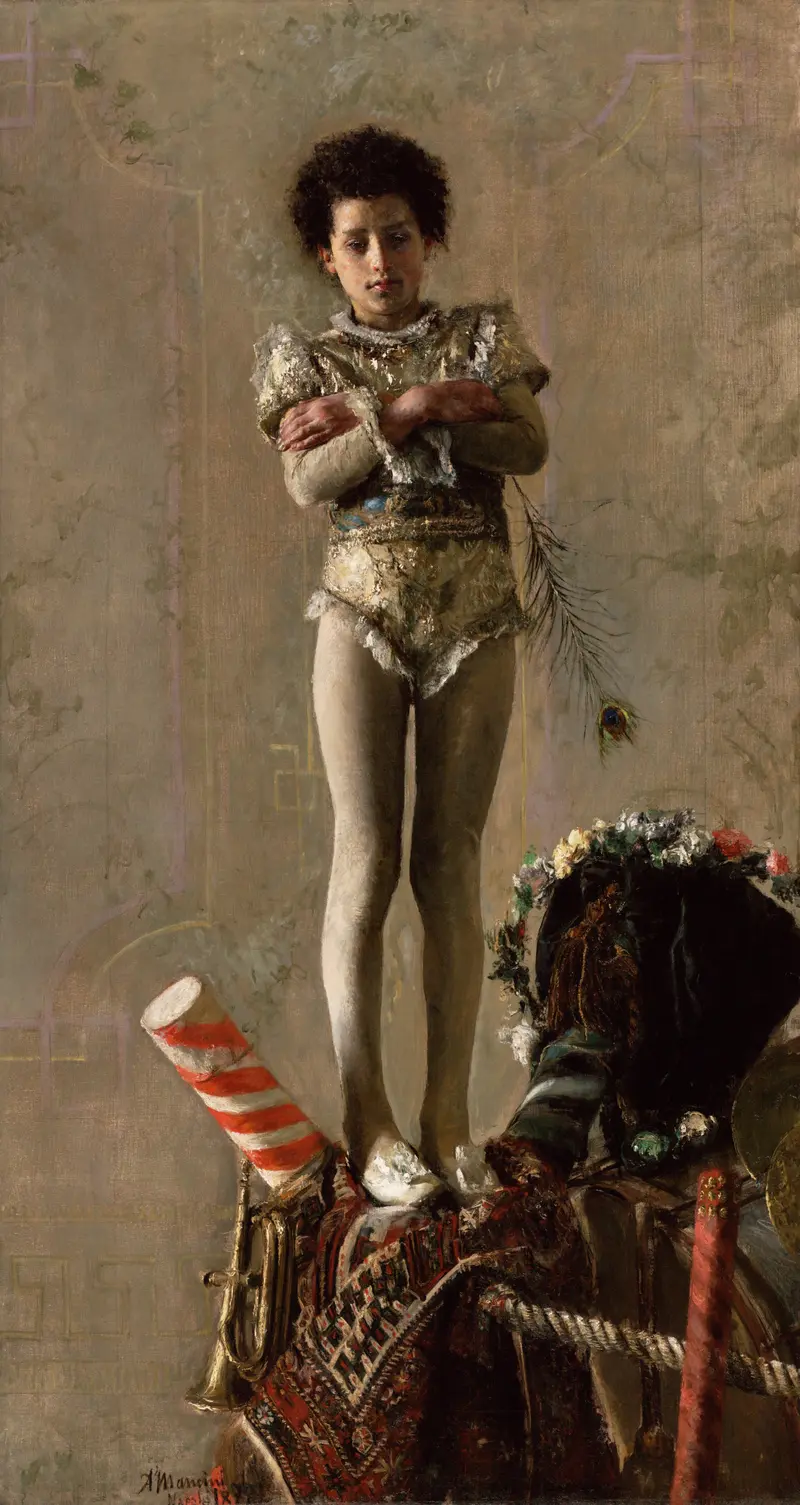
The Saltimbanco
Antonio Mancini
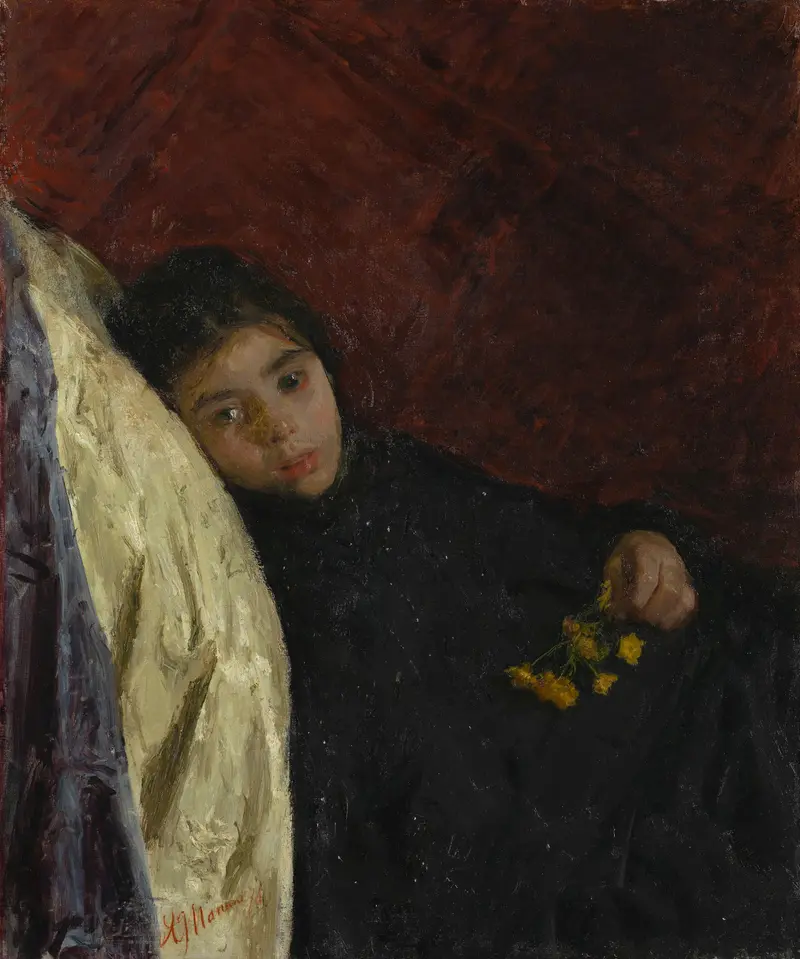
The sick child
Antonio Mancini
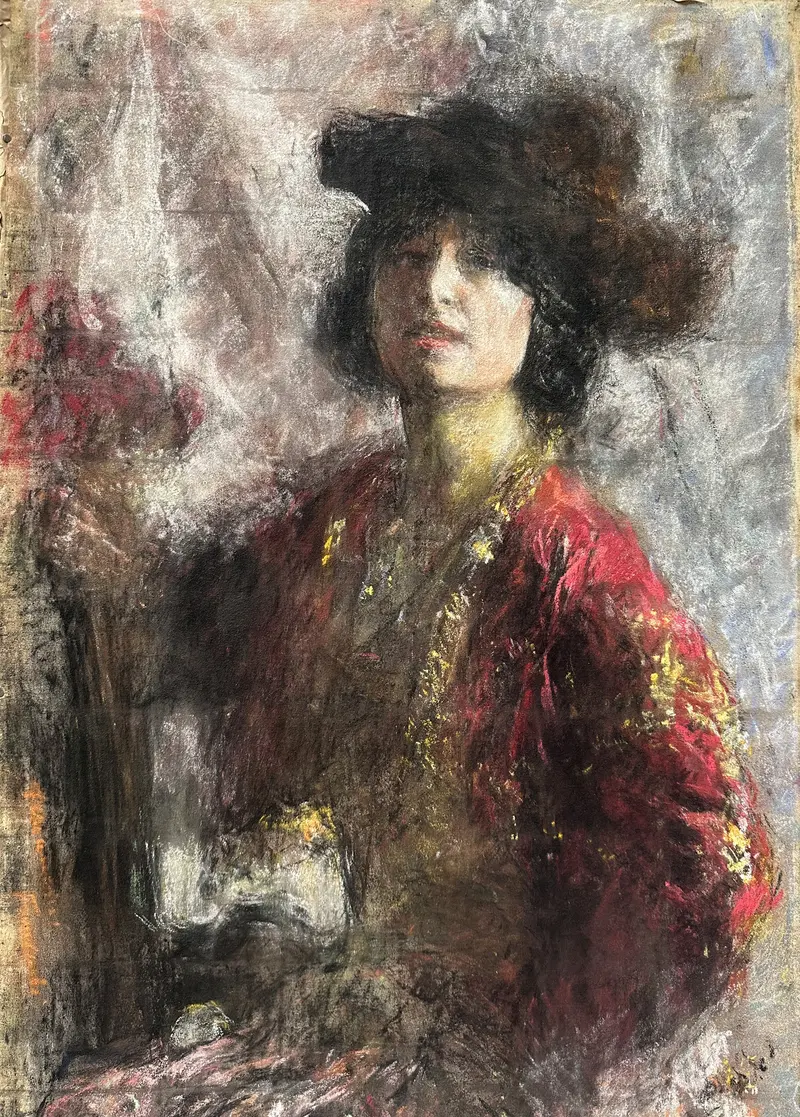
Bolero. Bullfighter
Antonio Mancini
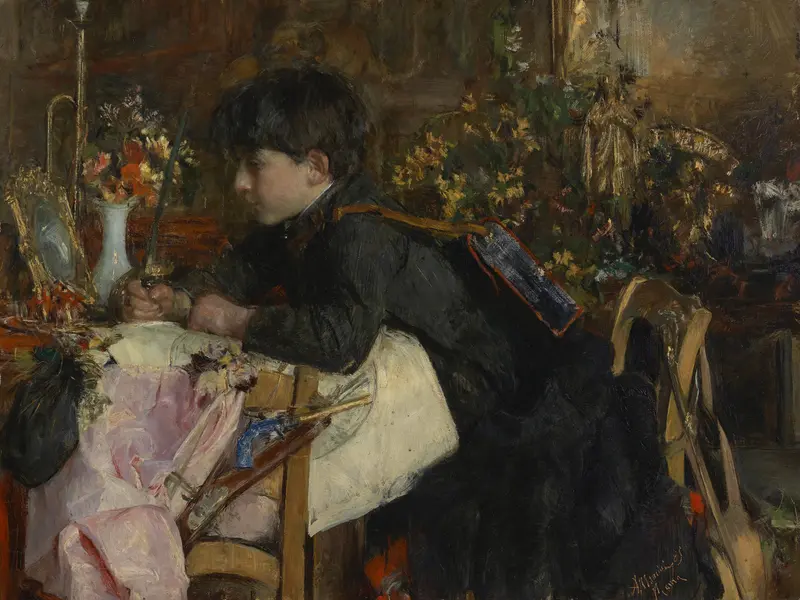
The birthday
Antonio Mancini
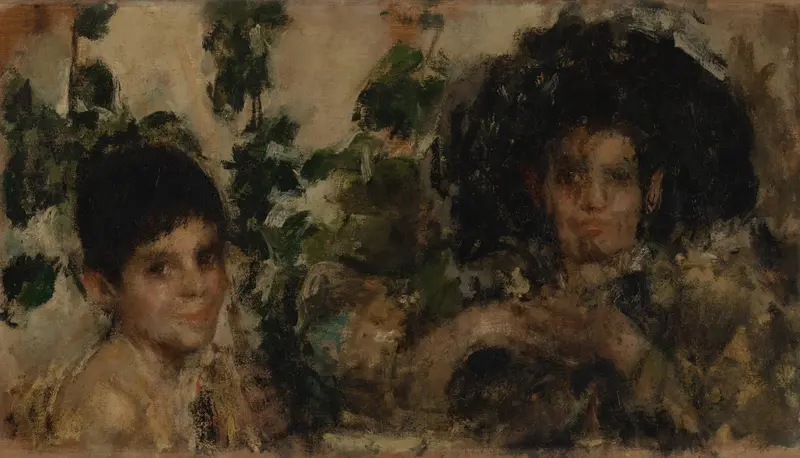
The brothers
Antonio Mancini
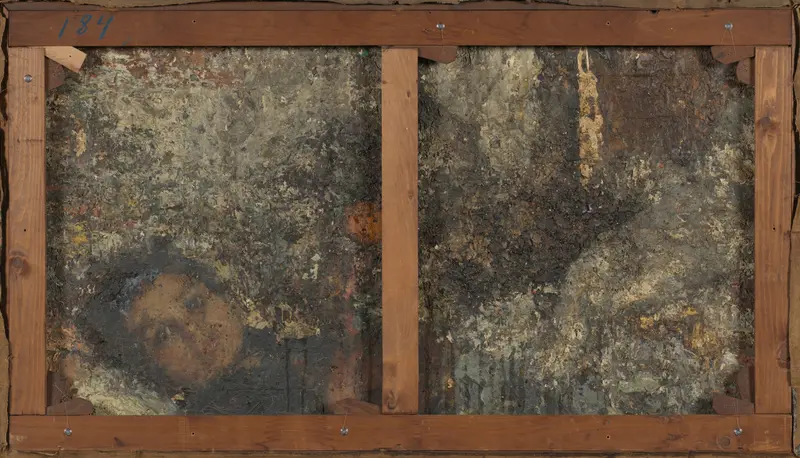
Liggend kind hwm0184v The Mesdag Collection
Antonio Mancini
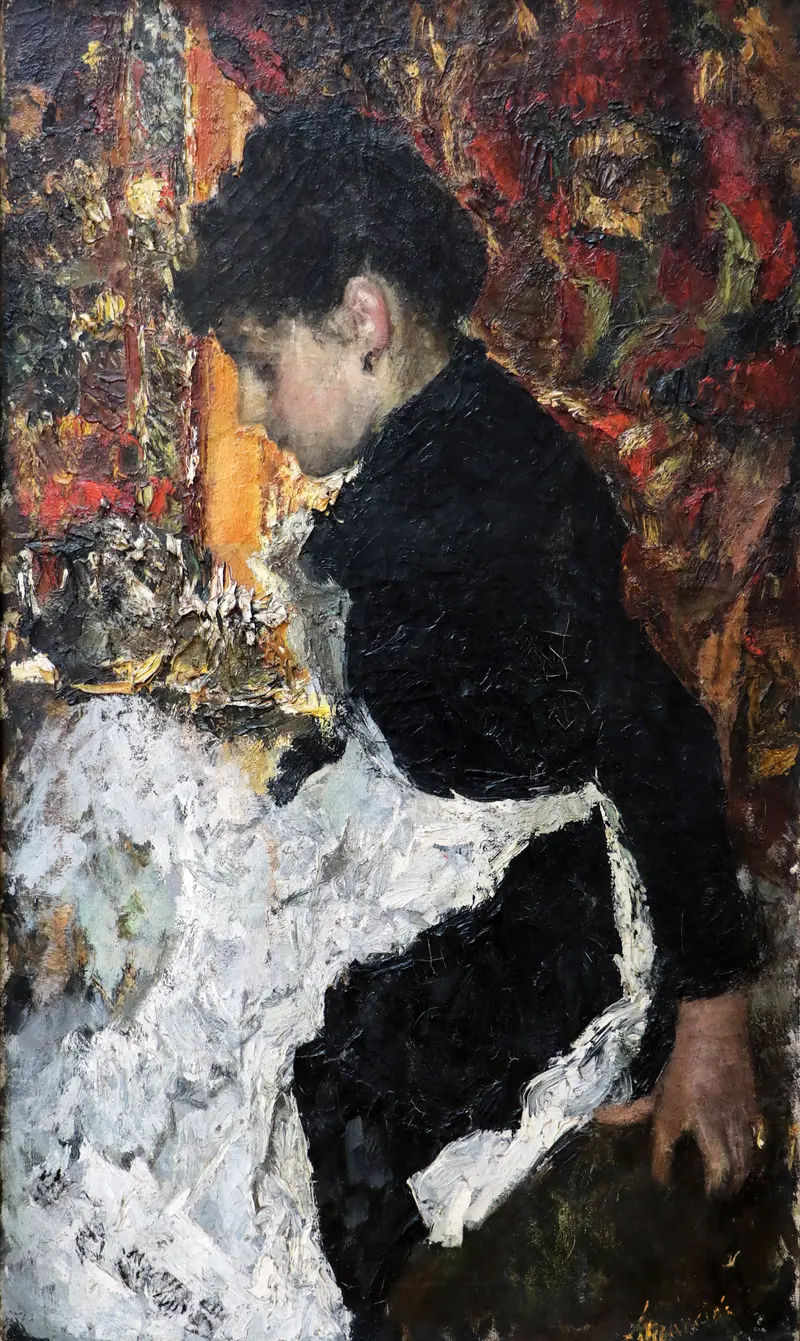
Servetta
Antonio Mancini





