
Harvest Moon — History & Facts
What secret hides in the quiet of the canvas? The landscape before us is an invitation to ponder, to feel the weight of unspoken emotions nestled within the twilight hues. Focus on the gentle curve of the horizon, where soft oranges and deep blues blend seamlessly into one another. The expansive sky is painted with such deliberation that it feels alive, breathing with the last light of day. Look closely at the field below; the golden wheat sways slightly, each stalk whispering tales of the harvest season, yet there's an undercurrent of melancholy.
Notice how the moon, luminous and watchful, casts an ethereal glow over the scene, transforming the ordinary into something extraordinary and haunting. In the contrast between light and shadow lies a profound emotional tension. The vibrant warmth of the landscape speaks to abundance and life, while the encroaching dusk hints at the inevitable passage of time and the grief that shadows such beauty. Each brushstroke seems to cradle the weight of remembrance, perhaps for lost moments or people long gone.
The harmony of color juxtaposed with the solitude of the setting evokes a sense of longing, urging the viewer to reflect on personal losses amid the serene beauty of nature. Created in 1891, this work emerged during a transformative period for its creator. Inness, grappling with his own feelings of loss and change, sought to encapsulate the interplay of emotion and nature in his art. This canvas reflects his deep connection to the spiritual world and his innovative approach to landscape painting, which sought to evoke feelings rather than just depict the visible.
As the art world evolved, his work stood as a bridge between romanticism and the emerging modern art movements, capturing both personal and universal experiences.
More Artworks by George Inness
Browse all →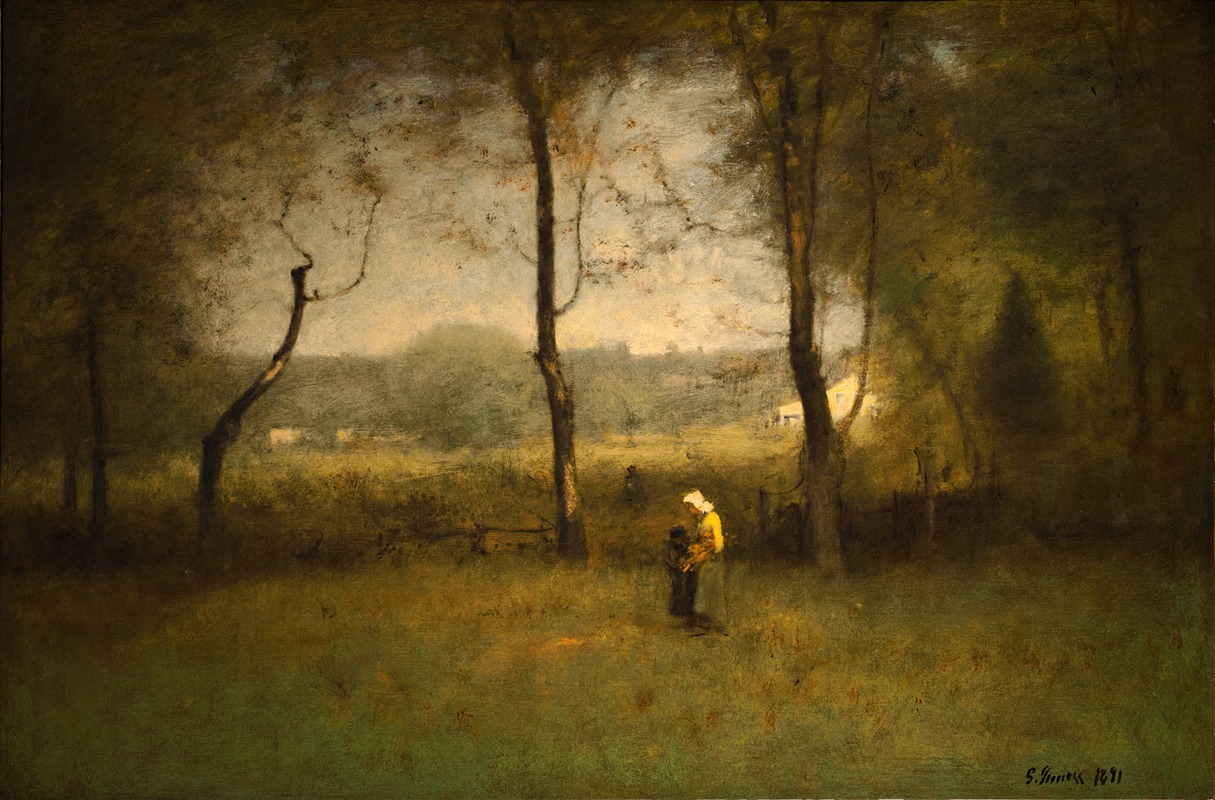
Autumn Woods
George Inness
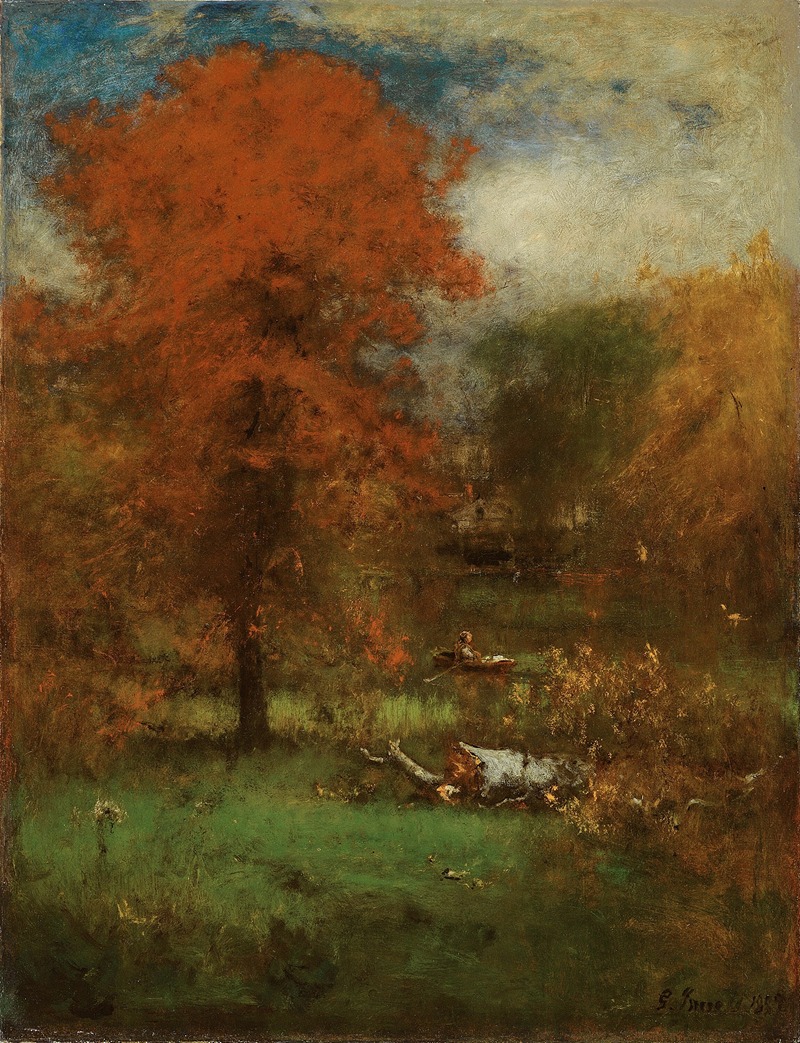
The Mill Pond
George Inness
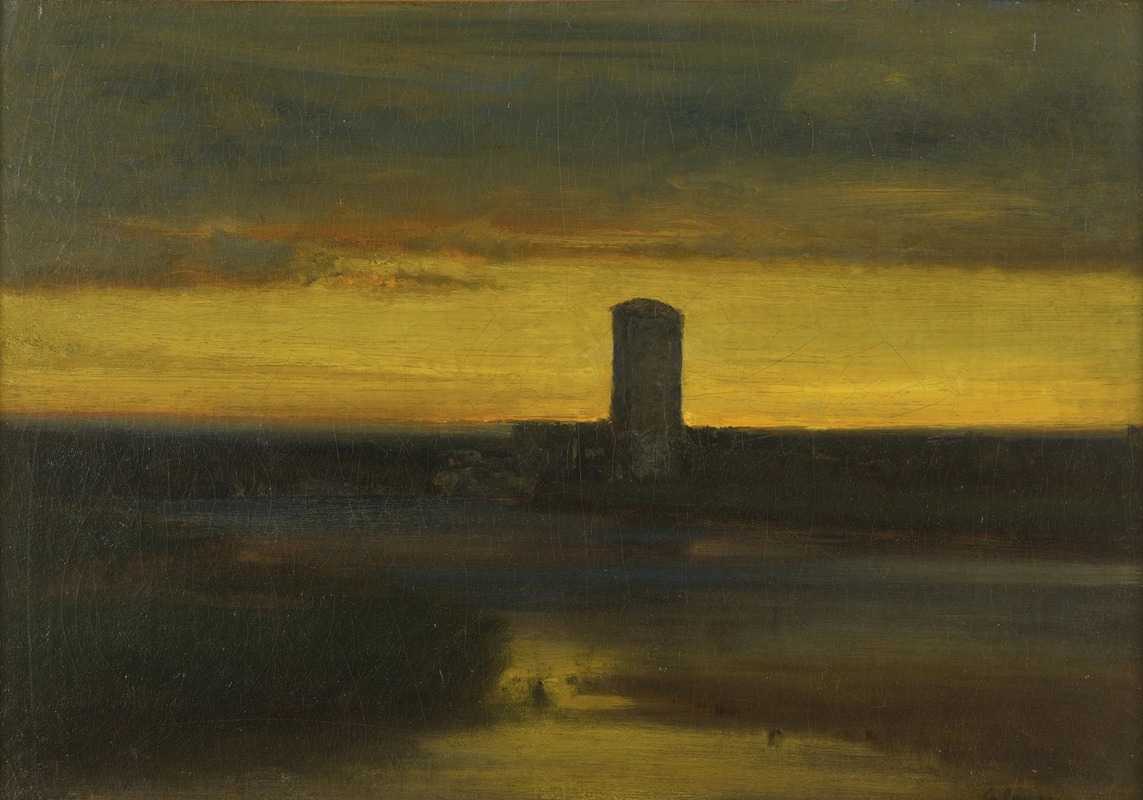
Afterglow
George Inness
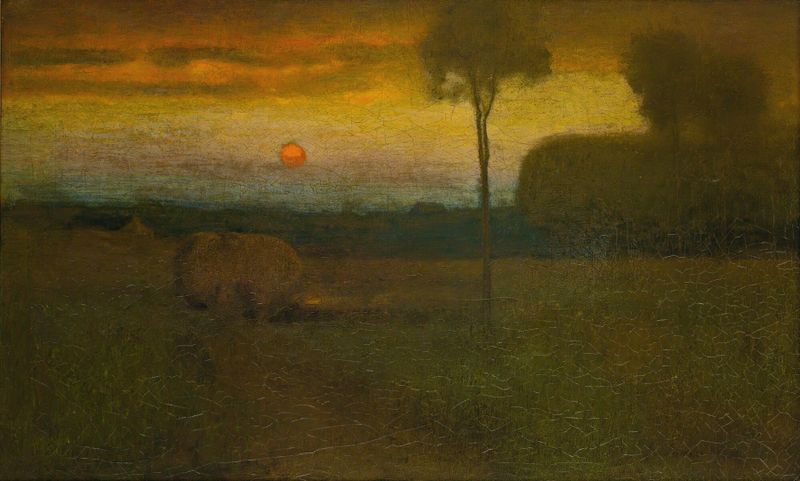
Landscape (Evening Landscape)
George Inness

Montclair
George Inness

View in Berkshire County, Massachusetts, Clearing Off after a September Storm
George Inness

October
George Inness
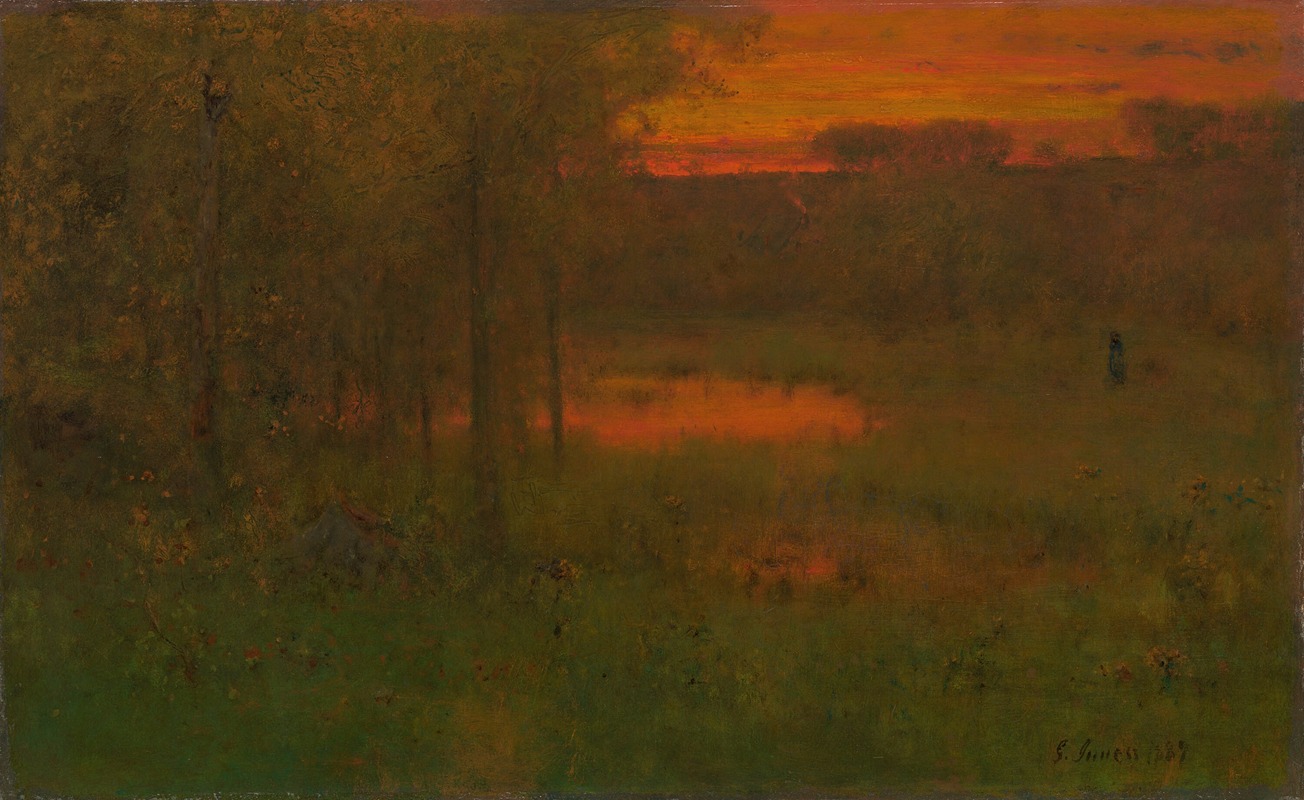
Landscape, Sunset
George Inness
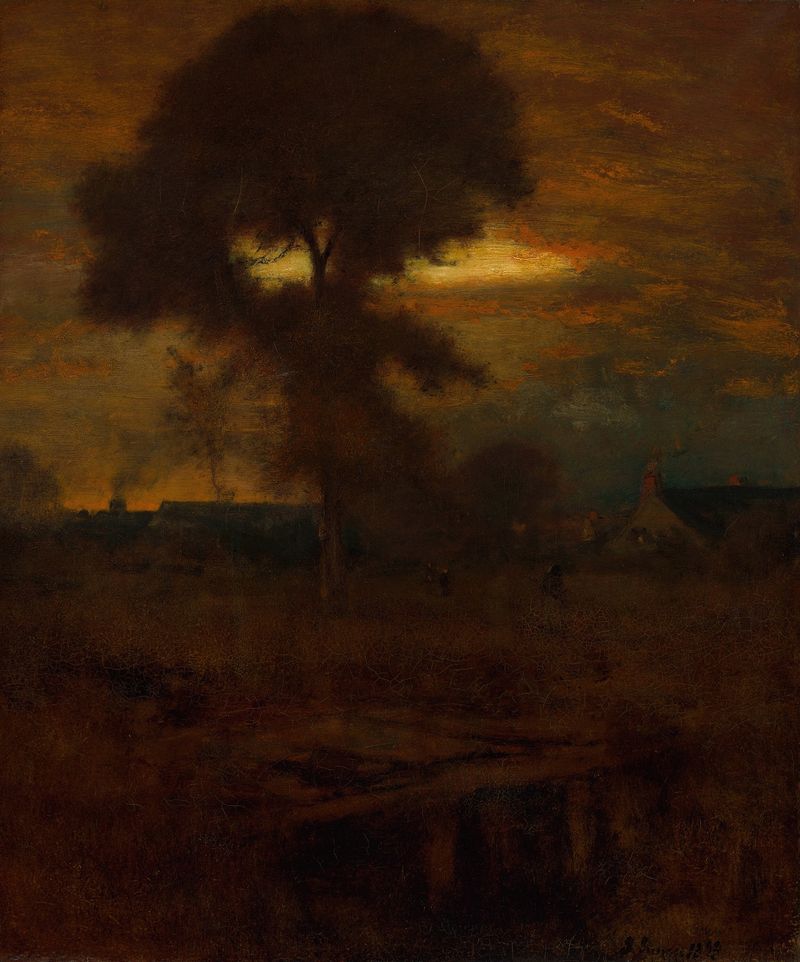
Afterglow
George Inness
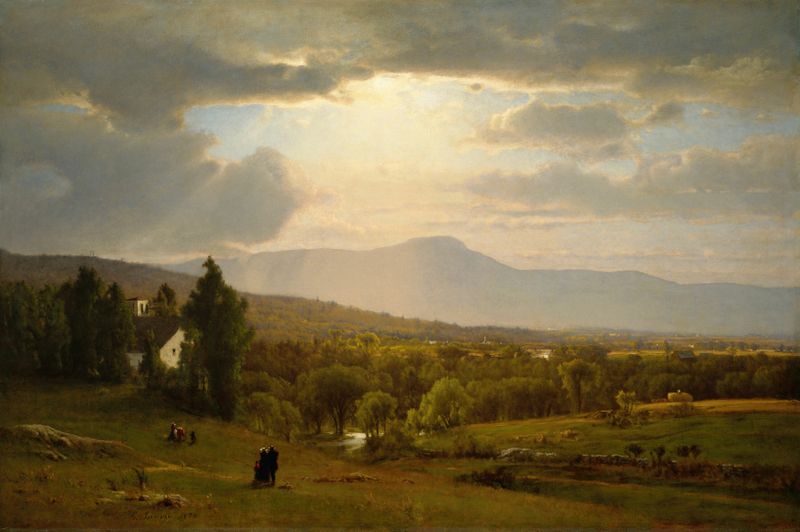
Catskill Mountains
George Inness





