
Harvest Time — History & Facts
In Harvest Time, the essence of legacy unfolds gracefully through the golden hues and soft, flowing lines that crisscross the canvas, inviting viewers to reflect on the cycles of life and nature’s bounty. Look to the center, where fields stretch endlessly beneath a warm sun, cast in gentle shades of amber and gold. The horizon embraces a palette of earthy tones, merging seamlessly with the sky, creating a sense of unity between land and heavens. Notice how the light dances across the wheat, each stalk alive with movement, as if whispering stories of labor and reward.
The meticulous brushwork reveals an intimacy with the landscape, fostering a connection that transports the observer into this tranquil moment. Delve deeper, and you’ll find contrasts that reveal more than mere pastoral beauty. The figures laboring in the field, though diminutive against the vast expanse, embody the collective strength and perseverance of humanity. Their work speaks to the harmony between man and nature, suggesting that legacy is forged not just through monumental achievements, but through the quiet diligence of everyday lives.
The painting captures not only the act of harvesting but also the enduring cycles that bind us to each other and to the earth. In 1864, George Inness painted this masterpiece during a time of deep personal reflection and transformation. Living in the United States, he was influenced by the evolving landscape of American art and the transcendentalist movement. This period marked a shift in his artistic vision, as he sought to illuminate the spiritual dimensions of nature, grounding his work in both emotional depth and a commitment to capturing the timeless essence of rural life.
More Artworks by George Inness
Browse all →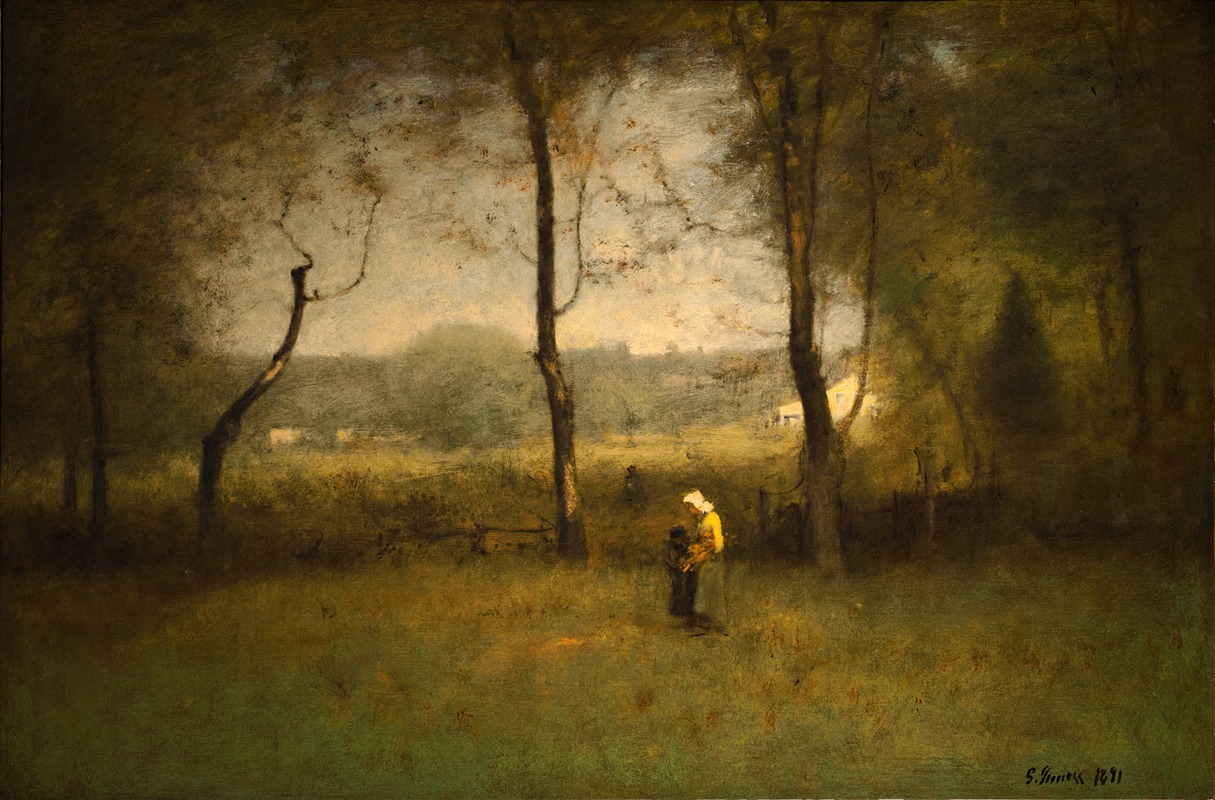
Autumn Woods
George Inness
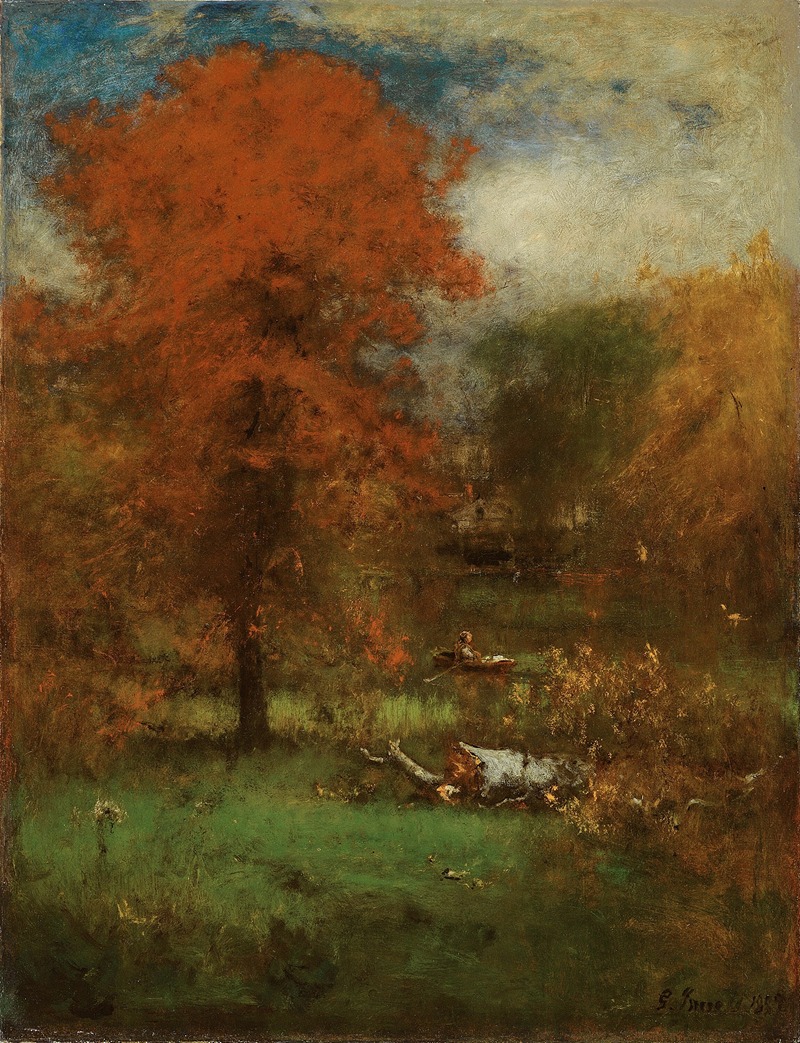
The Mill Pond
George Inness
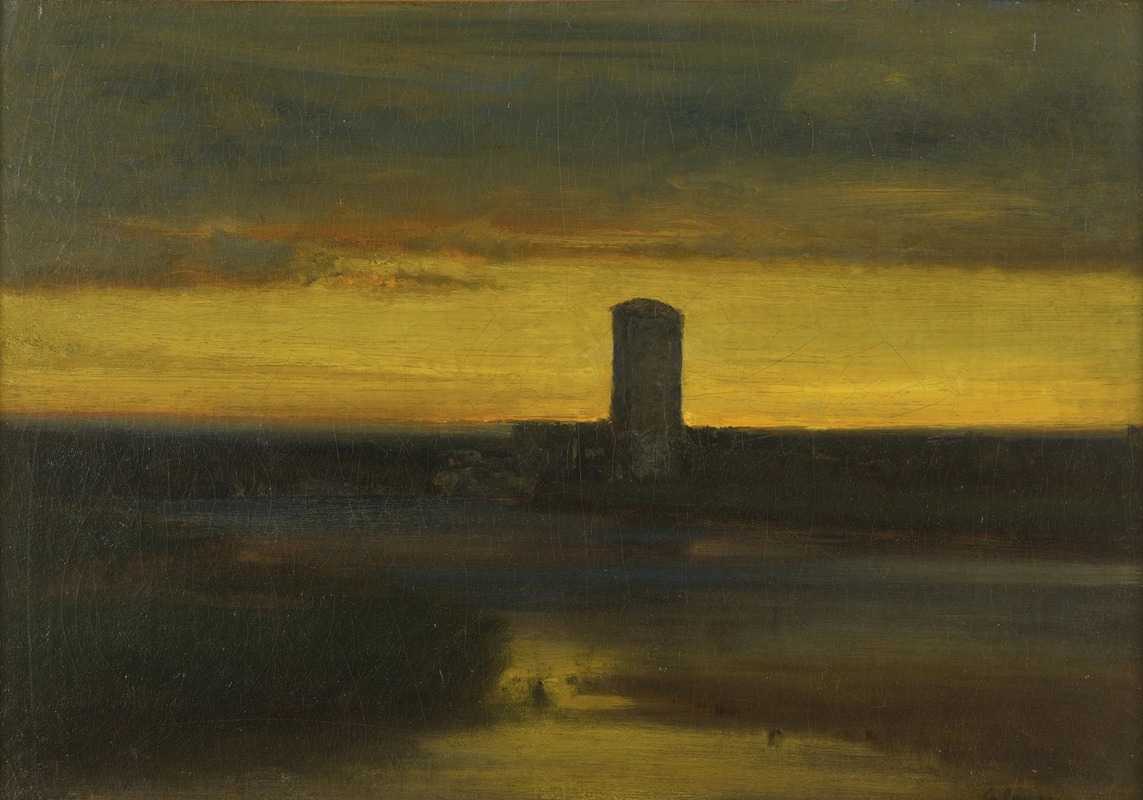
Afterglow
George Inness
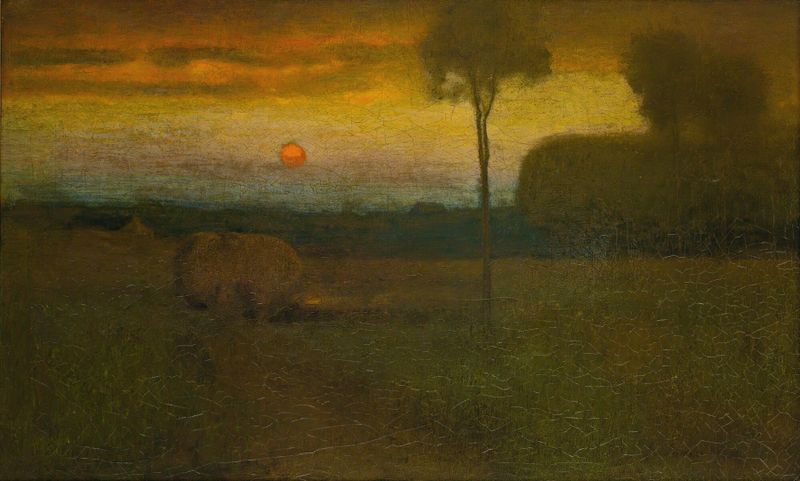
Landscape (Evening Landscape)
George Inness

Montclair
George Inness

View in Berkshire County, Massachusetts, Clearing Off after a September Storm
George Inness

October
George Inness
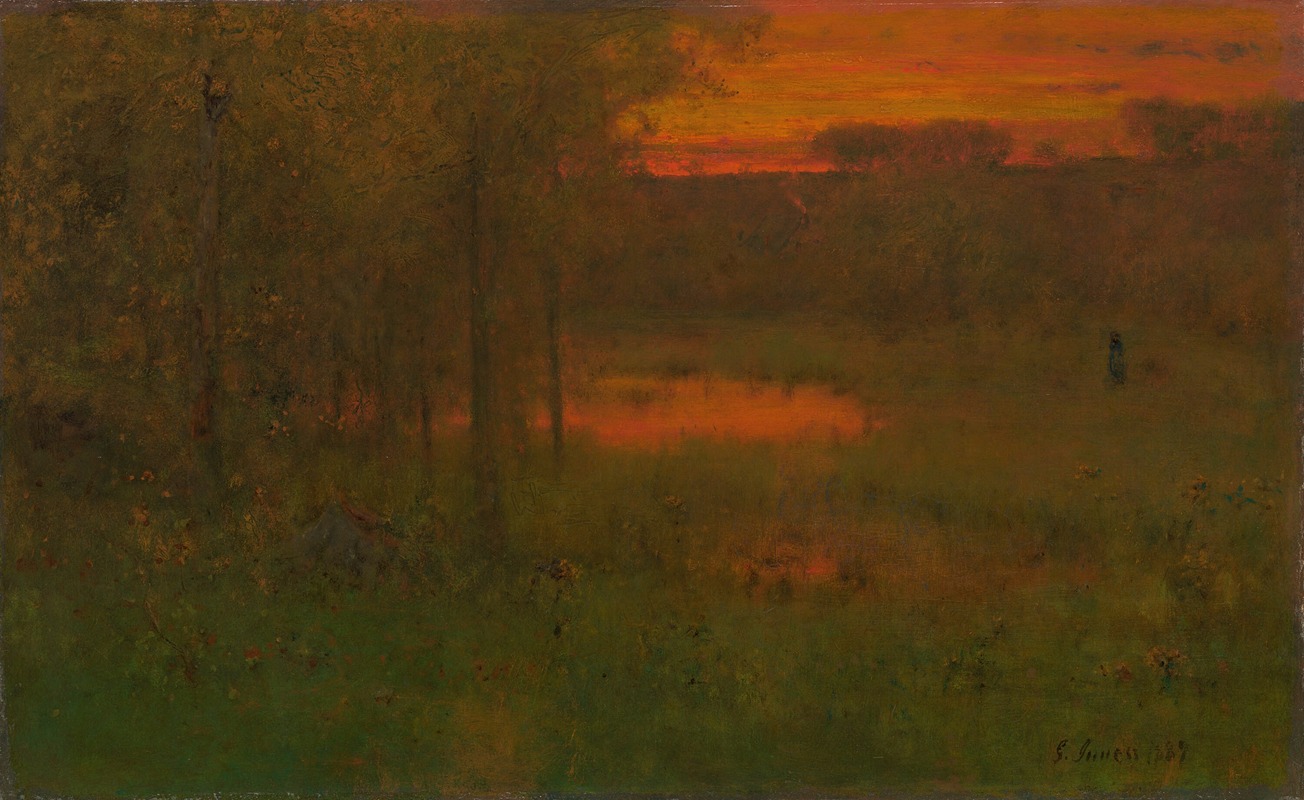
Landscape, Sunset
George Inness
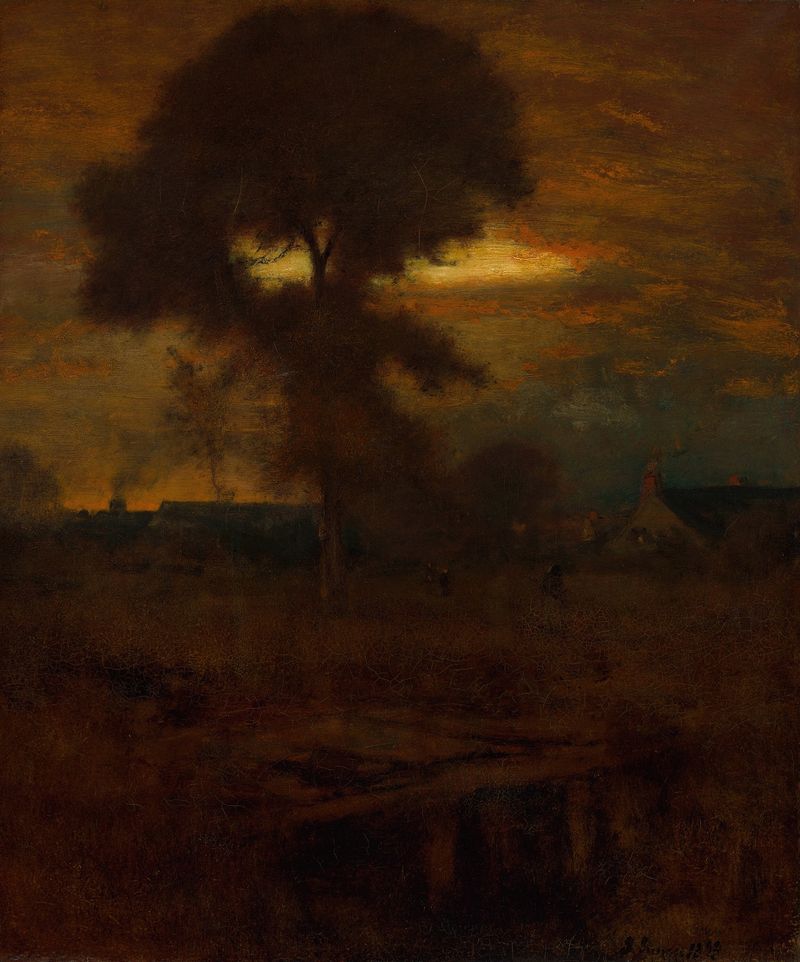
Afterglow
George Inness
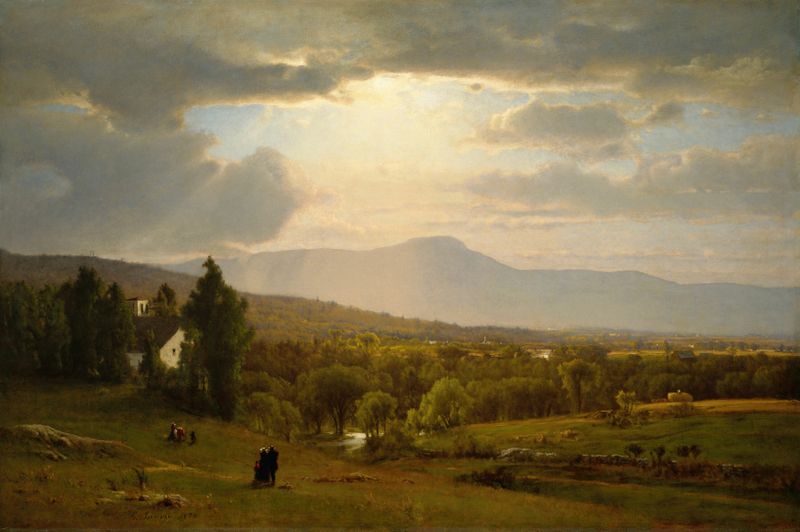
Catskill Mountains
George Inness





