
Haus in Godramstein – Wolfgang mit Ziege — History & Facts
Who listens when art speaks of silence? In Haus in Godramstein – Wolfgang mit Ziege, the interplay of shadow and form invites viewers to explore the quietude that envelops everyday life in its serene yet profound layers. Focus on the shadow stretching across the foreground; it serves as a visual anchor, drawing your gaze to both the figure of Wolfgang and the goat. Notice how the sunlight bathes the house in warm hues, contrasting with the cool shadows that cradle the scene. This juxtaposition of light and dark not only highlights the subjects but evokes an emotional subtlety, as if the surrounding landscape holds its breath, waiting for a whisper. The tension between the vitality of Wolfgang's pose and the stillness of the goat alludes to the balance of life and its ephemeral nature.
The house, a stark figure in the background, stands as a witness to this moment, its simplicity resonating with a sense of isolation. Each brushstroke conveys a deeper narrative—how in stillness, one can find both solitude and companionship, and how shadows can speak louder than words. Max Slevogt painted this piece in 1909 during a period marked by the transition from traditional to modern art. Living in Godramstein, he drew inspiration from his rural surroundings, capturing the essence of everyday life.
This was a time when artists sought to express their inner experiences, using light and shadow to explore deeper emotional truths, paving the way for newer artistic movements.
More Artworks by Max Slevogt
Browse all →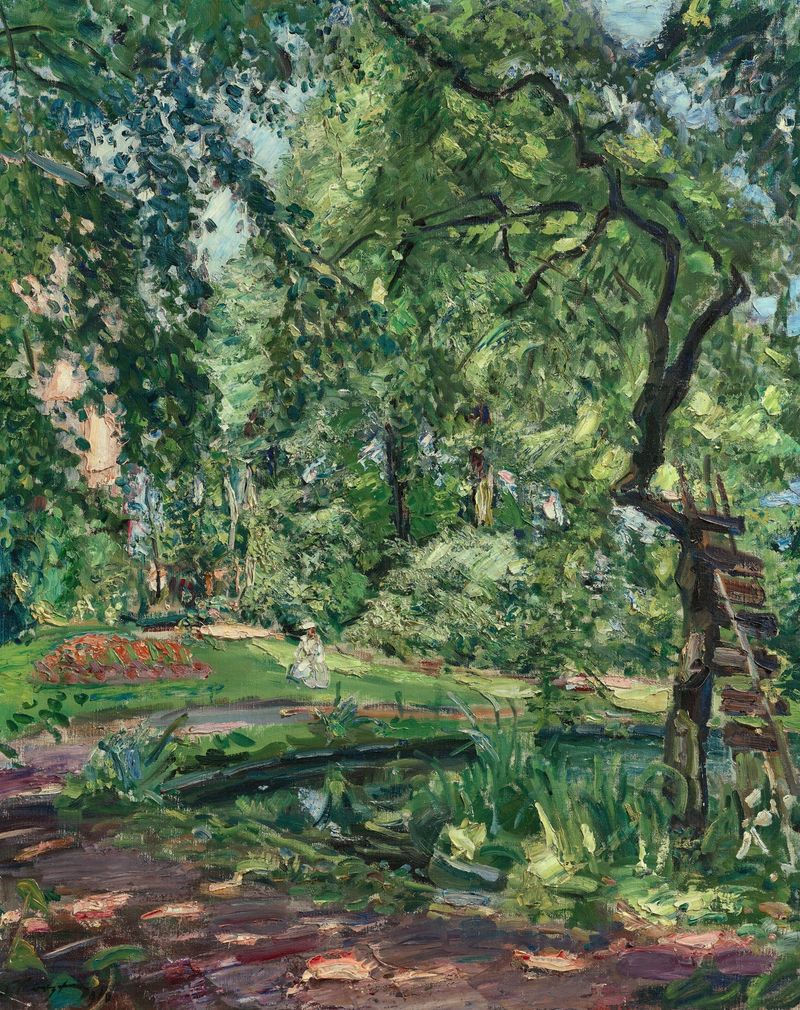
Garten in Godramstein mit verwachsenem Baum und Weiher
Max Slevogt
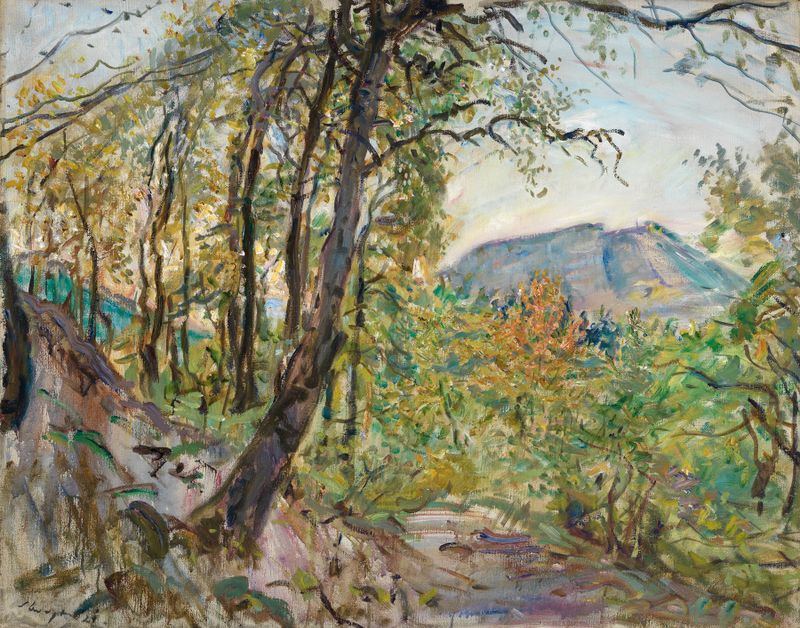
Pfälzische Landschaft
Max Slevogt
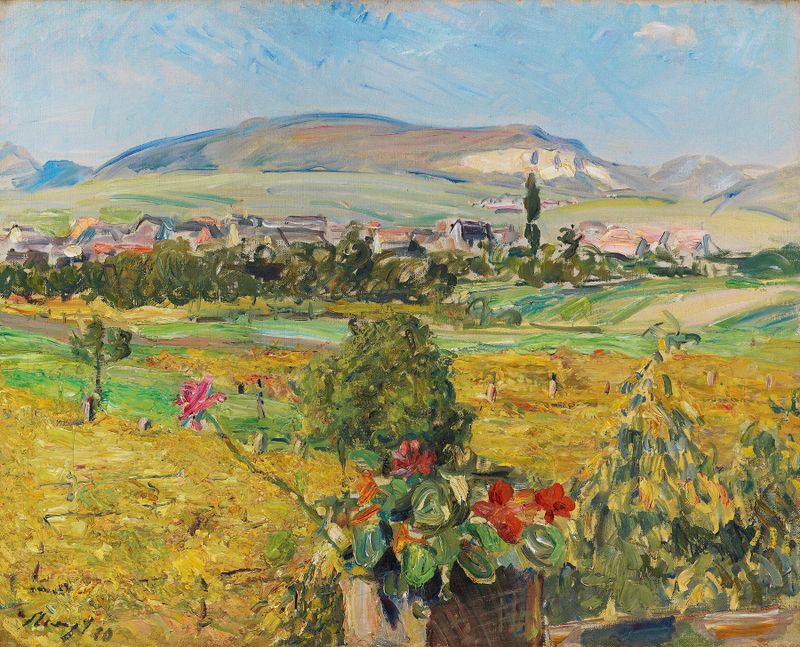
Pfälzer Landschaft
Max Slevogt

Kinder am Weiher (Garten in Godramstein)
Max Slevogt
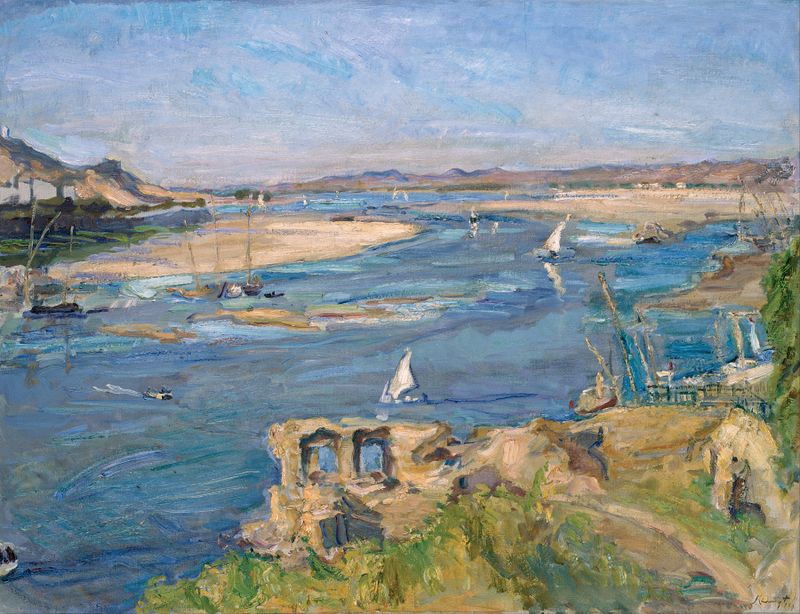
The Nile near Aswan
Max Slevogt
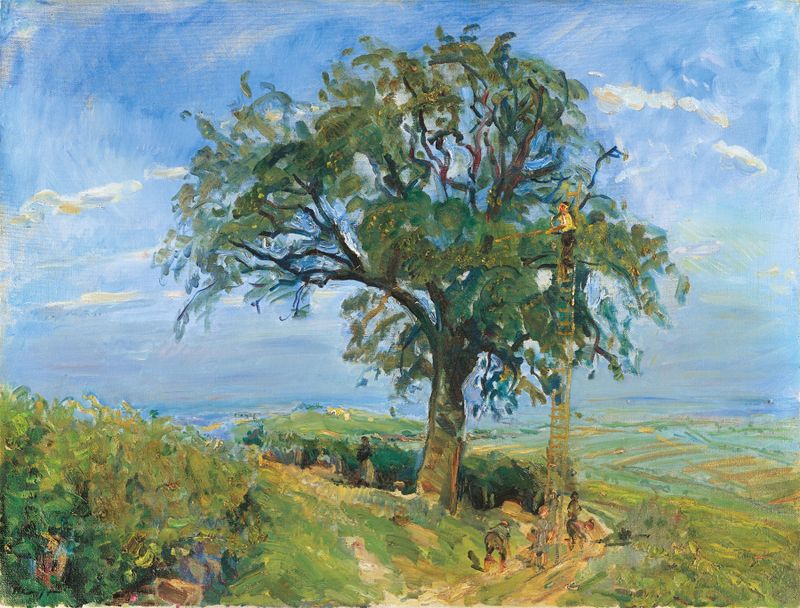
Fruit harvest in the Palatinate (The pear tree)
Max Slevogt
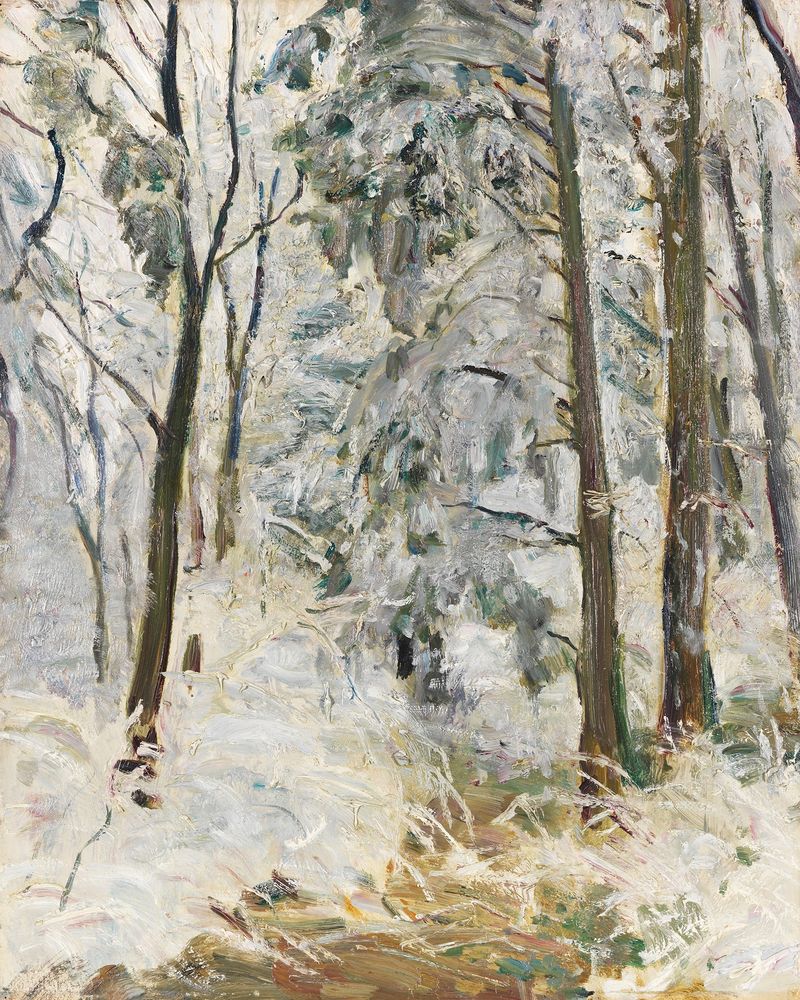
Verschneiter Waldweg
Max Slevogt
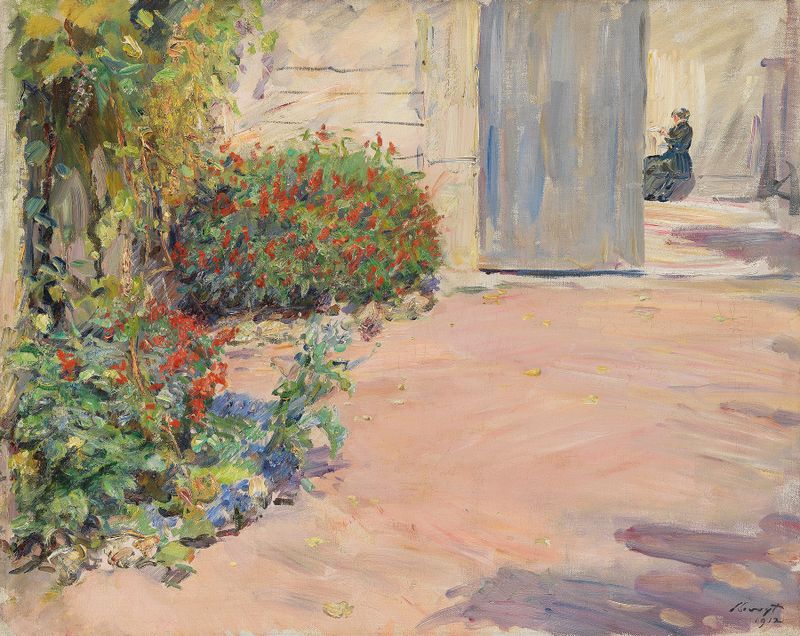
Gartenweg zum Sommerhaus (Godramstein)
Max Slevogt

Grape harvest at Neukastel
Max Slevogt
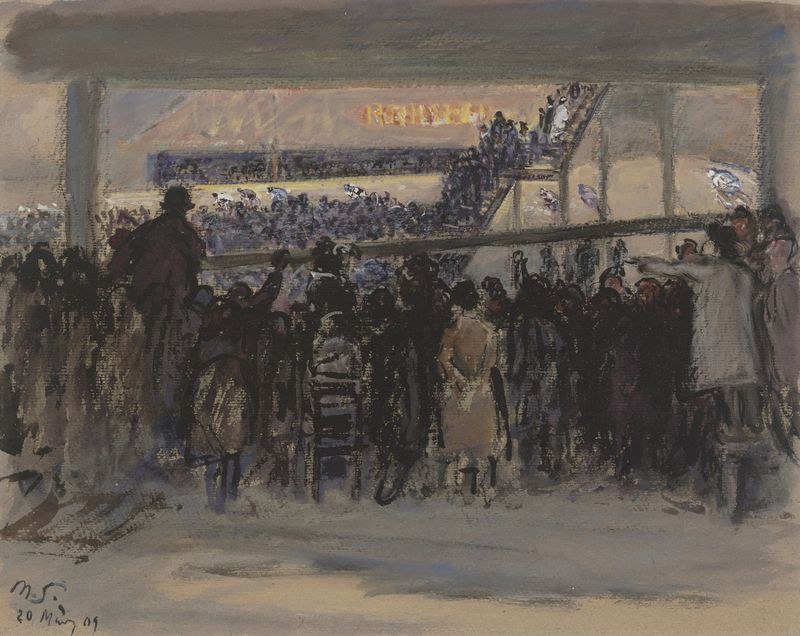
Berliner Sechstagerennen
Max Slevogt





