
Haymaking at Éragny — History & Facts
In Haymaking at Éragny, Camille Pissarro presents a lively rural scene filled with vibrant colors. The painting showcases farmers engaged in the haymaking process under a bright blue sky. The lush green fields and golden hay create a warm, inviting atmosphere.
The figures are depicted in motion, emphasizing the labor and rhythm of rural life. This artwork is an example of Impressionism, characterized by its loose brushwork and focus on light. The use of color is particularly striking, with a palette that captures the essence of a sunny day. The composition draws the viewer's eye across the canvas, creating a sense of depth and movement.
Pissarro's technique allows for a dynamic representation of the landscape and its inhabitants. Camille Pissarro was a key figure in the Impressionist movement and often painted scenes of rural life. Haymaking at Éragny reflects his interest in the changing landscape of France during the late 19th century. An interesting fact about this work is that it was painted in Éragny, where Pissarro lived and worked for many years.
This personal connection to the setting adds a layer of intimacy to the painting.
More Artworks by Camille Pissarro
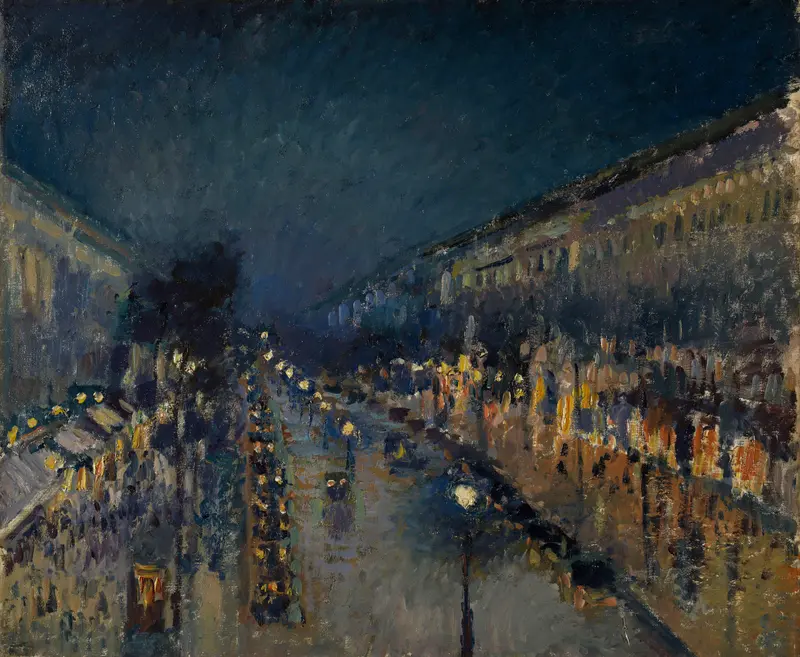
The Boulevard Montmartre at Night
Camille Pissarro

Boulevard des Italiens,Morning_Sunlight
Camille Pissarro

Boulevard Montmartre, Spring
Camille Pissarro
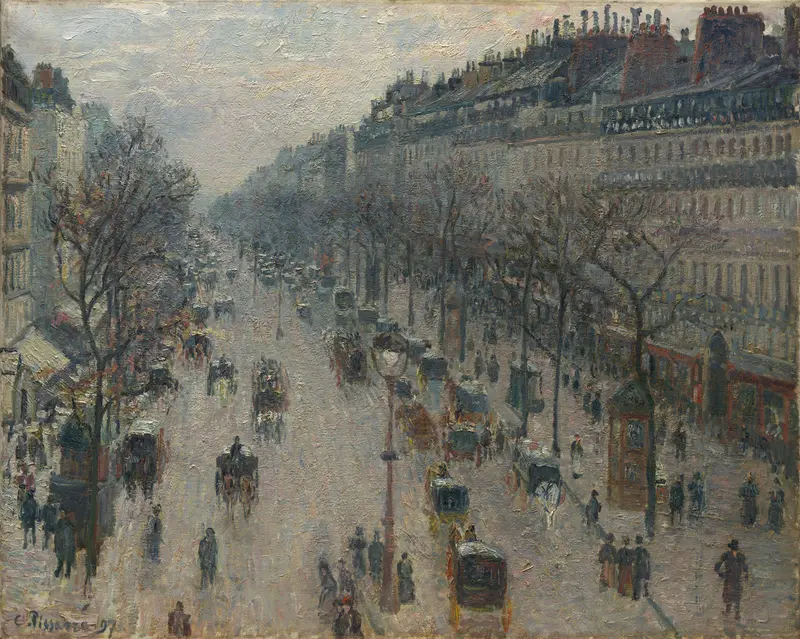
The Boulevard Montmartre on a Winter Morning
Camille Pissarro
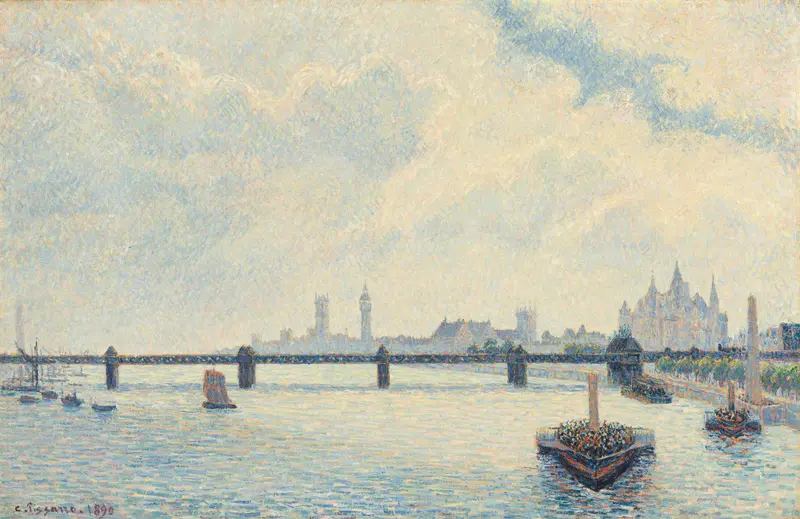
Charing Cross Bridge,London
Camille Pissarro
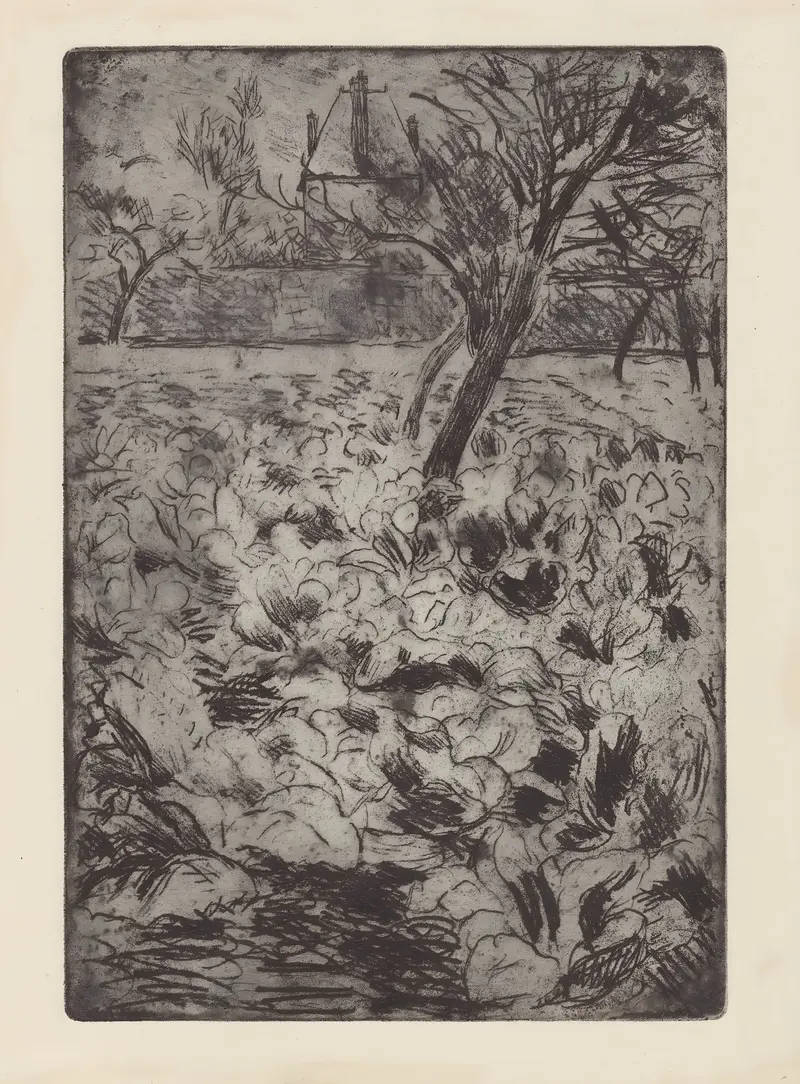
Le champ de choux
Camille Pissarro
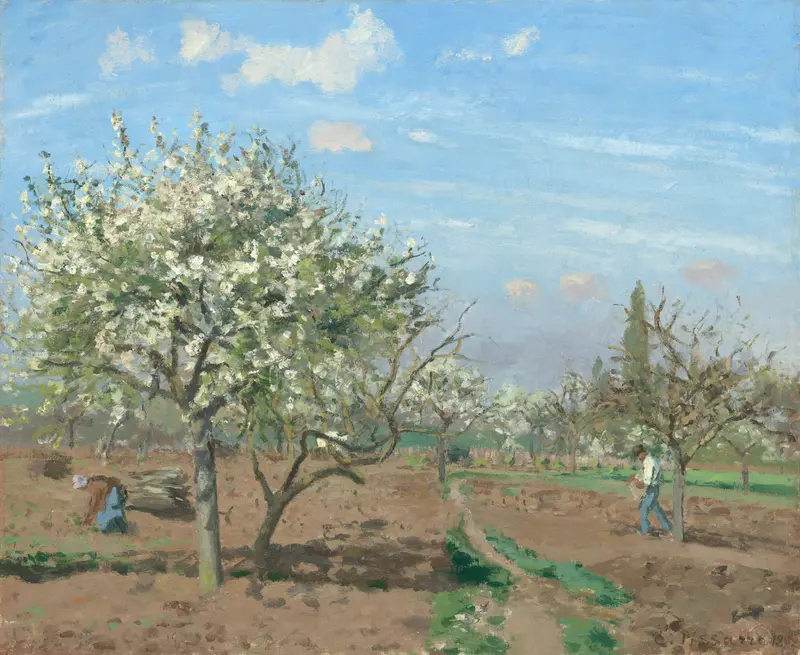
Orchard in Bloom,Louveciennes
Camille Pissarro
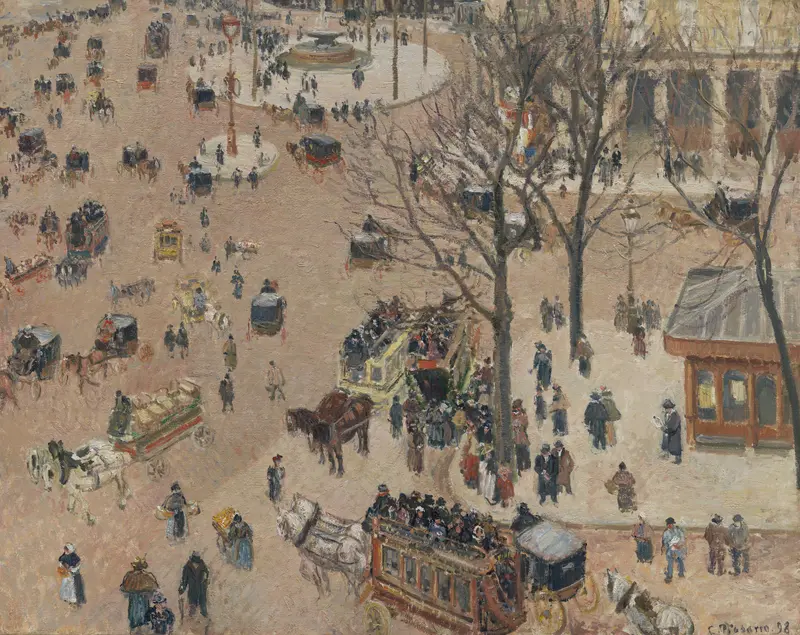
La Place du Théâtre Français
Camille Pissarro

The Pond at Montfoucault, Effect of Winter
Camille Pissarro
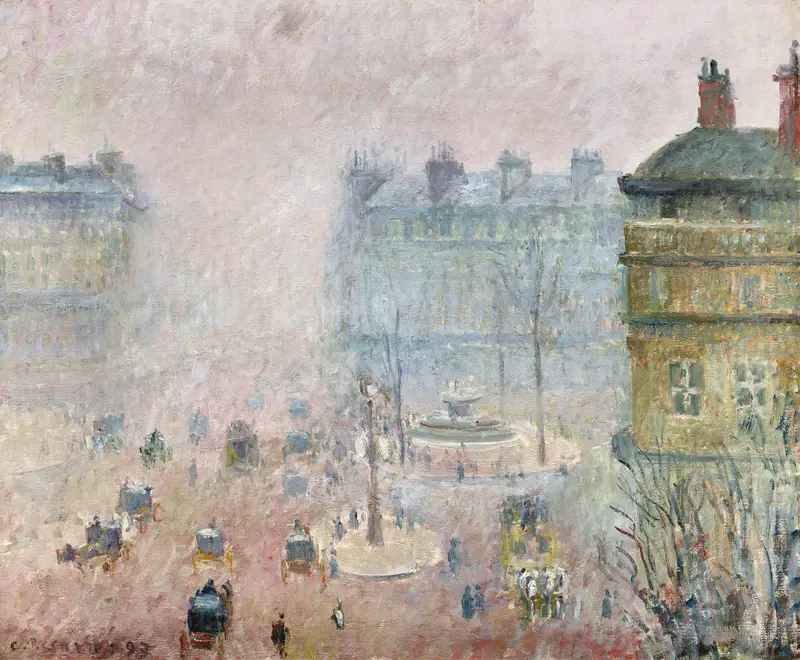
Place du Theatre Francais,Fog Effect
Camille Pissarro
More Landscape Art

The Starry Night
Vincent van Gogh

View of Delft
Johannes Vermeer

Water Lilies
Claude Monet

The Grand Canal, Venice, looking north-west from the Ca' Corner to the Ca' Contarini degli Scrigni, with the campanile of Santa Maria della Carità
Canaletto

Windsor Castle
Canaletto

The Grand Canal looking North-East from the Palazzo Dolfin-Manin to the Rialto Bridge
Canaletto