
Head of a boy in a beret — History & Facts
Few paintings by Frans Hals have sparked as much curiosity as Head of a boy in a beret, for it is one of several small studies by the artist whose purpose remains a mystery. Scholars have long debated whether this lively portrait was a preparatory sketch for a larger composition, a teaching tool in Hals’s workshop, or simply a spontaneous exercise in capturing character. No written records survive to explain its commission, and the boy’s identity is lost to history—yet the immediacy of his gaze has kept viewers guessing for centuries. The boy, caught in three-quarter view, turns his head as if just interrupted, his lips parted in a half-formed word.
The beret sits askew, casting a playful shadow across his brow, while the loose brushwork of his collar and hair suggests movement and youth. Hals’s famously quick, visible strokes animate the flesh and fabric, giving the impression of a fleeting moment rather than a posed portrait. Unlike the more formal child portraits of Anthony van Dyck, this study revels in informality and spontaneity, inviting us to wonder what story lies behind the boy’s alert expression. The painting’s early history is obscure, typical of many small-scale works by Frans Hals that circulated among collectors in the Dutch Republic.
It is not known who first owned Head of a boy in a beret, nor whether it ever hung in a public space before entering the art market. Over the centuries, its attribution has occasionally been questioned, but the lively brushwork and psychological immediacy are now widely accepted as hallmarks of Hals’s hand. Today, the painting is recognized as a vivid example of the artist’s ability to capture life in a single, unguarded moment, and it stands as a testament to the enduring appeal of his informal studies.
More Artworks by Frans Hals

Banquet of the Officers of the St George Civic Guard
Frans Hals

Portrait of Jacob Pietersz Olycan (1596-1638)
Frans Hals
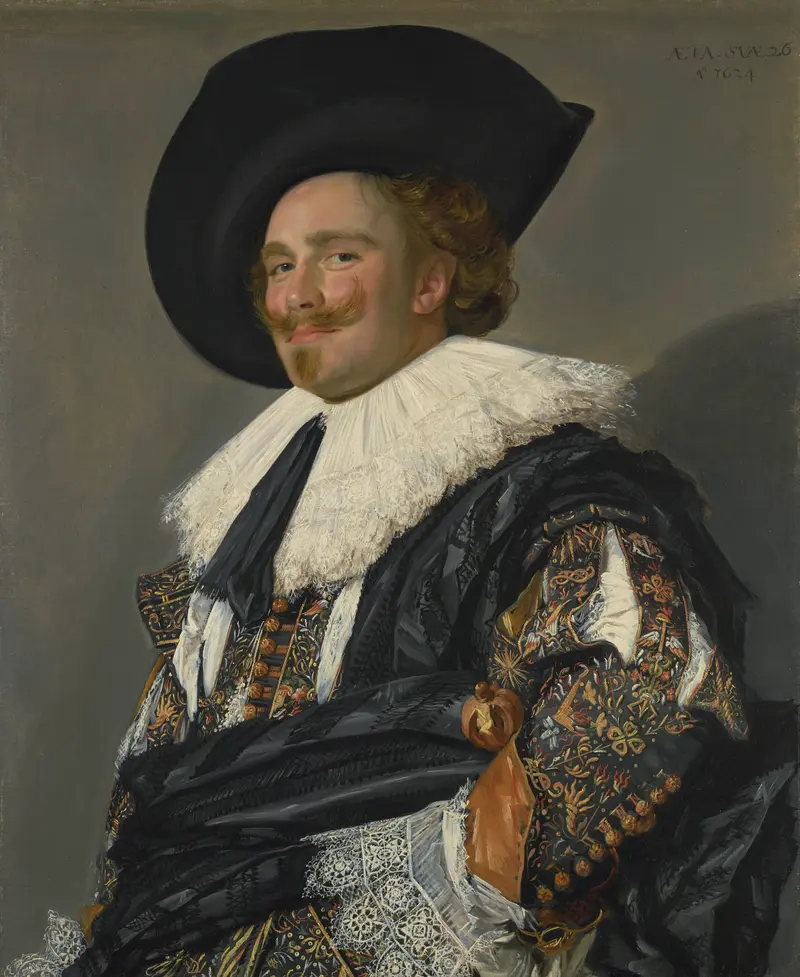
Laughing Cavalier
Frans Hals

Militia Company of District XI under the Command of Captain Reynier Reael, Known as ‘The Meagre Company’
Frans Hals
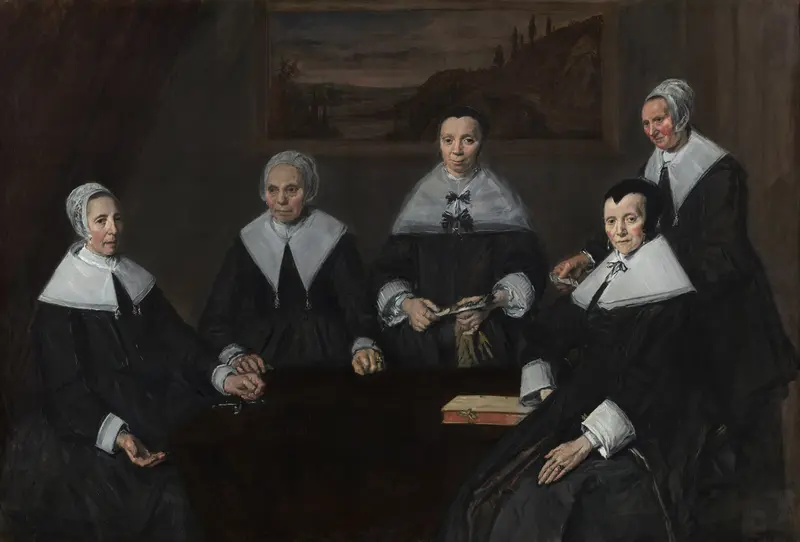
Regentesses of the Old Men's Alms House
Frans Hals
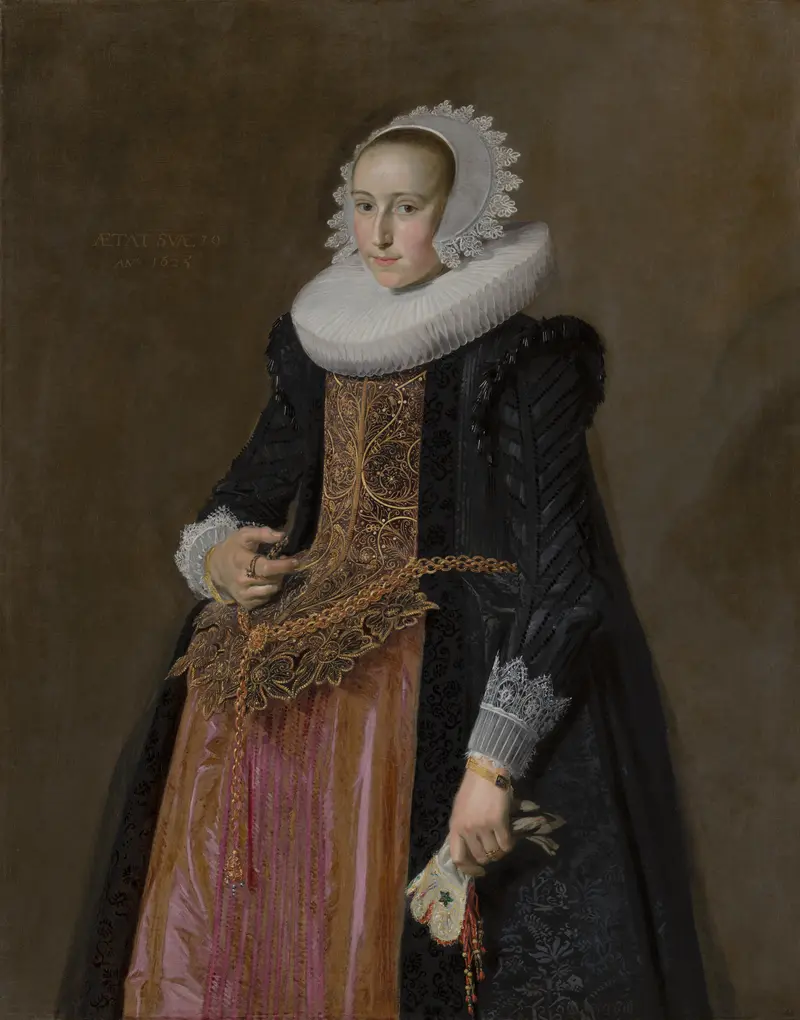
Portrait of Aletta Hanemans (1606–1653)
Frans Hals
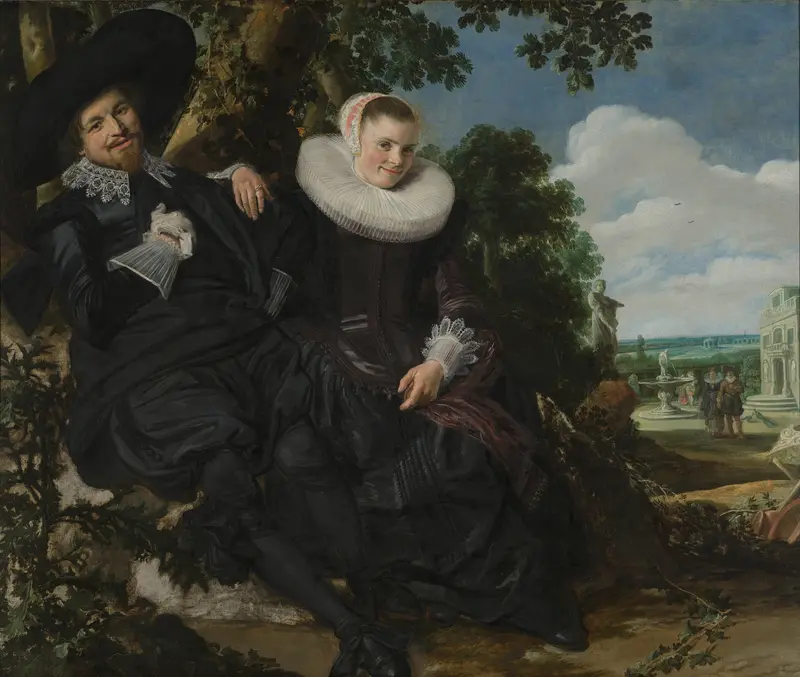
Portrait of a Married Couple, Likely Isaac Abrahamsz Massa and Beatrix van der Laen
Frans Hals
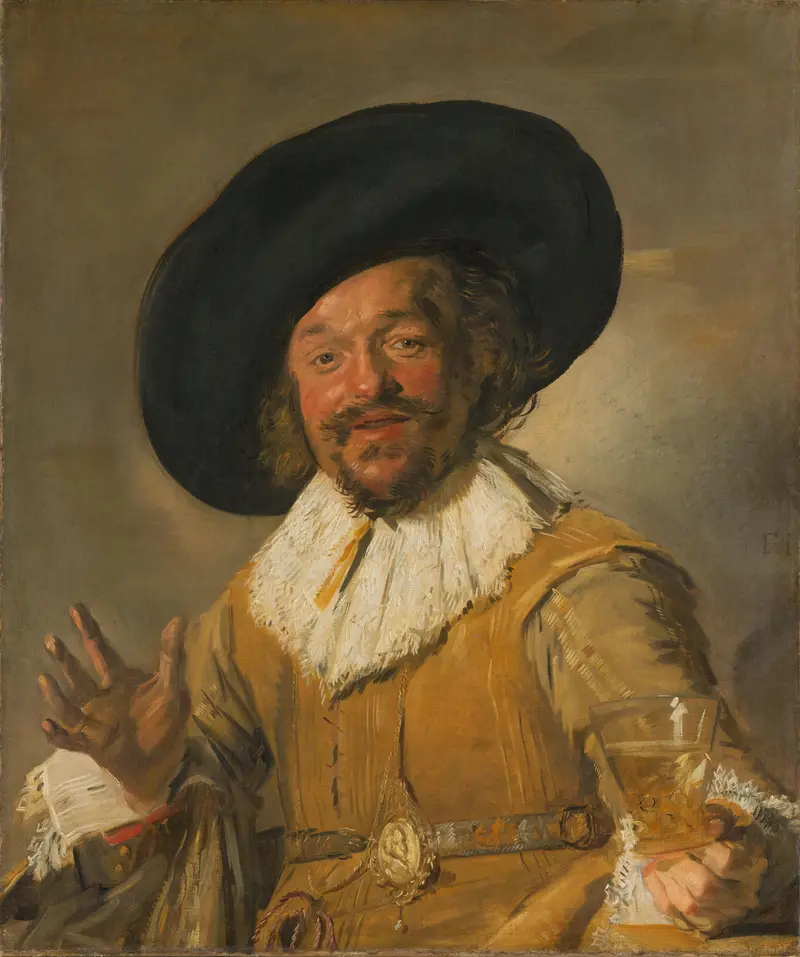
The Merry Drinker
Frans Hals
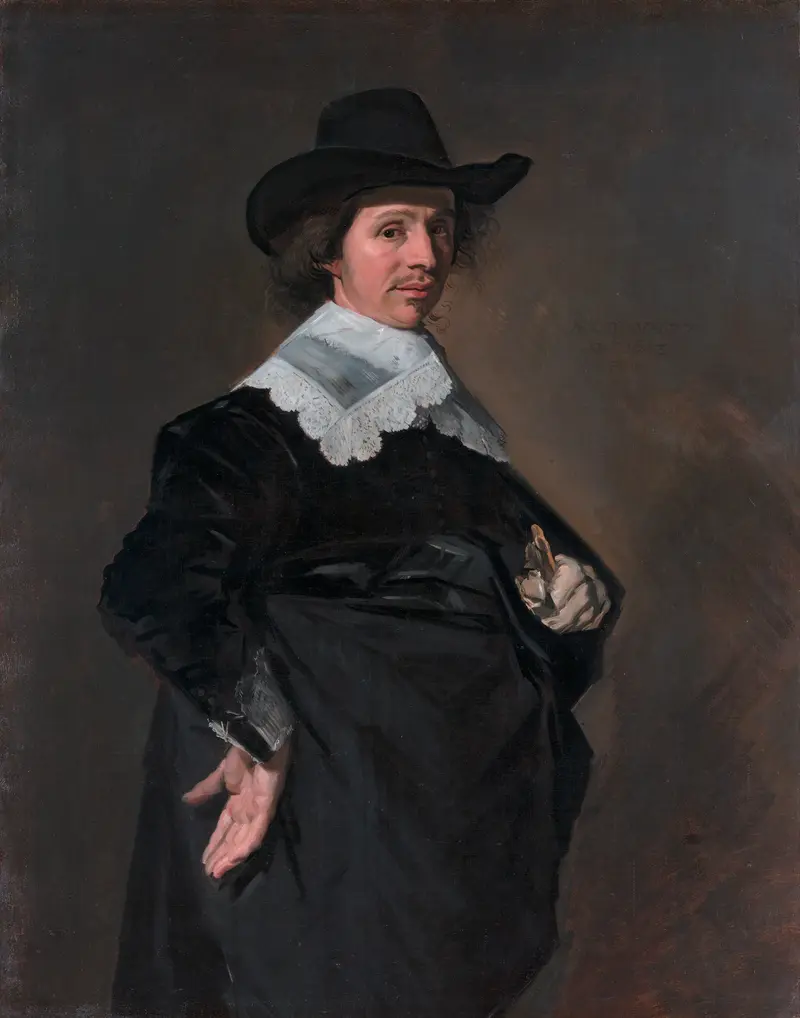
Portrait of Paulus Verschuur
Frans Hals
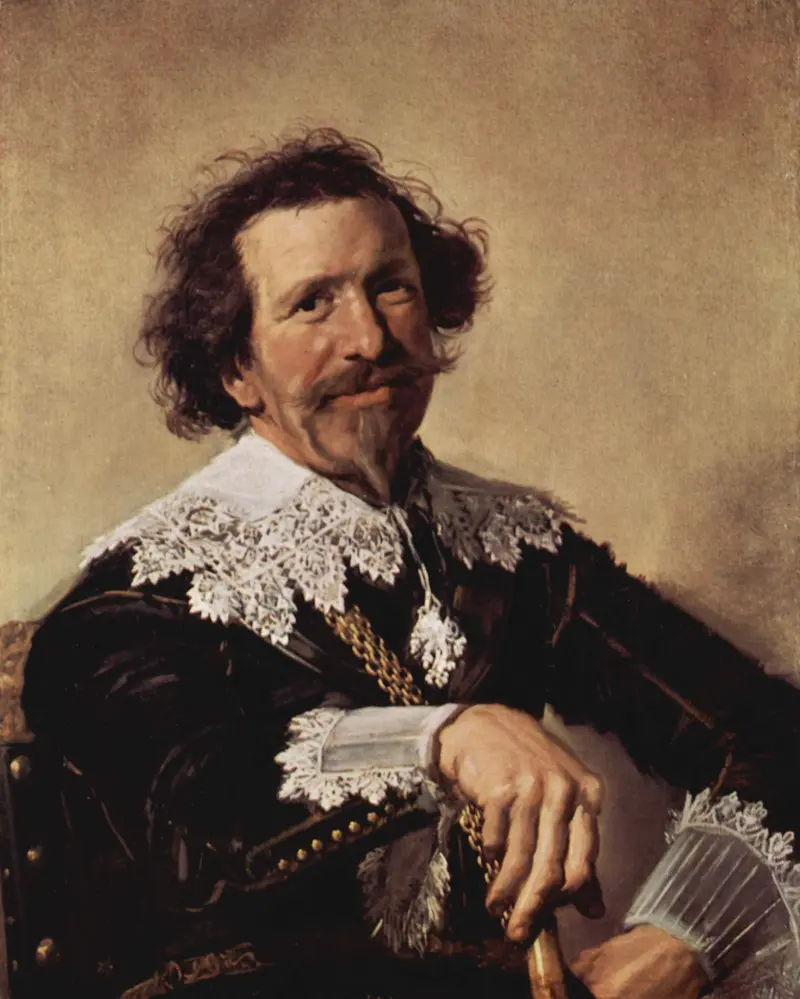
Portrait of Pieter van den Broecke
Frans Hals





