
Head of a woman — History & Facts
In Head of a Woman, Vincent van Gogh presents a female figure characterized by bold colors and dynamic brushwork. The background is a mix of warm and cool tones, creating a sense of depth. The woman's face is painted with expressive features, drawing the viewer's attention.
Her gaze is direct and engaging, inviting contemplation. The painting showcases Van Gogh's signature style, with thick, impasto brushstrokes that add texture and movement. The use of color is striking, with rich yellows, greens, and blues that convey emotion. The composition is focused on the woman's head and shoulders, emphasizing her expression.
This work exemplifies Van Gogh's exploration of human emotion through portraiture. Created during the early stages of Van Gogh's career, Head of a Woman reflects his interest in the human condition. It is believed that this work was inspired by his time in Belgium, where he was influenced by the local working-class culture. An interesting fact about this painting is that it showcases Van Gogh's transition from traditional techniques to his unique Post-Impressionist style.
More Artworks by Vincent van Gogh

Starry Night
Vincent van Gogh

Van Gogh's Chair
Vincent van Gogh

The Night Café
Vincent van Gogh
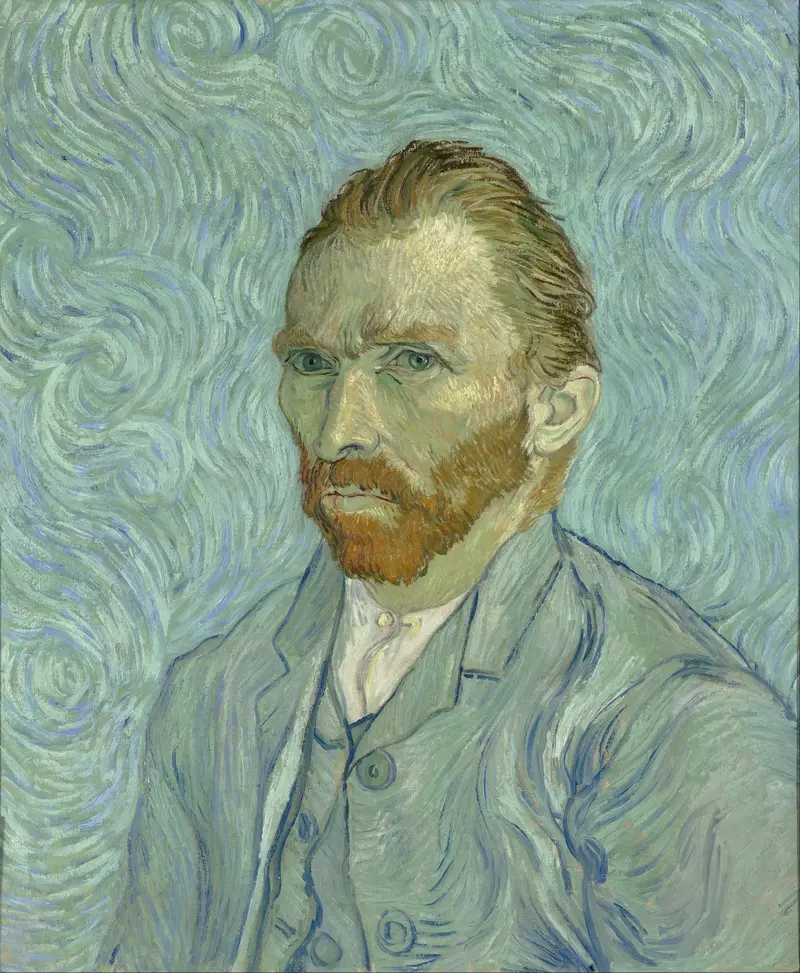
Self-Portrait (1889)
Vincent van Gogh

Café Terrace at Night
Vincent van Gogh

Almond Blossom
Vincent van Gogh

Flowering Garden
Vincent van Gogh

A Wheatfield, with Cypresses
Vincent van Gogh

Orchard in Blossom (Plum Trees)
Vincent van Gogh

Snowy Landscape with Arles in the Background
Vincent van Gogh





