
Head of a Workman (Self-Portrait) by Theo van Doesburg Amsterdam, Kunstveilingen Mak van Waay (1966-04-25) — History & Facts
A shadowed face emerges from the gloom, the brim of a workman’s hat cutting a sharp line across the brow and casting the eyes into secrecy. The first thing that seizes the viewer is this interplay of concealment and revelation: the strong, angled light carves out the jaw and throat, letting the rest of the figure dissolve into darkness. The lips are parted, as if caught mid-thought or mid-breath, and the rough collar and jacket hint at a life of labor.
This is not a portrait that flatters or idealizes; instead, it insists on the dignity and gravity of the sitter’s presence, inviting us to wonder what weight he carries, and what stories he might tell if he stepped forward into the light. Painted around 1906, Head of a Workman (Self-Portrait) by Theo van Doesburg belongs to a moment in European art when the realities of working life were gaining new attention. The early twentieth century saw artists across the continent—whether in the Netherlands, France, or Germany—turning their gaze to the faces of ordinary people, often with a seriousness that bordered on the monumental. While history has preserved few traces of this specific work beyond its listing in the 2000 Oeuvrecatalogus, its subject and mood speak to a broader shift: artists asking not just how to paint, but whom to paint, and why.
The questions raised by this shadowed self-portrait linger, urging us to look again at the face half-hidden in darkness.
More Artworks by Theo van Doesburg
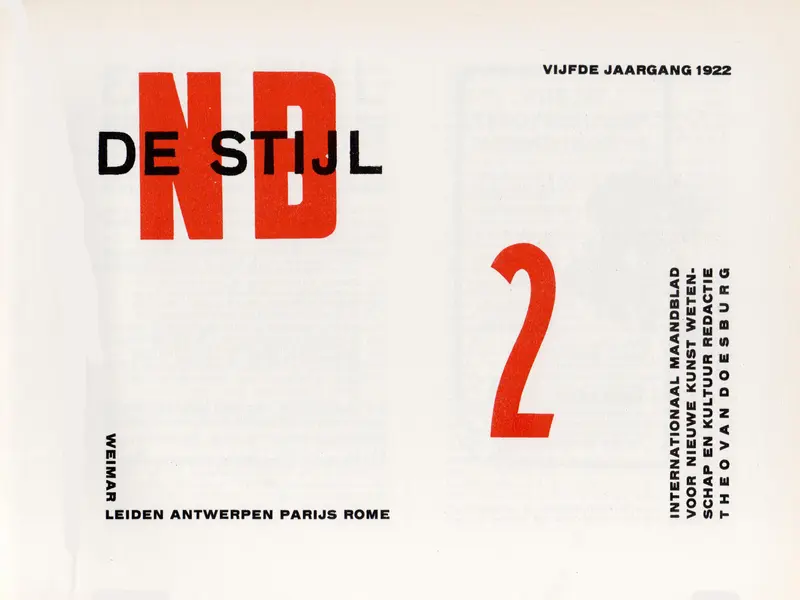
De Stijl, vol. 5, no. 2 (cover)
Theo van Doesburg
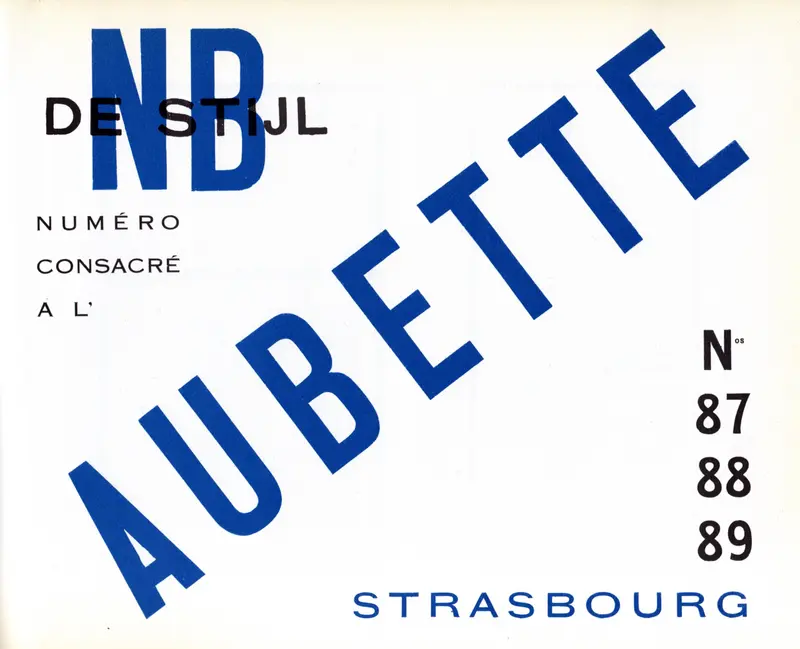
De Stijl, nos. 87–89: Aubette Issue (cover)
Theo van Doesburg
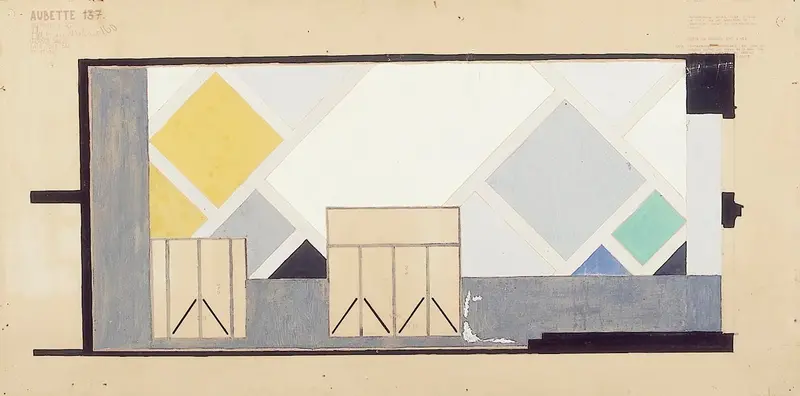
Aubette Ciné-Dancing: Final Color Design for a Wall
Theo van Doesburg
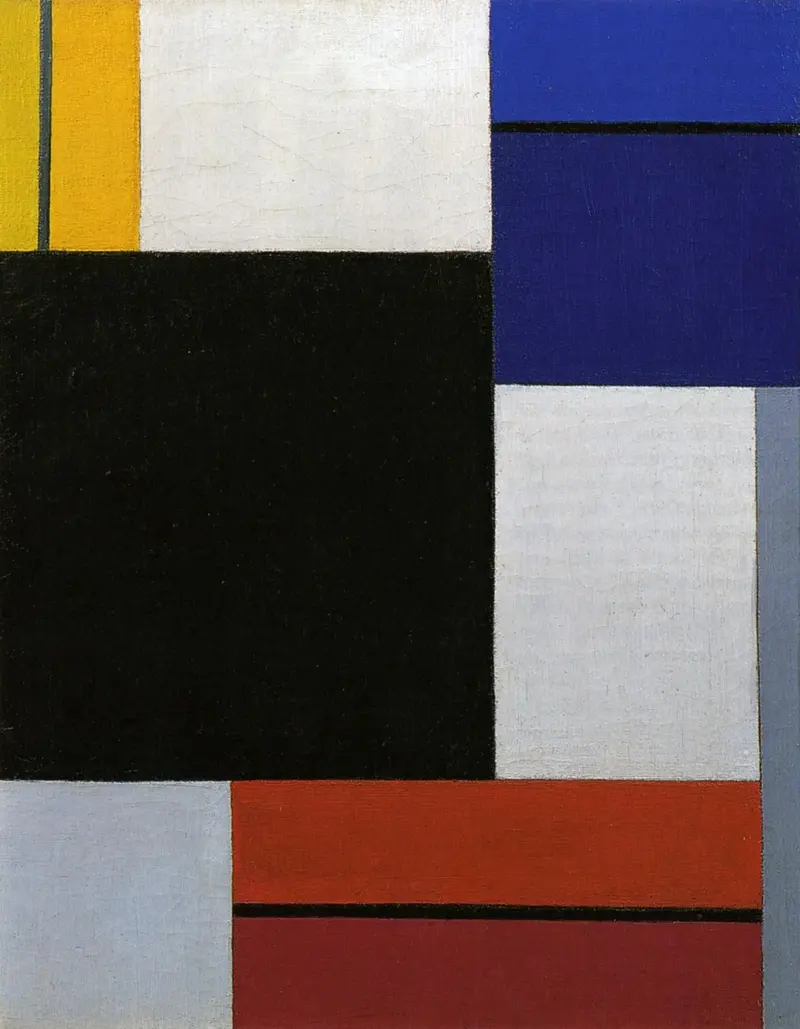
Composition XXI
Theo van Doesburg
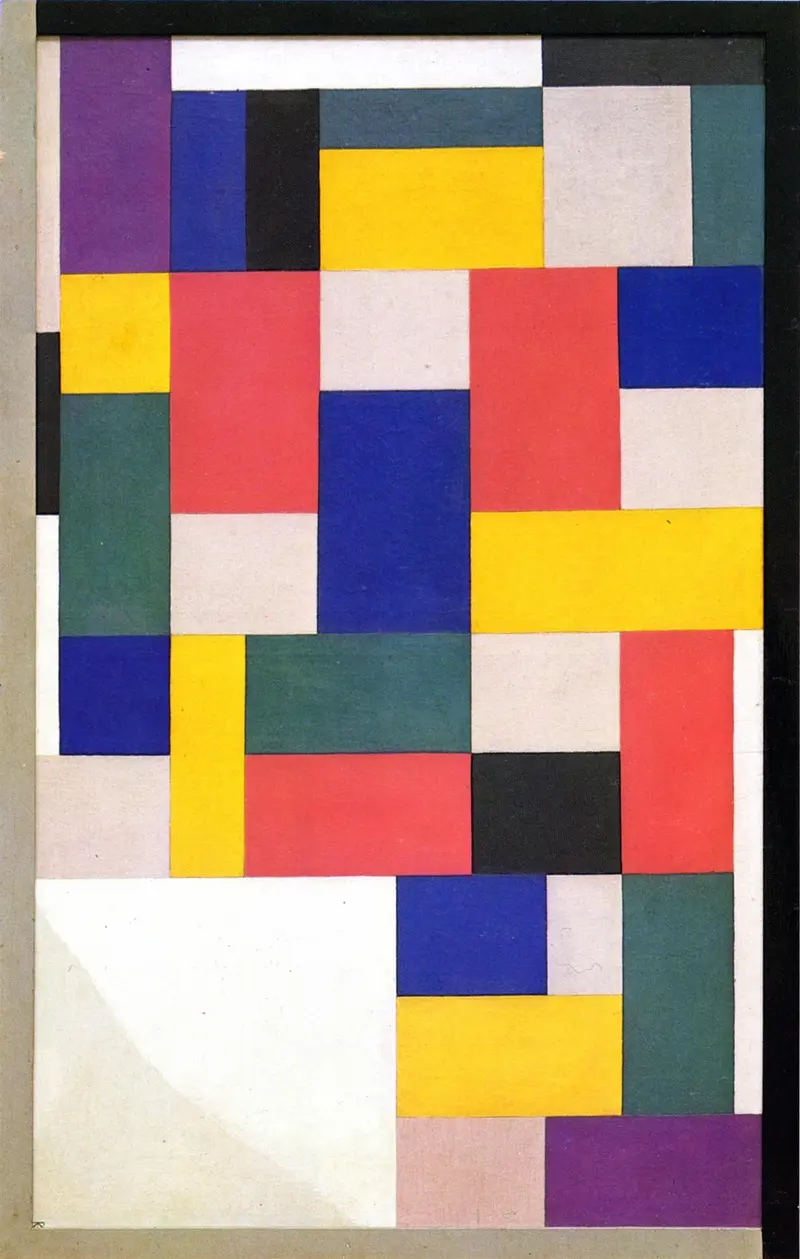
Pure Painting
Theo van Doesburg
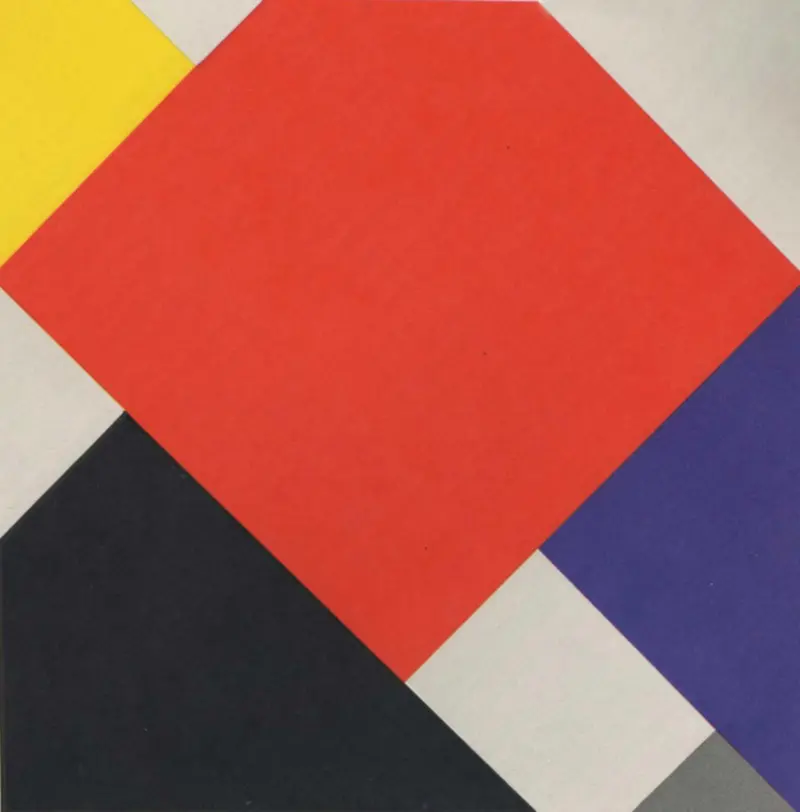
Counter-Composition V
Theo van Doesburg
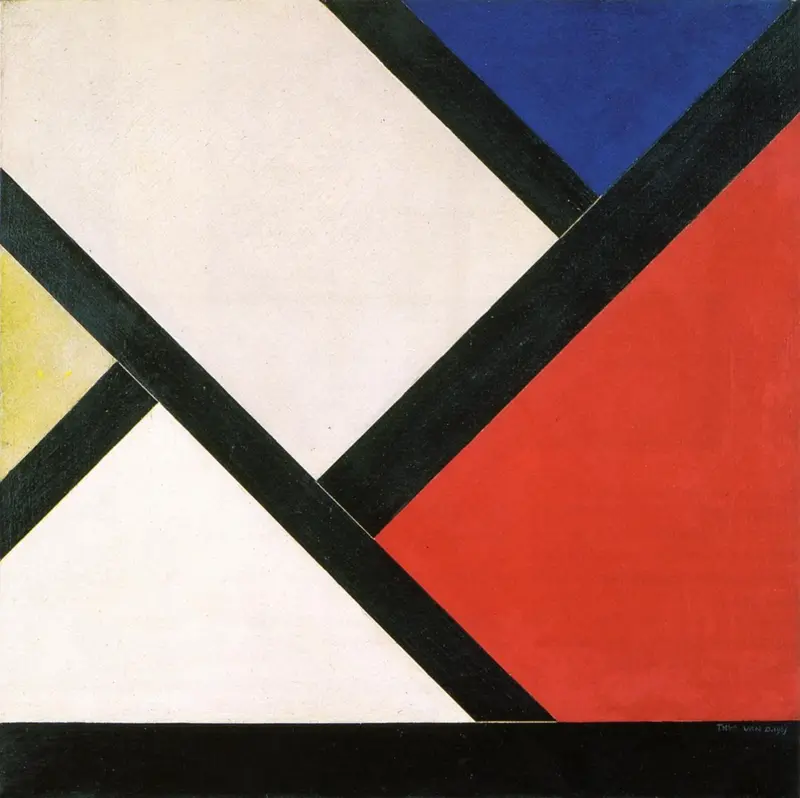
Counter-Composition XIV
Theo van Doesburg
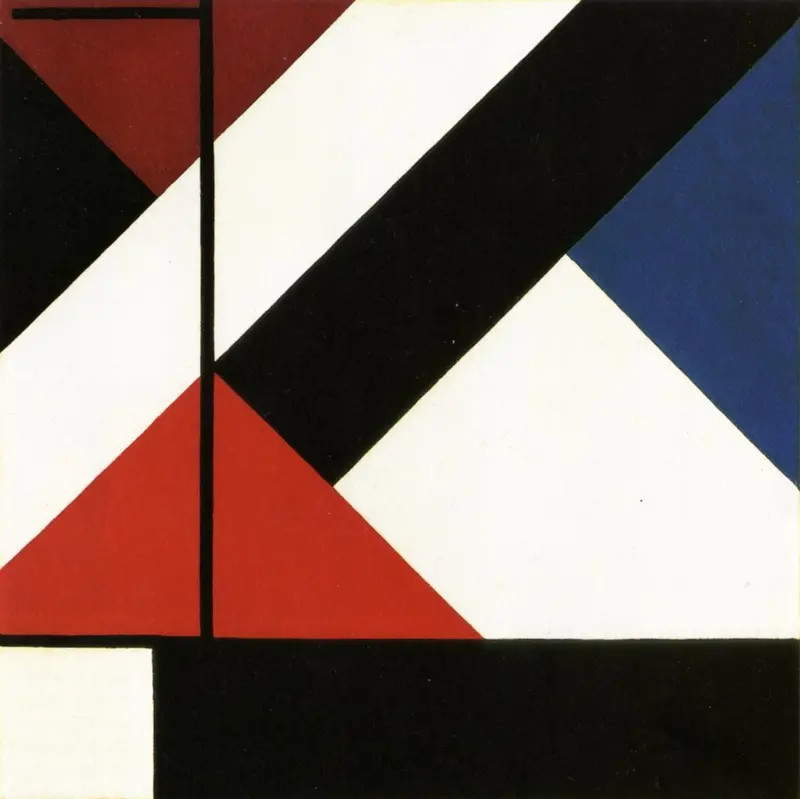
Simultaneous Counter-Composition
Theo van Doesburg
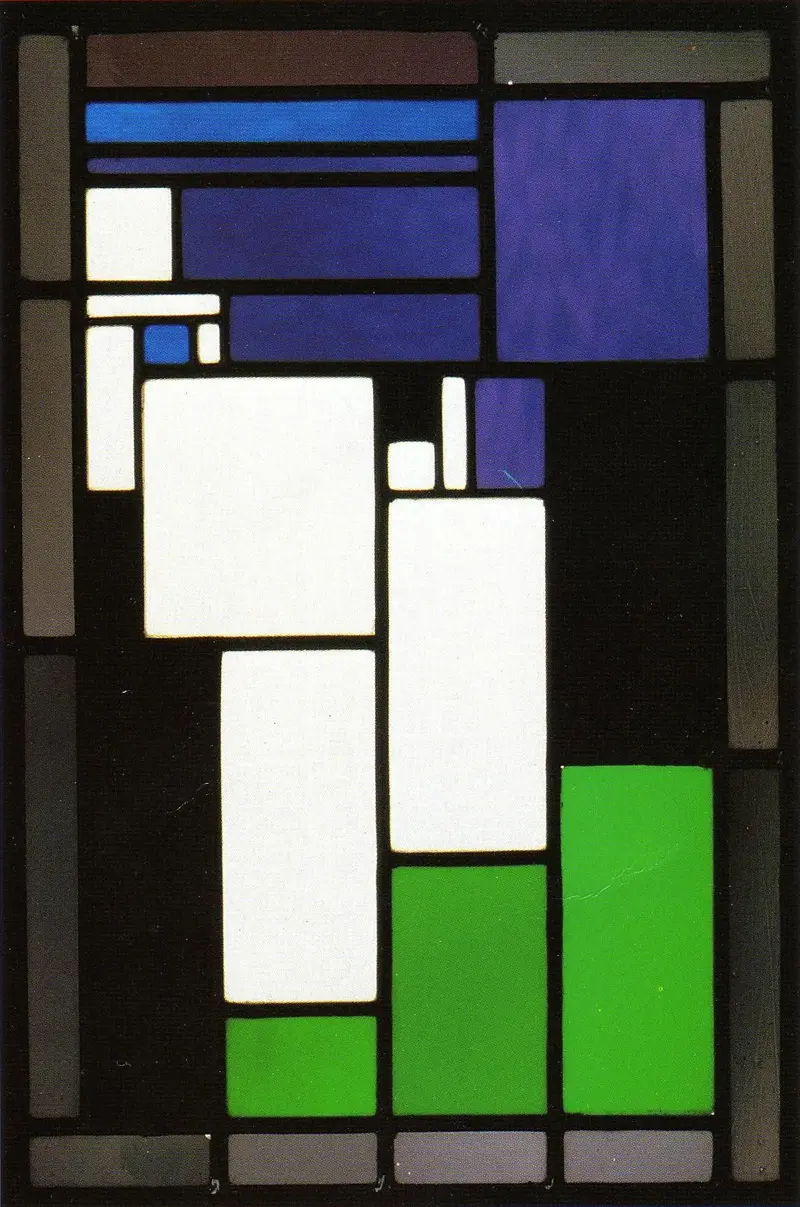
Stained-Glass Composition: Female Head
Theo van Doesburg
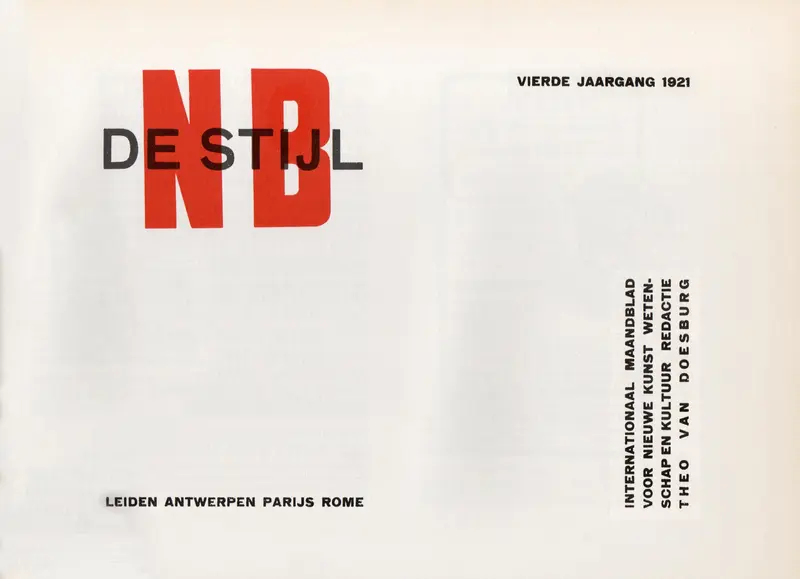
De Stijl, vol. 4, no. 2 (cover)
Theo van Doesburg





