
Head of a woundet Man — History & Facts
When Théodore Géricault painted Head of a wounded Man in 1814, he was just twenty-three and already obsessed with the raw realities of suffering. This small, intense study is believed to have been made during the final years of the Napoleonic Wars, a time when wounded veterans filled the streets and hospitals of Paris. Rather than idealizing his subject, Géricault confronted the viewer with the battered face of a real man, a choice that shocked his contemporaries used to more heroic portrayals.
The painting’s unflinching realism foreshadows the artist’s later fascination with the human body in crisis, most famously seen in The Raft of the Medusa. The man’s head is turned slightly, his eyes half-closed, lips parted as if caught between pain and exhaustion. The light falls harshly across his swollen brow and bruised cheek, picking out every detail of injury and stubble. There is no narrative context—no uniform, no battlefield—just the immediacy of flesh and wound.
In this, Géricault departs from the grand, sanitized battle scenes of Jacques-Louis David, instead inviting the viewer to contemplate the cost of war on the individual. The painting’s focus on the face alone, cropped tightly, magnifies the psychological intensity and hints at the artist’s later interest in the study of madness and trauma. The exact history of Head of a wounded Man remains somewhat uncertain, as the work was likely painted as a study rather than a commissioned portrait. It may have been created in preparation for a larger composition or as part of Géricault’s personal investigations into anatomy and expression.
The medium is not definitively recorded, though the handling suggests oil on canvas or panel. Today, the painting is recognized as an early example of Géricault’s break with Neoclassical conventions and his movement toward the gritty realism that would define Romanticism. Its survival offers a rare, intimate glimpse into the artist’s working process and the turbulent world that shaped his vision.
More Artworks by Théodore Géricault
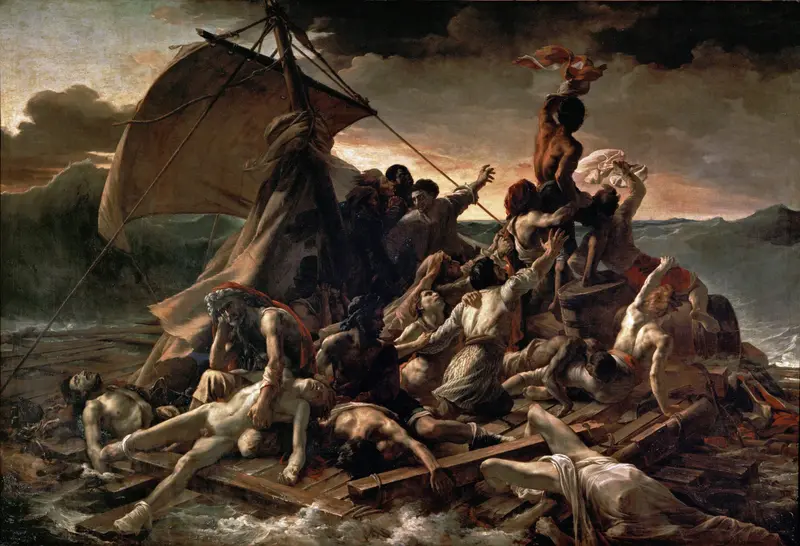
The Raft of the Medusa
Théodore Géricault

Géricault - Le naufrage du radeau de la Méduse, MBA 790
Théodore Géricault
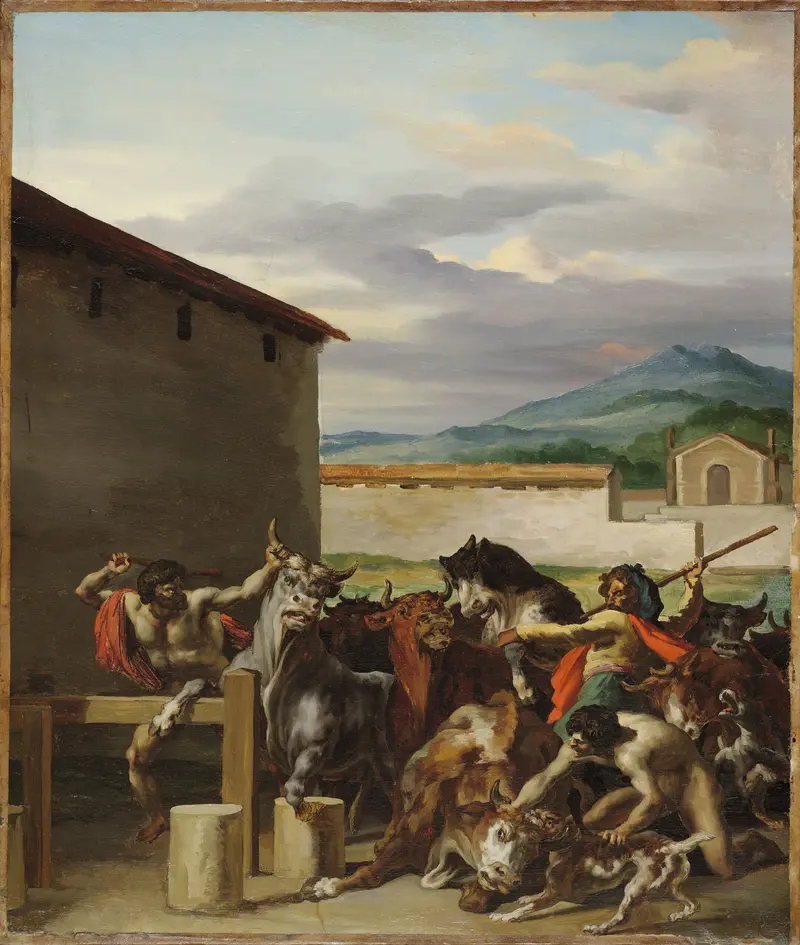
Cattle Market
Théodore Géricault
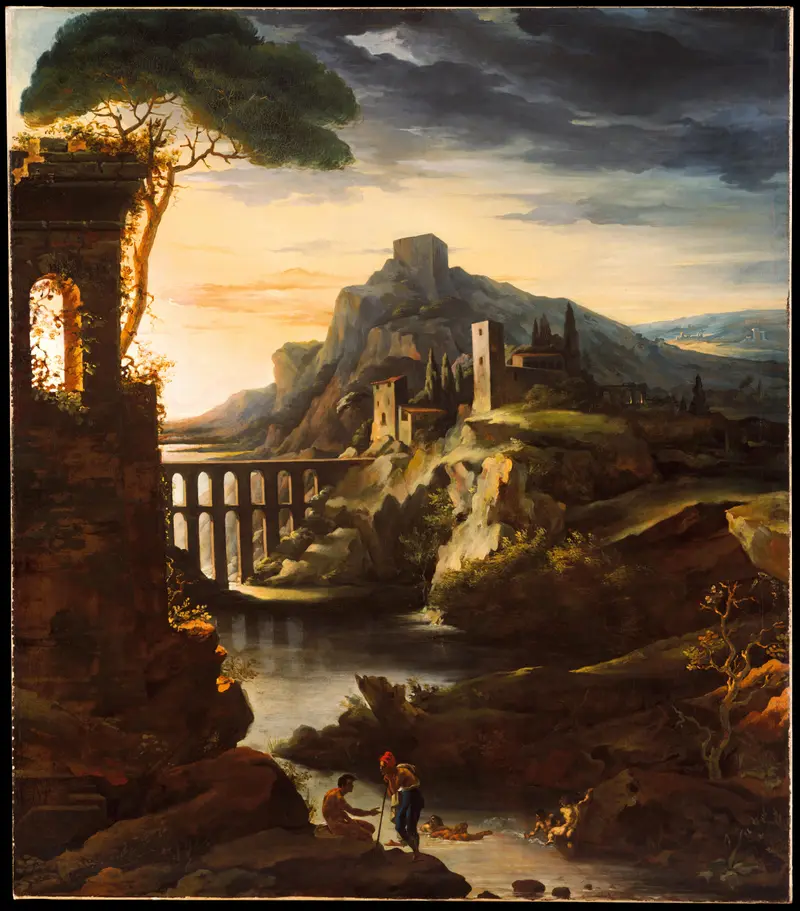
Evening; Landscape with an Aqueduct
Théodore Géricault
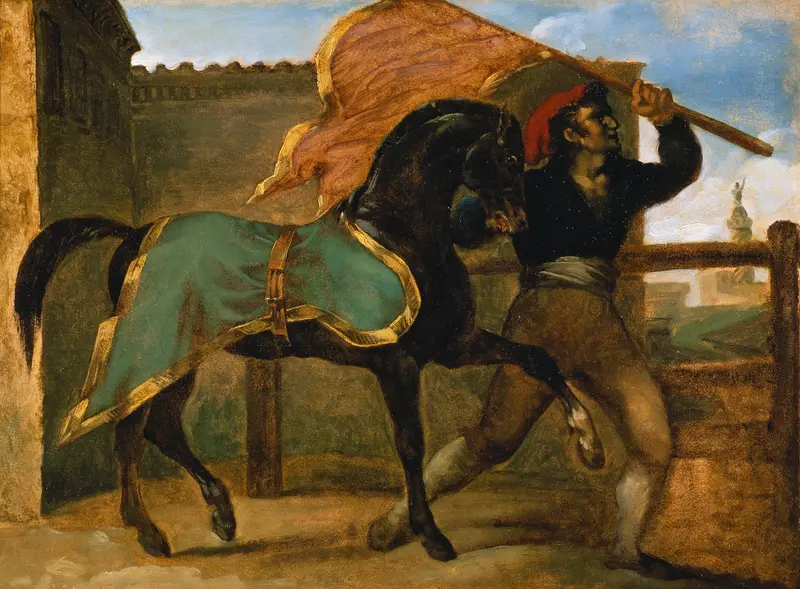
Horse Race
Théodore Géricault

Horses Standing in a Mews
Théodore Géricault
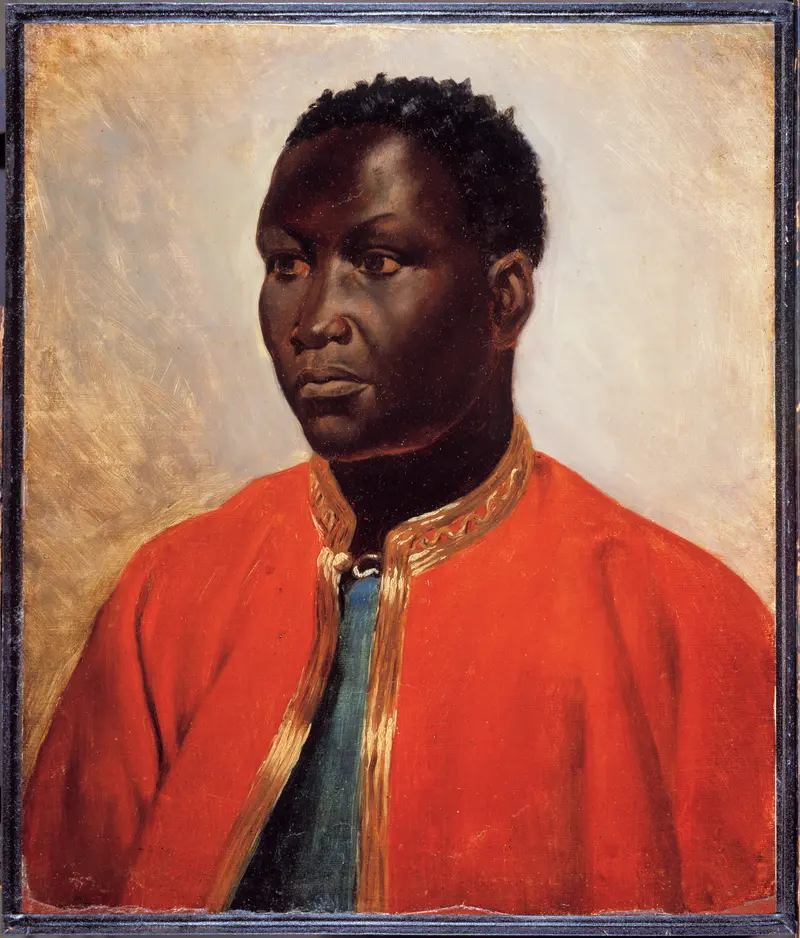
Portrait of a Negro
Théodore Géricault
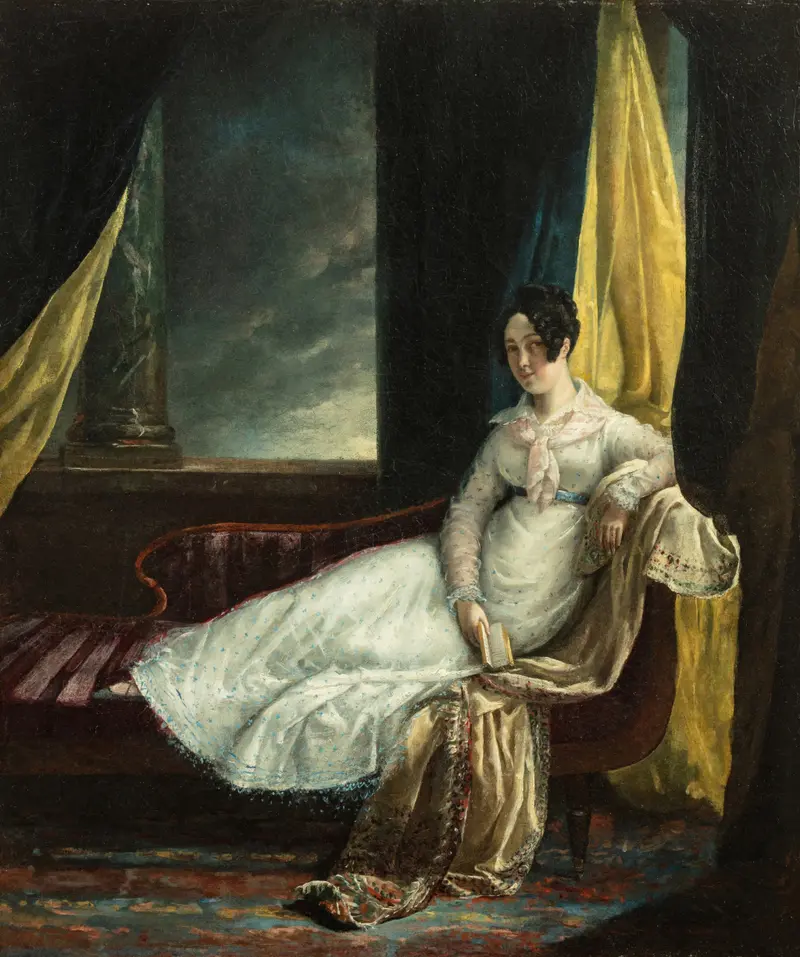
Portrait of Zoë Elmore
Théodore Géricault
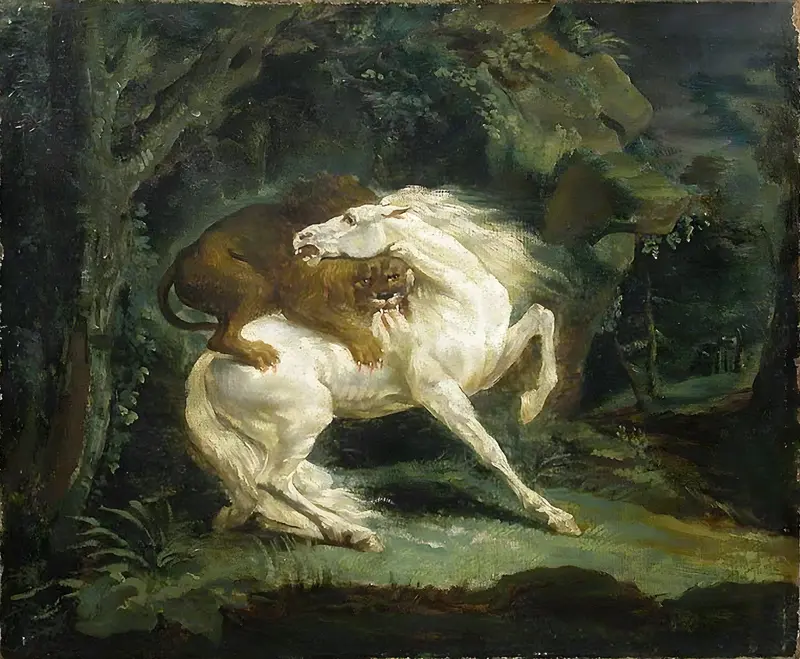
Cheval attaqué par un lion
Théodore Géricault
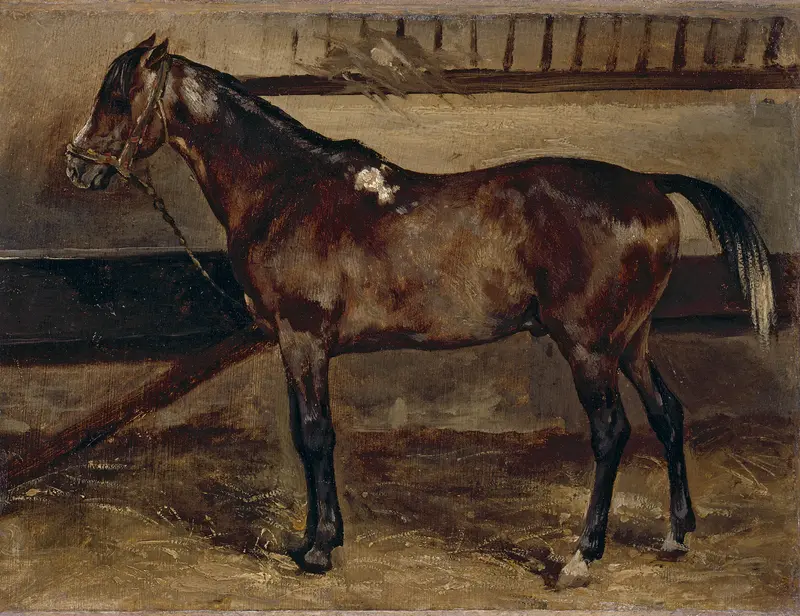
Cheval brun à l'écurie
Théodore Géricault





