
Head of an elderly man — History & Facts
A shaft of warm light falls across the face of the elderly man, catching the furrows of his brow and the wiry threads of his beard. The artist, Abraham Bloemaert, has chosen a moment of quiet reflection, the sitter’s gaze lifted and unfocused, as if searching for memory or meaning just beyond the edge of the canvas. The man’s weathered features are rendered with a tenderness that invites the viewer to linger: each wrinkle and sunken cheekbone is a record of a life lived.
The deep red of his garment, roughly textured and loosely draped, adds a sense of dignity and gravity, while the darkness that envelops the background pushes the illuminated face forward, demanding attention. Works like Head of an elderly man, dated 1647 and now housed in the Centraal Museum, are rooted in the Dutch Golden Age’s fascination with character studies and the honest depiction of age. In this era, artists often painted “tronies”—studies of expressive faces—both as exercises in capturing human emotion and as independent artworks prized by collectors. Bloemaert, active in Utrecht and renowned as a teacher, was known for his versatility and his ability to infuse even the humblest subject with a sense of presence.
The anonymity of the sitter is part of the painting’s power: history has kept few traces of who he was, but the artist’s eye for humanity ensures he is not forgotten. Stand before this work and ask yourself what stories these eyes have seen.
More Artworks by Abraham Bloemaert

Adam and Eve
Abraham Bloemaert
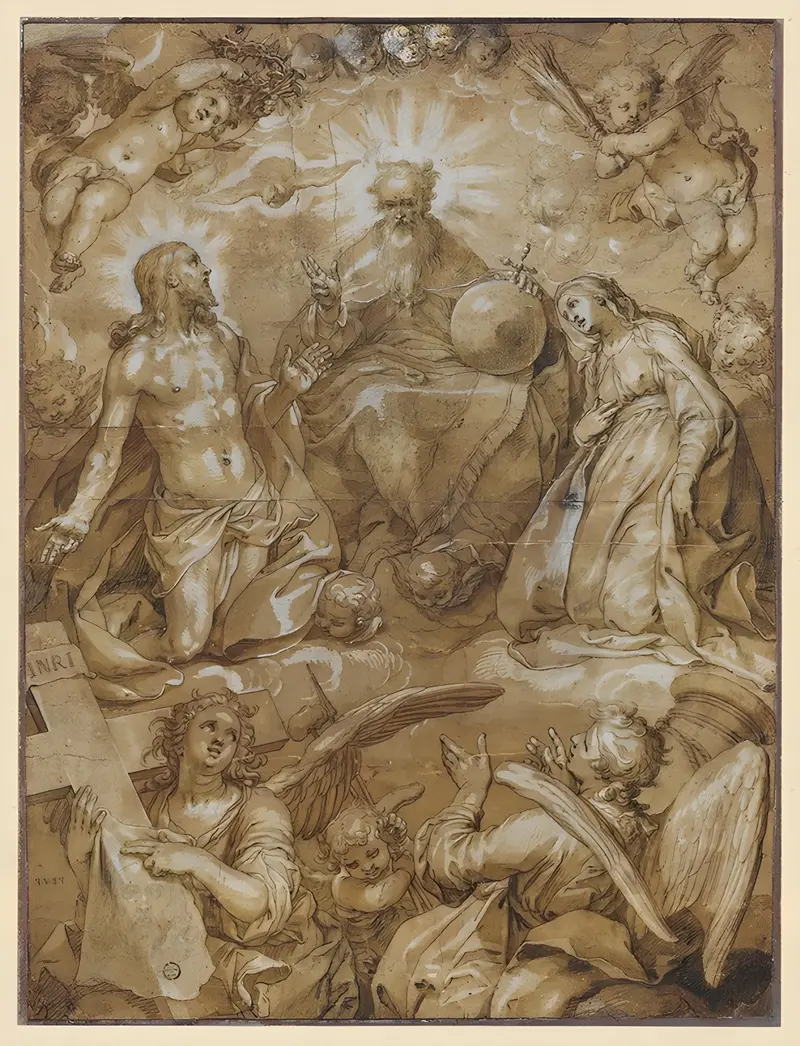
Intercession of Christ and Mary before God the Father
Abraham Bloemaert
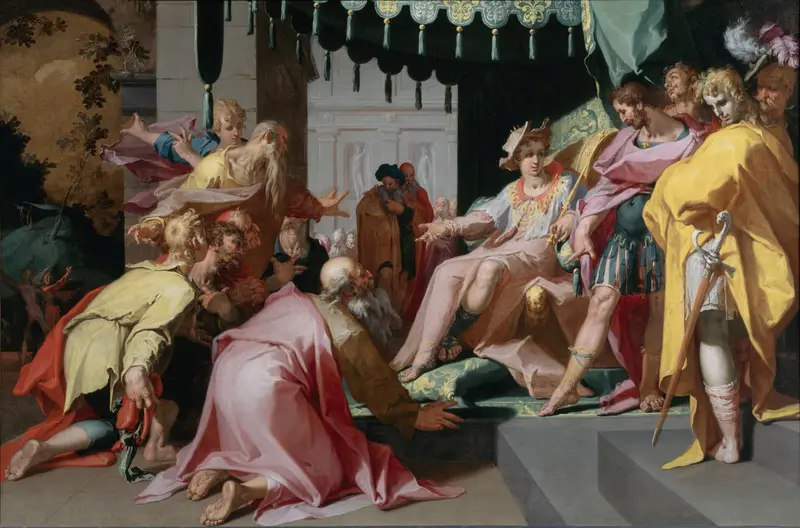
Joseph and his Brothers
Abraham Bloemaert
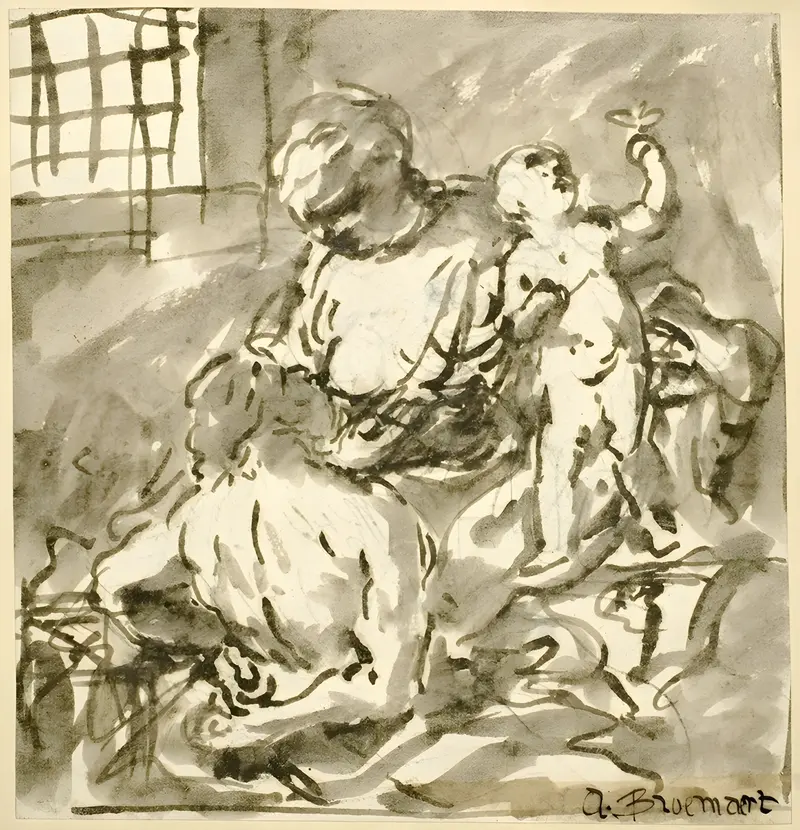
Caritas Romana
Abraham Bloemaert
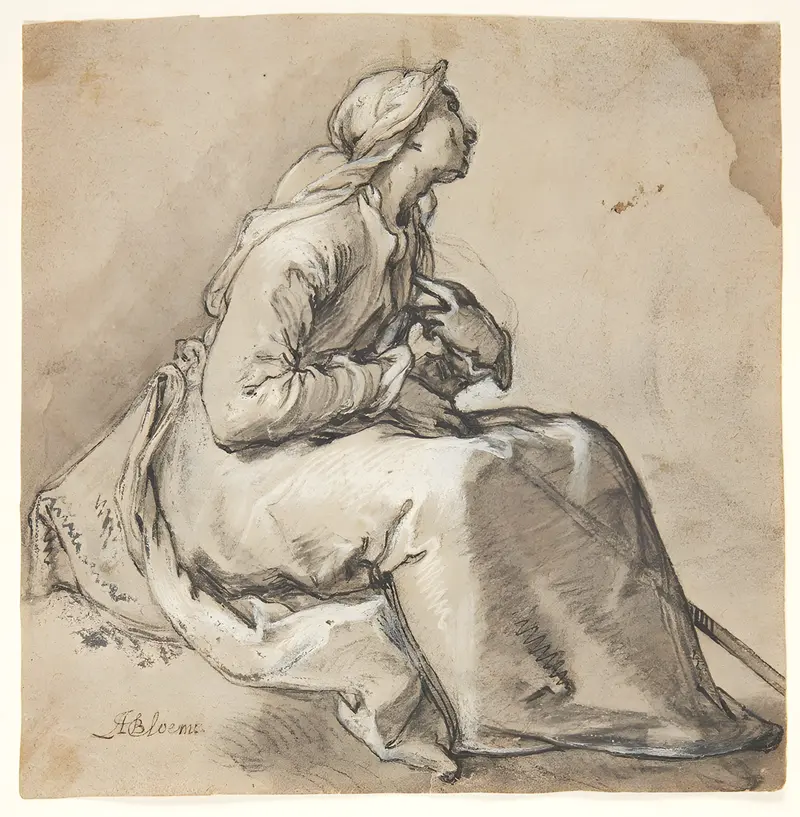
A seated woman facing right
Abraham Bloemaert
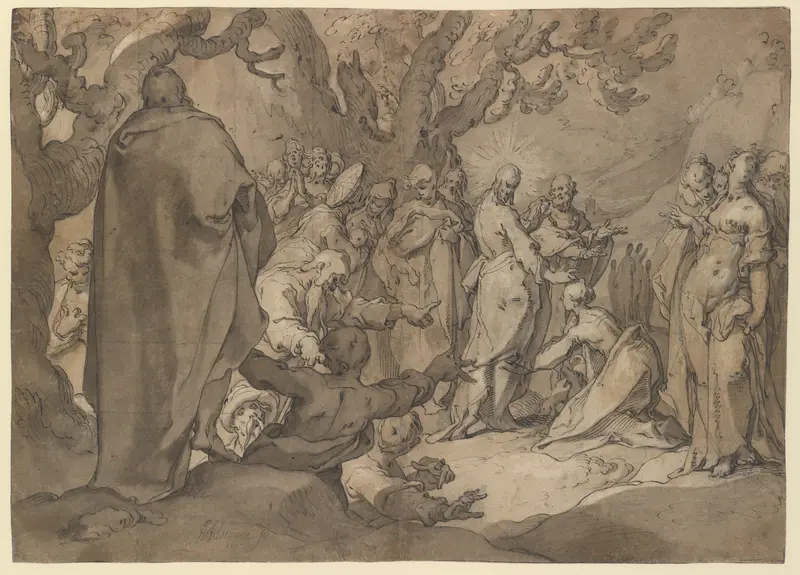
Christ and the Canaanite Women
Abraham Bloemaert
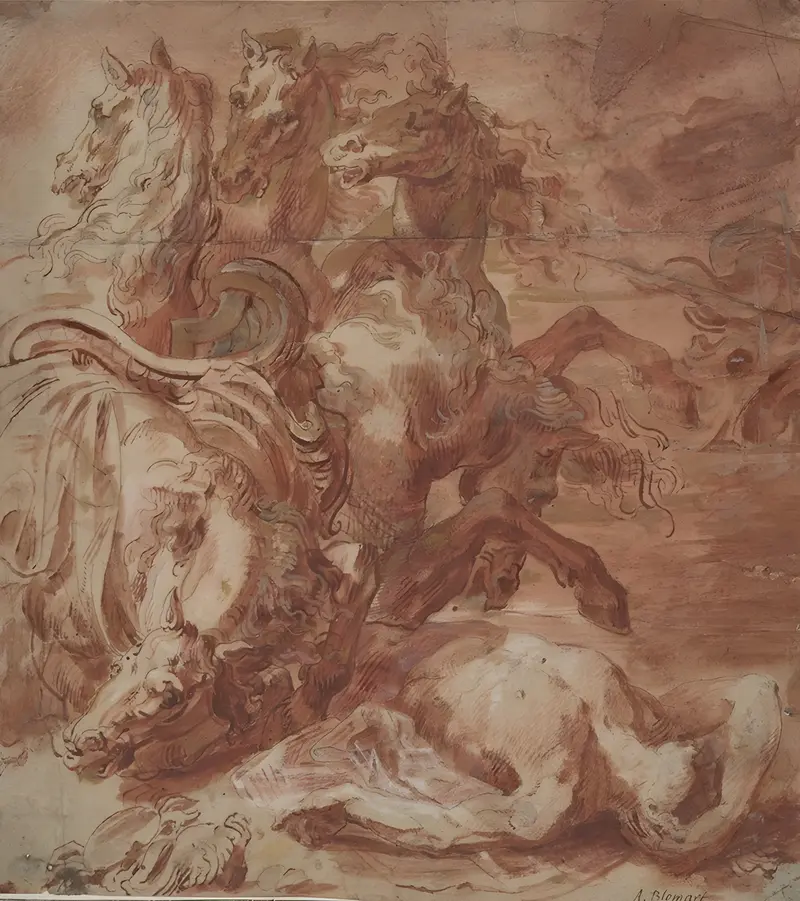
Hippolytus
Abraham Bloemaert
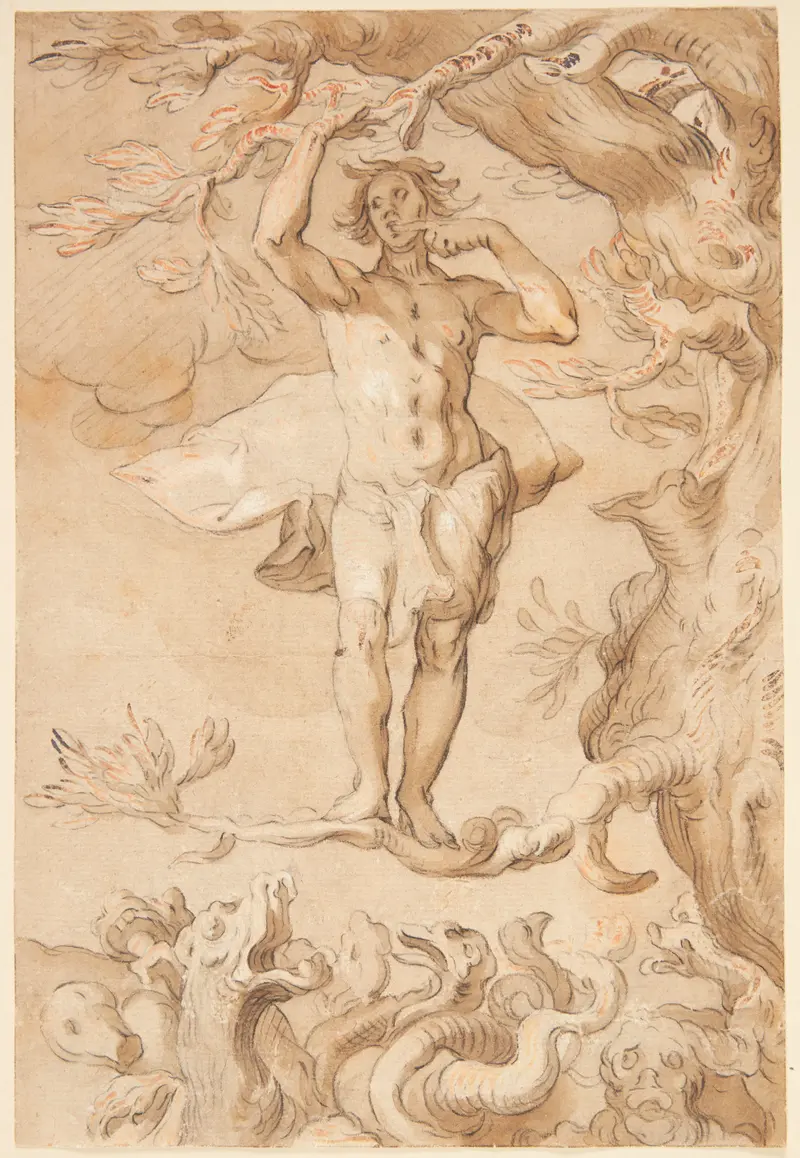
Den menneskelige glædes skrøbelighed En mand, der jages af en drage, klynger sig til en gren, mens han slikker honning af sin finger
Abraham Bloemaert

Moses Striking the Rock
Abraham Bloemaert
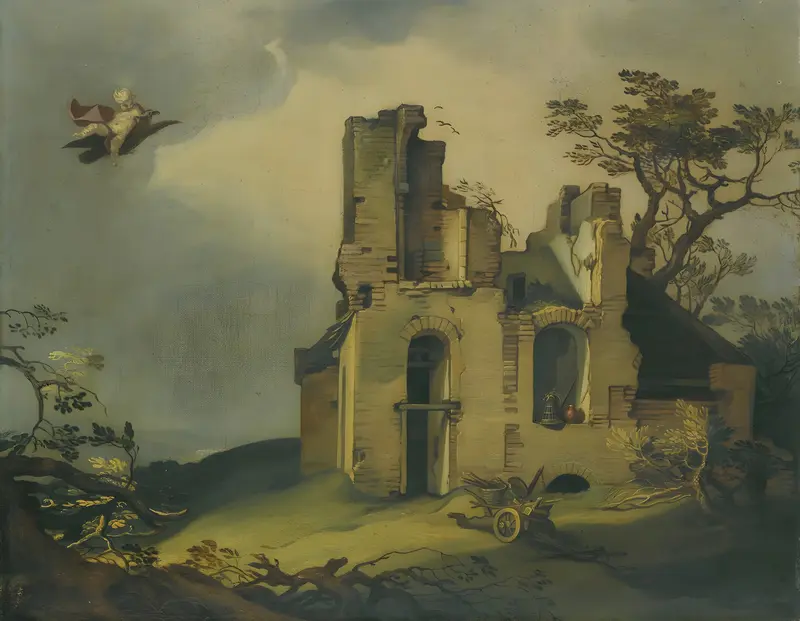
A Landscape With Ruins, With The Rape Of Ganymede
Abraham Bloemaert





