
Head of an Old Man — History & Facts
No one knows for certain whether Head of an Old Man by Abraham Bloemaert was intended as a finished portrait or as a study for a larger composition, and this ambiguity has long intrigued art historians. Bloemaert, a leading figure of the Dutch Mannerist movement, was renowned for his ability to capture character and emotion in the faces of his sitters. Some believe this work was created as a tronie—a type of character study popular in the Netherlands during the early 17th century, prized for its exploration of expression rather than likeness.
Others suggest it may have been a preparatory study for a biblical or mythological scene, as Bloemaert often reused such faces in his grander narratives. The lack of date and clear provenance only deepens the mystery. The old man’s face is rendered with remarkable sensitivity: deeply furrowed brow, sunken cheeks, and a gaze that seems both weary and wise. Bloemaert’s use of light—falling from above and to the left—highlights the textures of age, from the silvery hair to the weathered skin.
Unlike Rembrandt’s tronies, which often bathe their subjects in dramatic shadow, Bloemaert’s approach is gentler, inviting the viewer to linger on the humanity of his model. The sitter’s slightly parted lips and attentive eyes suggest a moment of reflection or conversation, as if caught mid-thought. There are no distracting attributes or background details; all attention is drawn to the face, making it a study in character rather than narrative. The precise origins of Head of an Old Man remain uncertain; no commission or patron is recorded, and its early history is undocumented.
Works like this were often kept in the artist’s studio, serving as references for future paintings or as demonstrations of skill to prospective clients and students. Bloemaert’s reputation as a teacher—his pupils included Gerrit van Honthorst and Jan Both—means such studies were highly valued in their own right. Today, the painting is celebrated as an example of Bloemaert’s keen observation and technical command, and it continues to circulate in museum collections and exhibitions as a testament to the enduring appeal of the human face.
More Artworks by Abraham Bloemaert

Adam and Eve
Abraham Bloemaert
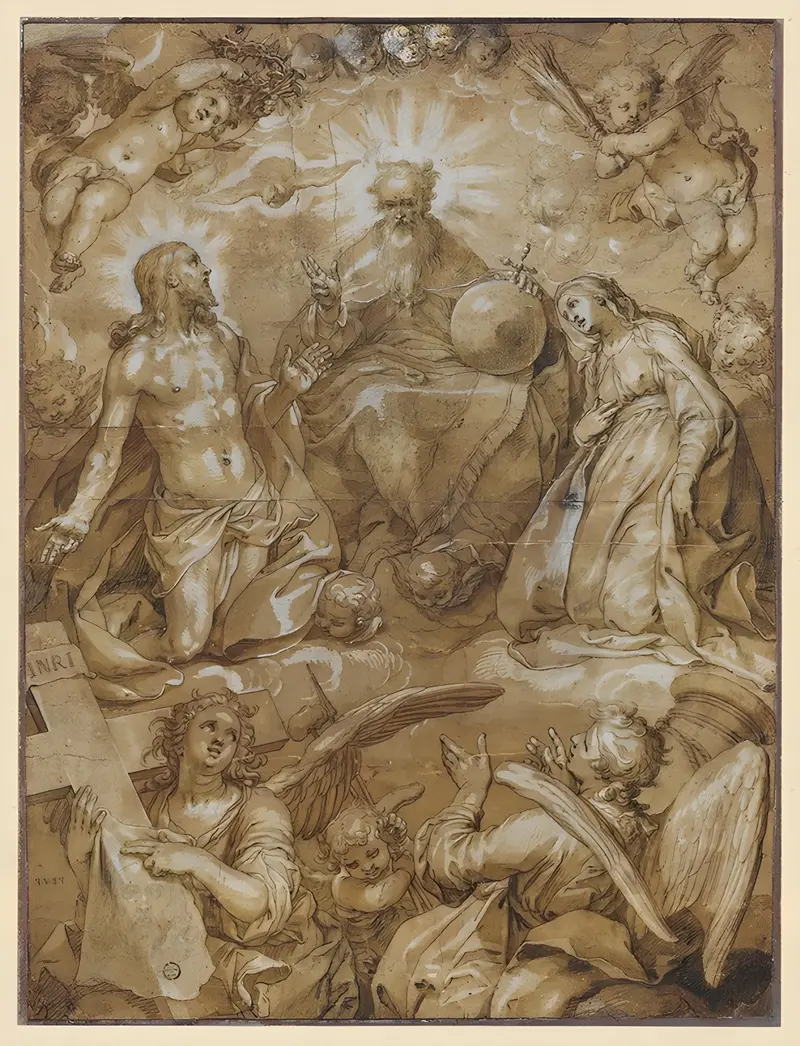
Intercession of Christ and Mary before God the Father
Abraham Bloemaert
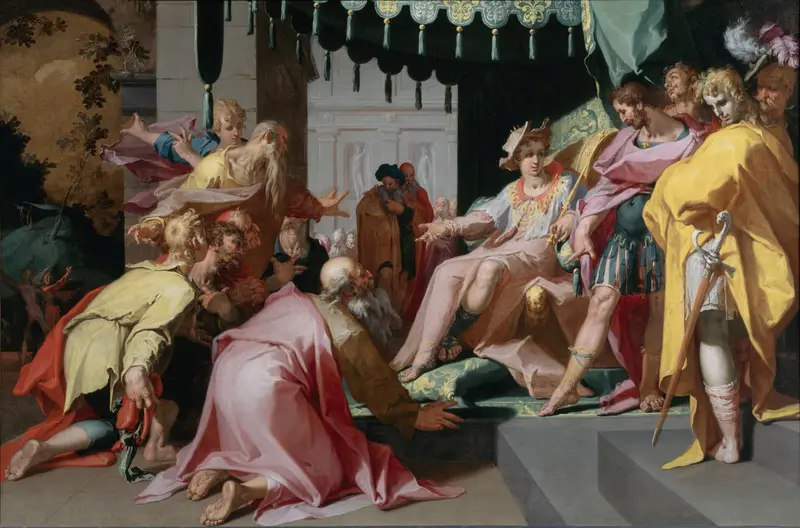
Joseph and his Brothers
Abraham Bloemaert
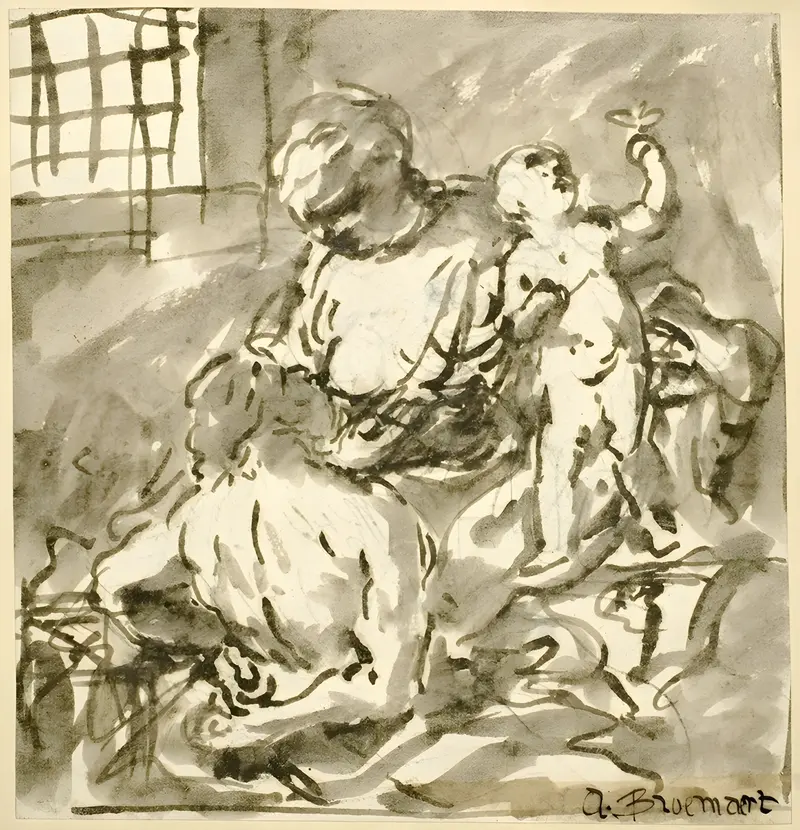
Caritas Romana
Abraham Bloemaert
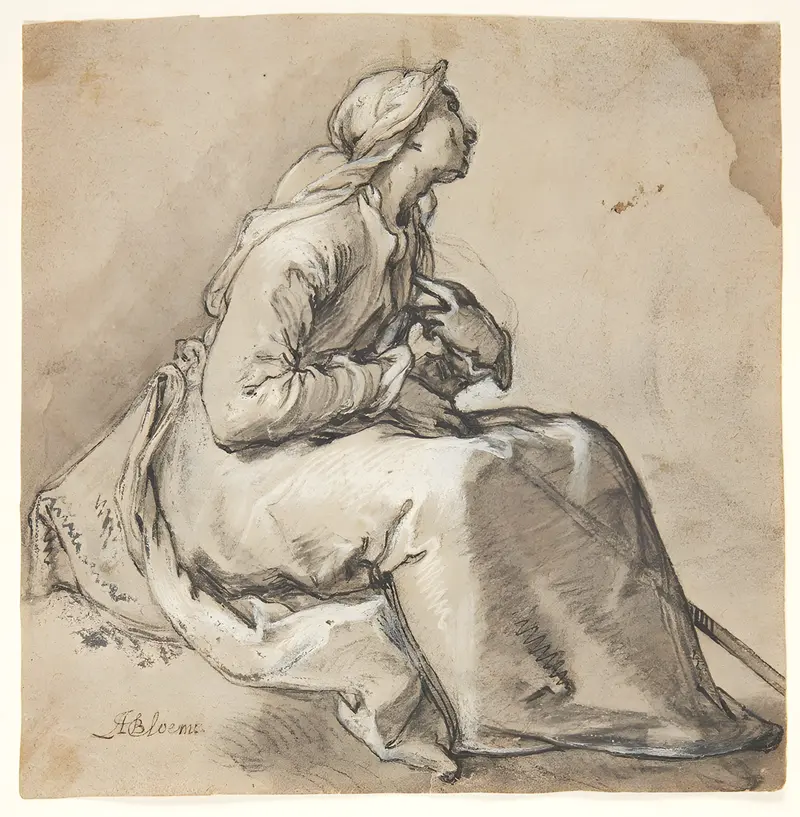
A seated woman facing right
Abraham Bloemaert
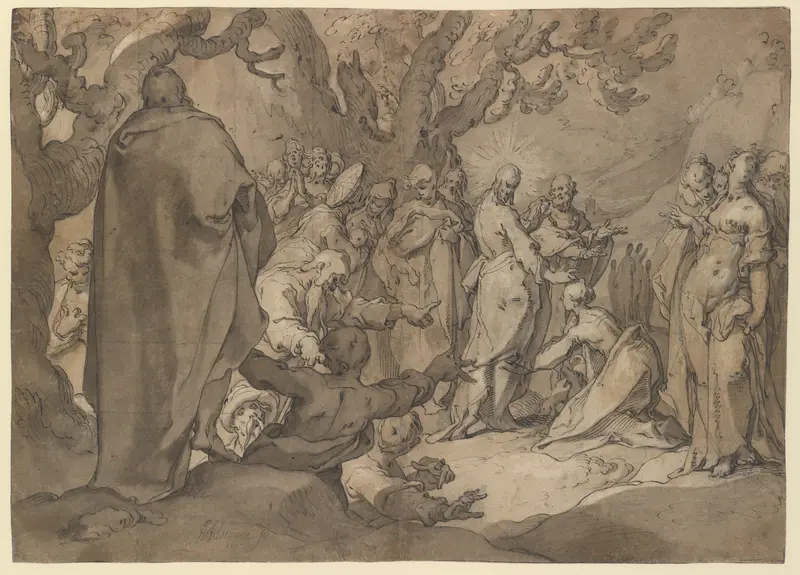
Christ and the Canaanite Women
Abraham Bloemaert
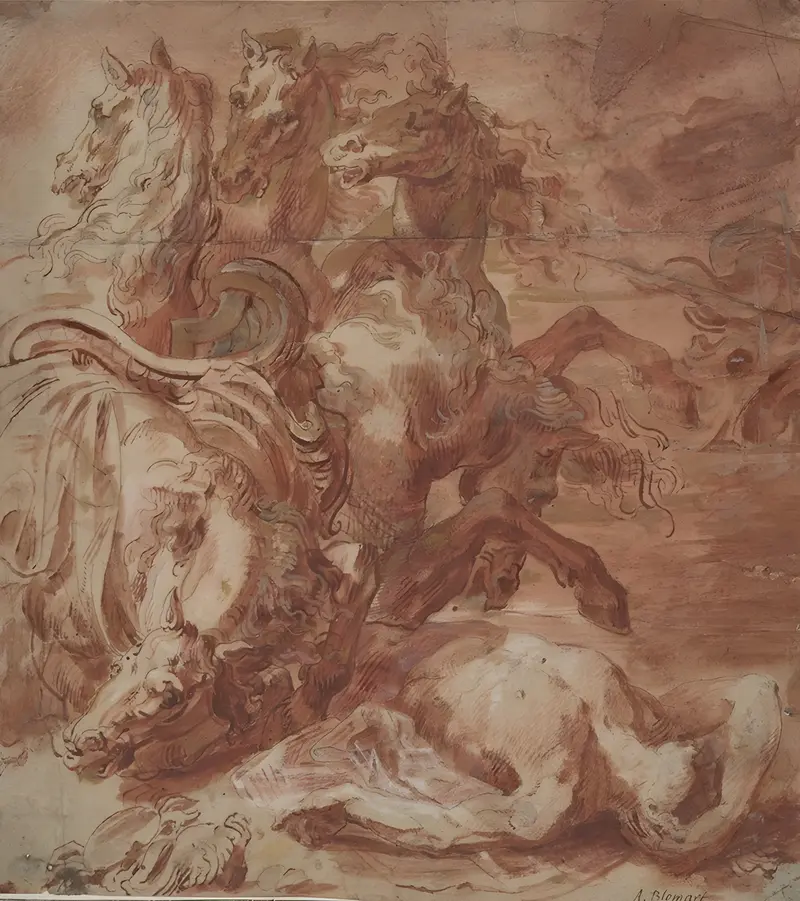
Hippolytus
Abraham Bloemaert
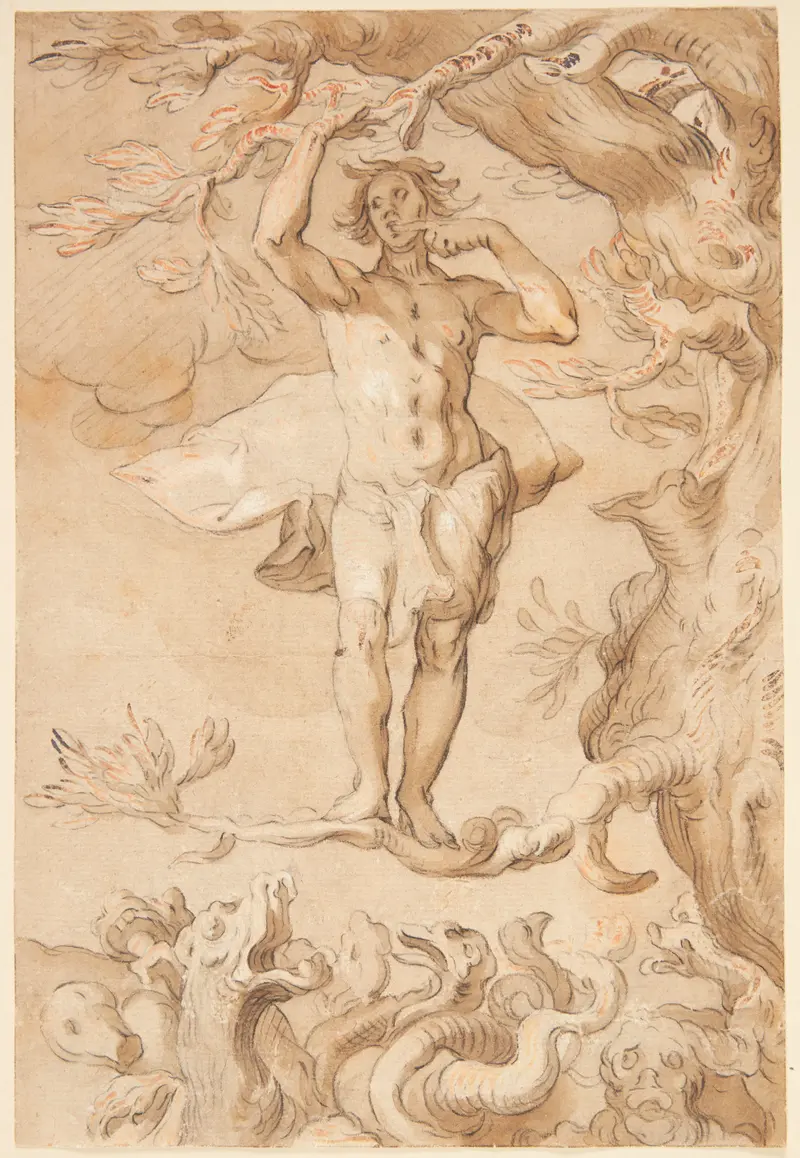
Den menneskelige glædes skrøbelighed En mand, der jages af en drage, klynger sig til en gren, mens han slikker honning af sin finger
Abraham Bloemaert

Moses Striking the Rock
Abraham Bloemaert
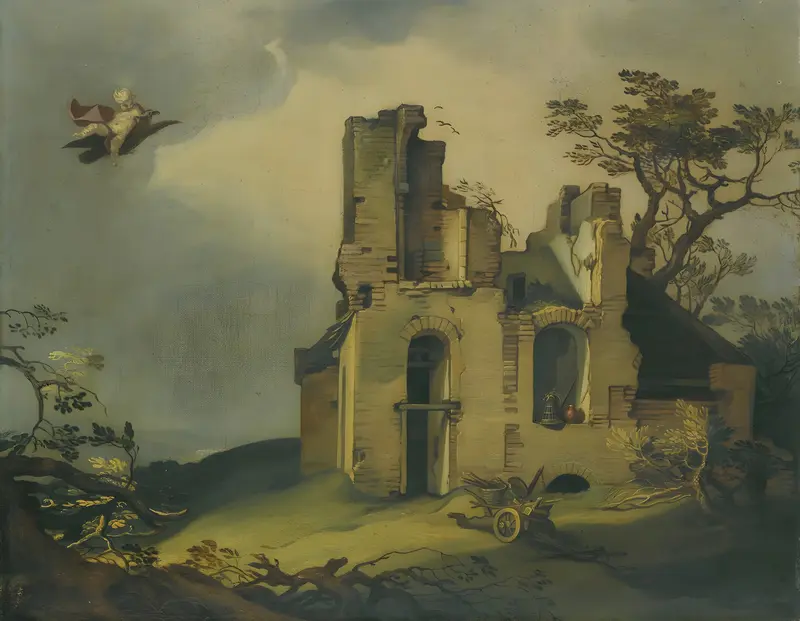
A Landscape With Ruins, With The Rape Of Ganymede
Abraham Bloemaert





