
Head of man, open-mouthed and wide-eyed — History & Facts
Few works by François Gérard have provoked as much speculation as Head of man, open-mouthed and wide-eyed. The sitter’s identity remains unknown, and the absence of a date or commission has fueled debate among art historians about its origin and purpose. Some suggest it may be a study for a larger historical scene, while others see it as an exercise in capturing raw human emotion, a rarity among Gérard’s more formal portraits.
The painting’s striking immediacy sets it apart from the artist’s celebrated images of Napoleonic dignitaries and court ladies. At the heart of this work is a moment of pure, unfiltered reaction. The man’s mouth gapes, his eyes are wide, and his brow is furrowed in a mixture of shock and alarm. Gérard’s attention to the tension in the jaw and the glint of moisture in the eyes suggests a fleeting instant—perhaps a cry, a gasp, or the first moment of recognition.
The stark lighting carves the features out of darkness, heightening the sense of drama and vulnerability. This approach recalls Charles Le Brun’s studies of facial expressions, but Gérard’s treatment is less formulaic, more spontaneous, as if the sitter’s emotion erupted before the artist could smooth it into classical restraint. The origins and journey of Head of man, open-mouthed and wide-eyed are largely undocumented, and its medium remains uncertain, though its painterly handling suggests oil on canvas. Without a clear provenance, the painting stands as a rare glimpse into Gérard’s process, possibly intended for private study rather than public display.
Today, it invites viewers to reconsider the boundaries between finished portrait and preparatory sketch, and between public image and private feeling, within the oeuvre of one of the leading painters of the early nineteenth century.
More Artworks by François Gérard

Portrait of Emperor Napoleon I
François Gérard
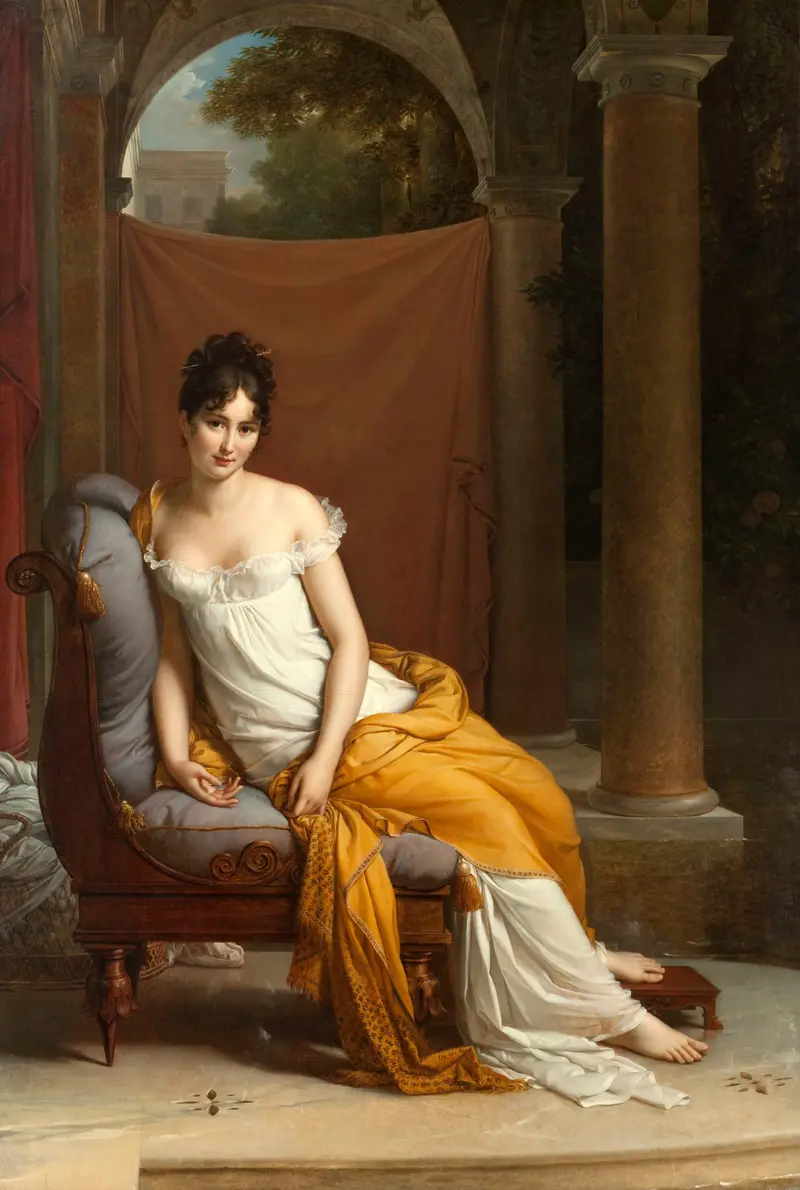
Portrait of Juliette Récamier, née Bernard
François Gérard
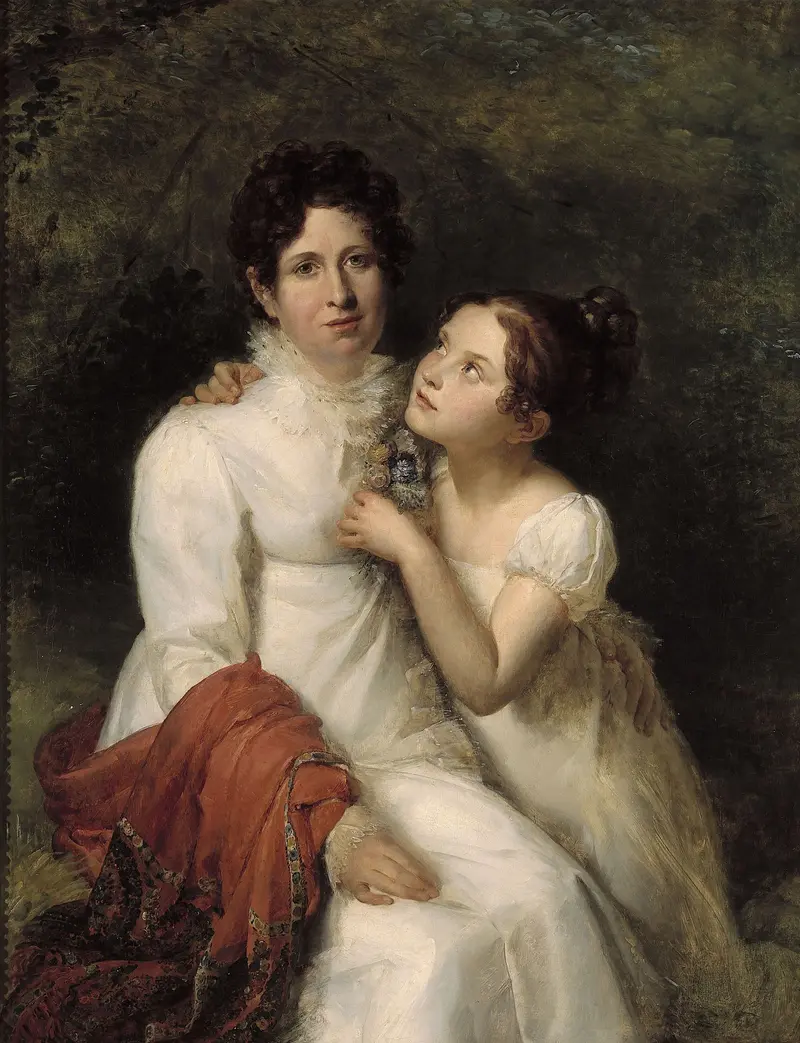
Portrait de Madame Bauquin Du Boulay et de sa nièce Mademoiselle Bauquin de La Souche
François Gérard
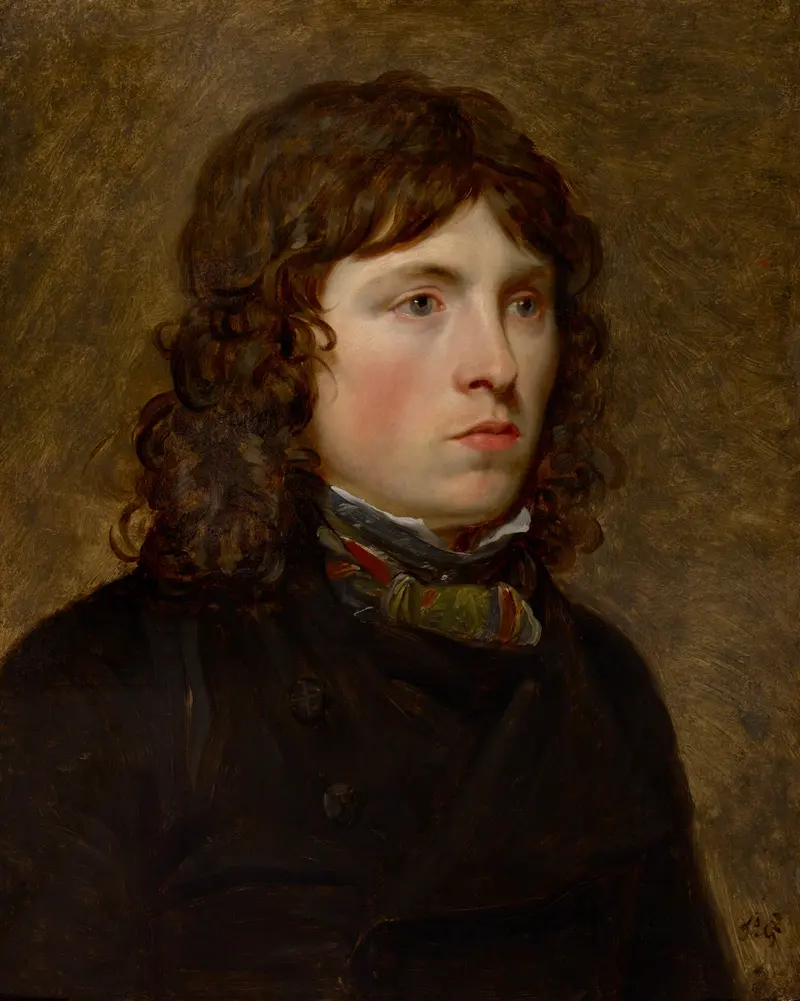
Portrait of G. F. Reverdin
François Gérard
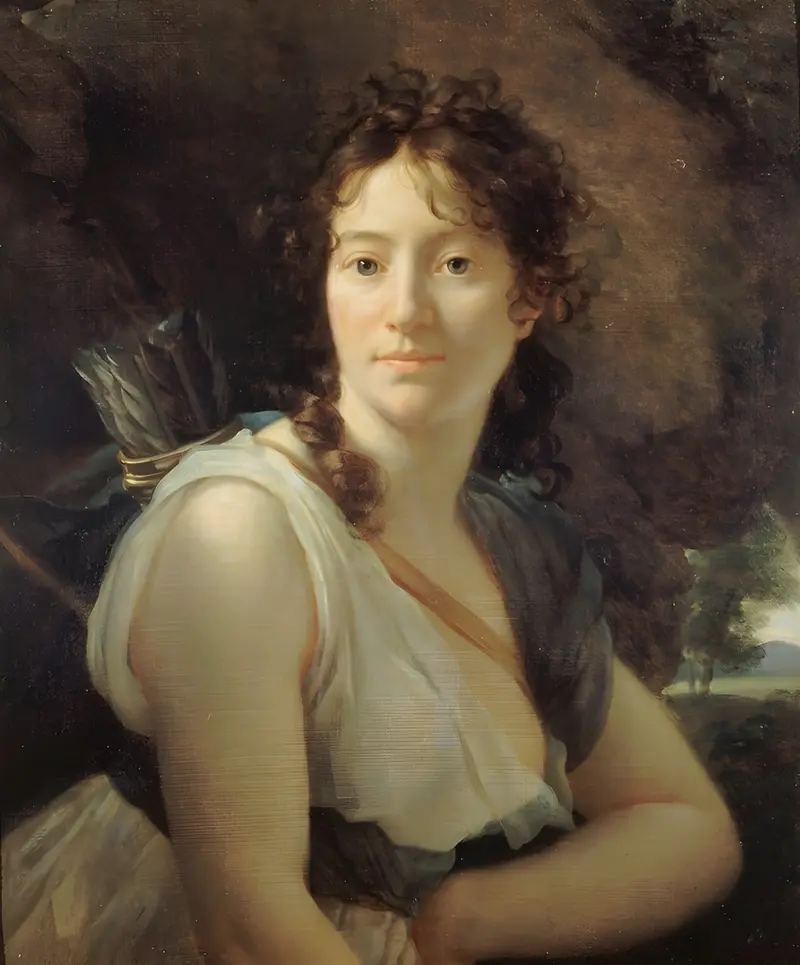
Portrait Of Mademoiselle Duchesnois (1777-1835), Member Of The Comédie-Française, In The Role Of Dido.
François Gérard
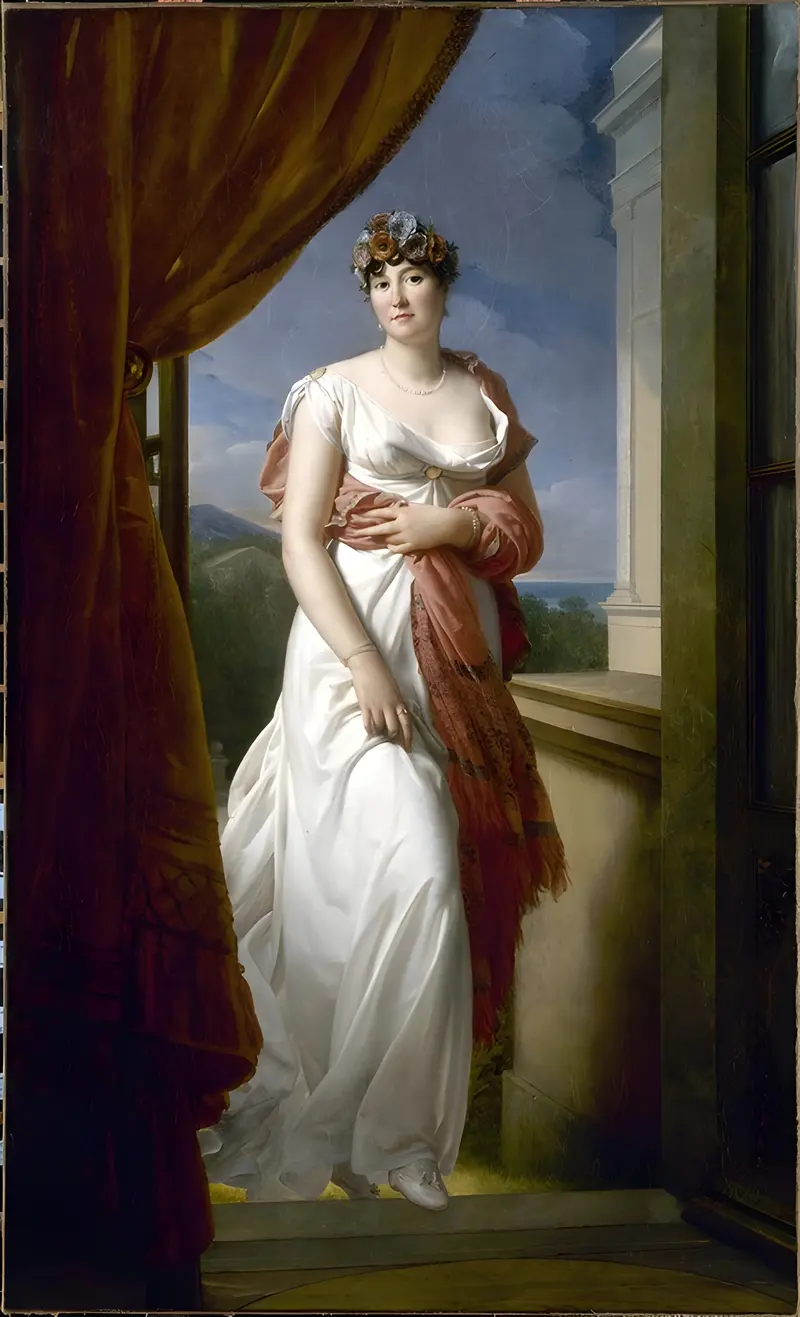
Portrait Of Theresia Cabarrus (1773-1835), Wife Tallien, Then Princess Of Caraman-Chimay
François Gérard
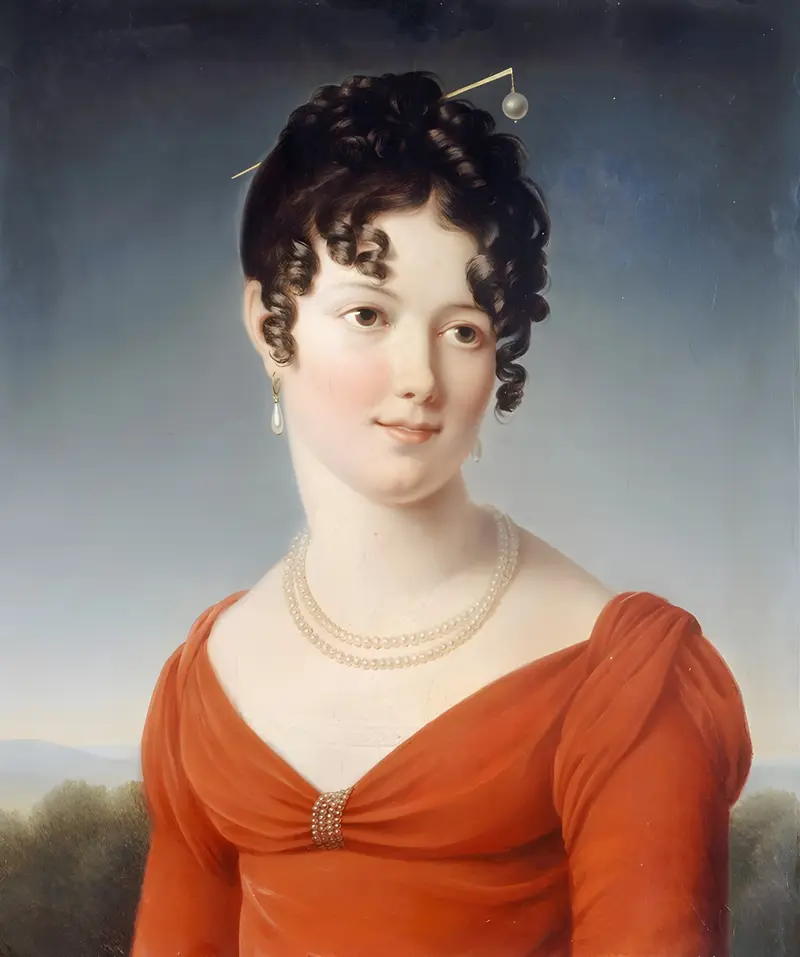
Bust Portrait Of Alexandrine-Anne De La Pallu, Marquise De Flers (1786-1832)
François Gérard
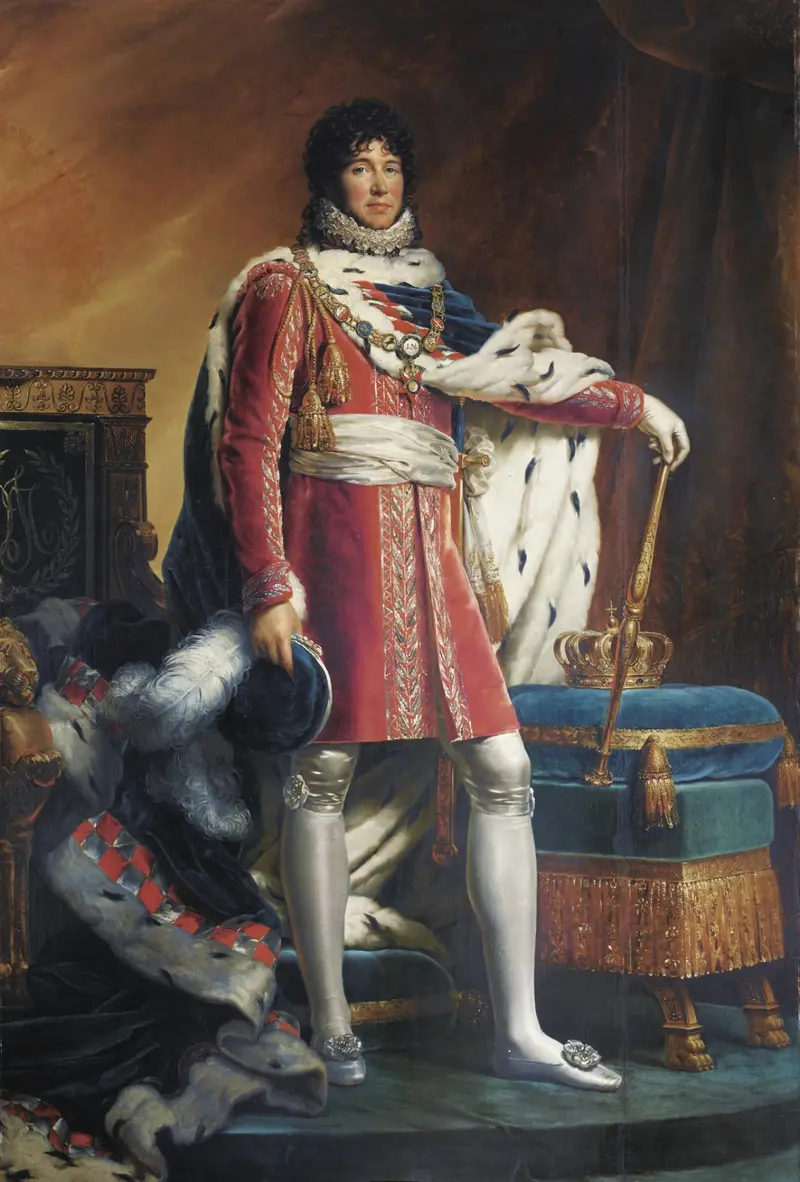
Portrait of Joachim Napoléon Murat, King of Naples and of the two Sicilies
François Gérard
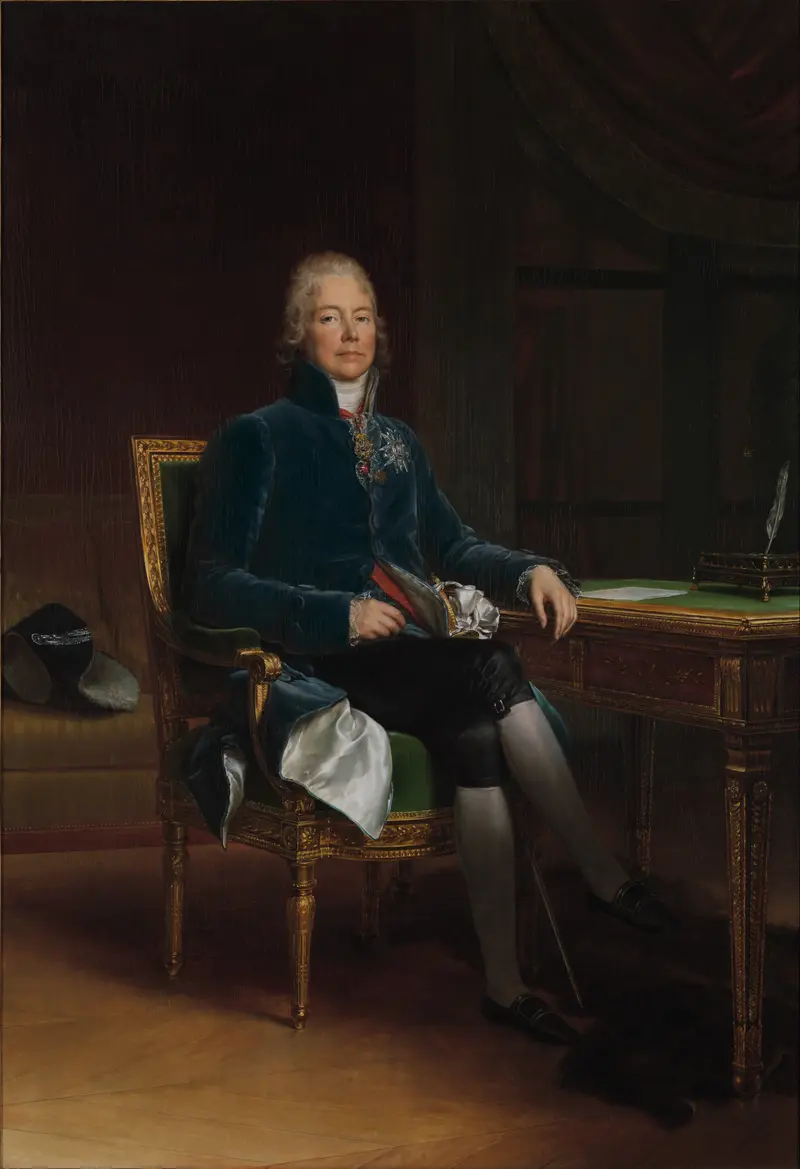
Charles Maurice de Talleyrand Périgord (1754–1838), Prince de Bénévent
François Gérard
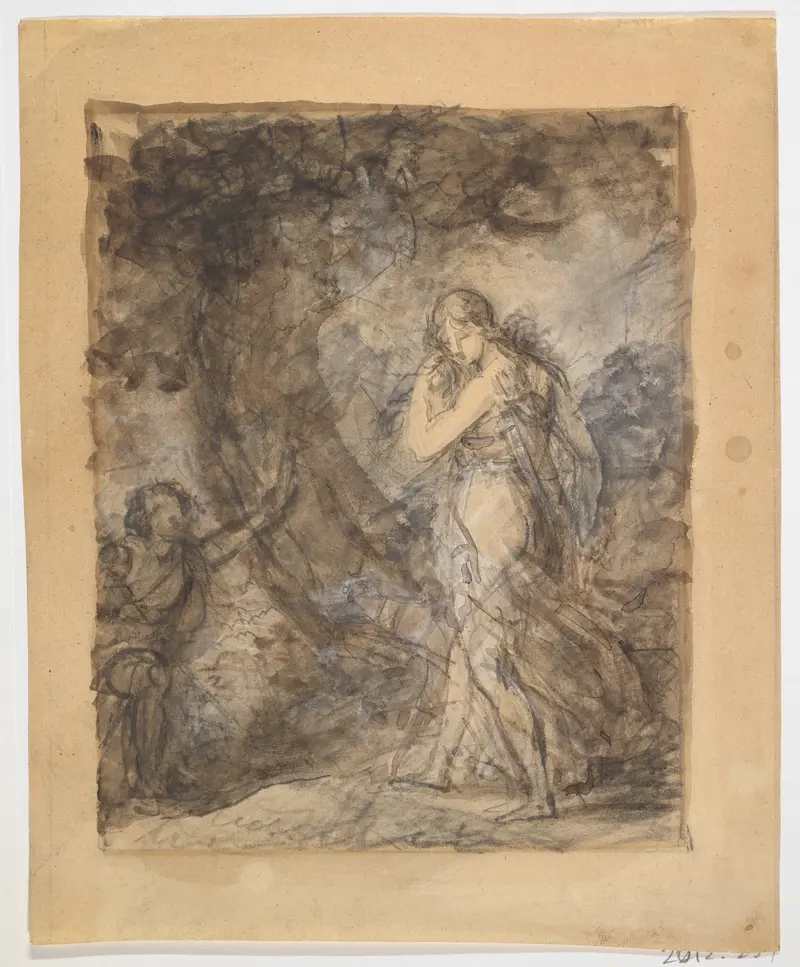
Daphnis Running toward Chloe
François Gérard





