
Heath Scene — History & Facts
Can paint confess what words never could? In Heath Scene, the canvas becomes a vessel of revelation, where nature’s quietude speaks to the soul, capturing a moment that transcends simple representation. Look to the left at the gentle undulation of the heath, vibrant greens and earthy browns weaving together in a tapestry of life. The light cascades softly, illuminating the distant horizon, while the brushstrokes evoke a sense of movement in the grass, hinting at the whispers of a breeze. The composition is balanced yet dynamic, with a tranquil sky overhead, inviting the viewer to breathe in the calmness that envelops the scene. Amidst the serene landscape lies an emotional tension — the contrast between the stillness of the land and the ephemeral nature of human existence.
Small figures dot the distance, their presence almost ethereal, suggesting a connection to the vastness of their surroundings. The painting conveys a sense of introspection, embodying the quiet struggles of the soul amidst the beauty of nature, where each stroke reveals a deeper longing for belonging and peace. David Cox painted Heath Scene between 1875 and 1880 during a period of personal and artistic reflection. Living in England, he witnessed the Romantic movement's waning influence, as artists began to embrace realism.
This transition informed his approach, merging detailed observation with emotional resonance, allowing the landscape to tell its own story of hope and contemplation.
More Artworks by David Cox
Browse all →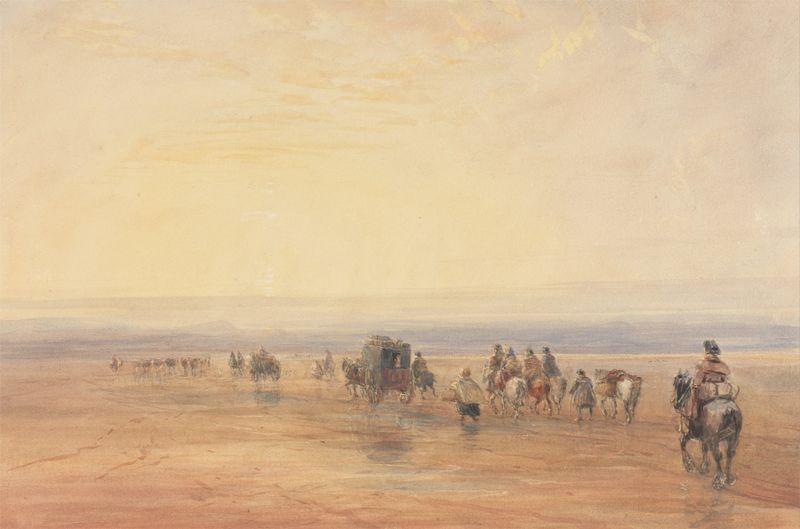
Crossing Lancaster Sands
David Cox
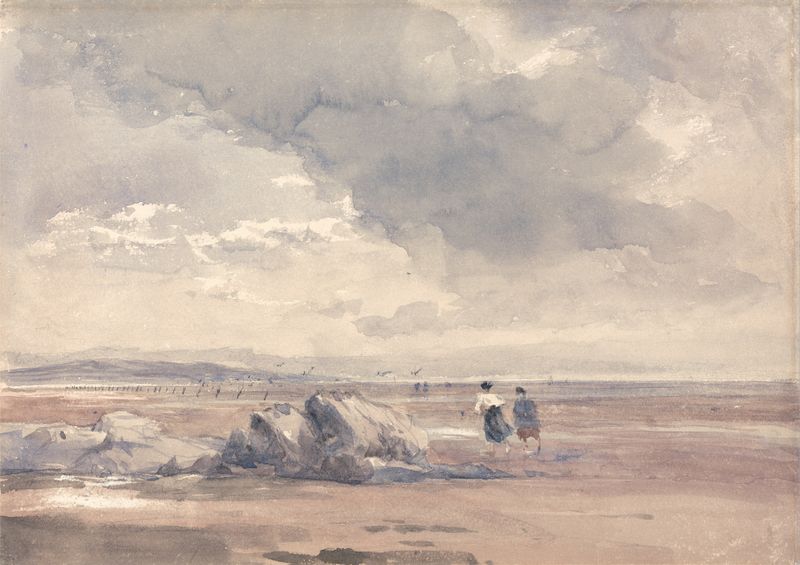
On Lancaster Sands, Low Tide
David Cox

Lincoln Cathedral from Brayford Pool
David Cox

View in Wales
David Cox
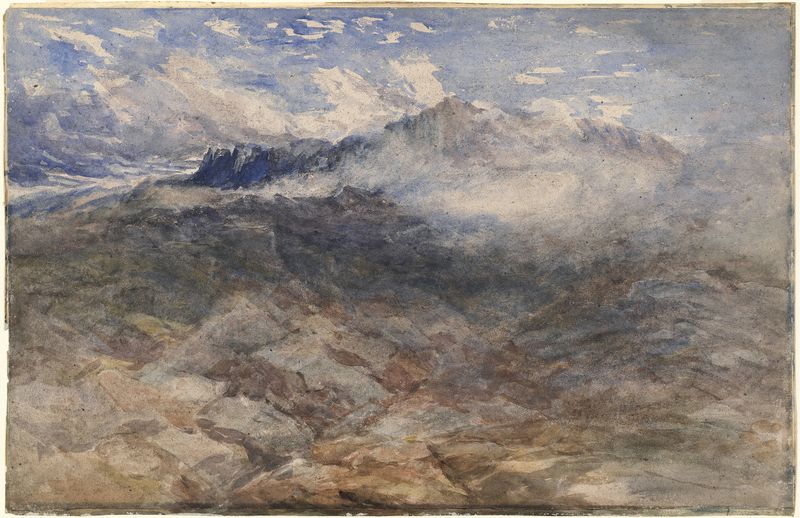
Mountain Heights, Cader Idris
David Cox

Bergen op Zoom
David Cox

Boating Before Lambeth Palace, London
David Cox
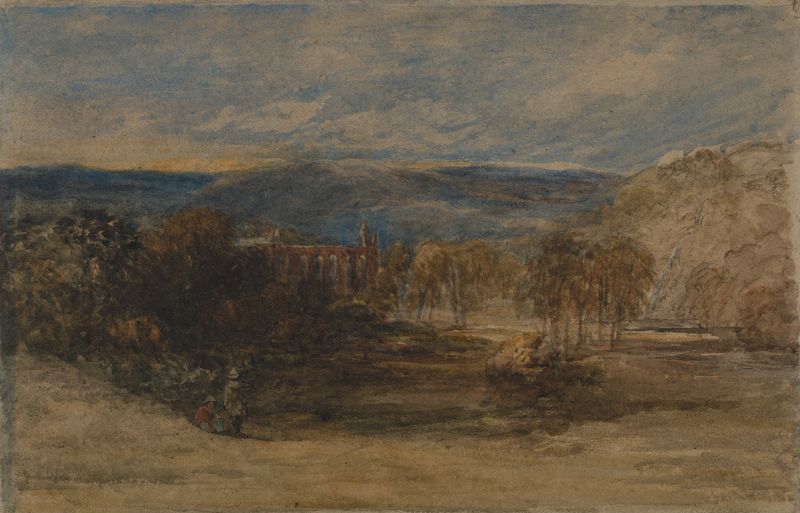
Bolton Abbey
David Cox

London Bridge
David Cox
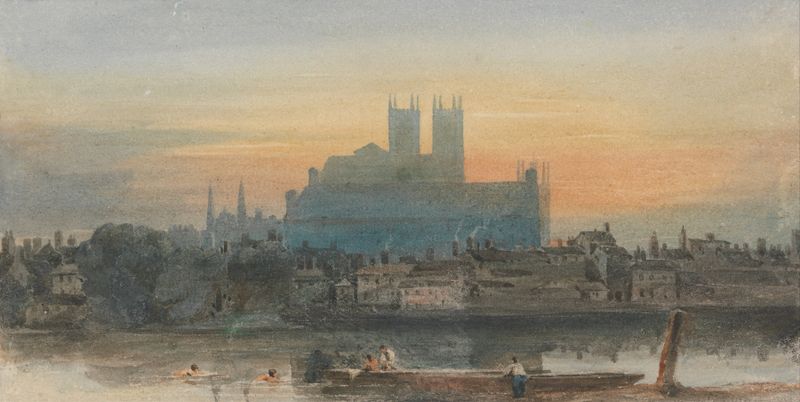
Westminster from Lambeth
David Cox





