
Herdsmen with Cow — History & Facts
What first draws the eye in Herdsmen with Cow is the vast, luminous sky—an expanse that seems to dwarf the human figures and their animals, bathing the entire landscape in a golden, tranquil light. Aelbert Cuyp chooses a moment of quiet pause: two herdsmen, one standing, one lounging on the ground, are caught in easy conversation while their cattle rest and graze. The cow at the center, painted with a gentle realism, becomes a kind of anchor for the scene, its gaze meeting the viewer’s as if to invite them into this world of slow rhythms and simple labors.
The broad, low horizon and the careful gradation of color from warm earth to cool blue sky draw the viewer’s attention across the landscape, suggesting both the dignity of rural life and the grandeur of nature itself. Painted in the second half of the seventeenth century, this work belongs to a period when Dutch artists like Cuyp were celebrated for their ability to transform the everyday into something quietly monumental. Scenes of herdsmen and livestock were popular among the prosperous merchants of the Dutch Republic, who sought reminders of the land’s bounty and the virtues of honest labor. While little is recorded about the specific history of this painting, now found in the Google Arts & Culture collection, its mood and composition speak to the tastes and ideals of its time.
The viewer is left with a sense of calm continuity—a world where the sun rises, the cattle graze, and life unfolds at the measured pace of the countryside.
More Artworks by Aelbert Cuyp

The Maas at Dordrecht
Aelbert Cuyp
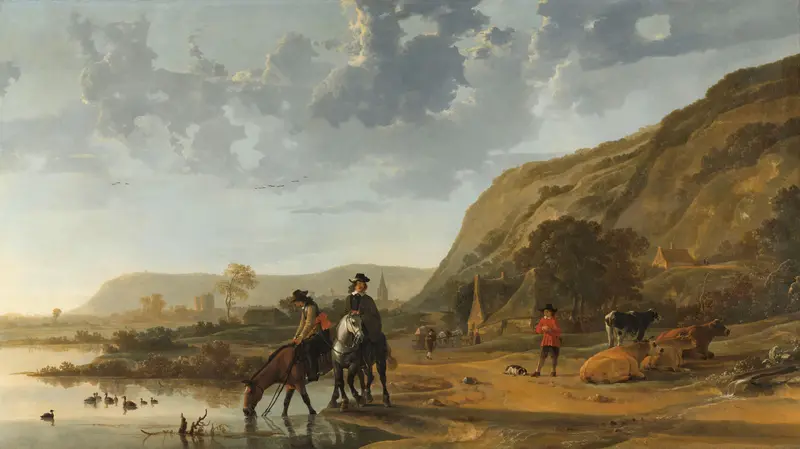
River Landscape with Riders
Aelbert Cuyp

The Maas at Dordrecht
Aelbert Cuyp
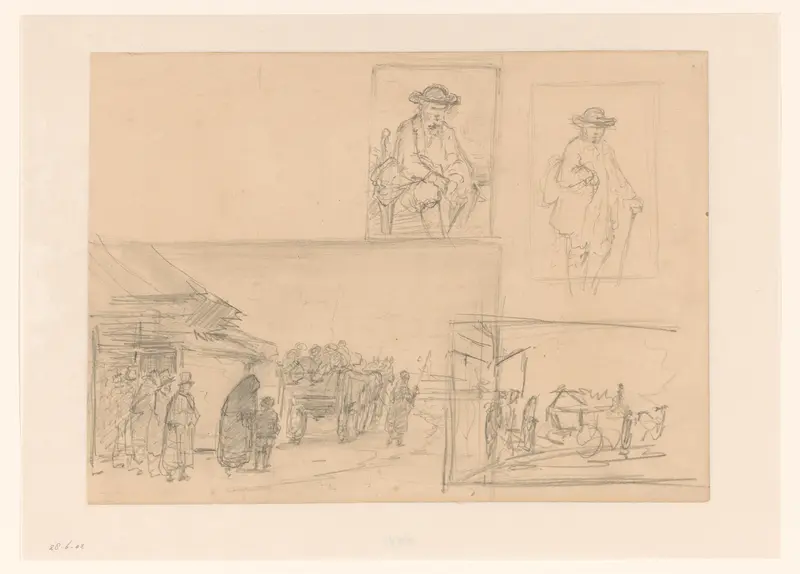
Gezicht op Dordrecht
Aelbert Cuyp
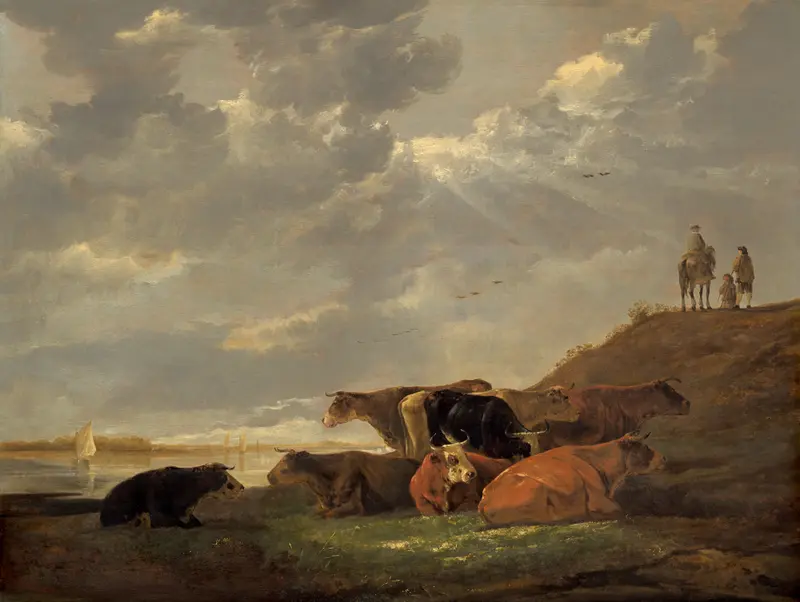
River Landscape with Cows
Aelbert Cuyp
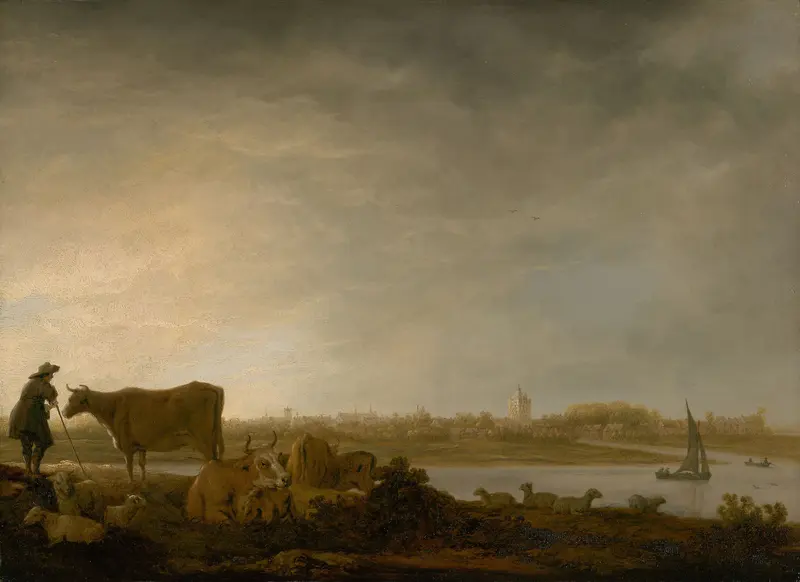
A View of Vianen with a Herdsman and Cattle by a River
Aelbert Cuyp
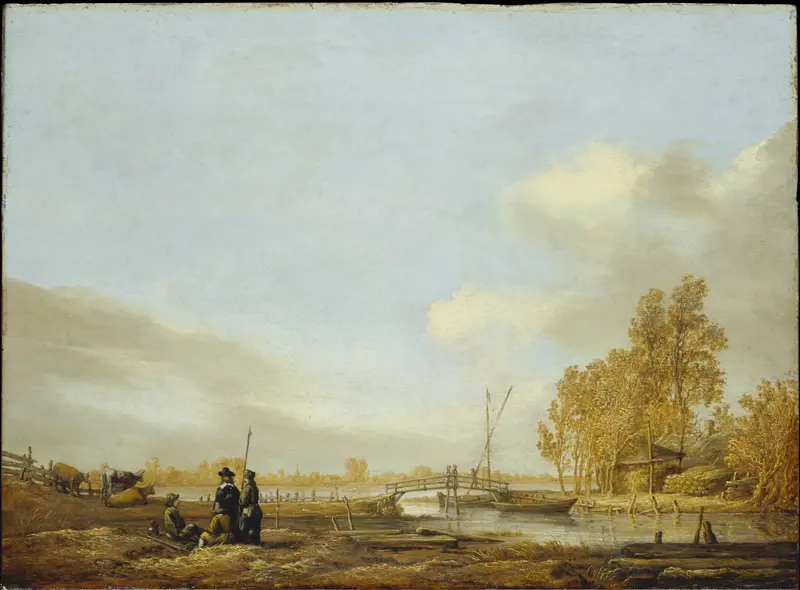
River Landscape with Footbridge
Aelbert Cuyp
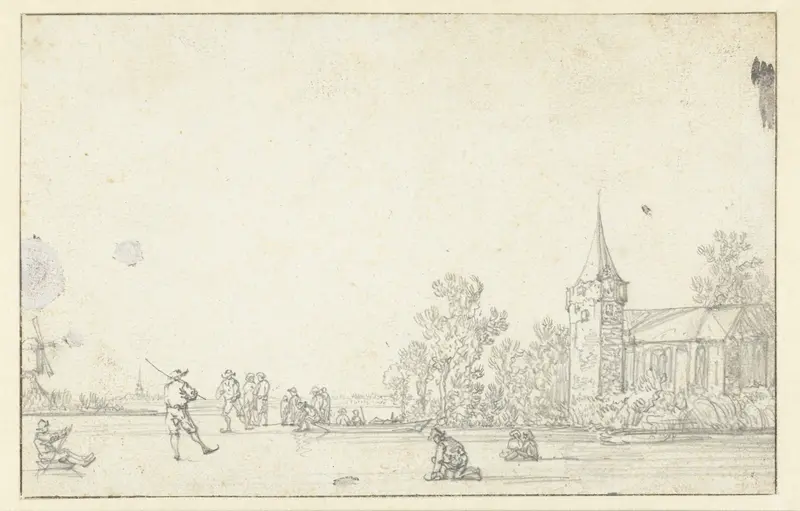
Bevroren rivier met schaatsers bij een kerk
Aelbert Cuyp

Cattle near a River
Aelbert Cuyp
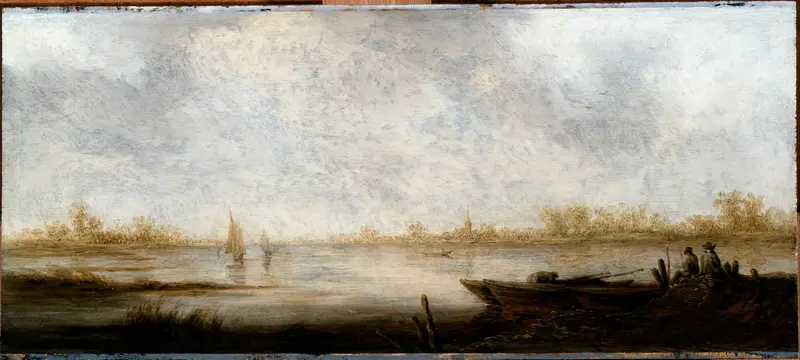
River Landscape
Aelbert Cuyp
More Landscape Art

The Starry Night
Vincent van Gogh

View of Delft
Johannes Vermeer

Water Lilies
Claude Monet

The Grand Canal, Venice, looking north-west from the Ca' Corner to the Ca' Contarini degli Scrigni, with the campanile of Santa Maria della Carità
Canaletto

Windsor Castle
Canaletto

The Grand Canal looking North-East from the Palazzo Dolfin-Manin to the Rialto Bridge
Canaletto