Herfst — History & Facts
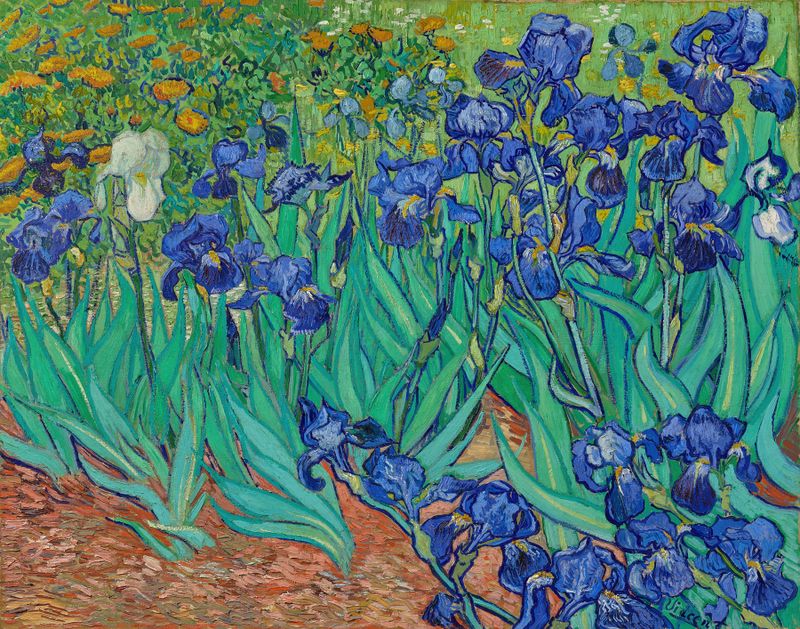
When did color learn to lie? The hues of autumn, enchanting yet fleeting, often mask the deeper truths hidden beneath their brilliant facades. In Herfst, Wenceslaus Hollar invites us to ponder the divine interplay between nature’s beauty and the impermanence of life. Look to the left at the vibrant palette of oranges and golds, each leaf a testament to the season's splendor. The meticulous detail captures the moment, inviting your gaze to trace the curling edges and delicate veins of the foliage.
Notice how the light dances across the surface, illuminating shades that seem to whisper secrets of change and decay. The composition beautifully balances warmth and melancholy, suggesting the coexistence of joy and sorrow inherent in nature’s cycle. Within this autumnal landscape lies a deeper tension, as each leaf’s brilliance contrasts with its inevitable fall. The golden light, almost ethereal, evokes a sense of divinity yet hints at transience; it beckons the viewer to reflect on the fragility of existence itself.
Hollar’s precise etching allows us to see beyond the surface, reminding us that beauty is often intertwined with ephemerality and loss. Created in 1629, Herfst emerged during a period of rich artistic exploration in Europe. Hollar, who found himself in the vibrant cultural milieu of Antwerp, was influenced by the flourishing Baroque movement. His life at this time was marked by a tumultuous political landscape and an enduring quest for artistic identity, as he sought to capture the sublime nuances of the natural world through his intricate engravings.
More Artworks by Wenceslaus Hollar
Browse all →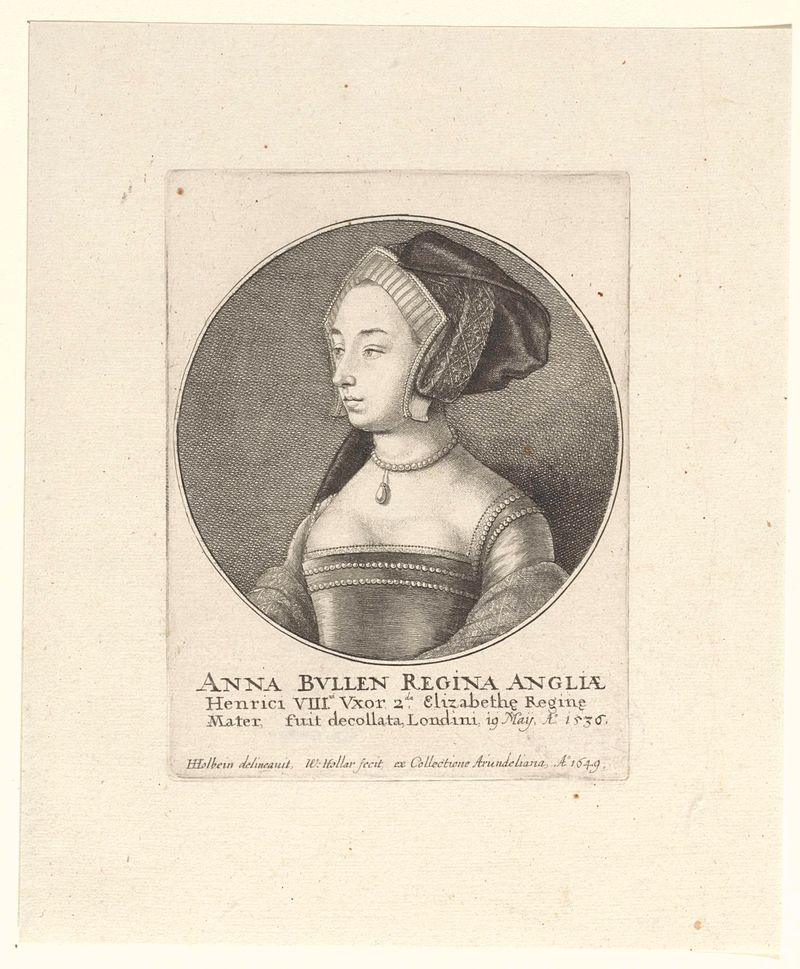
Portret van Anna Boleyn, koningin van Engeland
Wenceslaus Hollar
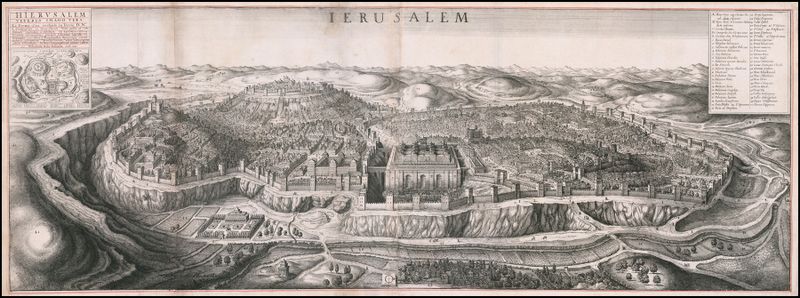
Bird’s eye view of Jerusalem
Wenceslaus Hollar
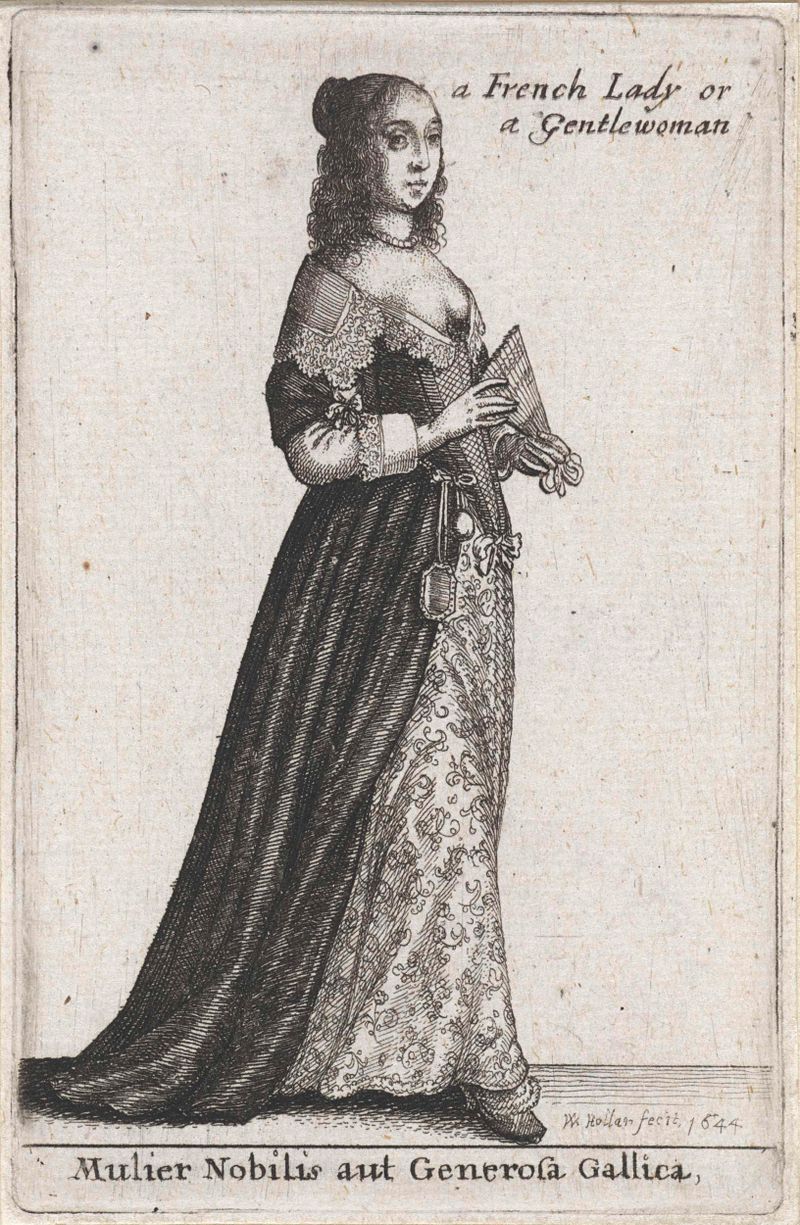
Mulier Nobilis aut Generosa Gallica / a French Lady or Gentlewoman
Wenceslaus Hollar
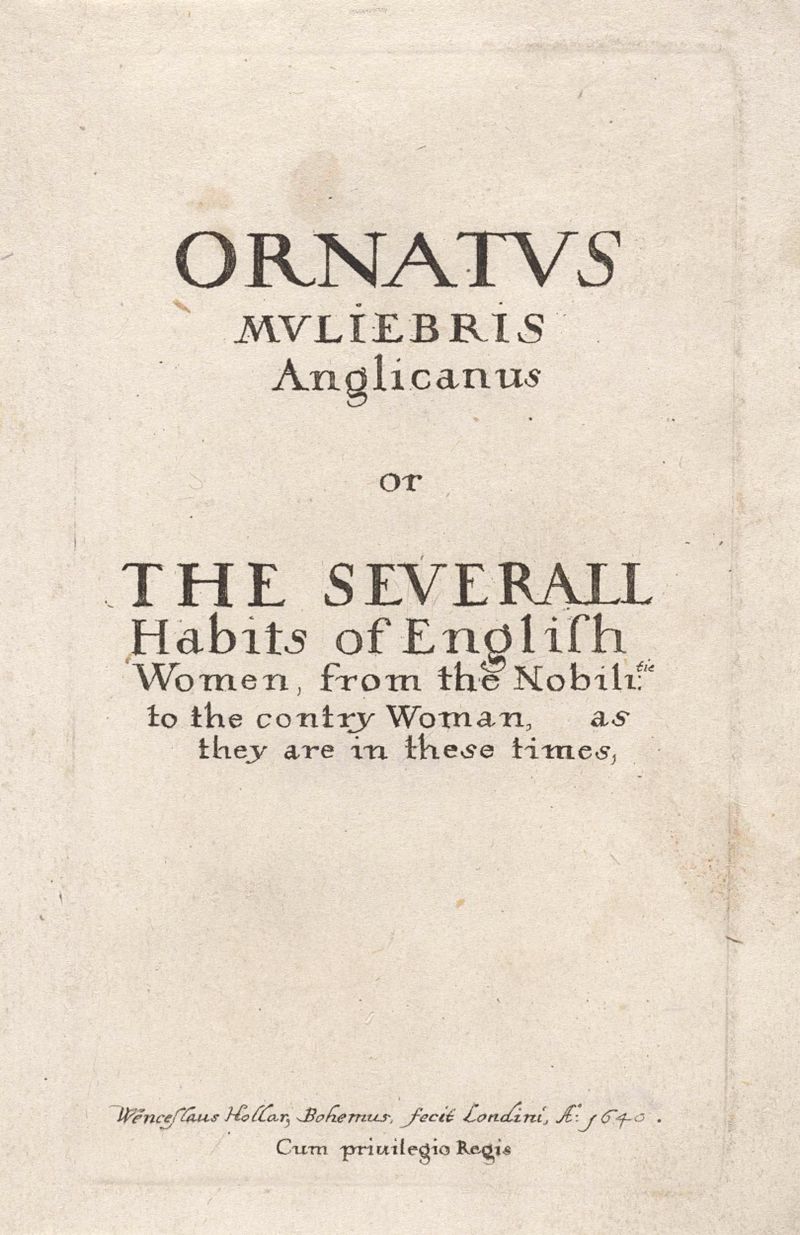
Titelprent voor: Ornatus Muliebris Anglicanus
Wenceslaus Hollar
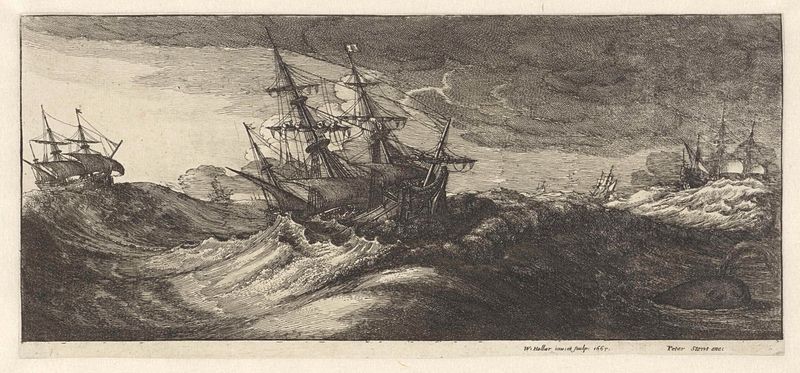
Oorlogsschepen en een walvis in een zeestorm
Wenceslaus Hollar
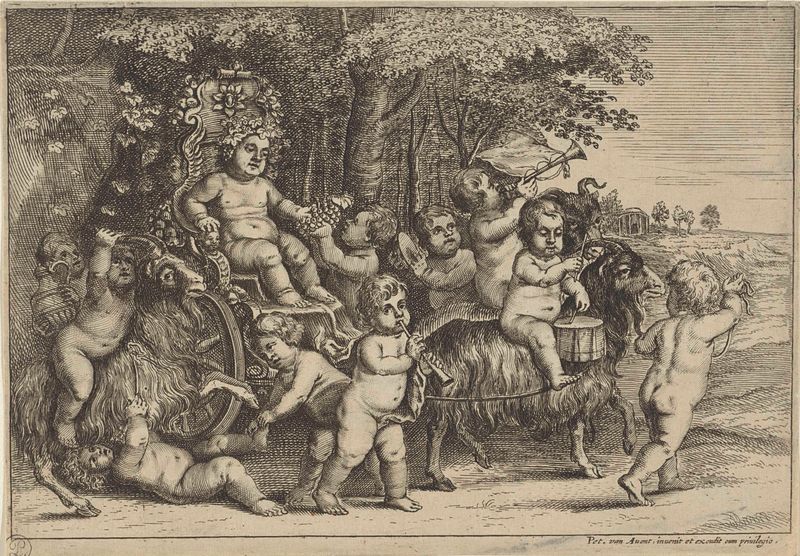
Optocht van bacchant en jongetjes op geiten
Wenceslaus Hollar
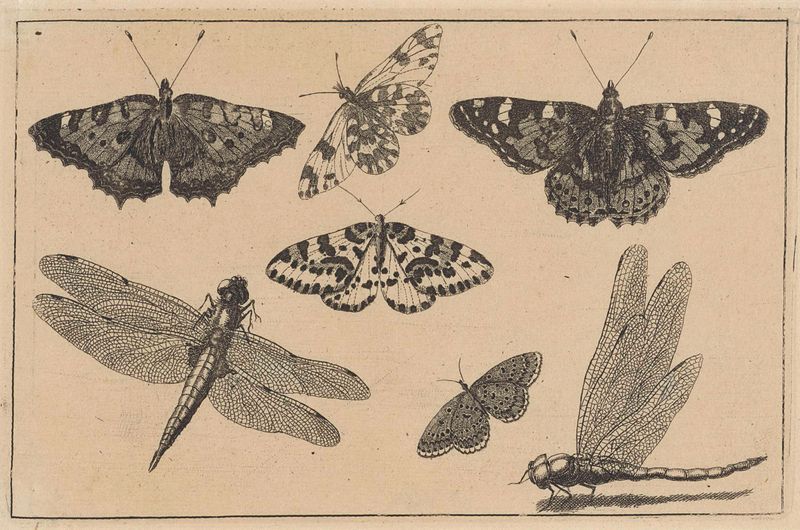
Twee libellen en vijf vlinders
Wenceslaus Hollar
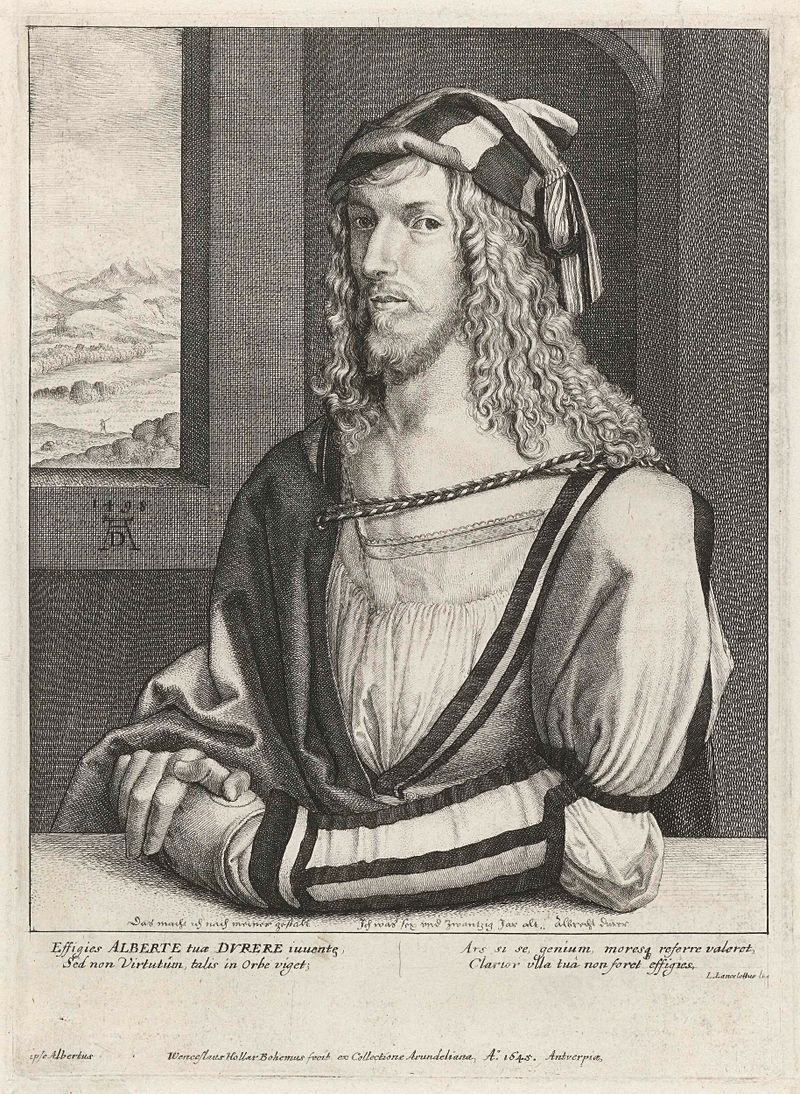
Portret van Albrecht Dürer
Wenceslaus Hollar
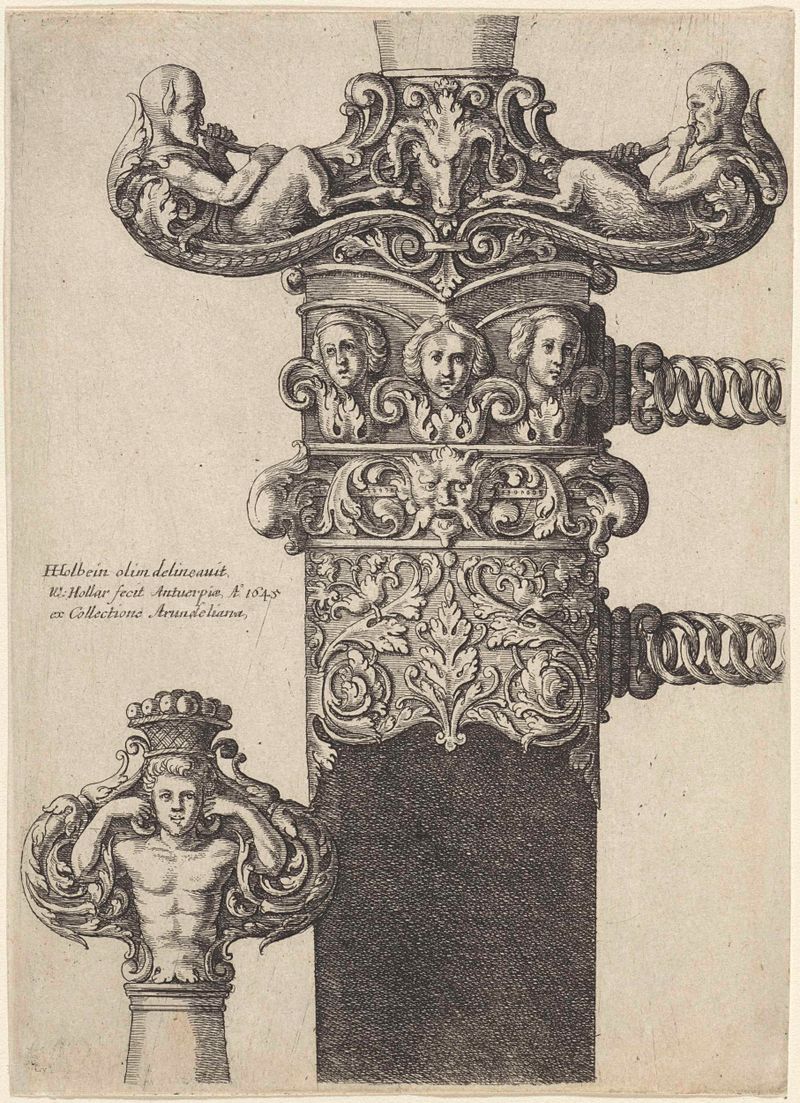
Ornamenteel ontwerp voor een dolk
Wenceslaus Hollar
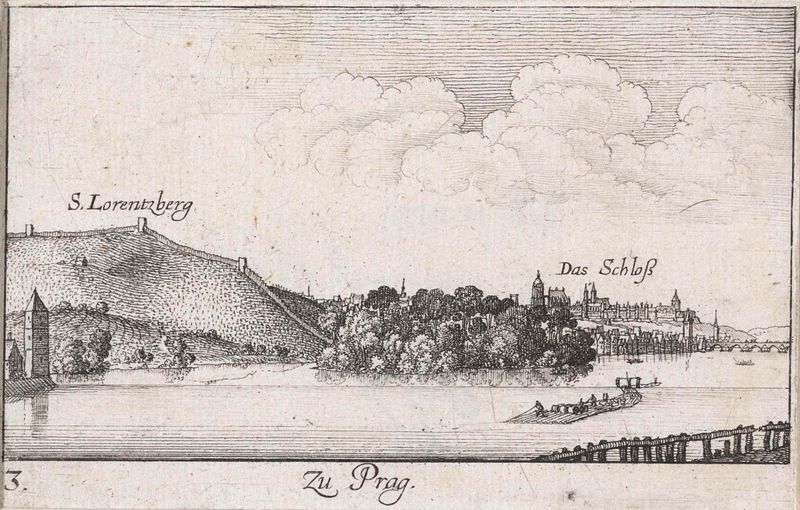
Gezicht op Praag vanaf de Moldau
Wenceslaus Hollar