
Discover insights about this artwork
Hermann von Hermholtz, Etude pour La fée électricité — History & Facts
In Hermann von Hermholtz, Etude pour La fée électricité, Raoul Dufy employs a vibrant palette dominated by blues, yellows, and whites. The composition features dynamic figures that seem to dance around a central motif representing electricity. The background is filled with swirling forms that evoke movement and energy.
This lively setting captures the essence of electricity as a force of nature. The painting is executed in oil on canvas, showcasing Dufy's characteristic brushwork and use of color. The dimensions are approximately 100 x 150 cm, making it a substantial piece that draws viewers in. The figures are stylized, reflecting Dufy's modernist approach to form and composition.
Viewers can appreciate the interplay of light and shadow, which enhances the sense of depth. Raoul Dufy was a prominent figure in the early 20th-century art scene, known for his colorful and expressive works. This piece, created in the 1930s, reflects the fascination with technology and modernity during that era. An interesting fact about this painting is that it was inspired by Hermann von Helmholtz, a scientist known for his work in physics and physiology.
Dufy's exploration of electricity in this work highlights the intersection of art and science.
More Artworks by Raoul Dufy
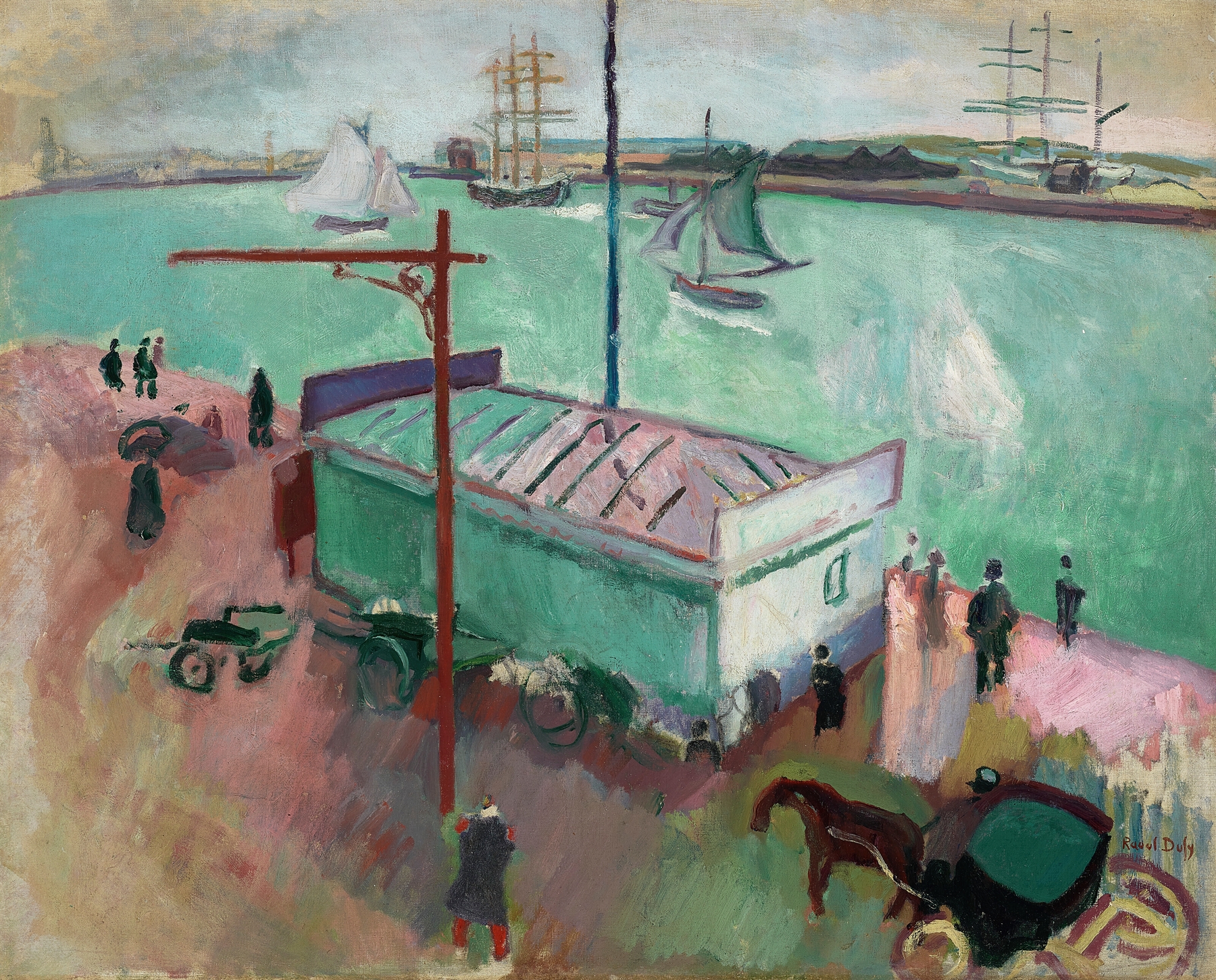
Le Port du Havre
Raoul Dufy
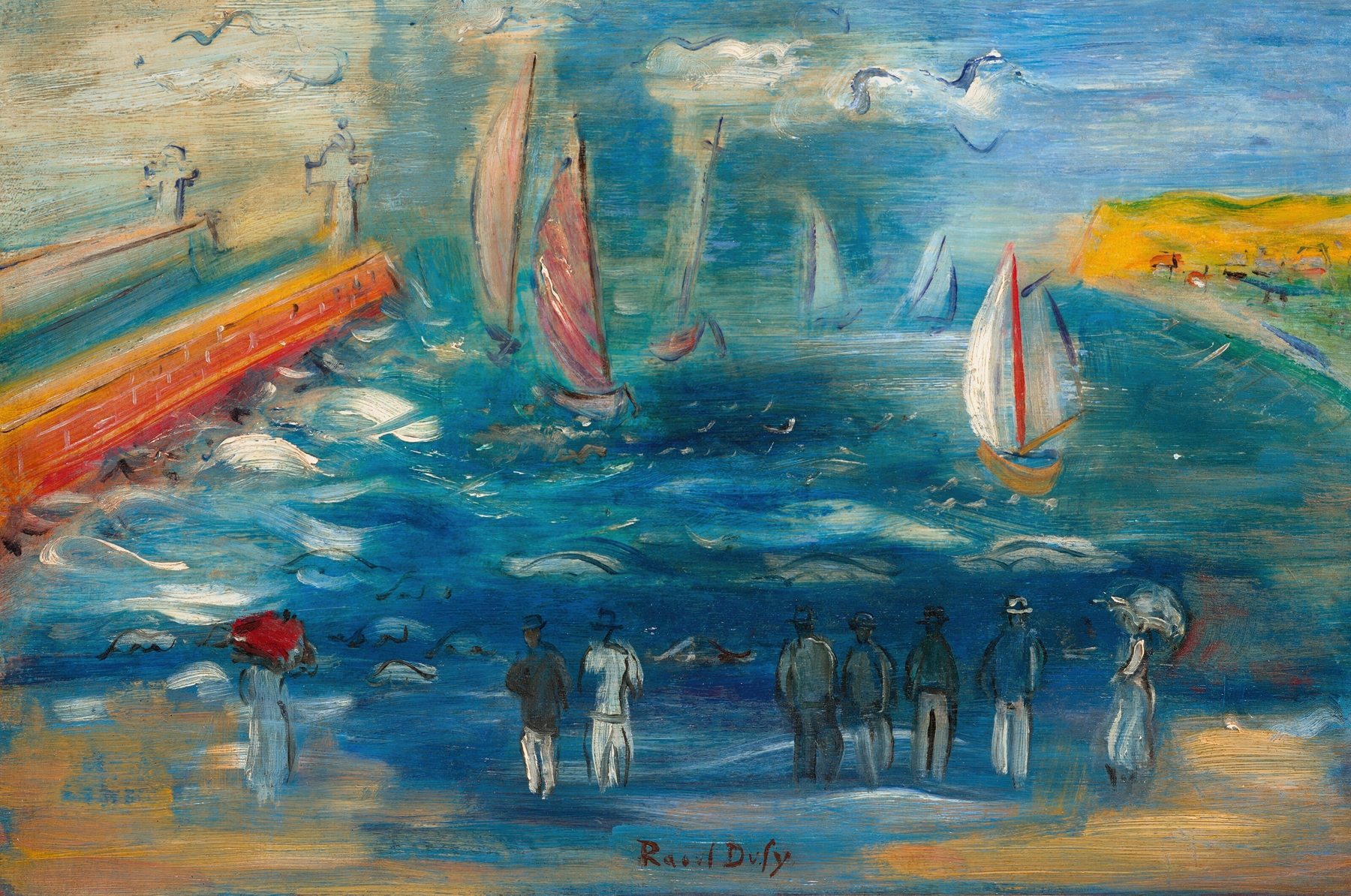
Départ des régates
Raoul Dufy
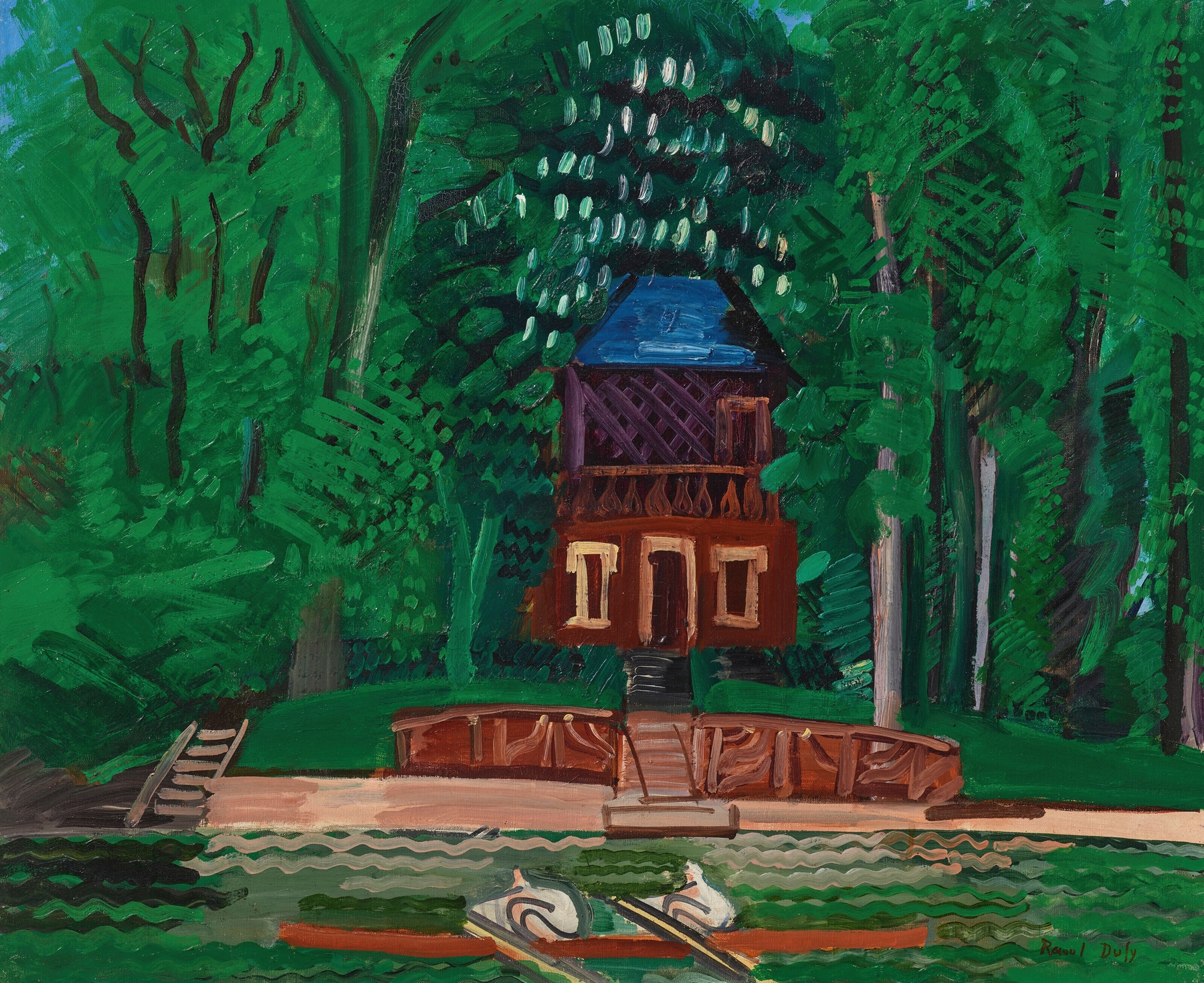
Les canotiers sur la Marne
Raoul Dufy
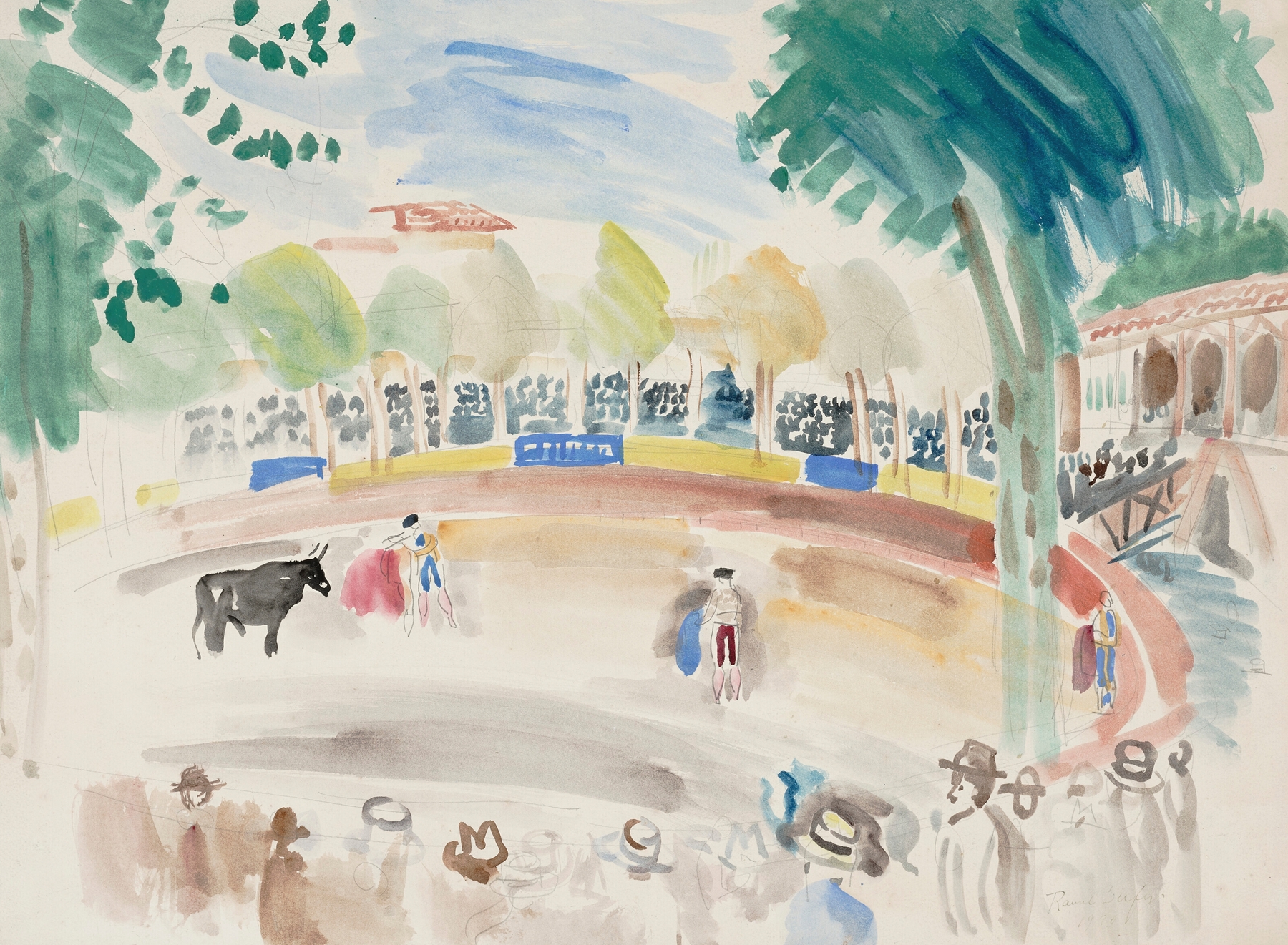
La corrida
Raoul Dufy
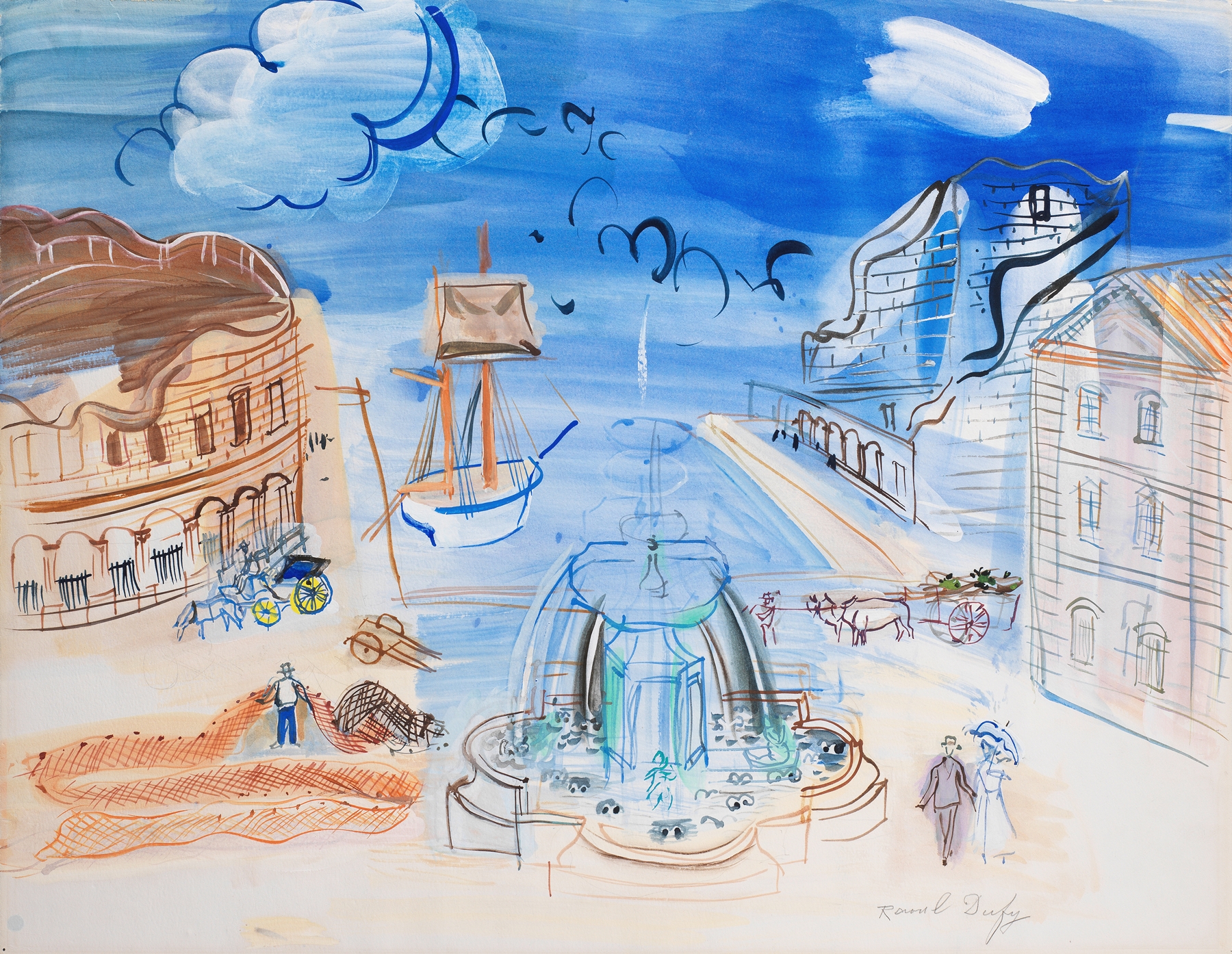
Composition au port et à la fontaine
Raoul Dufy
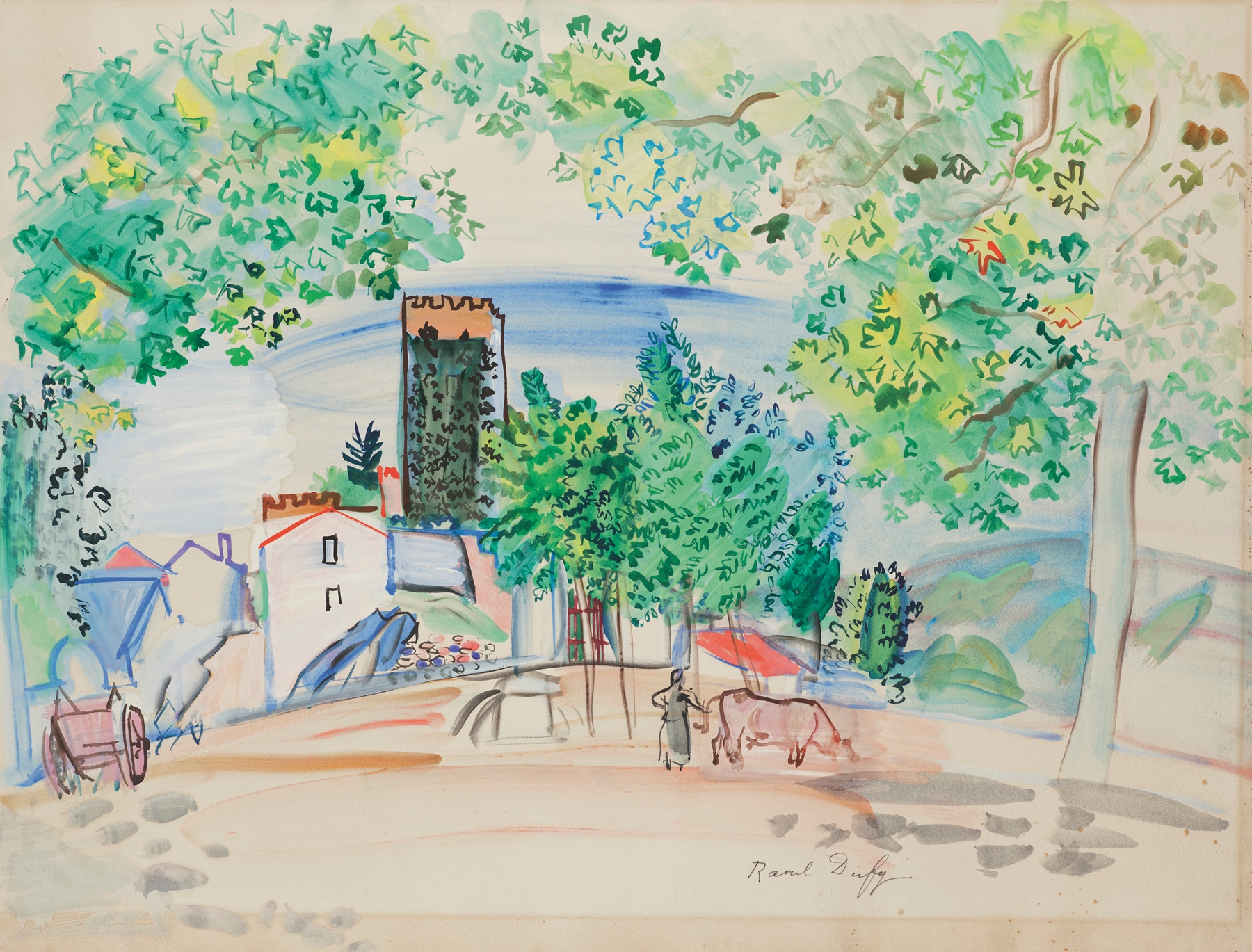
Vue de la Tour de Vernet-les-Bains
Raoul Dufy
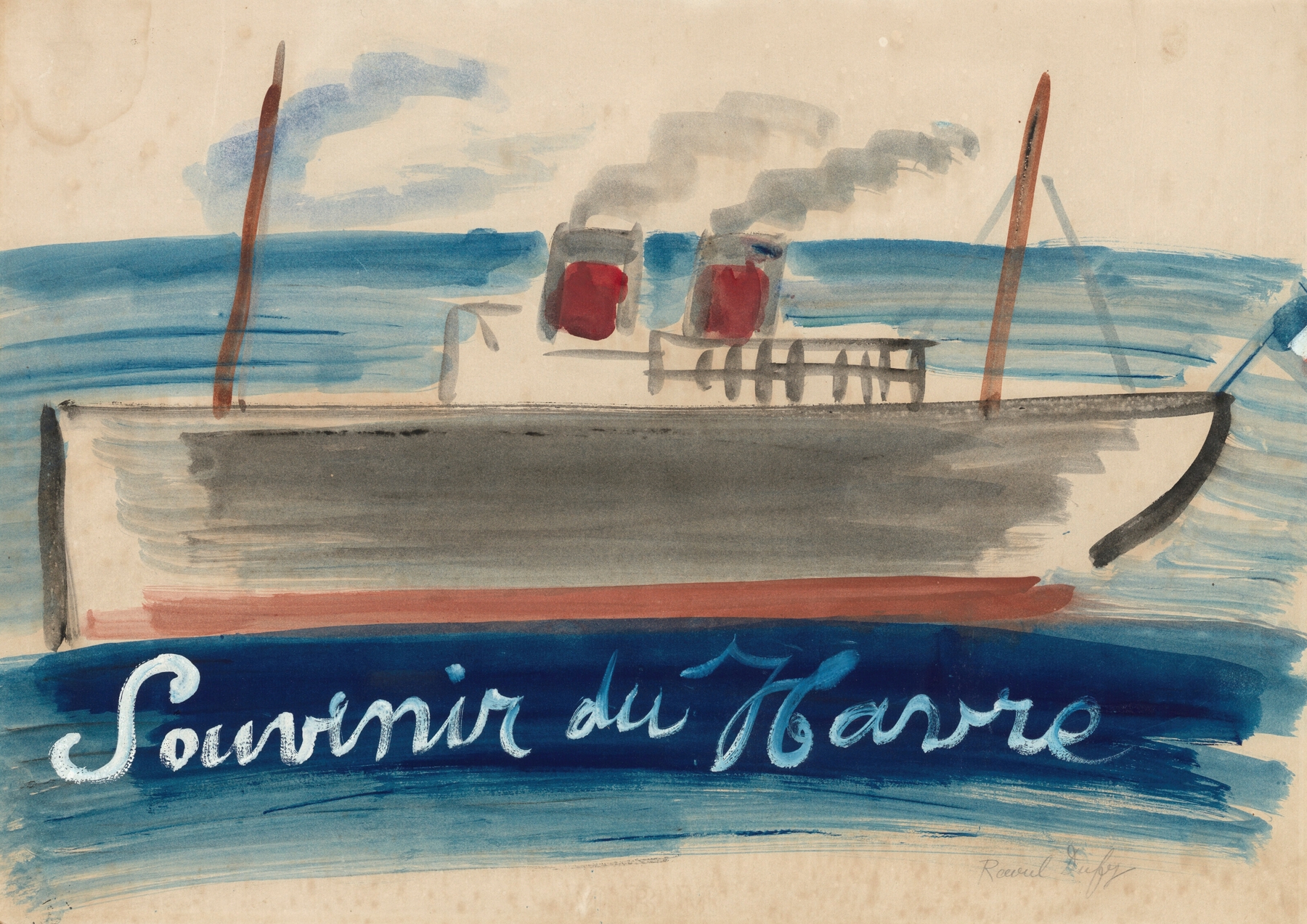
Souvenir du Havre
Raoul Dufy
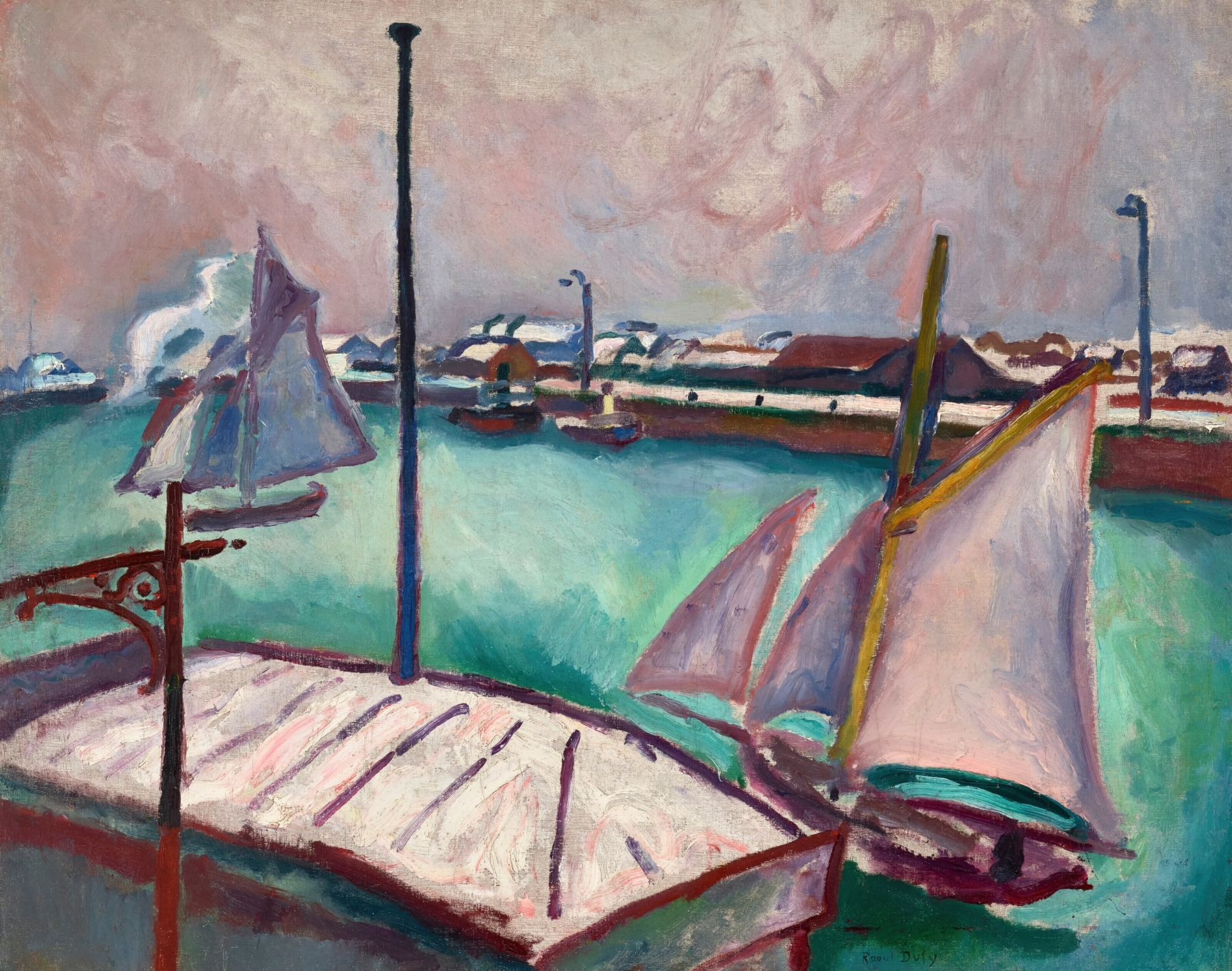
Les Barques
Raoul Dufy
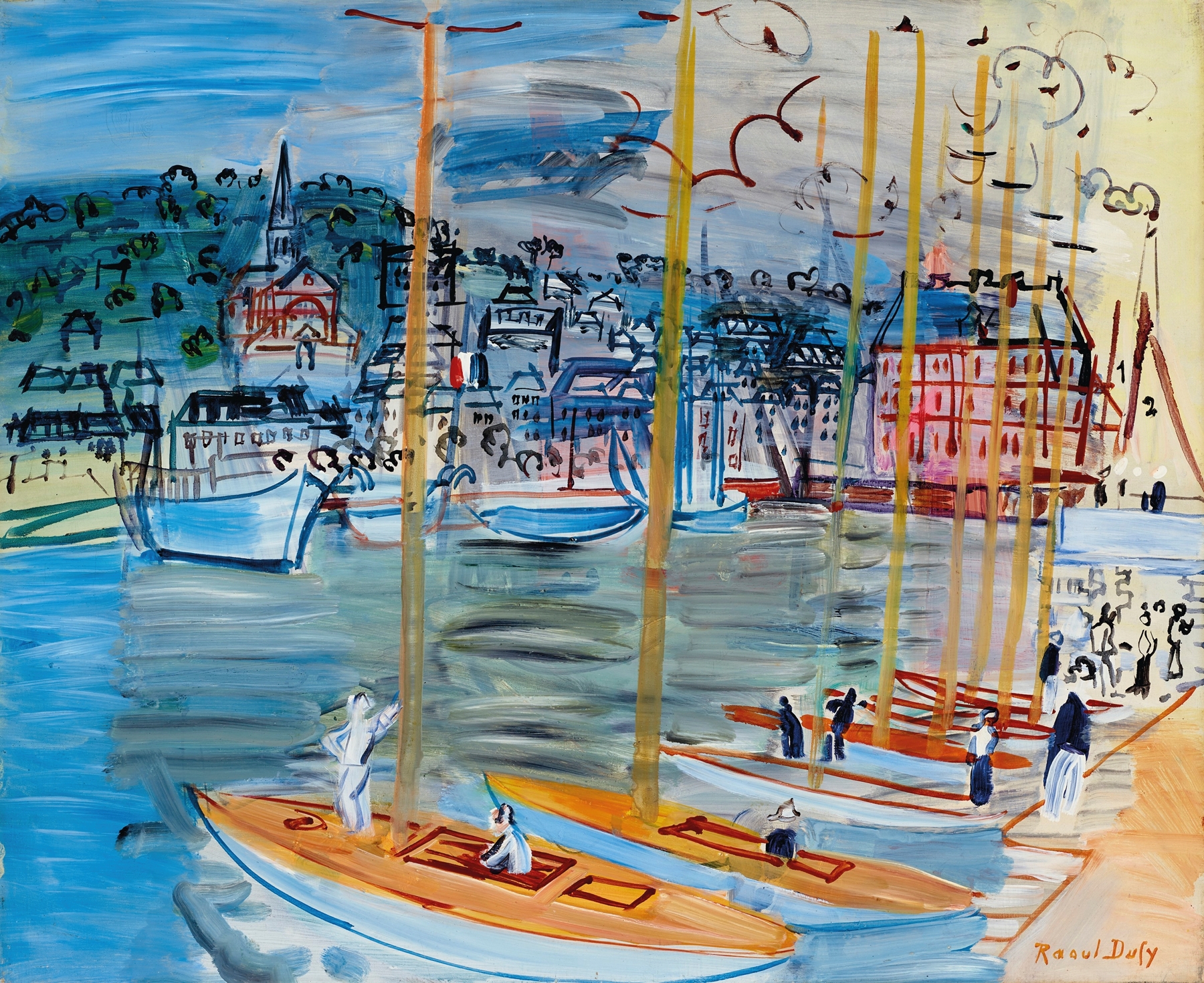
Le bassin de Deauville
Raoul Dufy
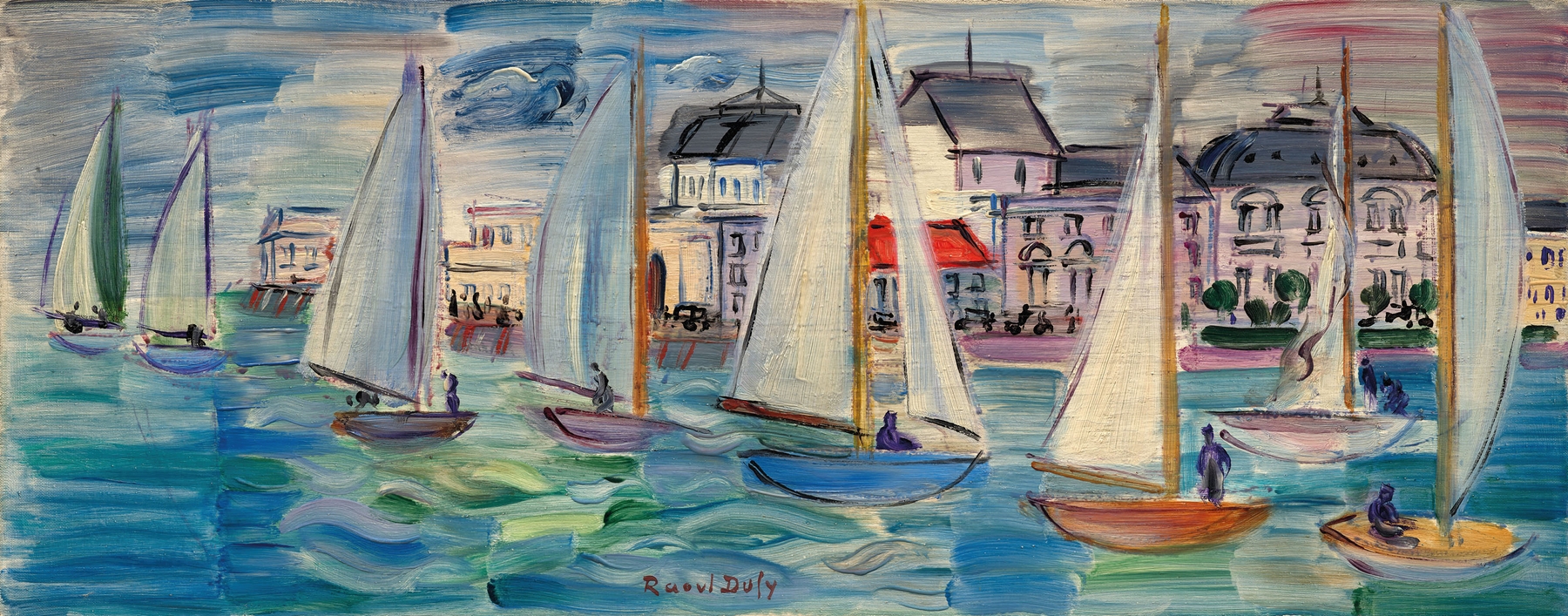
Régates à Deauville
Raoul Dufy
More Allegory Art
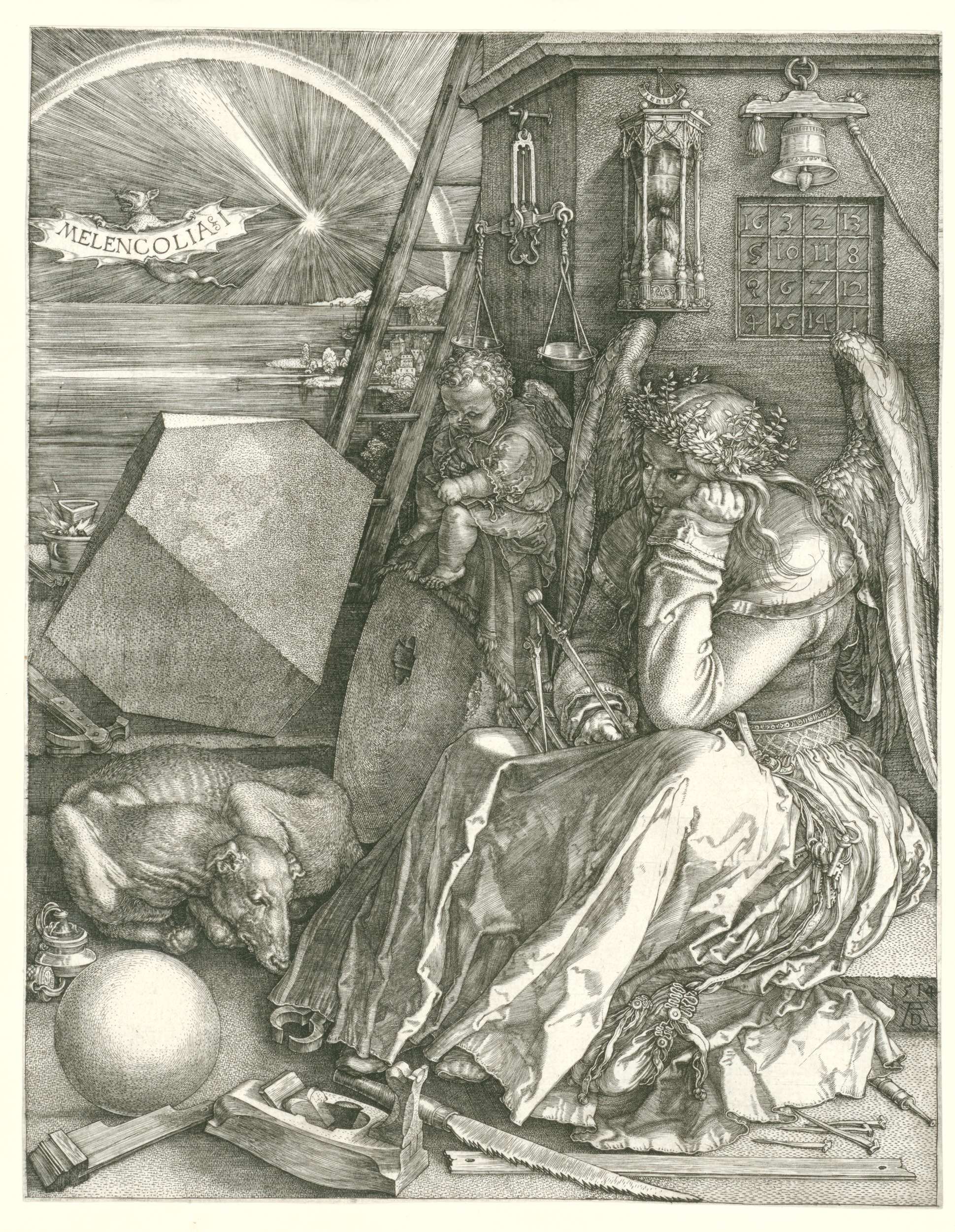
Melancholia
Albrecht Dürer
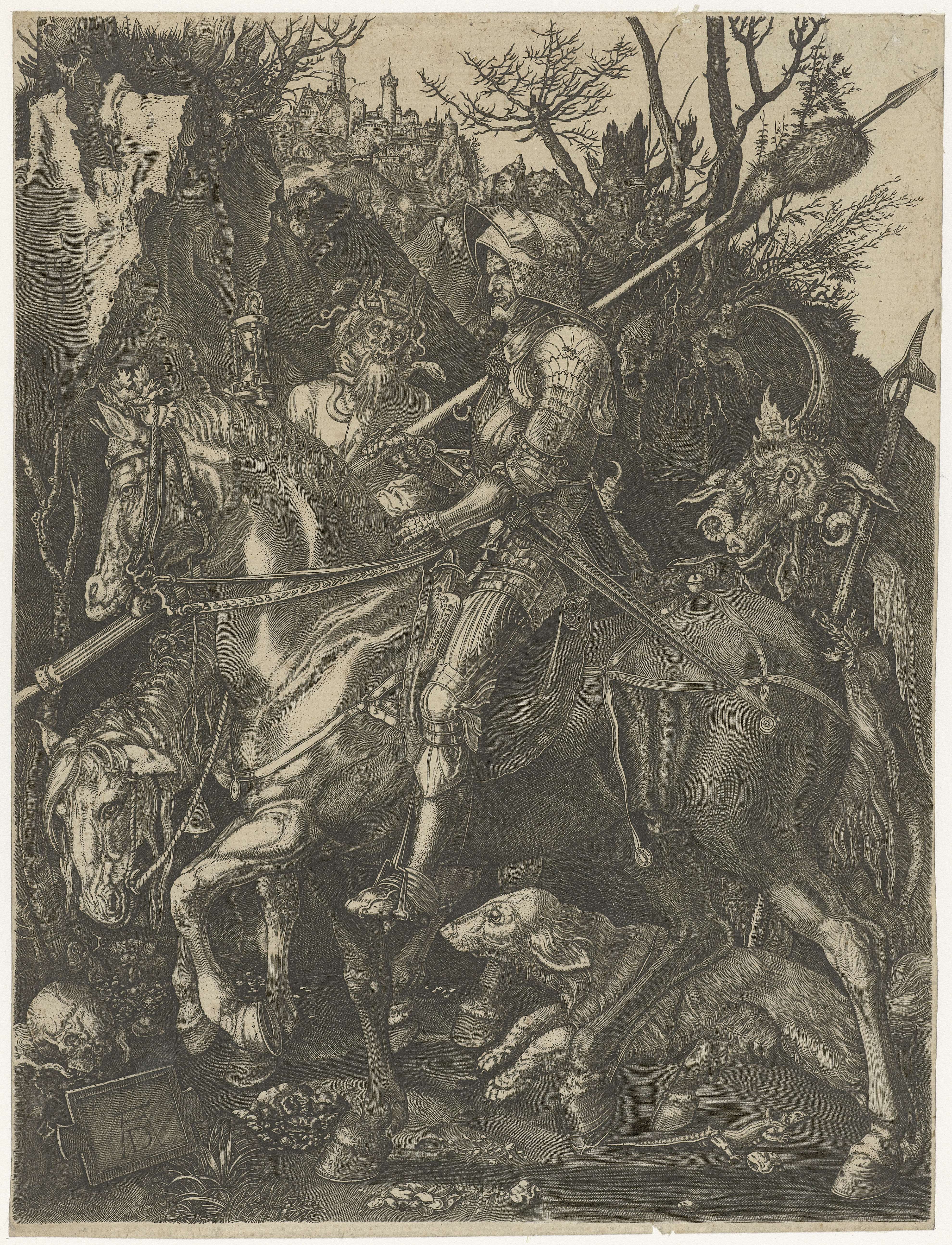
Ridder, Dood en Duivel
Unknown Artist
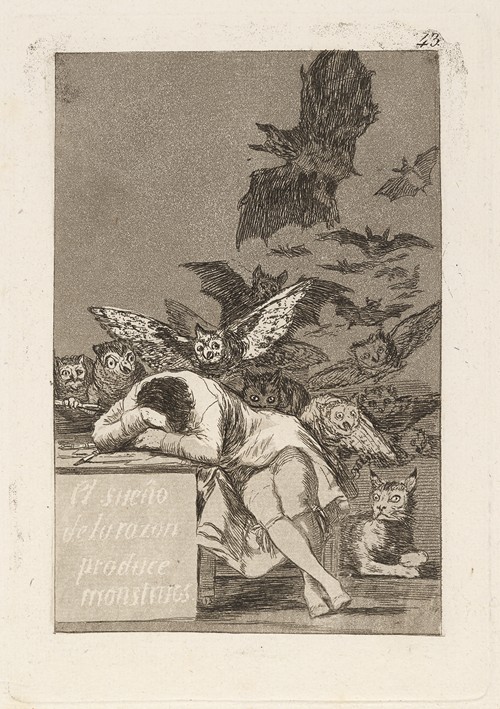
El sueño de la razon produce monstruos. (The sleep of reason produces monsters.)
Francisco de Goya
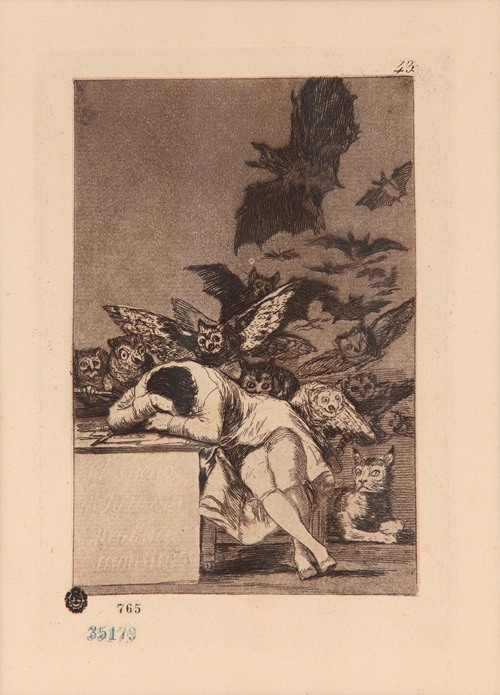
El sueño de la razon produce moustruos (Serie Caprichos)
Francisco de Goya
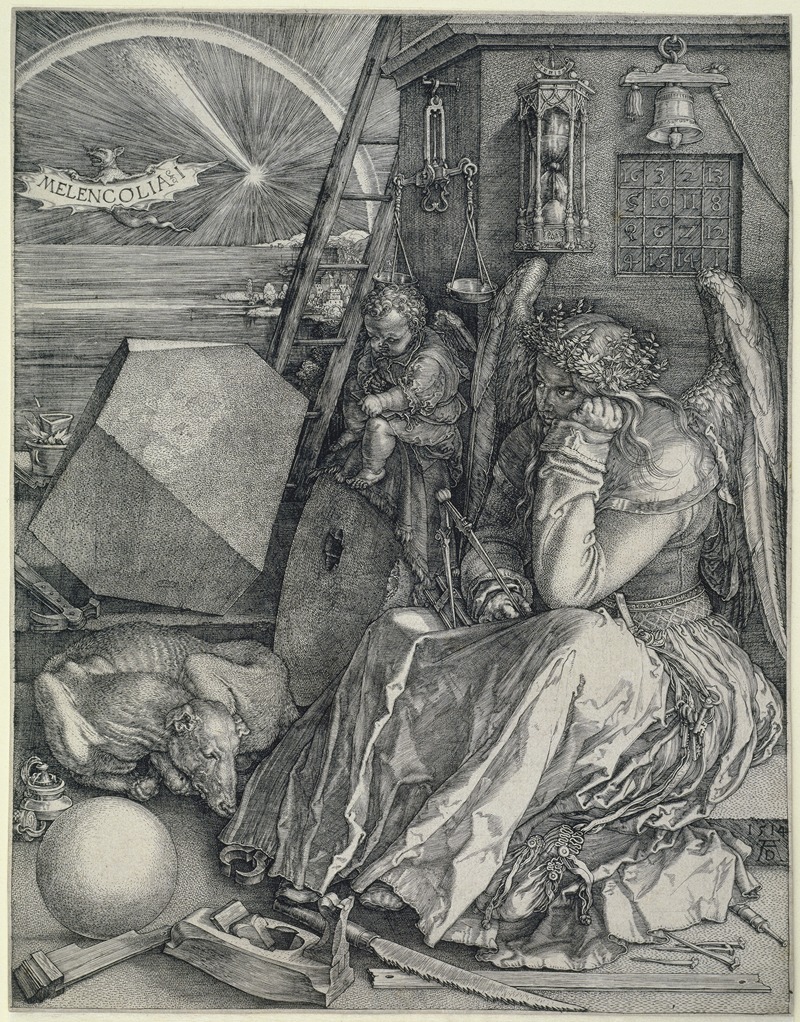
Melencolia I (The Melancholy)
Albrecht Dürer
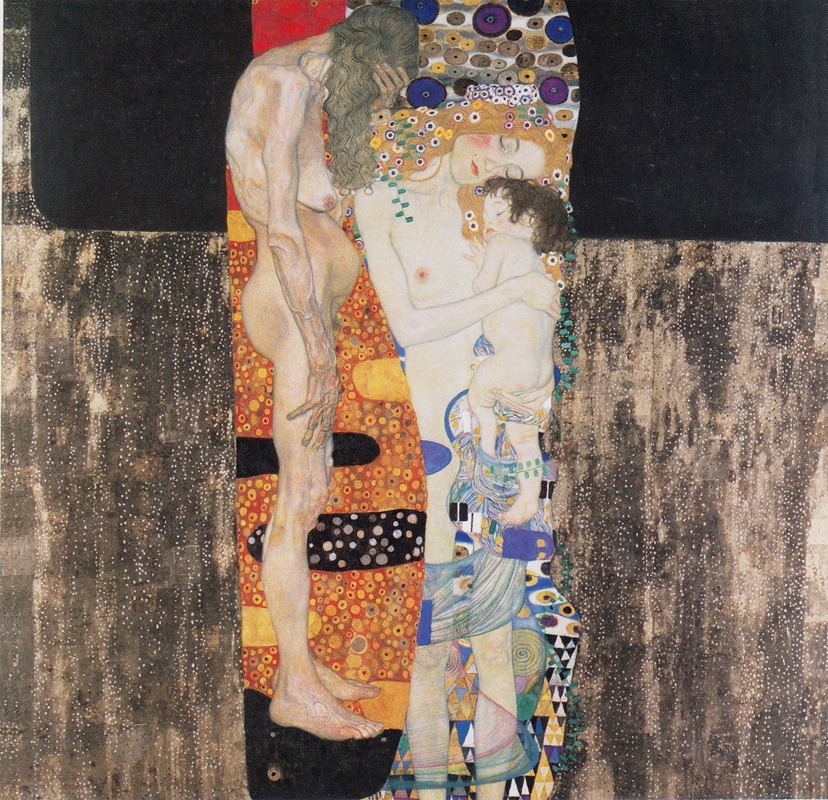
The Three Ages of the Woman
Gustav Klimt