
Herstmonceux — History & Facts
In the quiet stillness of a canvas, transformation occurs, echoing the essence of rebirth. Look closely at the central figure, bathed in soft, ethereal light—a young woman cradling a delicate blossom. The subtlety of her expression hints at a moment suspended between hope and uncertainty. Notice how the muted palette is punctuated with bursts of color, drawing your eye to the vibrancy of the flower, symbolizing renewal amidst the tranquility of her surroundings.
The harmonious composition invites you to linger, revealing layers of emotion through the strokes and textures that encapsulate a fleeting moment of grace. Delve deeper into the contrasts present in this work. The soft contours of the figure juxtaposed with the sharpness of the flower suggest a tension between vulnerability and strength. The gentle play of light and shadow creates an atmosphere of introspection, evoking feelings of both serenity and longing.
This interplay reflects the natural cycle of life, reminding us that beauty often emerges from chaos and struggle. In 1787, the artist was nestled in the evolving landscape of European art, particularly influenced by the burgeoning Romantic movement. Living in England, Herstmonceux was created during a period of personal exploration and societal change. As artists began to embrace emotion and nature in their work, this piece reveals Gore's response to a world filled with both turmoil and the promise of renewal, capturing the spirit of rebirth that resonates even today.
More Artworks by Charles Gore
Browse all →
Lorch on the Rhine
Charles Gore

Ruins du Chateau du Heidelberg
Charles Gore

Lago Maggiore and the Borromean Islands
Charles Gore

Isola Bella, Lago Maggiore
Charles Gore
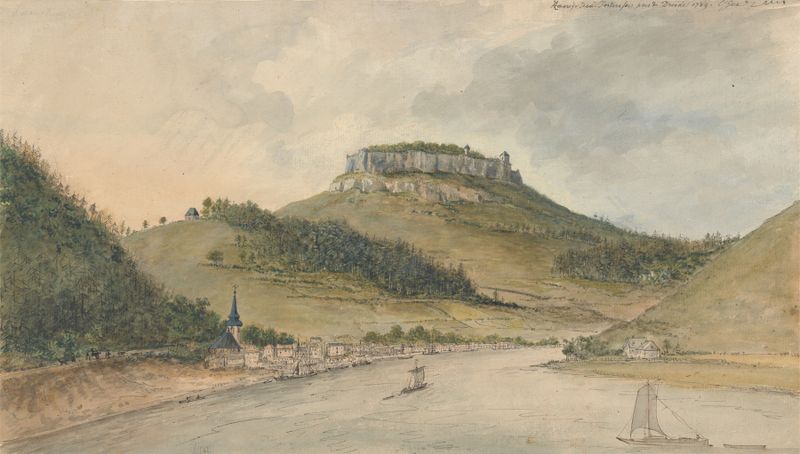
Konigstein
Charles Gore
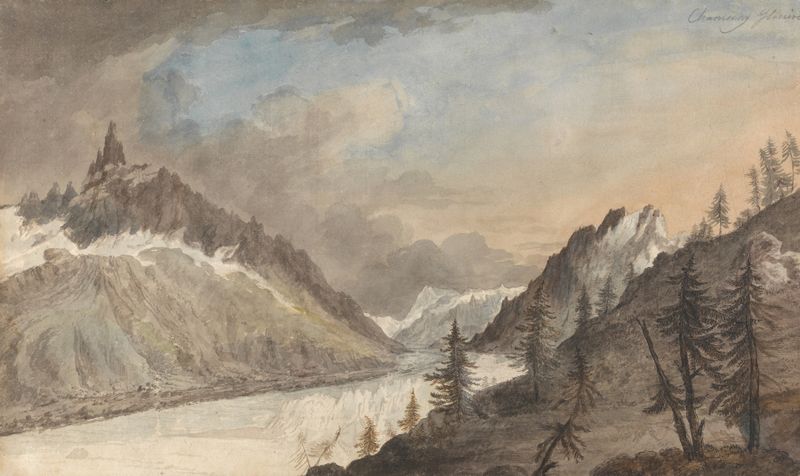
Chamonix, Mer de Glace
Charles Gore

Landing Place at Pallanza
Charles Gore

Gate Toward Bursit, Aix-la-Chappelle
Charles Gore

Garden of Vieux Jones near Maastricht
Charles Gore
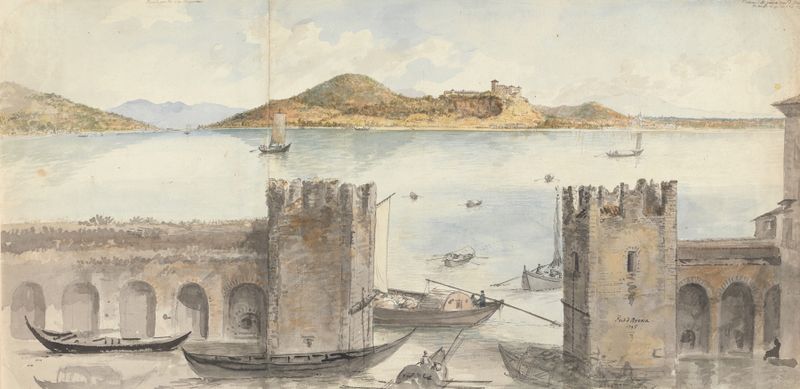
Port d’Arona
Charles Gore





