
Port d’Arona — History & Facts
Longing echoes through time, a universal sentiment captured in the delicate strokes of a master’s hand. Can one truly convey the essence of a place, a moment, or a feeling? Look to the foreground, where gentle ripples dance upon the azure expanse of water, leading the eye to the boats gently bobbing in the serene harbor. The soft hues of twilight bathe the scene in a golden warmth, while the distant mountains loom like silent guardians.
Notice how Gore employs subtle gradations of light, each brushstroke weaving together layers of depth and emotion, inviting you into a world suspended between reality and the dreamlike. The contrast between the stillness of the water and the hint of movement from the boats symbolizes the tension between tranquility and longing. Small details, such as the reflections shimmering on the surface and the blurred outlines of distant figures, evoke a sense of nostalgia, as if the painting itself is a memory yearning to be relived. The palette of blues and warm ochres fosters a connection, not just to the scene, but to the wistfulness that permeates the air. In 1795, Gore created this work during a pivotal moment in his career, navigating the early Romantic movement in art.
At this time, Europe was in the throes of political upheaval and societal change, reflecting a growing desire for personal expression. Living in London, he sought to capture the transient beauty of nature and human emotion, marking a departure from the rigid formalism of earlier centuries.
More Artworks by Charles Gore
Browse all →
Lorch on the Rhine
Charles Gore

Ruins du Chateau du Heidelberg
Charles Gore

Lago Maggiore and the Borromean Islands
Charles Gore

Isola Bella, Lago Maggiore
Charles Gore
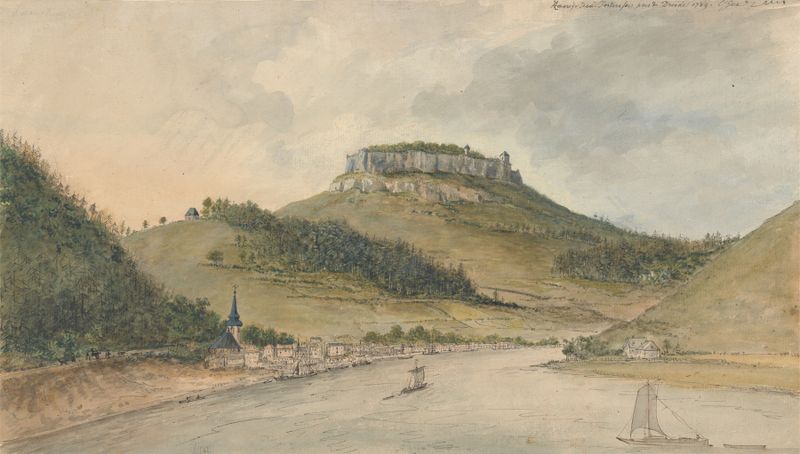
Konigstein
Charles Gore
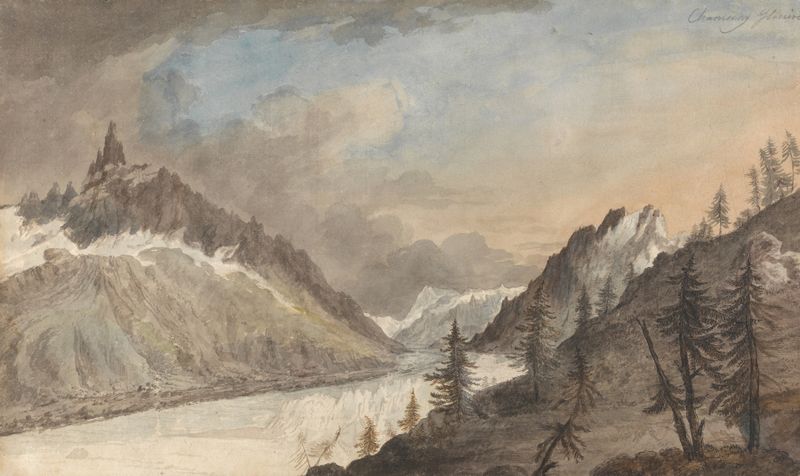
Chamonix, Mer de Glace
Charles Gore

Landing Place at Pallanza
Charles Gore
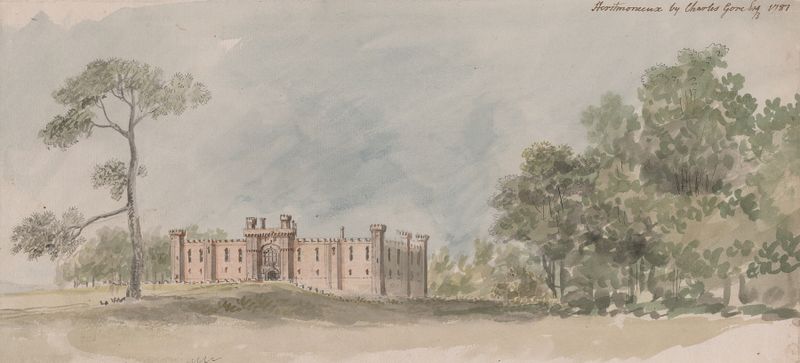
Herstmonceux
Charles Gore

Gate Toward Bursit, Aix-la-Chappelle
Charles Gore

Garden of Vieux Jones near Maastricht
Charles Gore





