
Ruins du Chateau du Heidelberg — History & Facts
What secret hides in the quiet of the canvas? In the stillness of Ruins du Chateau du Heidelberg, emptiness resonates, whispering tales of time long past. Focus on the weathered stones to the left, their surface worn and crumbling, revealing the echoes of history. Notice how the muted palette of grays and browns envelops the scene, lending an air of nostalgia and sorrow. The light filters through a hazy sky, casting soft shadows that dance across the ruins, enhancing the textures and drawing you into the narrative embedded within the architecture.
Each craggy edge and fissure speaks to the passage of ages, while the sparse vegetation hints at nature reclaiming its domain. Delve deeper, and you’ll uncover contrasts between the man-made and the organic. The ruins stand as a monument to human ambition, yet they are juxtaposed against the gentle encroachment of flora, illustrating the inevitability of decay. This interplay suggests a meditation on mortality and persistence, as remnants of grandeur succumb to time’s relentless grasp.
The absence of human figures amplifies the sense of solitude, inviting contemplation about what once was and what remains. In 1793, Charles Gore painted this piece during a tumultuous period in both his life and the broader art world, as Romanticism began to take shape. Aiming to capture the sublime, he found inspiration in the crumbling beauty of ruins, reflecting a growing fascination with nature's reclaiming of human relics. This work encapsulates a pivotal moment in artistic history, where emotion and landscape converged, forever altering the trajectory of European art.
More Artworks by Charles Gore
Browse all →
Lorch on the Rhine
Charles Gore

Lago Maggiore and the Borromean Islands
Charles Gore

Isola Bella, Lago Maggiore
Charles Gore
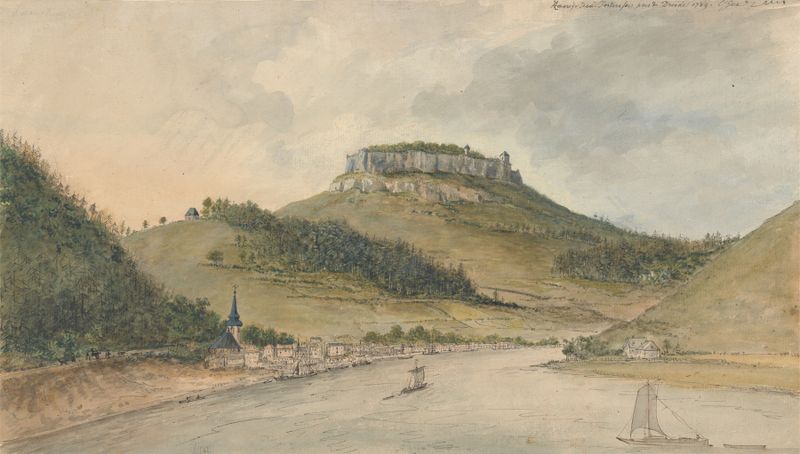
Konigstein
Charles Gore
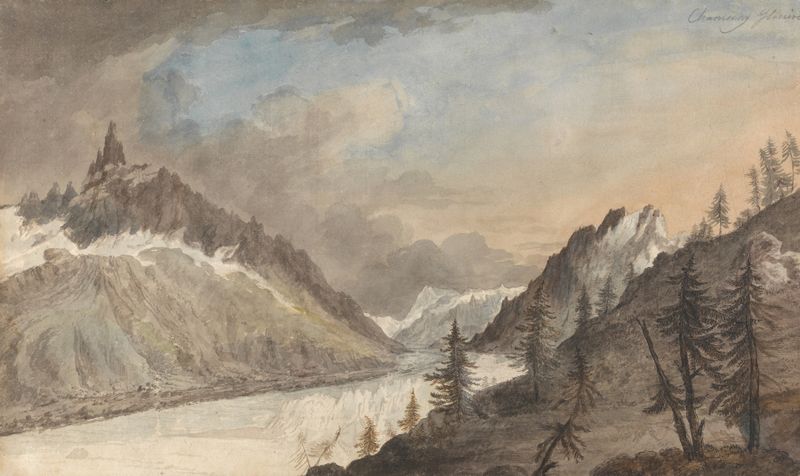
Chamonix, Mer de Glace
Charles Gore

Landing Place at Pallanza
Charles Gore
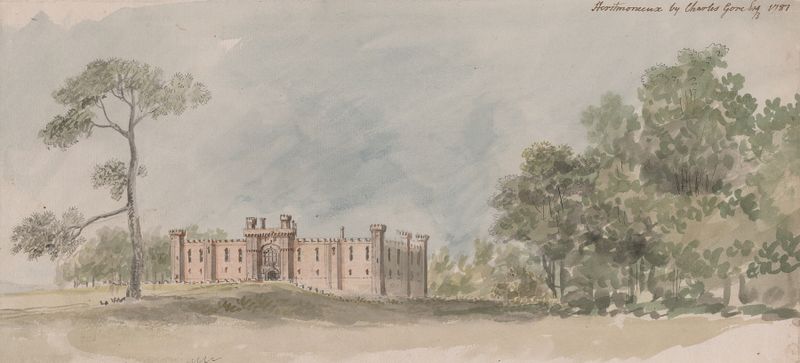
Herstmonceux
Charles Gore

Gate Toward Bursit, Aix-la-Chappelle
Charles Gore

Garden of Vieux Jones near Maastricht
Charles Gore
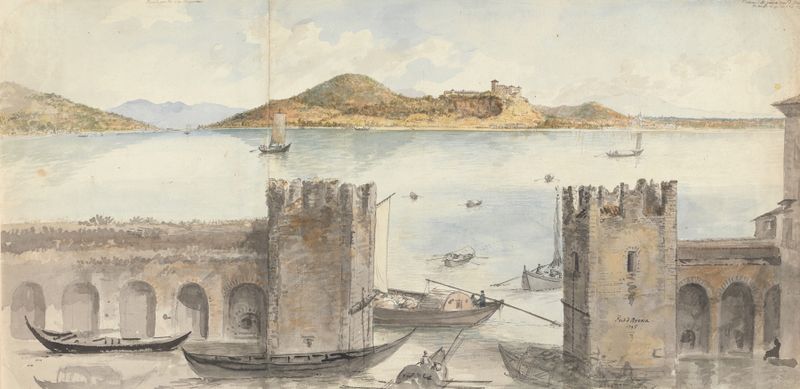
Port d’Arona
Charles Gore
More Architecture Art
Browse all →
The statue of Liberty
Frédéric Auguste Bartholdi

View of Houses in Delft, Known as ‘The Little Street’
Johannes Vermeer

View of Houses in Delft, Known as ‘The Little Street’
Johannes Vermeer

The Cathedral in Rouen. The portal, Grey Weather
Claude Monet

The yellow house
Vincent van Gogh

The Church in Auvers-sur-Oise, View from the Chevet
Vincent van Gogh