
Lorch on the Rhine — History & Facts
In the stillness of Lorch on the Rhine, Charles Gore captures an ecstasy that transcends the visual, inviting the viewer to commune with an unspeakable brilliance. Look to the center, where the sinuous curve of the Rhine gracefully embraces the banks. The river's reflective surface mirrors a palette of soft blues and warm earth tones, juxtaposing the lush greenery of the hills against a twilight sky. Notice how the delicate brushstrokes create a textured vibrancy, breathing life into the scene, while the gentle interplay of light illuminates the contours of the landscape, drawing the eye deeper into its embrace. As you explore the edges, small details emerge: a lone boat gliding silently, its presence both a symbol of tranquility and a whisper of adventure.
The distant church steeple stands resolute, a reminder of human endeavor against the sublime backdrop of nature. This contrast of serenity and a yearning for exploration resonates throughout the canvas, embodying the emotional tension of longing for connection—both with the land and with others. During the late 18th century, Charles Gore painted this piece, a time steeped in Romantic ideals where nature was revered for its beauty and mystery. Living in England, Gore was influenced by the emerging trends in landscape painting, where artists sought to capture sublime experiences.
The Rhine, celebrated for its picturesque qualities, served as an ideal subject, allowing Gore to reflect the deeper emotional and spiritual yearnings of his time.
More Artworks by Charles Gore
Browse all →
Ruins du Chateau du Heidelberg
Charles Gore

Lago Maggiore and the Borromean Islands
Charles Gore

Isola Bella, Lago Maggiore
Charles Gore
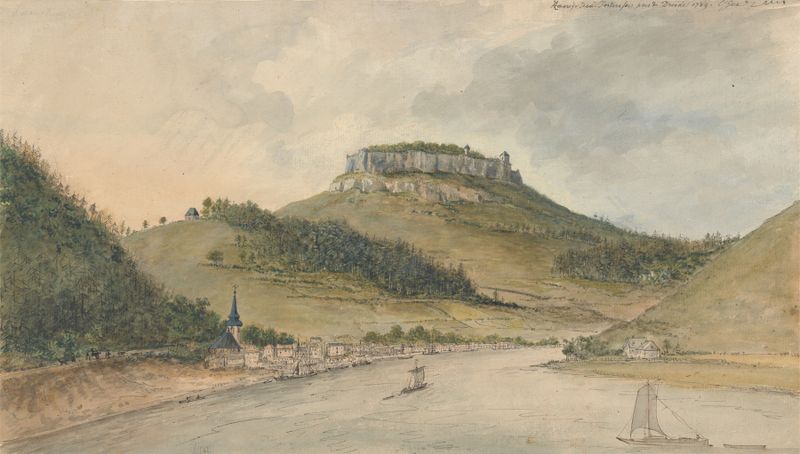
Konigstein
Charles Gore
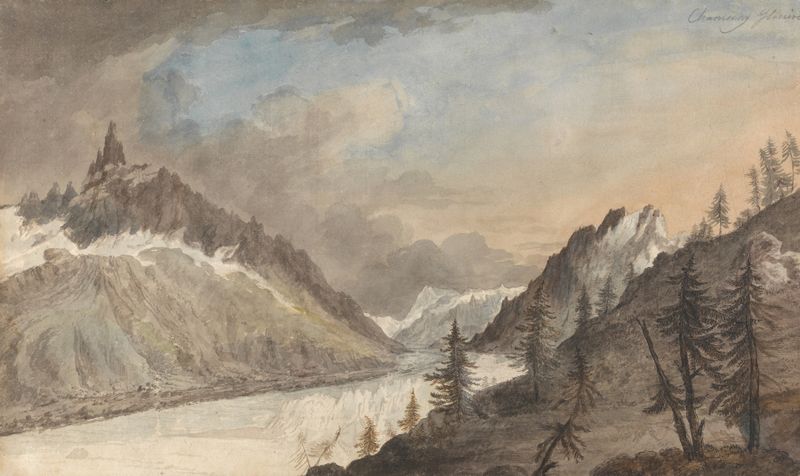
Chamonix, Mer de Glace
Charles Gore

Landing Place at Pallanza
Charles Gore
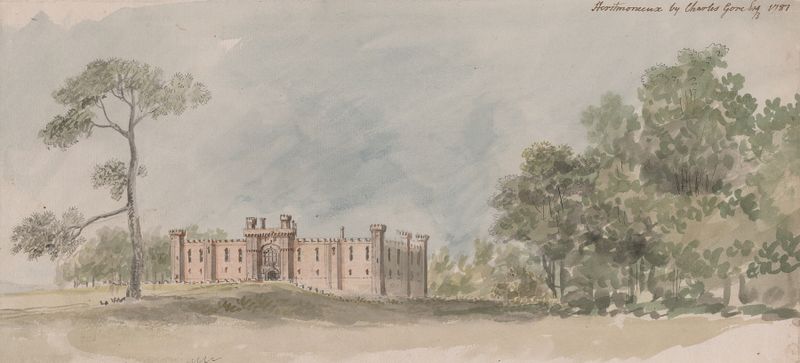
Herstmonceux
Charles Gore

Gate Toward Bursit, Aix-la-Chappelle
Charles Gore

Garden of Vieux Jones near Maastricht
Charles Gore
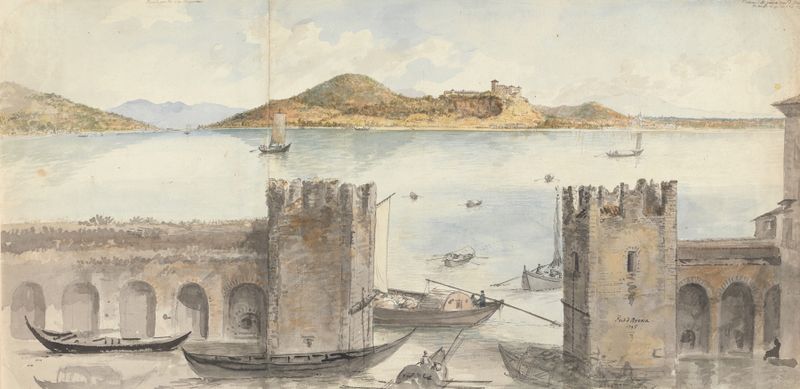
Port d’Arona
Charles Gore





