
Isola Bella, Lago Maggiore — History & Facts
Within the fading grandeur of an idyllic retreat, whispers of decay intertwine with beauty, inviting contemplation of time’s relentless passage. The landscape speaks not only of serenity but of the haunting stillness that suggests life once thrived here, now tethered to the inevitable decline. Focus on the tranquil waters of Lago Maggiore, where the delicate brushstrokes create a shimmering reflection of the once-vibrant gardens above. Notice how the light dances across the surface, illuminating the crumbling architecture that stands sentinel in its own quiet defeat.
The gentle hues of green and blue evoke a sense of nostalgia, while the remnants of opulence hint at stories long forgotten, wrapped in layers of dust and shadow. In the foreground, the twisted branches of the cypress trees stand in stark contrast to the sleek, curved lines of the lake. This interplay between life and deterioration mirrors humanity’s struggle against time, evoking feelings of loss and longing. Each petal that drifts into the water serves as a reminder of the ephemeral nature of beauty and the quiet ache of nostalgia that permeates the scene, inviting viewers to confront their own reflections on decay. In 1776, Charles Gore created this piece during a period of artistic transition in Europe, where the Rococo style began to cede to Neoclassicism.
Living in Italy, surrounded by classical ruins and lush landscapes, he was influenced by the Romantic spirit that celebrated nature while acknowledging the inevitable decline of human constructs. His work embodies a moment when beauty was cherished yet forever entwined with the reality of decay, a poignant reminder of life's fleeting nature.
More Artworks by Charles Gore
Browse all →
Lorch on the Rhine
Charles Gore

Ruins du Chateau du Heidelberg
Charles Gore

Lago Maggiore and the Borromean Islands
Charles Gore
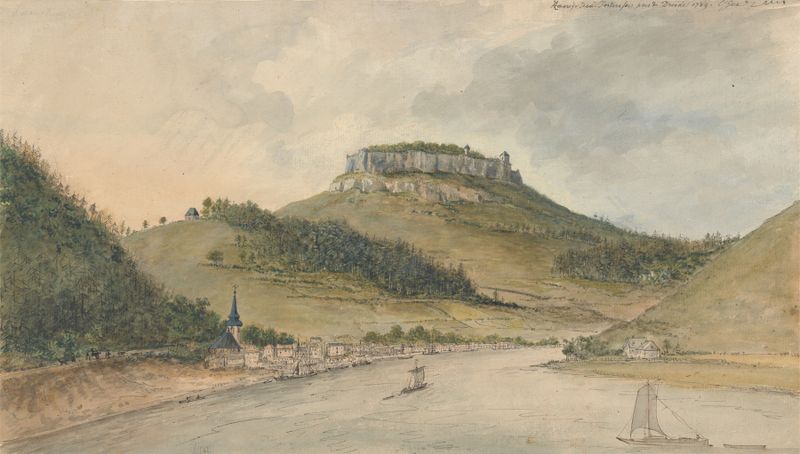
Konigstein
Charles Gore
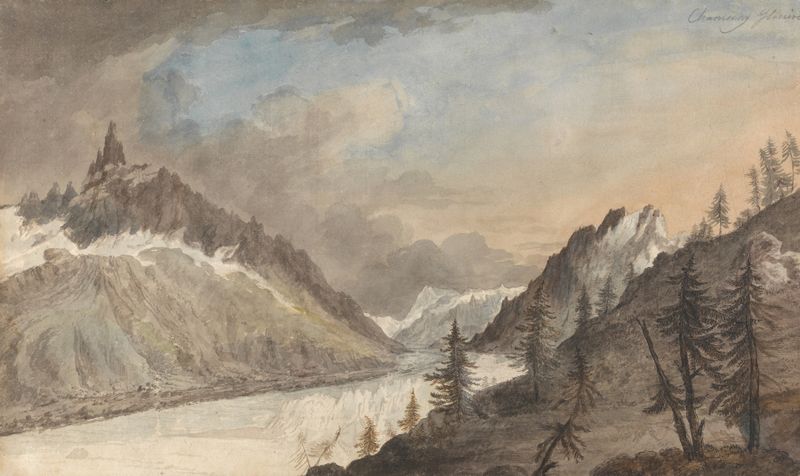
Chamonix, Mer de Glace
Charles Gore

Landing Place at Pallanza
Charles Gore
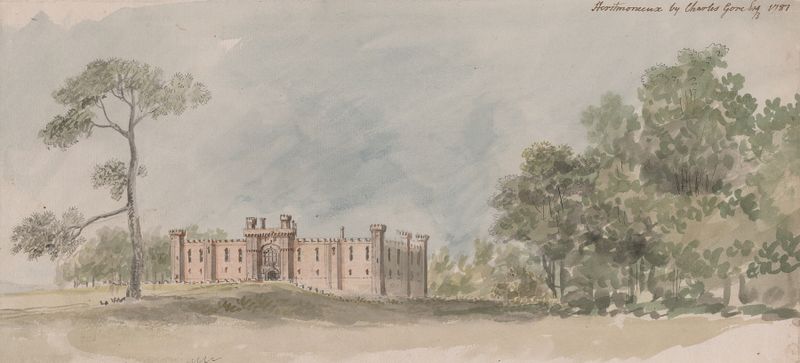
Herstmonceux
Charles Gore

Gate Toward Bursit, Aix-la-Chappelle
Charles Gore

Garden of Vieux Jones near Maastricht
Charles Gore
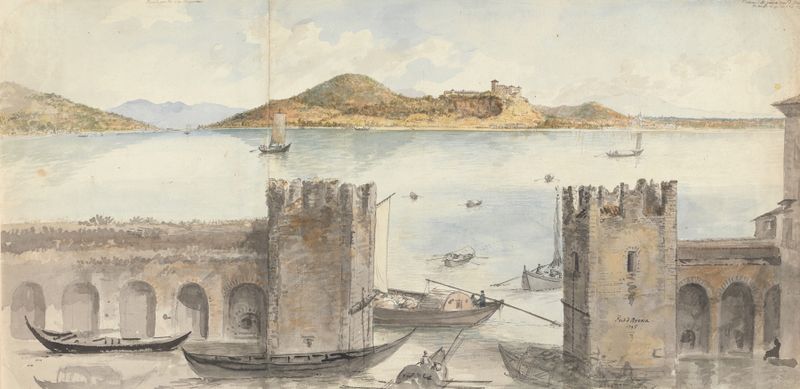
Port d’Arona
Charles Gore





