
Landing Place at Pallanza — History & Facts
Can paint confess what words never could? In Landing Place at Pallanza, the brushstrokes resonate with an unspoken revolution, capturing the heart of a moment that transcends language. Look to the gentle ripples of the water, where the azure reflections blend seamlessly with the verdant greens of the lakeside. Notice how the light falls upon the boats, their soft silhouette contrasting against the flickering sunlight that dances across the surface. The composition draws the eye toward the horizon, inviting contemplation of both the beauty and the ephemerality of life.
Gore’s use of color is deliberate; the palette shifts from cool tones to warmer hues, suggesting an underlying warmth beneath a seemingly tranquil scene. Explore the emotional tension between stillness and movement; the boats appear poised for departure, yet time seems to hold its breath. The juxtaposition of the serene landscape and the potential for change hints at the broader human experience—our longing for connection and the inevitability of transition. Each element, from the rustling leaves to the distant mountains, suggests a world alive with possibility, caught in the balance of what has been and what might come. In the context of his career, Gore painted this piece at a time when the art world was undergoing significant shifts, though the exact date remains elusive.
His work was influenced by the Impressionist movement, which embraced the capture of fleeting moments and the play of light. This transformation in artistic expression reflected not only personal explorations but also broader societal changes, resonating deeply with a world on the brink of modernity.
More Artworks by Charles Gore
Browse all →
Lorch on the Rhine
Charles Gore

Ruins du Chateau du Heidelberg
Charles Gore

Lago Maggiore and the Borromean Islands
Charles Gore

Isola Bella, Lago Maggiore
Charles Gore
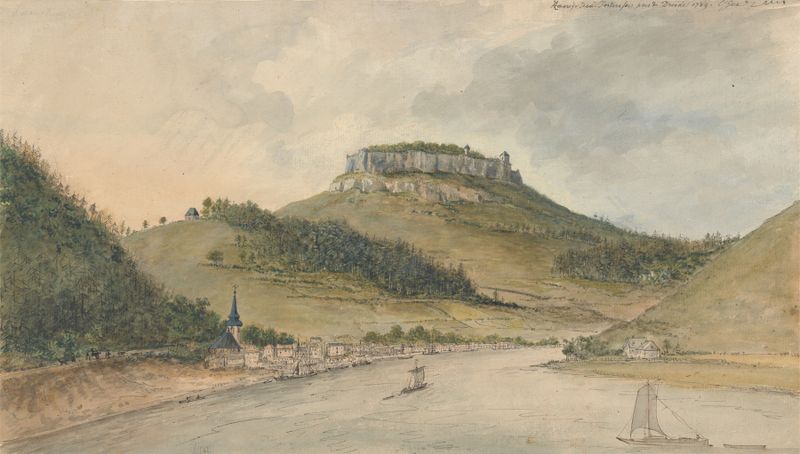
Konigstein
Charles Gore
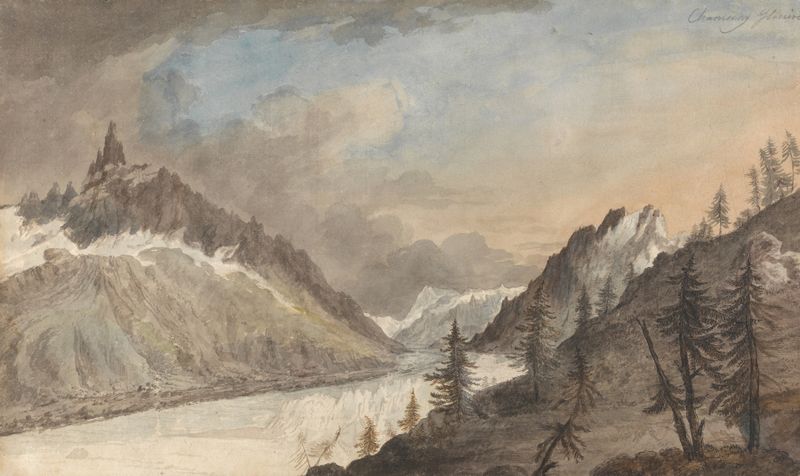
Chamonix, Mer de Glace
Charles Gore
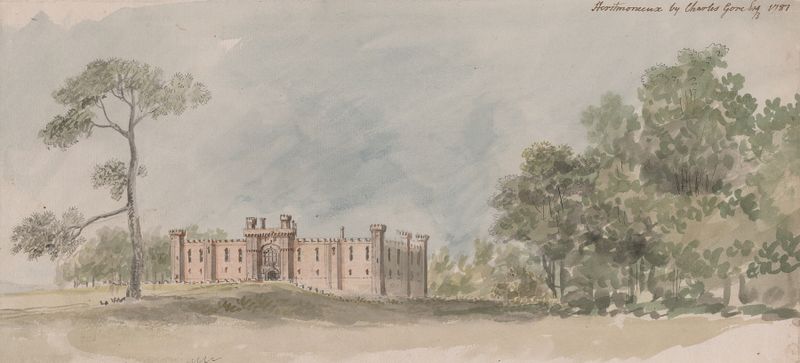
Herstmonceux
Charles Gore

Gate Toward Bursit, Aix-la-Chappelle
Charles Gore

Garden of Vieux Jones near Maastricht
Charles Gore
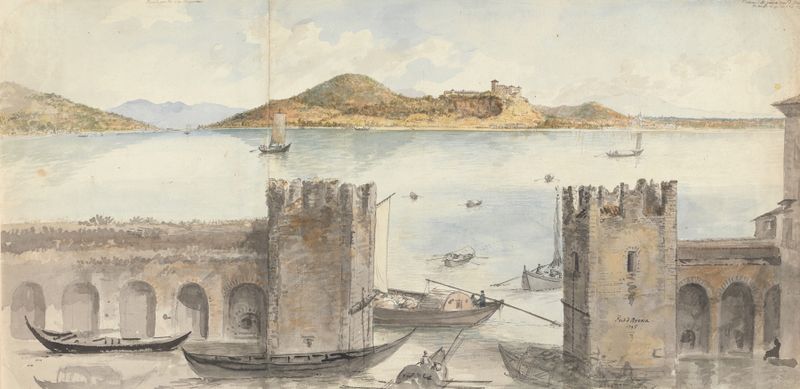
Port d’Arona
Charles Gore





