
Lago Maggiore and the Borromean Islands — History & Facts
In the stillness of a moment captured, desire whispers through the landscape, urging us to linger in the beauty of what was once vibrant and alive. Focus on the lush expanse of Lago Maggiore, where the shimmering waters beckon your gaze. Notice how the gentle ripples reflect the pastel hues of the sky, blending soft blues and blush pinks as dusk approaches. The Borromean Islands emerge like dreams on the horizon, their verdant forms contrasting with the vast, tranquil lake, inviting exploration.
The meticulous brushwork captures the delicate balance between nature and the architectural elegance of the islands, evoking a feeling of longing for the serene bliss of this idyllic escape. Yet beneath this picturesque surface lies a tension between the beauty of the landscape and the ephemeral nature of our desires. The islands stand steadfast, a symbol of enduring grace, while the fleeting light hints at the passage of time. Each brushstroke seems to capture the artist's yearning to immortalize this fleeting moment, juxtaposing the eternal landscape against our transient existence.
The quiet solitude evokes nostalgia, as though the viewer is meant to reflect on their own lost desires and dreams. In 1776, while creating this work, the artist was immersed in the Romantic movement, capturing nature's emotive power. Gore painted this scene during a period of personal exploration and artistic evolution, amidst a world increasingly fascinated by the sublime beauty of landscapes. His focus on Italian vistas reflected a broader trend among contemporary artists who sought to convey the emotional resonance of their surroundings, elevating the landscape to a subject worthy of profound contemplation.
More Artworks by Charles Gore
Browse all →
Lorch on the Rhine
Charles Gore

Ruins du Chateau du Heidelberg
Charles Gore

Isola Bella, Lago Maggiore
Charles Gore
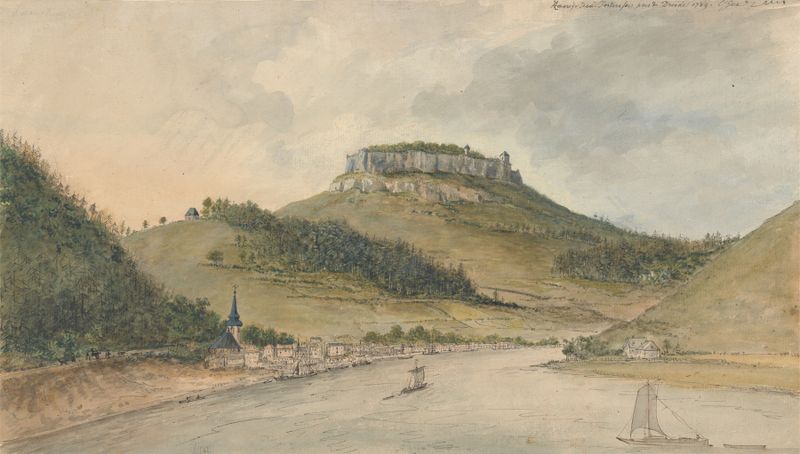
Konigstein
Charles Gore
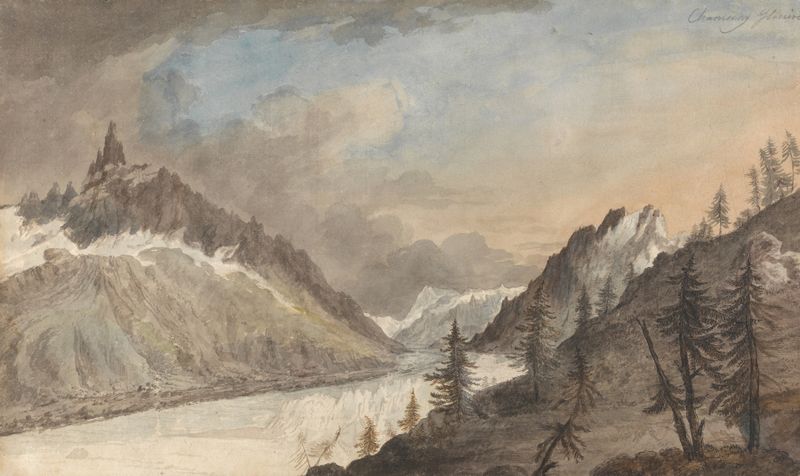
Chamonix, Mer de Glace
Charles Gore

Landing Place at Pallanza
Charles Gore
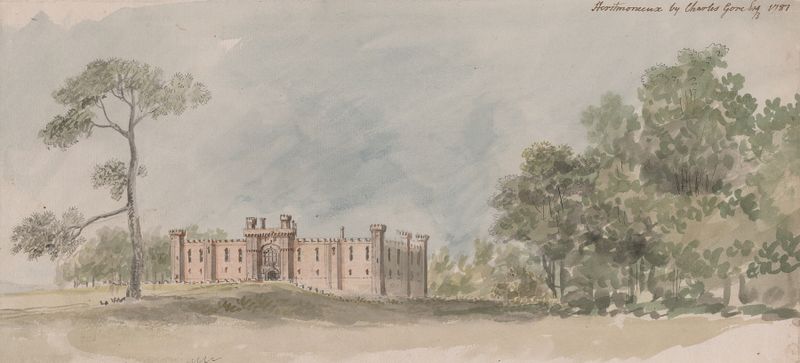
Herstmonceux
Charles Gore

Gate Toward Bursit, Aix-la-Chappelle
Charles Gore

Garden of Vieux Jones near Maastricht
Charles Gore
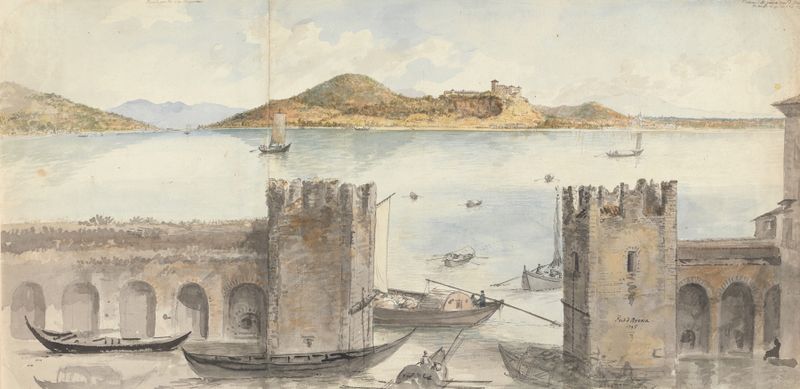
Port d’Arona
Charles Gore





