
Konigstein — History & Facts
Who listens when art speaks of silence? In the stillness of Konigstein, the weight of absence curves around the viewer, inviting introspection and connection to the void it encapsulates. Look closely at the vast, desolate landscape stretching across the canvas. The fortress of Konigstein rises defiantly on the rock, bathed in soft, muted hues that contrast starkly against the expansive sky. Notice how the gentle gradients of blue and gray draw your gaze upward, embodying both isolation and strength.
The composition cleverly utilizes negative space, leaving areas intentionally sparse, amplifying the feeling of emptiness and evoking an emotional landscape that transcends mere geography. Yet, beneath this serene exterior lies a tapestry of tension. The fortress stands as a sentinel of history, whispering untold stories of those who once occupied its walls. The peaceful yet foreboding atmosphere suggests the fragility of power and permanence, capturing the duality of human experience—solitude and strength intertwined.
The faint traces of life in the foreground, perhaps a tree or a hint of movement, amplify this contrast, reminding us that existence is often marked by a lingering sense of loss. In 1789, Charles Gore painted Konigstein amidst the unfolding turbulence of the French Revolution, a turning point that echoed throughout Europe. At this time, he was establishing his reputation in the art world, influenced by the neoclassical ideals of grandeur and history. As the world around him shifted dramatically, this work reflects a moment of contemplation—capturing a fortress not just in the physical realm, but as a symbol of the broader human condition.
More Artworks by Charles Gore
Browse all →
Lorch on the Rhine
Charles Gore

Ruins du Chateau du Heidelberg
Charles Gore

Lago Maggiore and the Borromean Islands
Charles Gore

Isola Bella, Lago Maggiore
Charles Gore
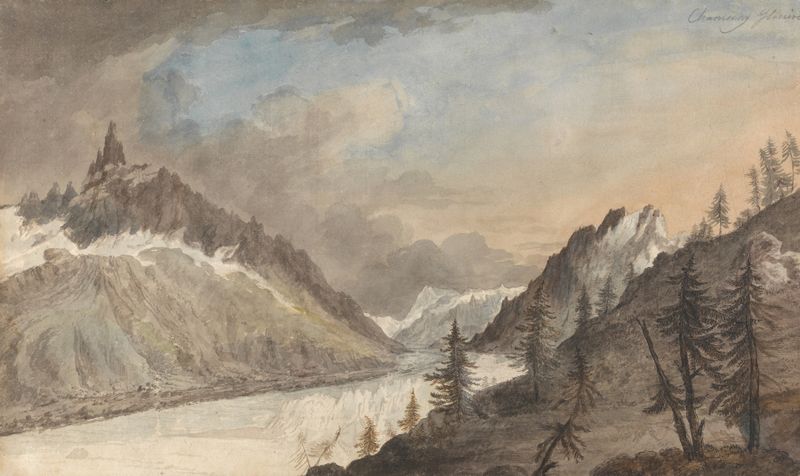
Chamonix, Mer de Glace
Charles Gore

Landing Place at Pallanza
Charles Gore
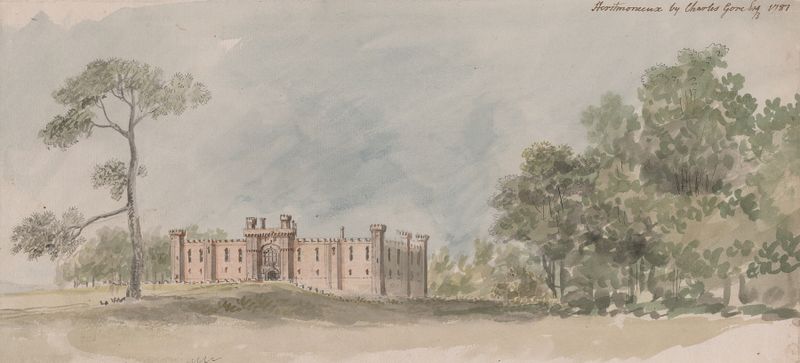
Herstmonceux
Charles Gore

Gate Toward Bursit, Aix-la-Chappelle
Charles Gore

Garden of Vieux Jones near Maastricht
Charles Gore
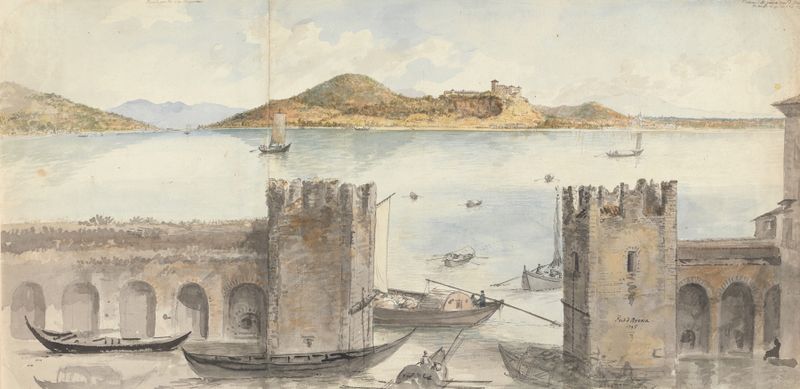
Port d’Arona
Charles Gore





