
Het feestmaal voor de verloren zoon — History & Facts
In a world where loss weaves through the fabric of existence, the allure of hope emerges like sunlight breaking through storm clouds. The struggle between despair and redemption is a timeless theme, one that resonates deeply with the human experience. Direct your gaze to the central figures of the composition, where a celebratory feast unfolds. Notice how Callot arranges the crowd in a tight semicircle around the table, each character animated in their revelry.
The rich hues of deep reds and golden yellows contrast against the muted background, guiding you to the sumptuous array of food and drink. The abundance on the table symbolizes not just pleasure, but the bittersweet nature of reunion, as emotions flicker like shadows among the gathered souls. Within the scene, subtle details reveal poignant truths. The expressions of joy and melancholy intermingle, particularly in the faces of family members, suggesting a story of reconciliation laced with grief.
Look closely at the gestures—a hand raised mid-laughter, an eyes-downcast figure—to witness the dance between celebration and sorrow. This duality speaks to the complexity of forgiveness and the burdens we carry, even in moments of joy. In 1635, the artist captured Het feestmaal voor de verloren zoon, during a period of rich artistic exploration in Europe. Callot was deeply influenced by the Counter-Reformation's focus on morality and redemption, reflecting a world grappling with themes of loss and recovery.
Living in Nancy, he was surrounded by a society eager for stories of hope, which he beautifully encapsulated in this evocative piece.
More Artworks by Jacques Callot
Browse all →
Titelprent voor de prentreeks 'De kleine apostelen' (Het martelaarschap van de apostelen)
Jacques Callot
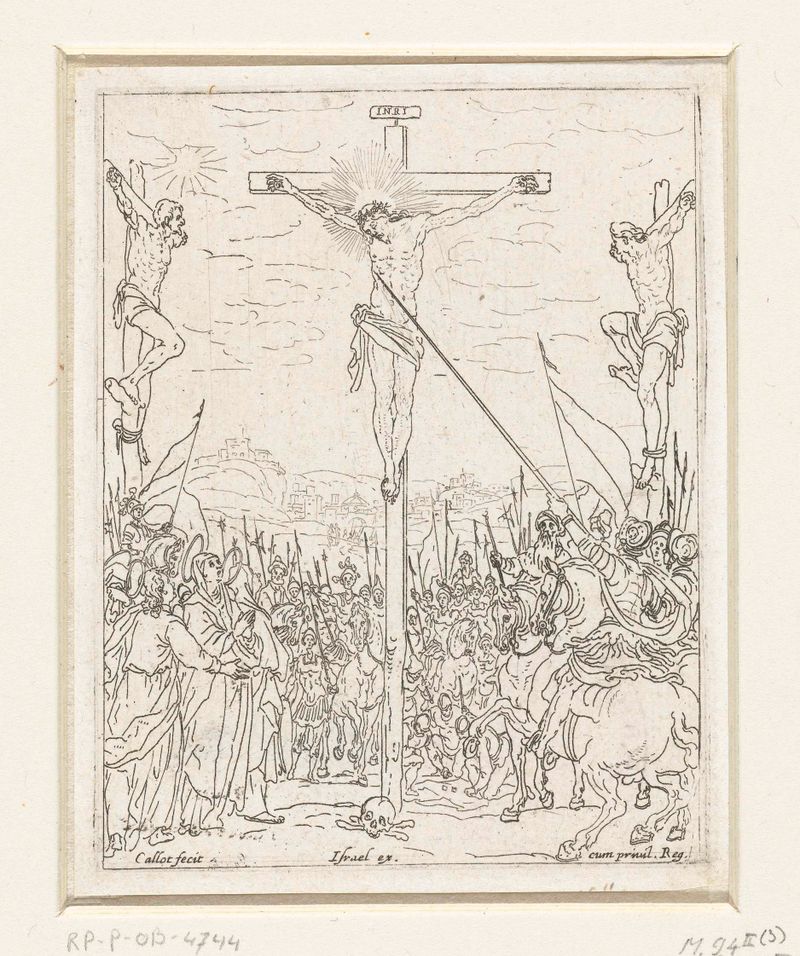
Kruisiging
Jacques Callot

De doortocht door de Rode Zee
Jacques Callot

De verloren zoon als zwijnenhoeder
Jacques Callot

Annunciatie
Jacques Callot
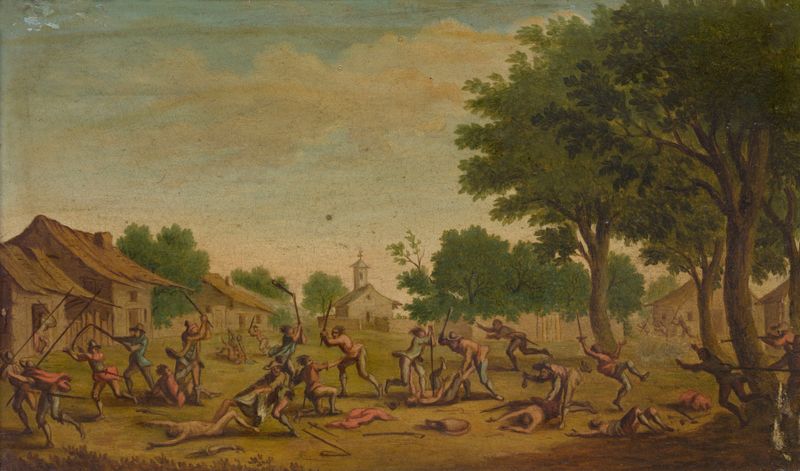
Village Fight
Jacques Callot

Titelprent voor prentreeks 'Het leven van Maria'
Jacques Callot
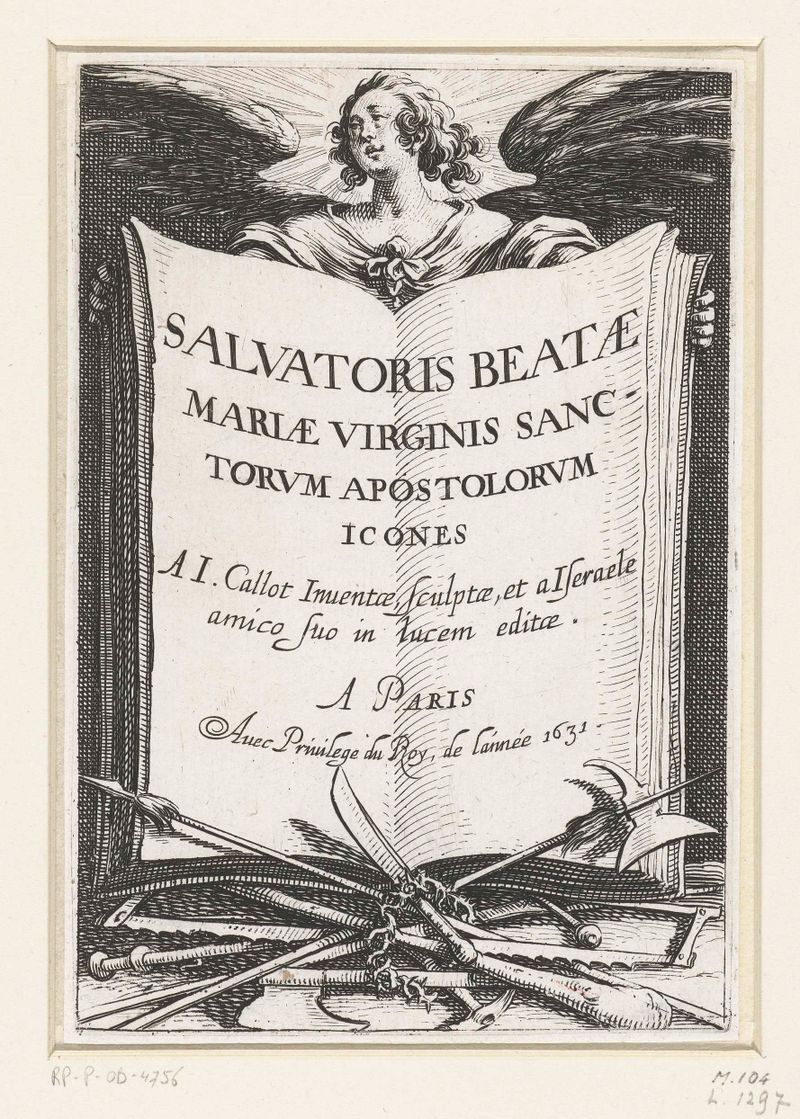
Titelprent voor de prentreeks 'De grote apostelen' (Christus, Maria en de apostelen)
Jacques Callot

Christus aan het volk getoond (Ecce homo)
Jacques Callot
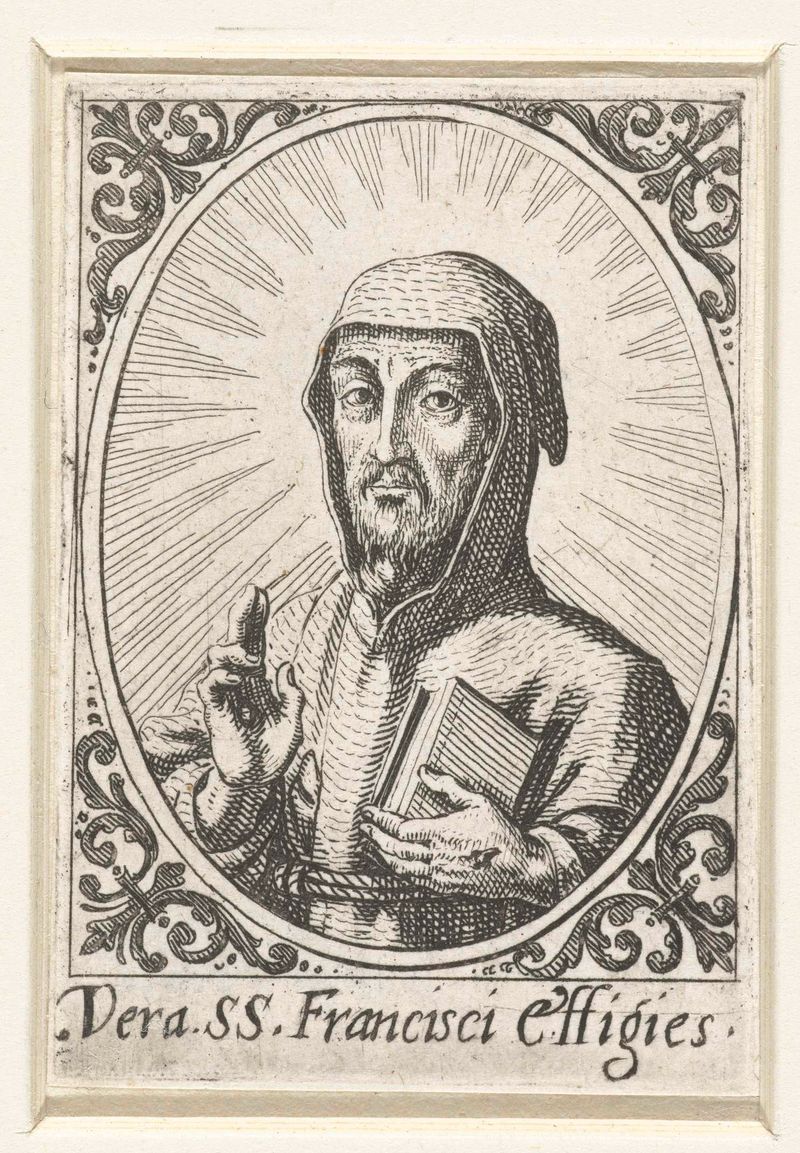
Portret van de Heilige Franciscus
Jacques Callot





