
Het vetgemeste kalf wordt geslacht — History & Facts
In a world steeped in indulgence, the image speaks to the fraught balance between hope and despair, revealing the layers beneath excess. Look closely at the central figures, deeply engrossed in their task, and notice the thick, rolling shadows that frame the scene. The rich, earthy tones contrast starkly against the lighter hues of the flesh, creating a palpable tension. The meticulous detailing of the calf’s body juxtaposed with the animated gestures of the figures emphasizes the weight of the moment, hinting at the inevitability of fate. This painting reveals hidden complexities: the juxtaposition of life and death, the anticipation of transformation, and the cultural implications of consumption.
Each brushstroke captures the gravity of the act, while the expressions of the onlookers reveal an unsettling blend of reverence and detachment. The act of slaying becomes a reflection on the human condition, where hope and despair intertwine like the figures that surround the scene. Jacques Callot painted this work in 1635 during a time of transformation in Europe, marked by the early Baroque movement. Living in Nancy, France, he was deeply influenced by both the social upheavals and the burgeoning interest in realism.
The painting encapsulates the stark realities of life and death that permeated society, reflecting a narrative of both hope and inevitability that characterizes much of his oeuvre.
More Artworks by Jacques Callot
Browse all →
Titelprent voor de prentreeks 'De kleine apostelen' (Het martelaarschap van de apostelen)
Jacques Callot
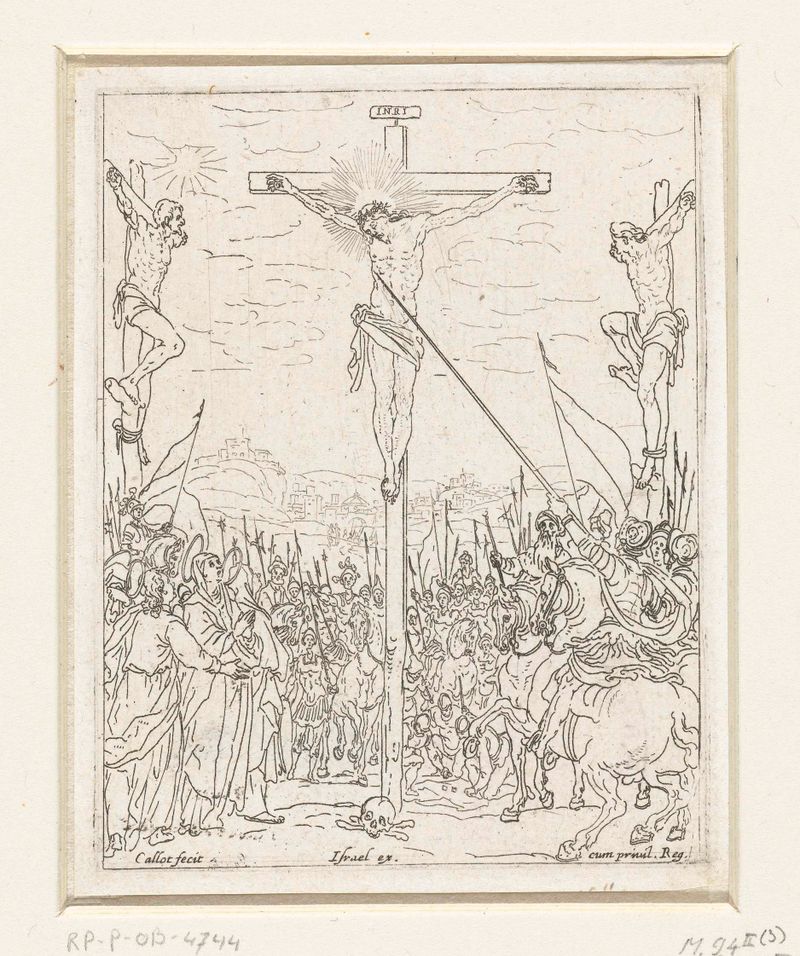
Kruisiging
Jacques Callot

De doortocht door de Rode Zee
Jacques Callot

De verloren zoon als zwijnenhoeder
Jacques Callot

Annunciatie
Jacques Callot
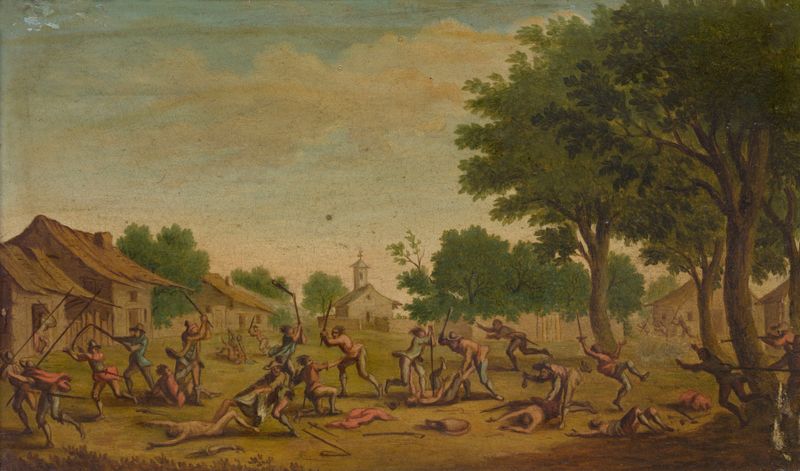
Village Fight
Jacques Callot

Titelprent voor prentreeks 'Het leven van Maria'
Jacques Callot
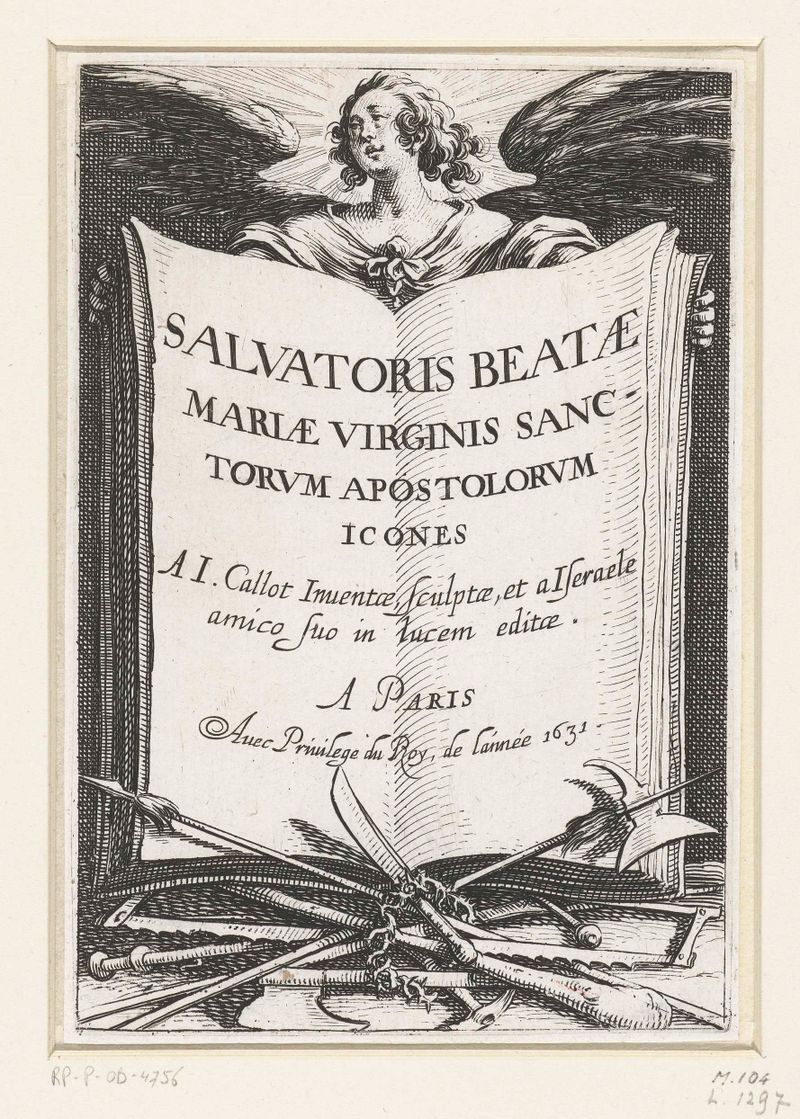
Titelprent voor de prentreeks 'De grote apostelen' (Christus, Maria en de apostelen)
Jacques Callot

Christus aan het volk getoond (Ecce homo)
Jacques Callot
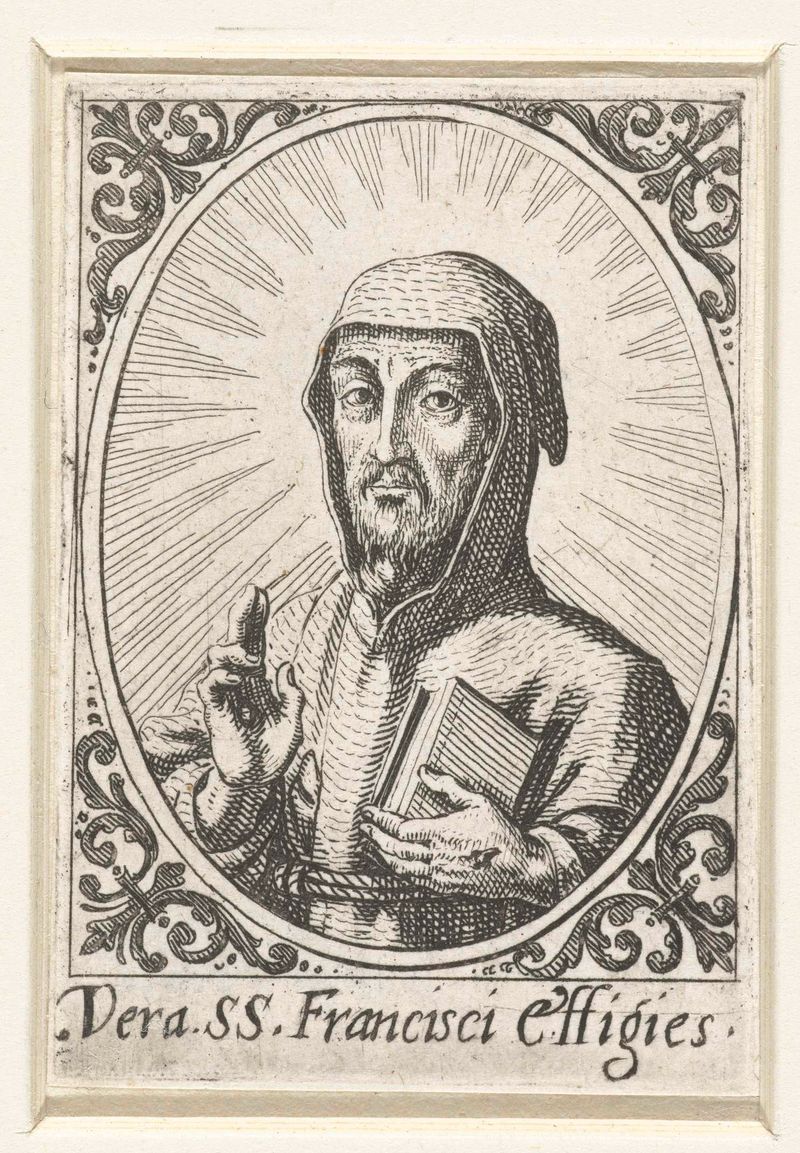
Portret van de Heilige Franciscus
Jacques Callot





