
Hjørnet Af En Bondegård — History & Facts
In the stillness of Hammershøi's world, decay emerges not as a lament but a quiet acceptance of time's passage. Look to the left where the soft light filters through the window, illuminating the worn wooden floor. The muted tones of grey and beige draw the eye toward the delicate interplay of shadow and light. Notice how the walls, textured and peeling, speak of lives lived, while the sparse furnishings cradle their own stories in the echoes of silence.
Each brushstroke feels intentional, a reflection of the artist’s commitment to capturing the everyday with an ethereal quality that feels simultaneously ordinary and profound. In the composition, there is a tension between the comfort of domesticity and the inevitability of decline. The dust motes hanging in the air are not just details; they signify the passage of time and the memories left behind. The sparse arrangement invites contemplation on what remains when the vibrancy of life has faded, while the muted palette emphasizes a sense of nostalgia and introspection, suggesting that decay can be a form of beauty. Hammershøi painted this piece in the early 20th century amidst a resurgence of interest in depictions of domestic interiors.
Living in Denmark, he was influenced by the changes sweeping through Europe, marrying the influence of Impressionism with his unique vision. This work reflects both personal and broader societal shifts, showcasing the artist's ability to capture the essence of a moment while hinting at the larger narratives of existence and time.
More Artworks by Vilhelm Hammershøi
Browse all →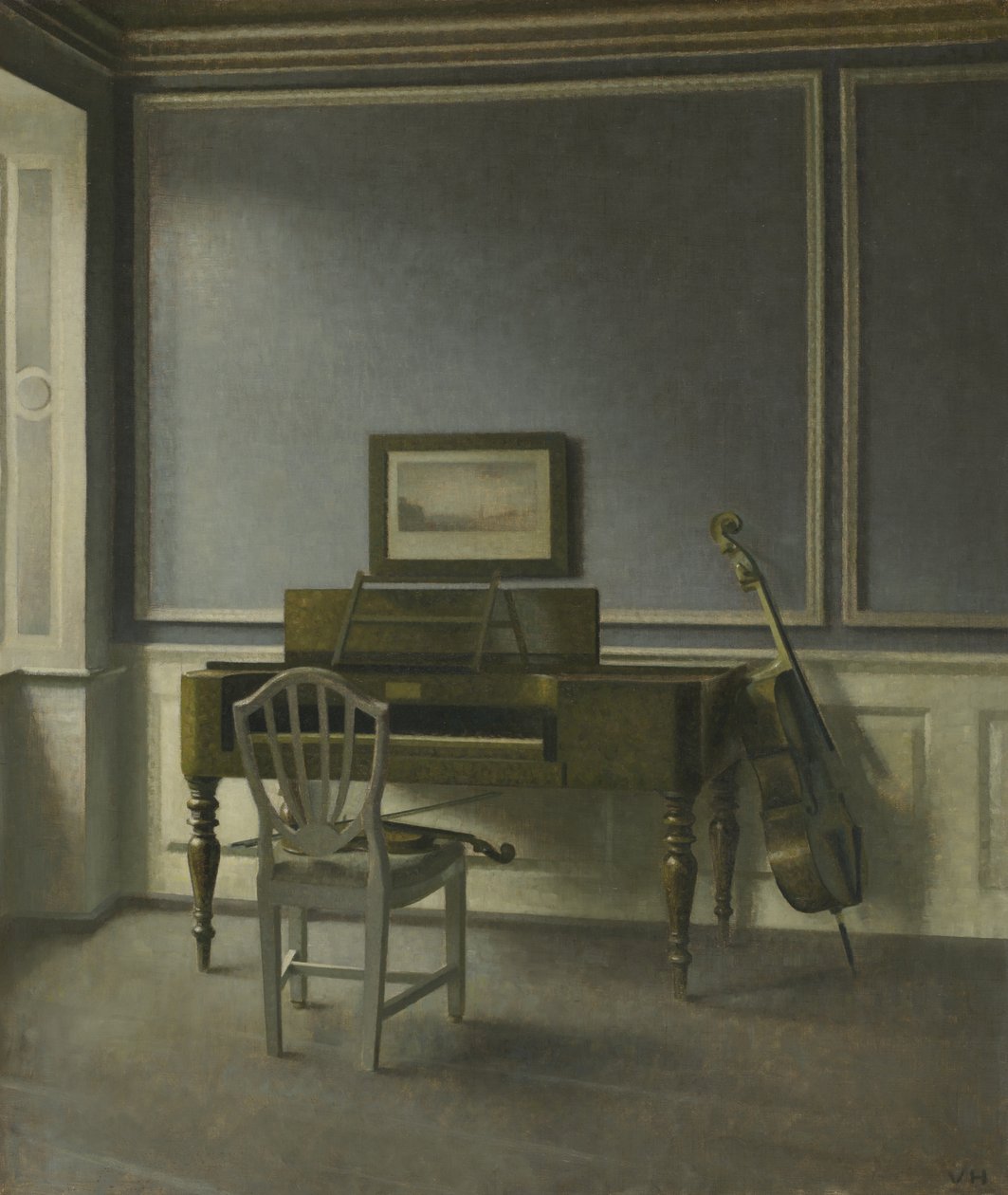
Interior. The Music Room, Strandgade 30
Vilhelm Hammershøi
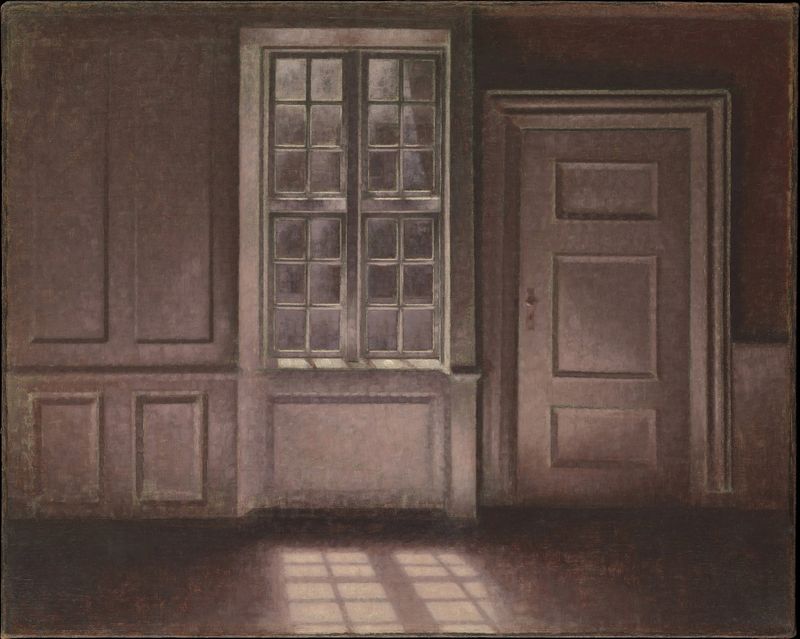
Moonlight, Strandgade 30
Vilhelm Hammershøi
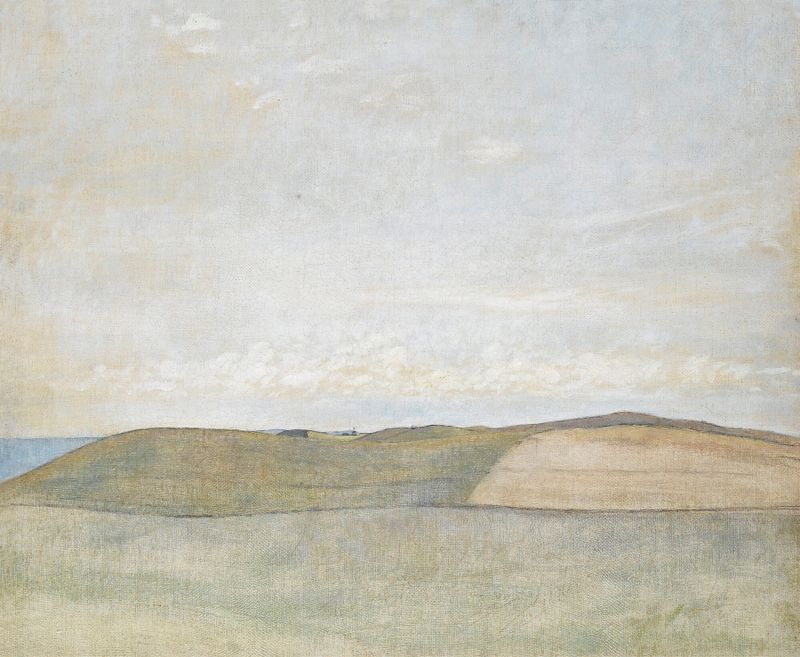
From Refsnæs
Vilhelm Hammershøi

Interior with the Artist’s Easel
Vilhelm Hammershøi

Amalienborg Square, Copenhagen
Vilhelm Hammershøi
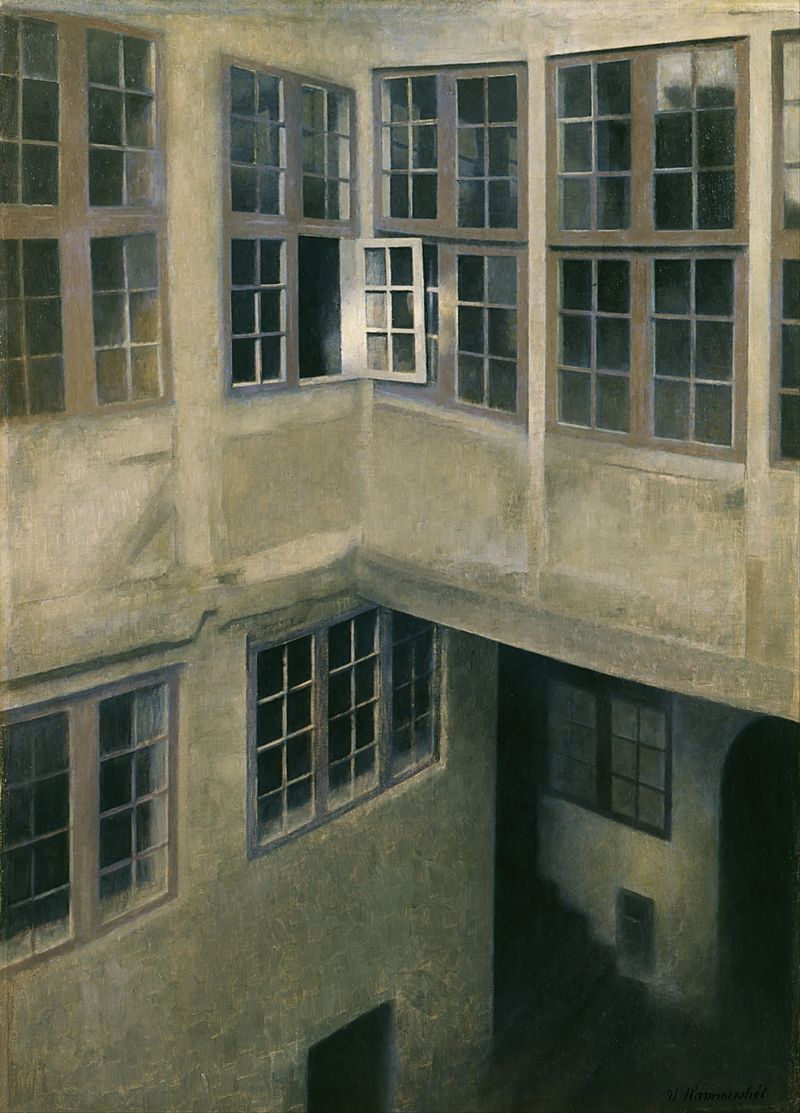
Interior of Courtyard, Strandgade 30
Vilhelm Hammershøi

Søndermarken Park in winter
Vilhelm Hammershøi
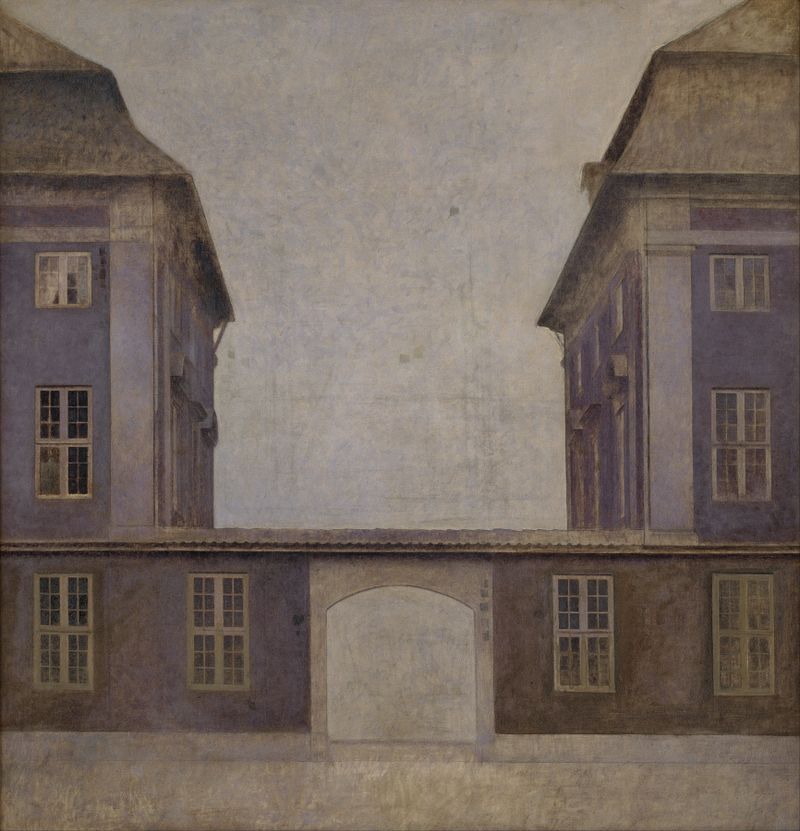
The Buildings of the Asiatic Company, seen from St. Annæ Street
Vilhelm Hammershøi

From Christianshavn’s Canal, Copenhagen
Vilhelm Hammershøi
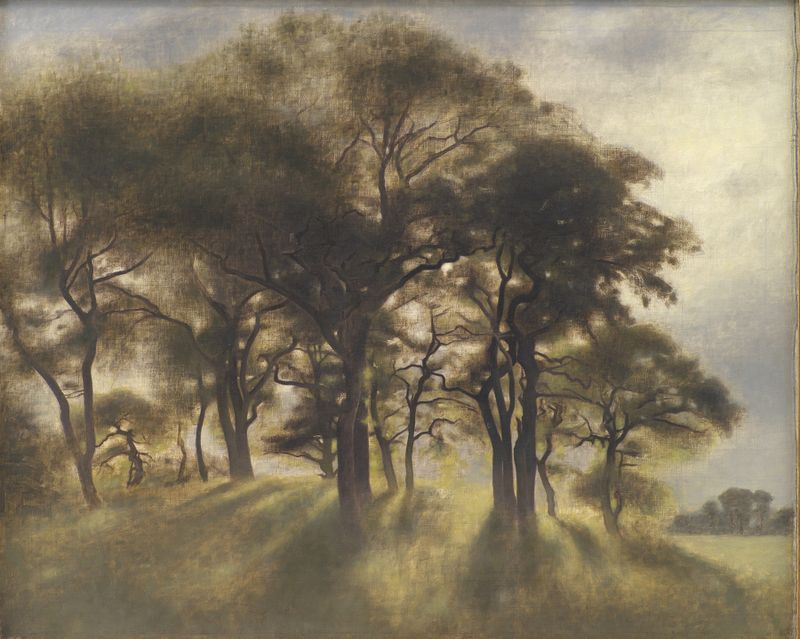
Near Fortunen, Jægersborg Deer Park, North of Copenhagen
Vilhelm Hammershøi





