
‘Hola, hola’ carol — History & Facts
In a world that often celebrates strength and permanence, there is profound beauty in the fragility of life captured within the delicate strokes of this artwork. Now, gaze at the center where the figures gather, their playful yet wistful expressions drawing you in. Notice how the warm palette of yellows and soft blues blankets the scene, evoking a sense of nostalgia. The gentle interplay of light and shadow caresses their forms, reflecting the ephemeral nature of childhood joy.
Your eye may be led from the vibrant flowers in the foreground to the expressions of the children, each gesture frozen in a moment of carefree exuberance. Yet, as you delve deeper, you begin to sense an underlying tension. The children, though engaged in play, seem to balance on the edge of a fleeting moment—a reminder that such innocence will inevitably fade. The contrasting colors symbolize the duality of joy and sorrow; the vividness of their laughter tinged with the knowledge that it is transient.
Each detail, from the intricate patterns of their clothing to the wispy clouds above, reinforces the notion that while these moments are cherished, they are also fleeting. In 1924, Tadeusz Makowski created this piece amid the tumult of post-World War I Europe, a time when loss and recovery colored the lives of many. Living in Paris, the artist was influenced by the burgeoning modernist movements that embraced a blend of expressionism and folk art. His work reflects not only personal memories but also a collective consciousness grappling with fragility in a rapidly changing world.
More Artworks by Tadeusz Makowski
Browse all →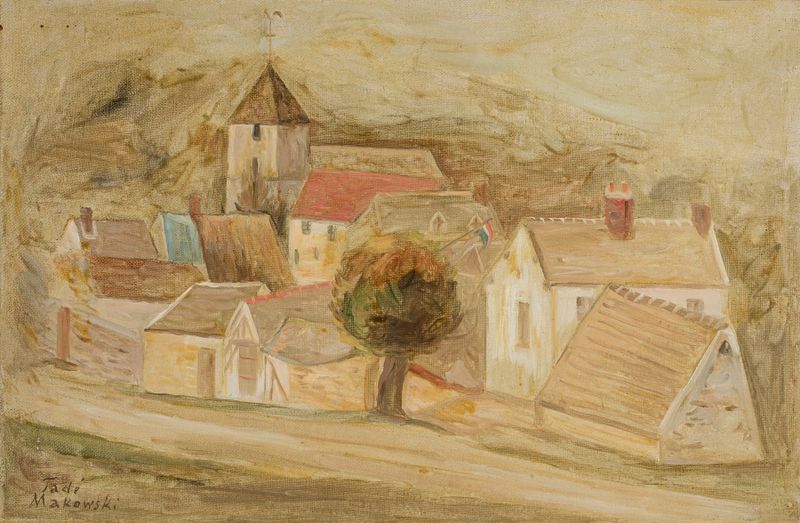
Miasteczko
Tadeusz Makowski

Pejzaż wiosenny
Tadeusz Makowski
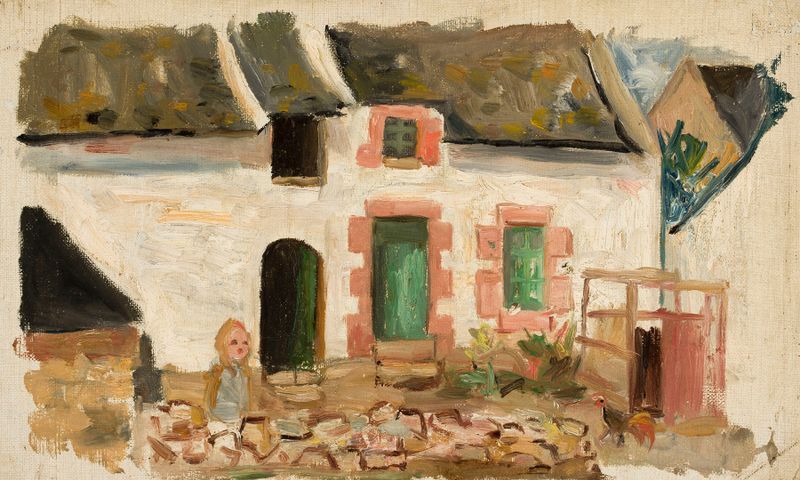
Dziecko przed domem
Tadeusz Makowski
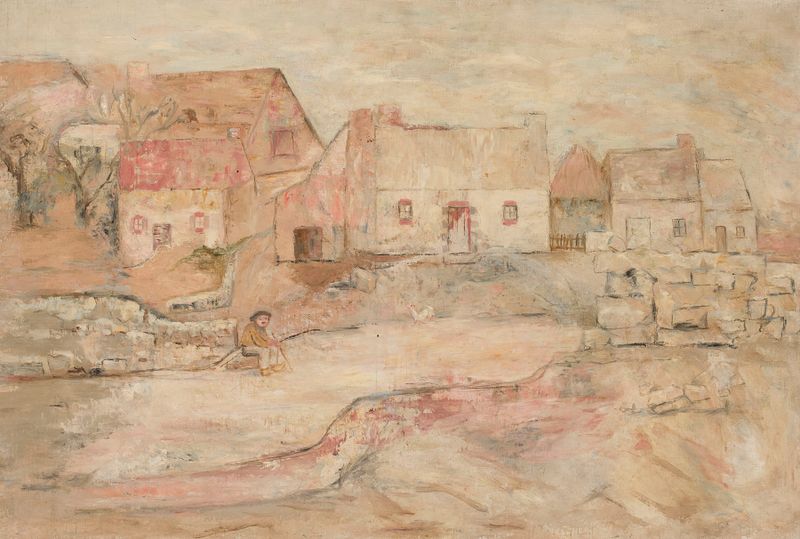
Pejzaż bretoński z siedzącym człowiekiem
Tadeusz Makowski
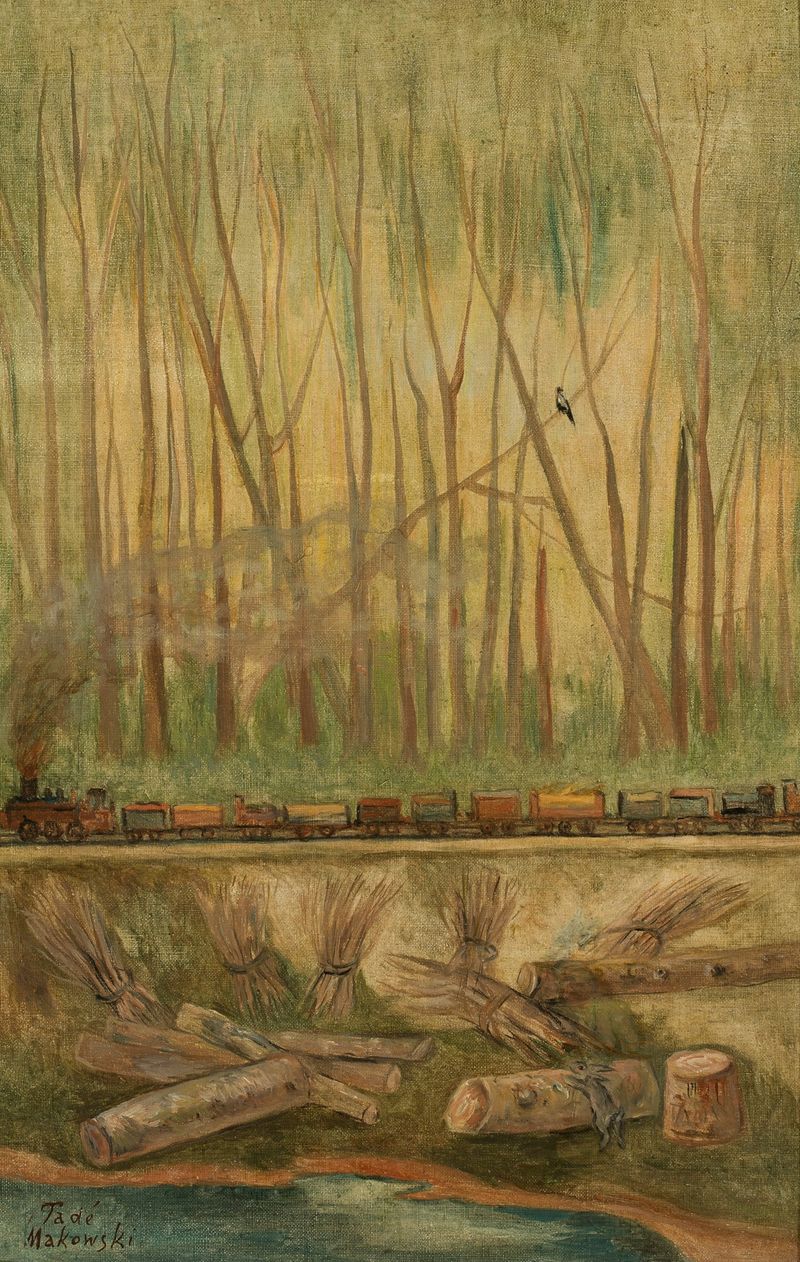
Pociąg
Tadeusz Makowski
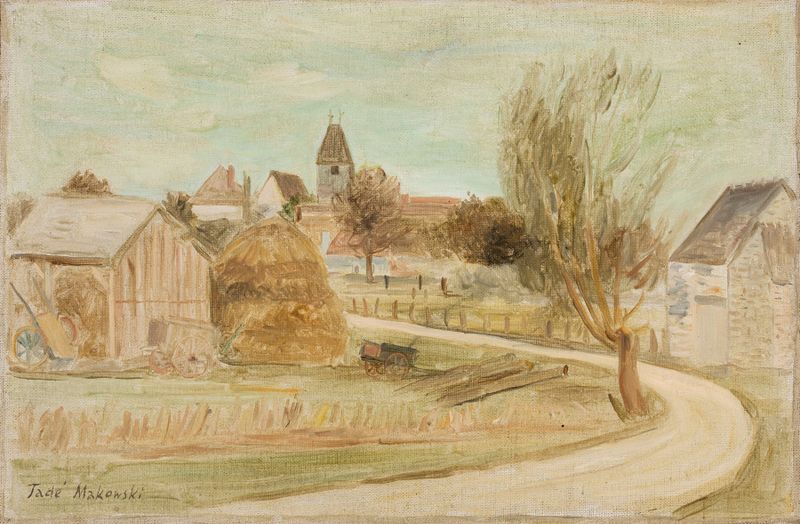
Na skraju wsi
Tadeusz Makowski

Pejzaż miejski (Esplanade des Invalides)
Tadeusz Makowski
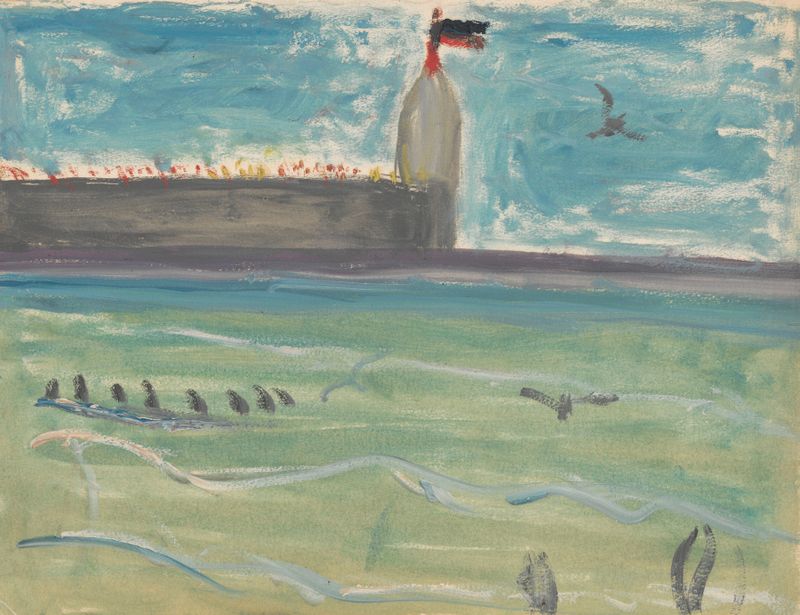
Latarnia morska w Tréport
Tadeusz Makowski
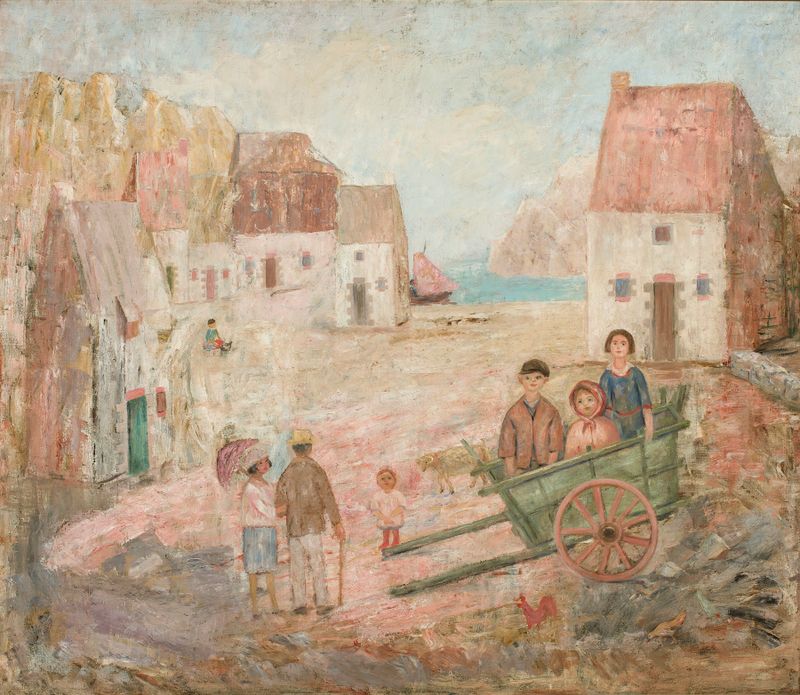
Landscape of a small town with children in a pram
Tadeusz Makowski
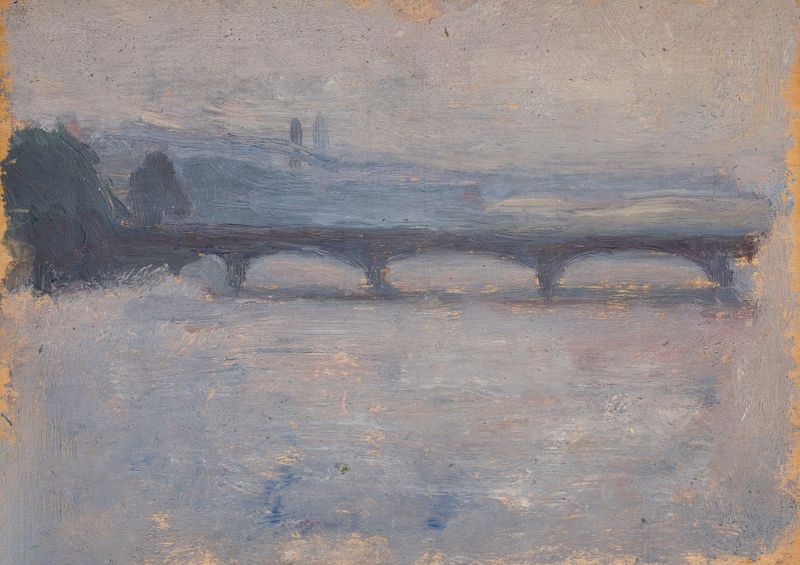
Bridge on the Seine
Tadeusz Makowski





