Hollyhocks – Polish Autumn — History & Facts
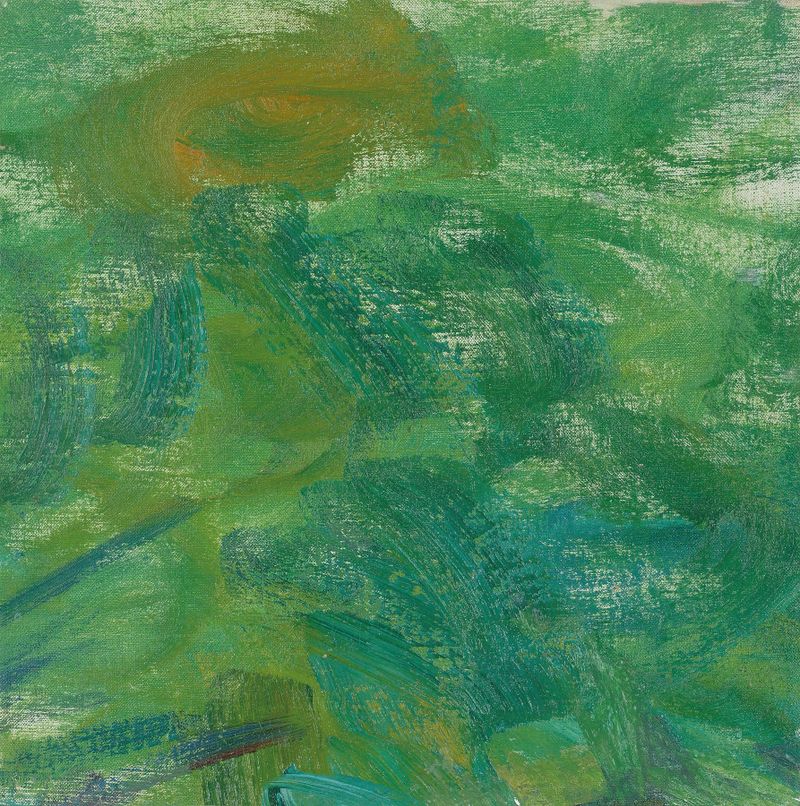
Where does light end, and longing begin? In the delicate interplay of colors on canvas, the answer unfurls with a whisper of destiny. Look closely at the lower right corner, where soft hollyhocks bloom in a cascade of lavender and rose. The brushwork here is loose and fluid, inviting the viewer to feel the petals, almost as if they could breathe in their fragrance. As your gaze moves upward, notice how the light bathes the scene, illuminating the soft, rich greens of leaves and the cool sky.
The composition is balanced yet free, suggesting a harmonious connection between nature and the observer. Beneath the surface beauty, tension simmers in the contrast between the vibrant blooms and the muted backdrop of autumn. The warm tones of the flowers stand in stark opposition to the waning light of the season, embodying both the fleeting joy of life and the encroaching chill of change. Each brushstroke seems to carry an echo of nostalgia, evoking memories of summer's warmth now slipping away, hinting at the bittersweet nature of existence intertwined with our destinies. In 1900, Jan Stanisławski painted this work during a period of personal growth and exploration.
Living in Poland, he was deeply influenced by the burgeoning Symbolist movement, which sought to express emotional experience through symbolism rather than realism. This piece reflects the shift in his artistic approach, embracing a more expressive style that captured not only the physical beauty of nature but also the deeper emotions it inspired.
More Artworks by Jan Stanisławski
Browse all →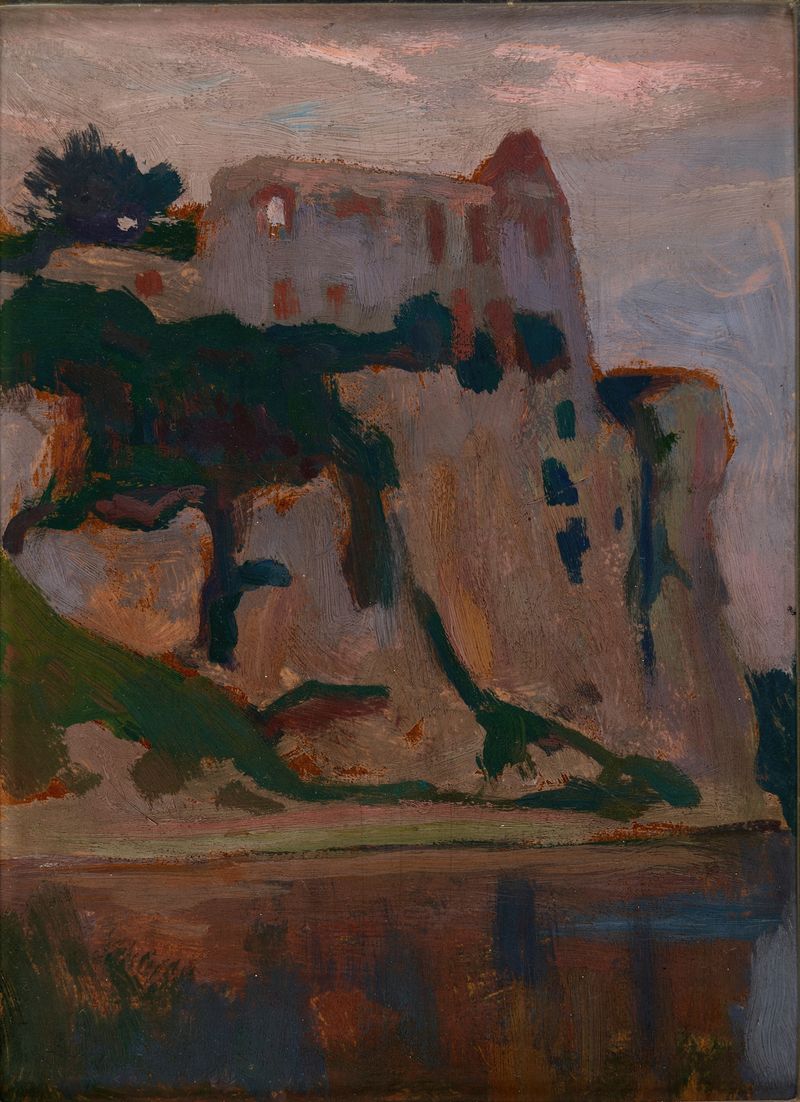
Tyniec at Dawn
Jan Stanisławski
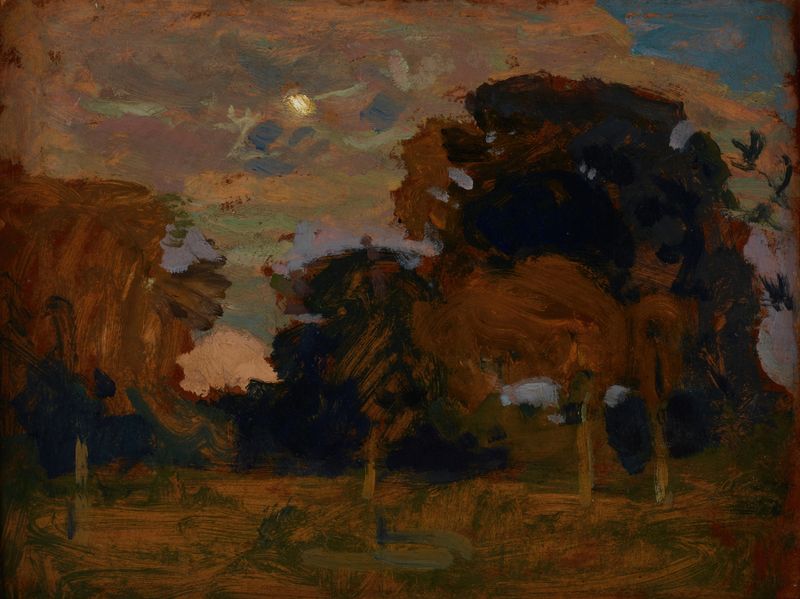
Moon in the Clouds
Jan Stanisławski
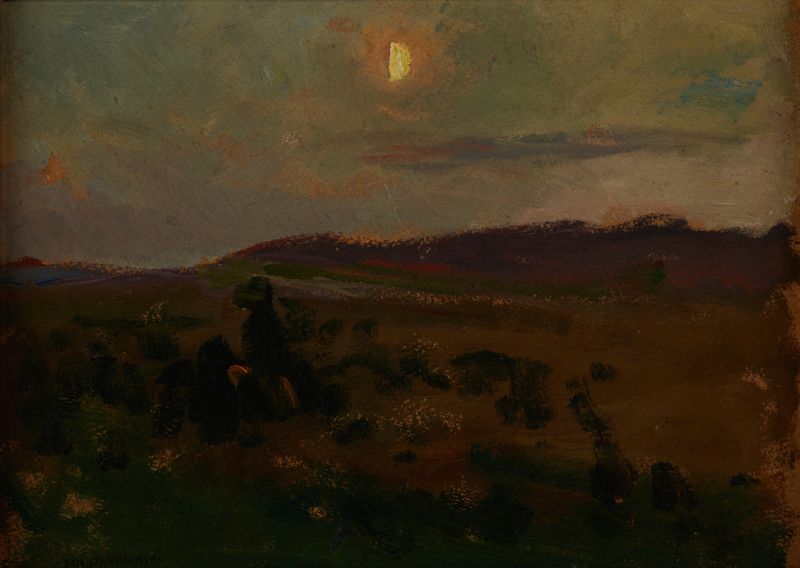
Moonrise
Jan Stanisławski
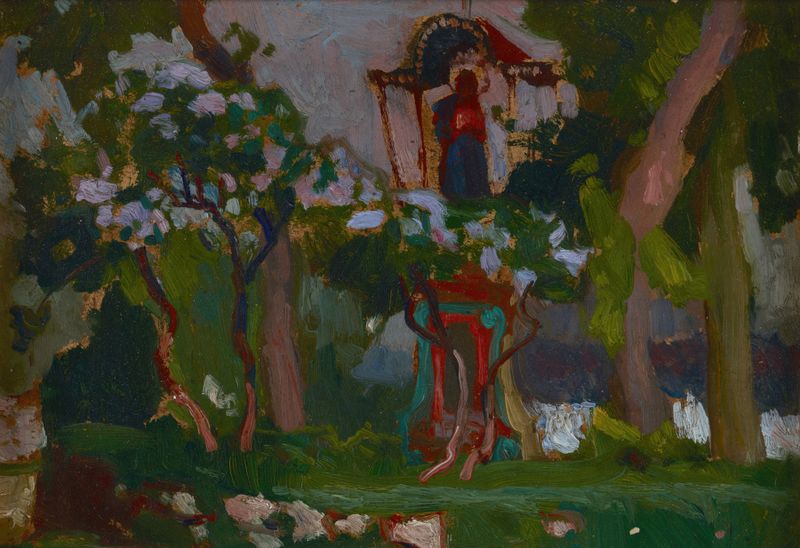
May
Jan Stanisławski
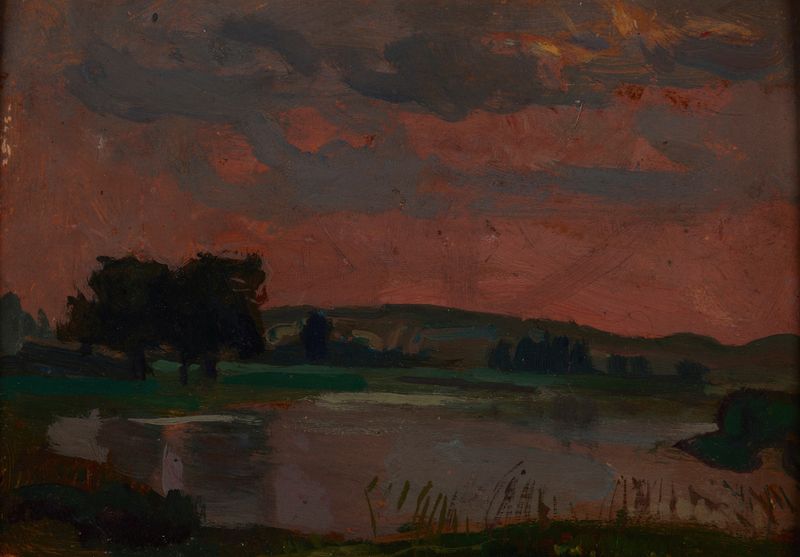
The Vistula in the Twilight
Jan Stanisławski
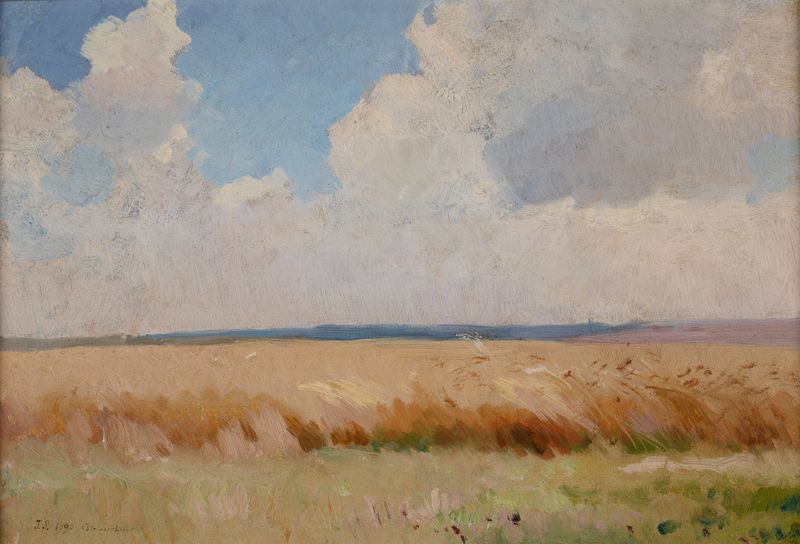
Field at Białocerkiew (Bila Tserkva)
Jan Stanisławski
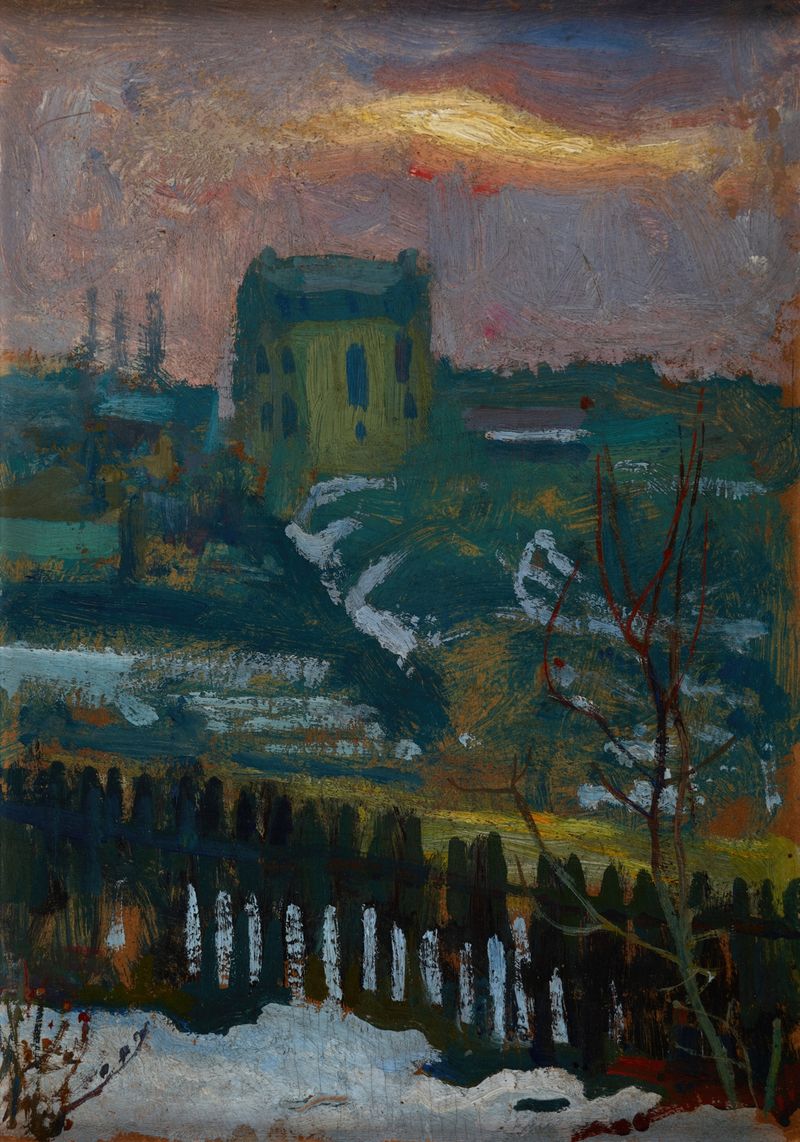
House in Winter
Jan Stanisławski
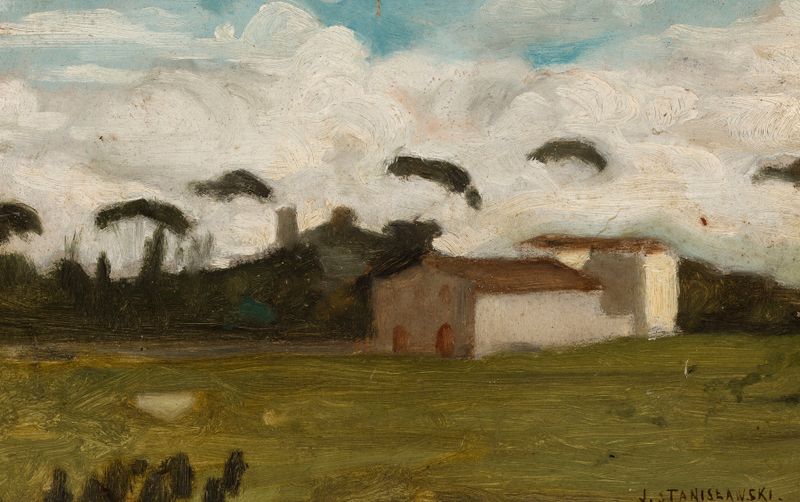
Landscape
Jan Stanisławski
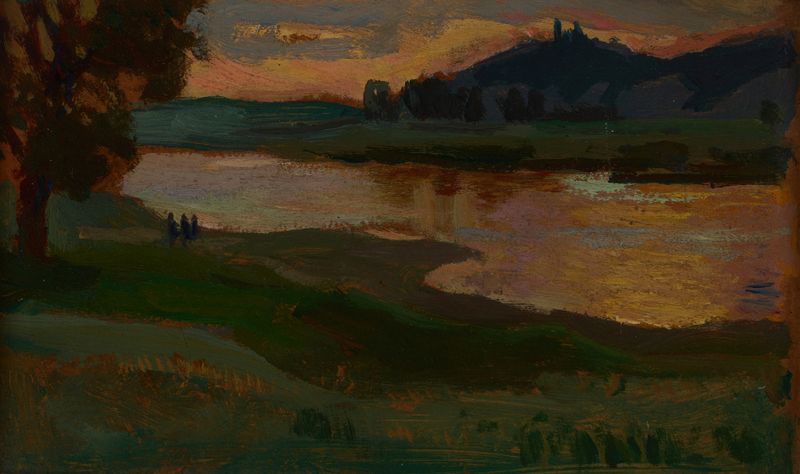
Bielany at Dusk
Jan Stanisławski
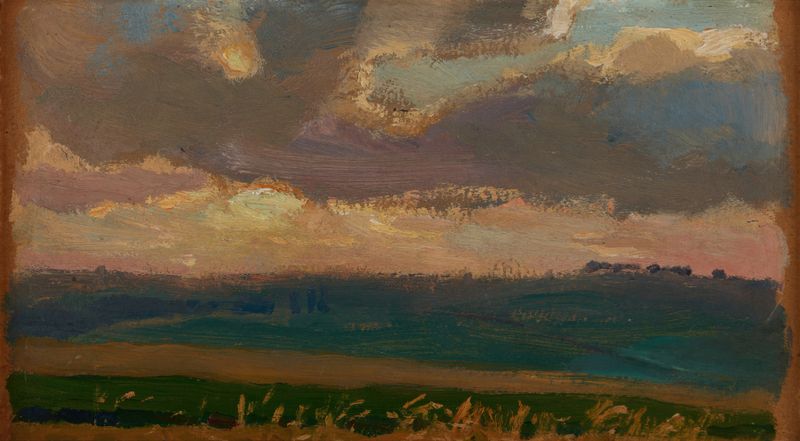
Fields at Proszowice
Jan Stanisławski