
Holy family and Saint Willibrord — History & Facts
A sweep of crimson drapery opens the scene, drawing the eye upward to a moment of encounter on a marble stair. At its heart, the infant Christ leans eagerly from his mother’s lap toward a richly robed elder, whose outstretched hand and ornate crozier signal reverence and recognition. The painter sets the Holy Family not in humble obscurity, but among grand architecture and under the watchful gaze of cherubs who descend through clouds, bearing lilies and palm—a sign of purity and triumph.
The warm, golden light pools around Mary’s gentle face and the child’s reaching arms, while Joseph stands quietly behind, his presence both protective and contemplative. Every gesture is a thread in the tapestry: the child’s forward motion, the saint’s humble approach, the interplay of glances that binds the figures together in a silent conversation. Painted in 1630, this work belongs to the world of the early seventeenth century, when artists in the Southern Netherlands reveled in theatrical compositions and sumptuous color. Altarpieces and private devotional paintings like this were often commissioned by wealthy patrons or religious orders eager to display both piety and taste, and the inclusion of an additional saint—here, a bishop in elaborate vestments—suggests a local or personal significance lost to us now.
While the painter, Abraham Jansz. van Diepenbeeck, is known for his collaborations and glass designs, history has kept few traces of the journey of this particular canvas, now housed in the Landesmuseum Oldenburg. What remains is the vivid immediacy of the encounter, inviting the viewer to step onto those marble stairs and witness the exchange for themselves.
More Artworks by Abraham Jansz. van Diepenbeeck
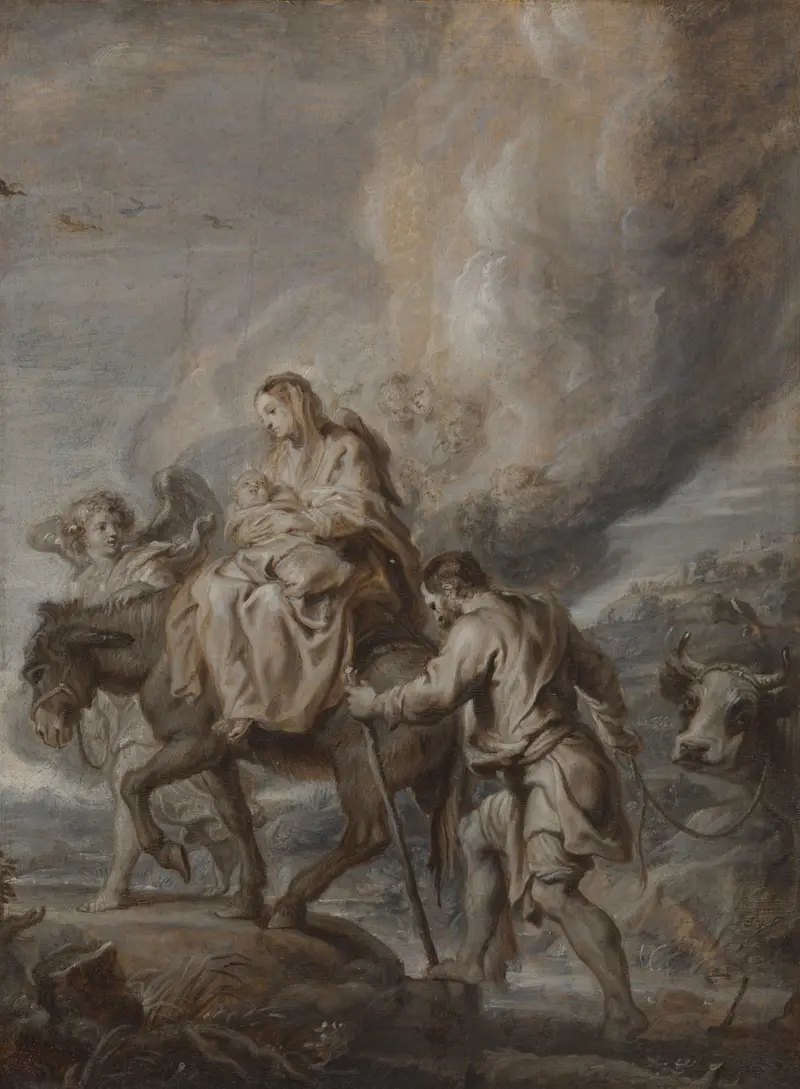
The Flight into Egypt
Abraham Jansz. van Diepenbeeck
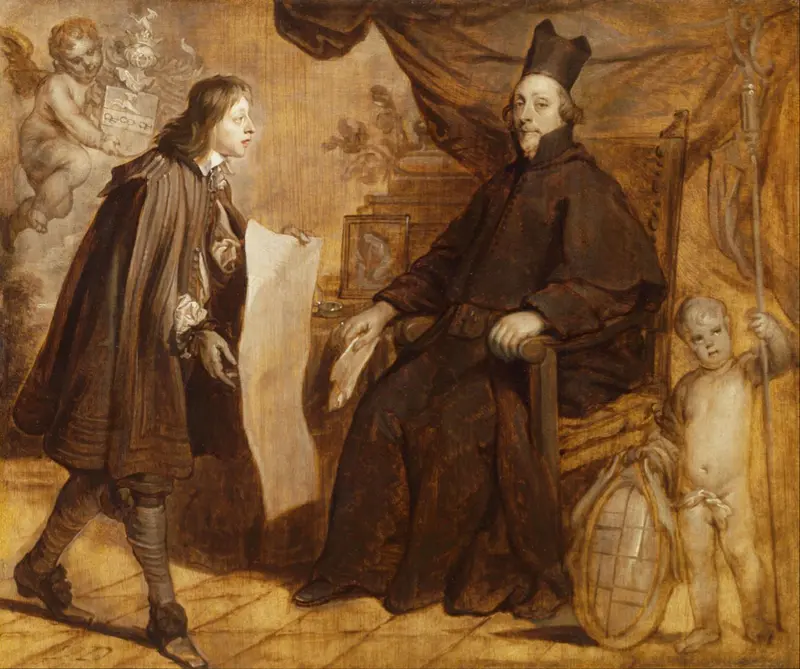
Portrait of a Prelate and a Young Man
Abraham Jansz. van Diepenbeeck
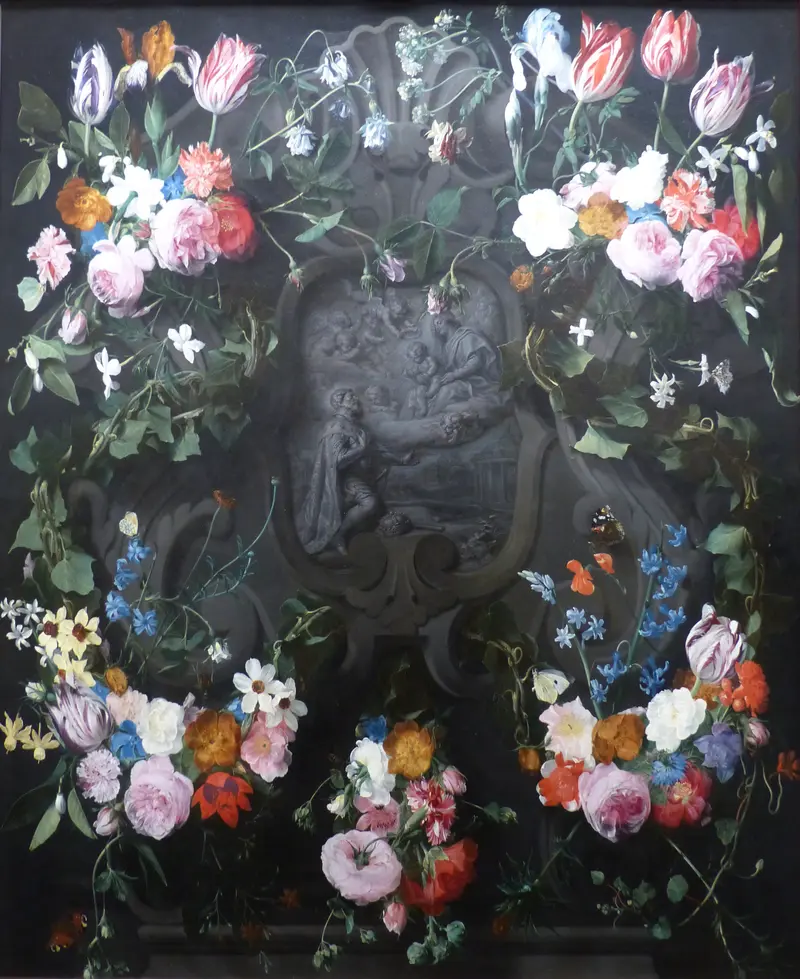
Guirlande de fleurs avec l'apparition de la Vierge-à-l'Enfant à St Léopold
Abraham Jansz. van Diepenbeeck
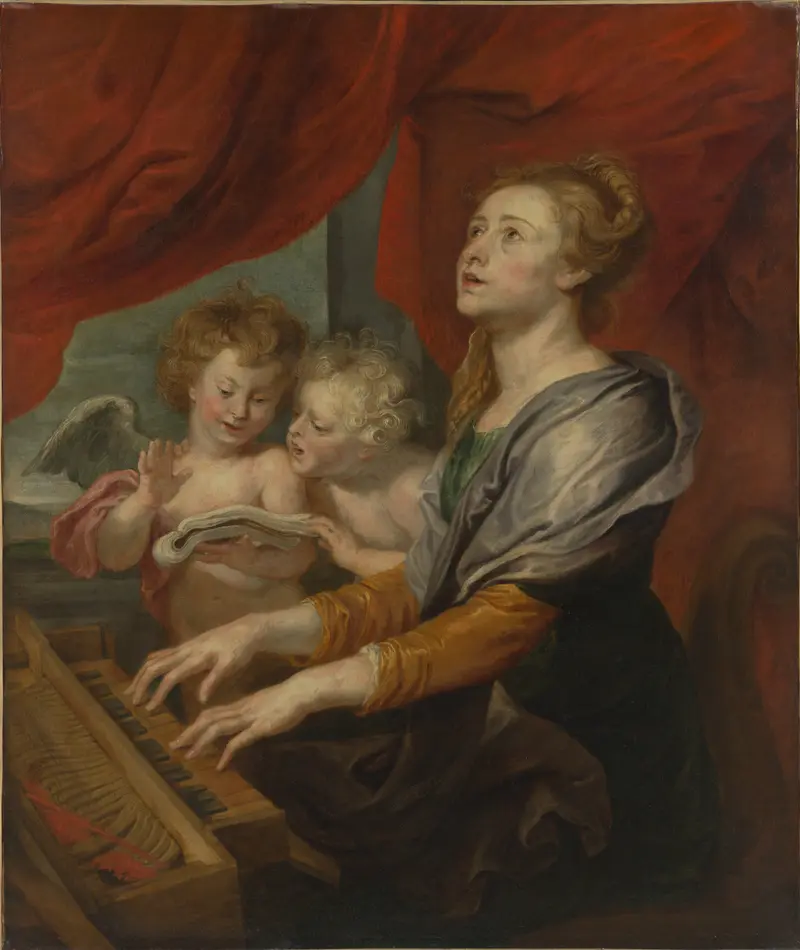
Saint Cecilia
Abraham Jansz. van Diepenbeeck
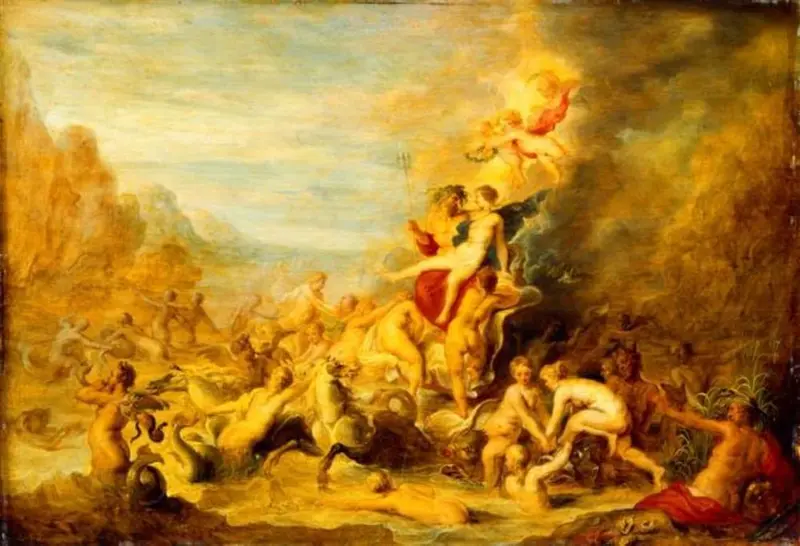
Triumph of Neptune and Amphitrite
Abraham Jansz. van Diepenbeeck
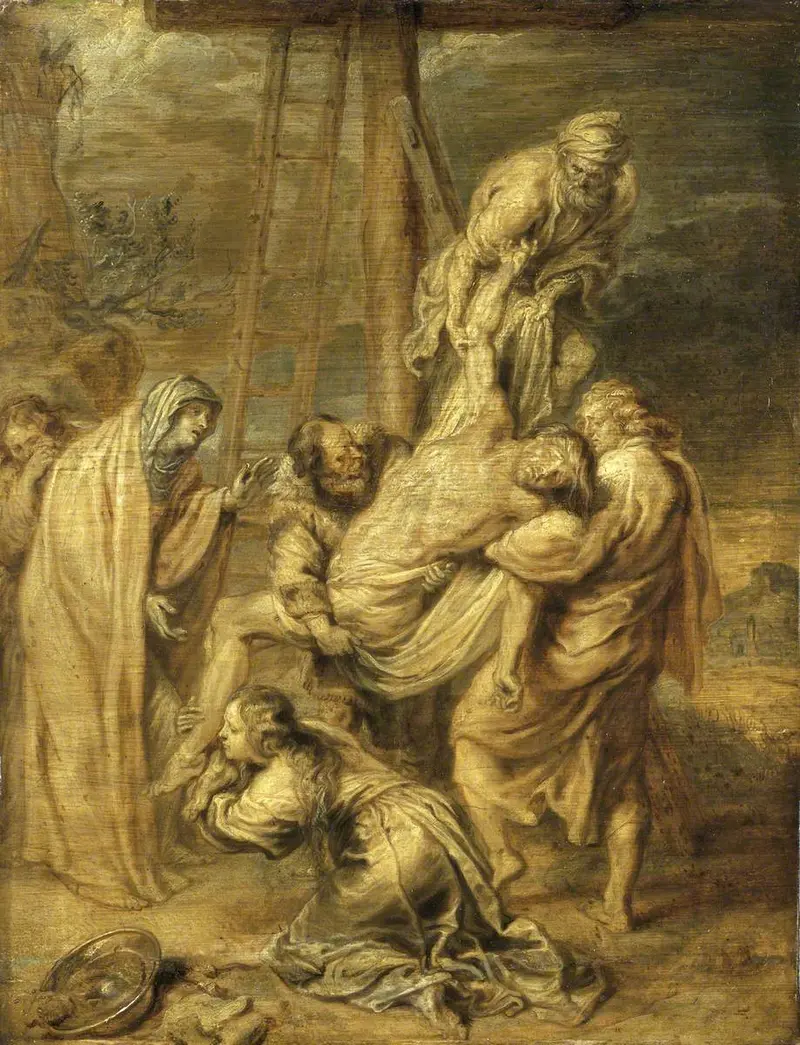
The Deposition
Abraham Jansz. van Diepenbeeck
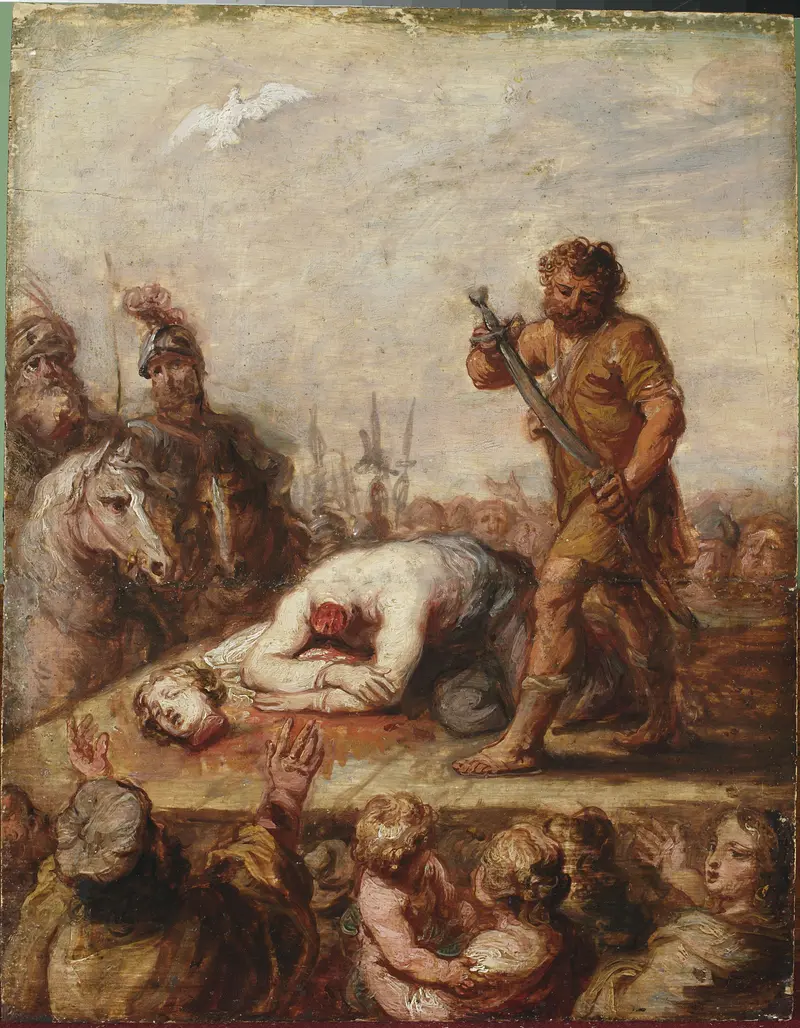
Sketch for a Decapitation of a Saint Woman (St. Catherine?)
Abraham Jansz. van Diepenbeeck
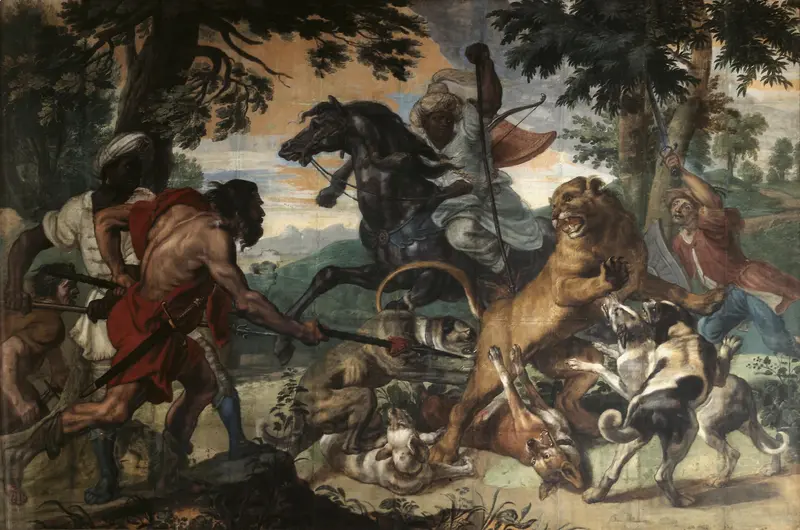
Lion Hunting
Abraham Jansz. van Diepenbeeck
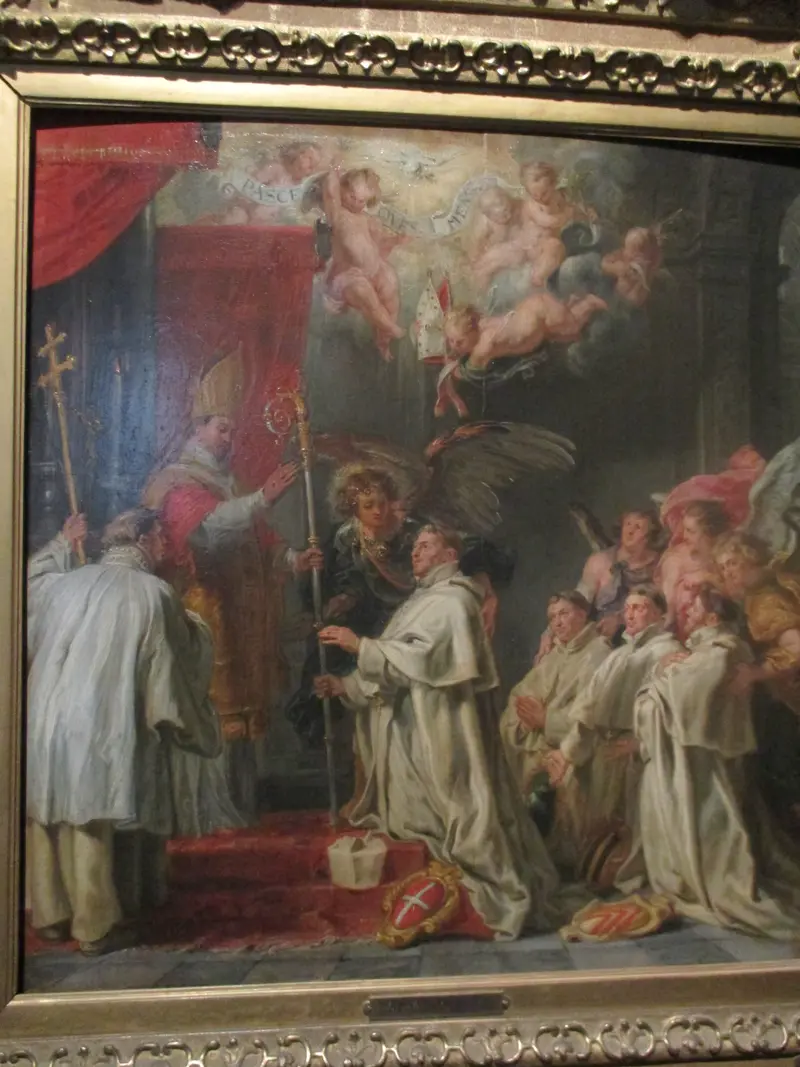
The archangel Michael supports the blessed Waltmann, who is being consecrated abbot by Saint Norbert
Abraham Jansz. van Diepenbeeck
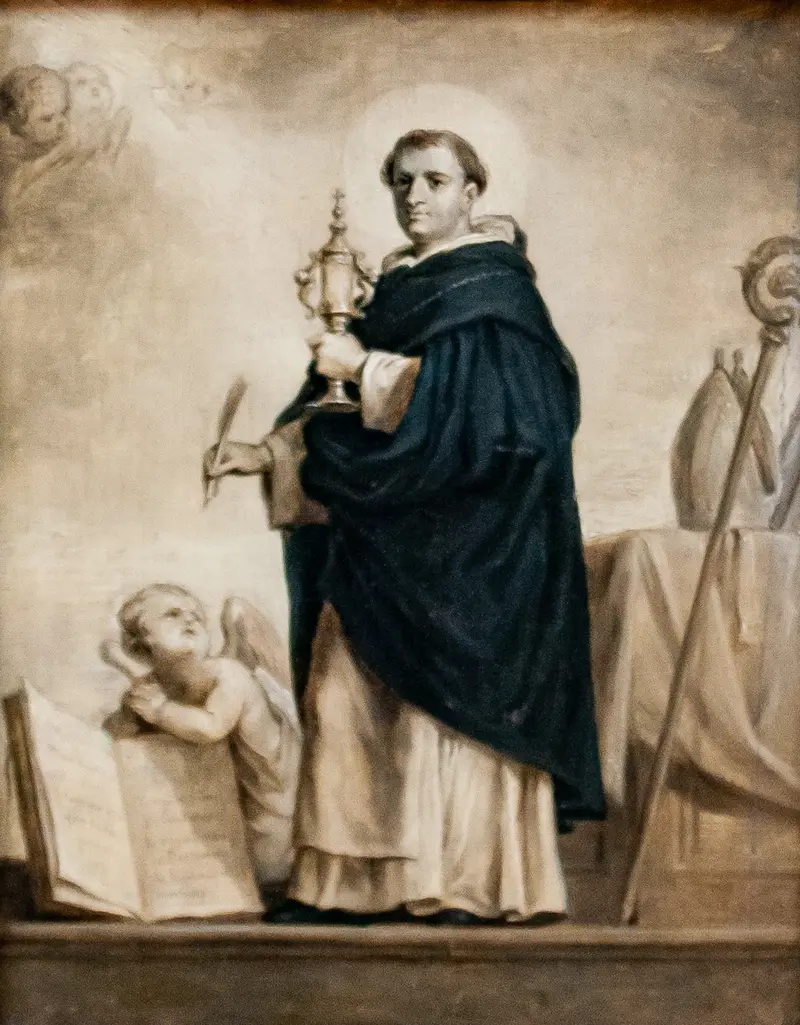
Diepenbeek Saint Thomas d'Aquin
Abraham Jansz. van Diepenbeeck





