
Sketch for a Decapitation of a Saint Woman (St. Catherine?) — History & Facts
A single moment of violence and faith is caught here, raw and unpolished, as if the artist’s hand could barely keep pace with the urgency of the story. The executioner’s sword is still raised, his face set in grim concentration, while the saint’s body collapses forward, blood pooling beneath her. The crowd at the lower edge recoils or reaches out, their gestures echoing the swirl of emotion—horror, awe, perhaps even hope.
Above it all, a white dove hovers in a shaft of light, a sign of spiritual release that cuts through the earthbound brutality. The rough, energetic brushwork pulls the viewer into the chaos, refusing to let the eye rest on any one figure for long. Works like this sketch, made in 1640 by Abraham Jansz. van Diepenbeeck, belong to a world where martyrdom was both a warning and an inspiration, painted for churches or private devotion in the Baroque age.
The drama and immediacy reflect the era’s fascination with the extremes of human experience—pain, sacrifice, redemption—often commissioned by religious patrons eager to stir the soul. History has kept few traces of the journey this particular painting took before arriving at the National Museum in Warsaw, but its urgency and unfinished quality speak to the restless creativity of its time. Look again at the dove, at the crowd’s outstretched hands, and consider what stories of courage and witness the seventeenth century needed to tell.
More Artworks by Abraham Jansz. van Diepenbeeck
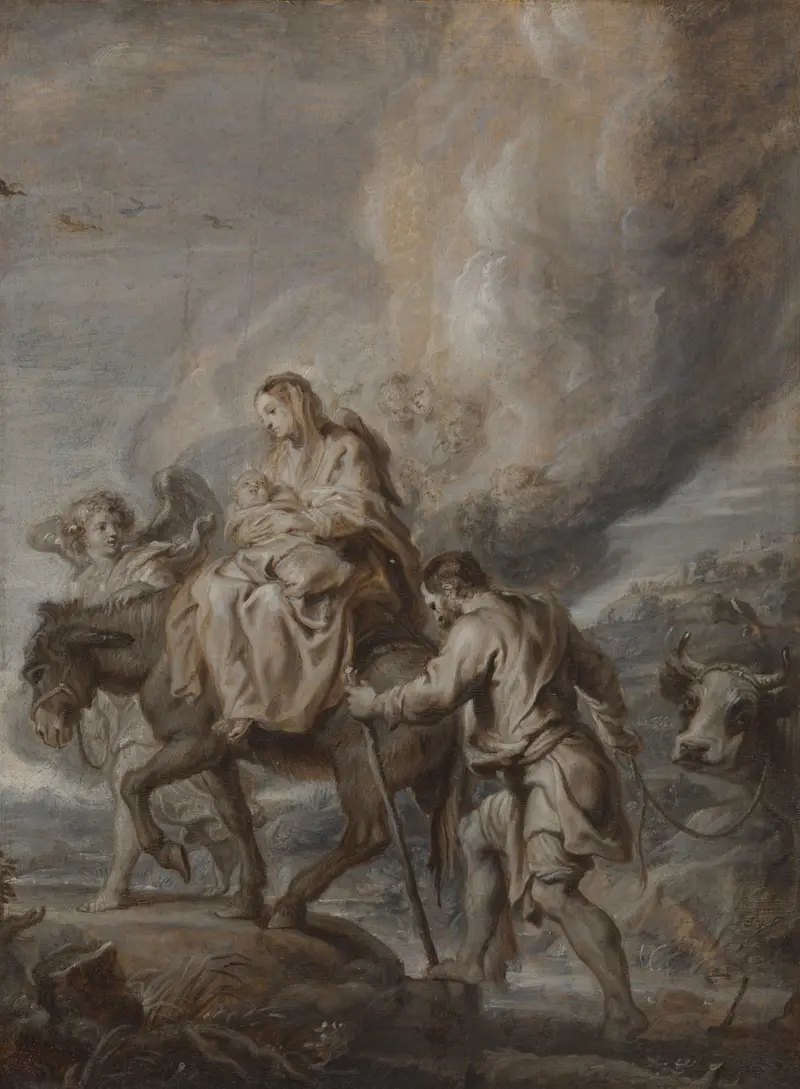
The Flight into Egypt
Abraham Jansz. van Diepenbeeck
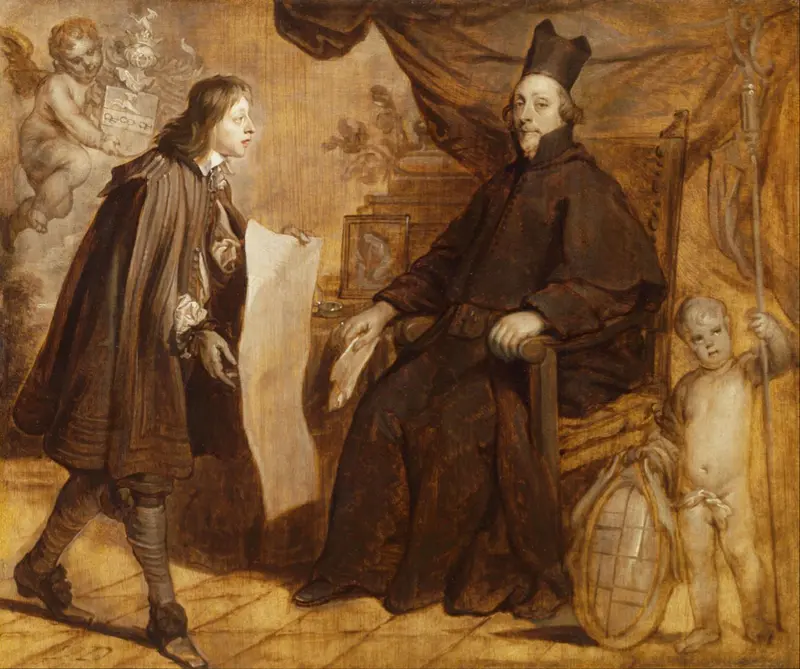
Portrait of a Prelate and a Young Man
Abraham Jansz. van Diepenbeeck
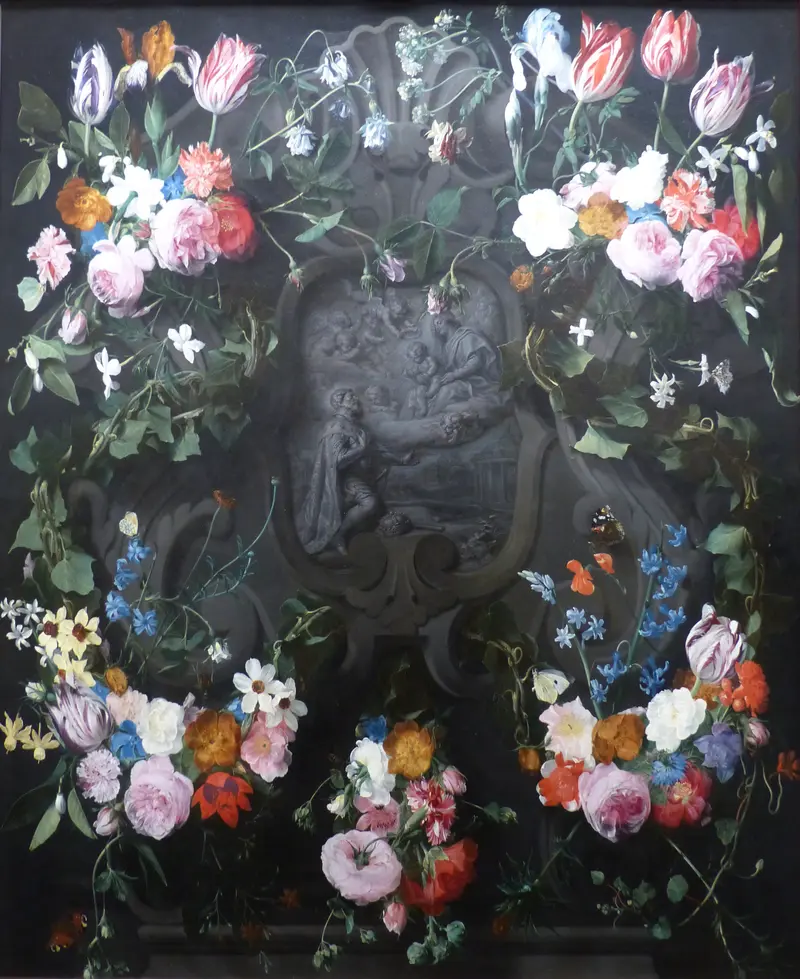
Guirlande de fleurs avec l'apparition de la Vierge-à-l'Enfant à St Léopold
Abraham Jansz. van Diepenbeeck
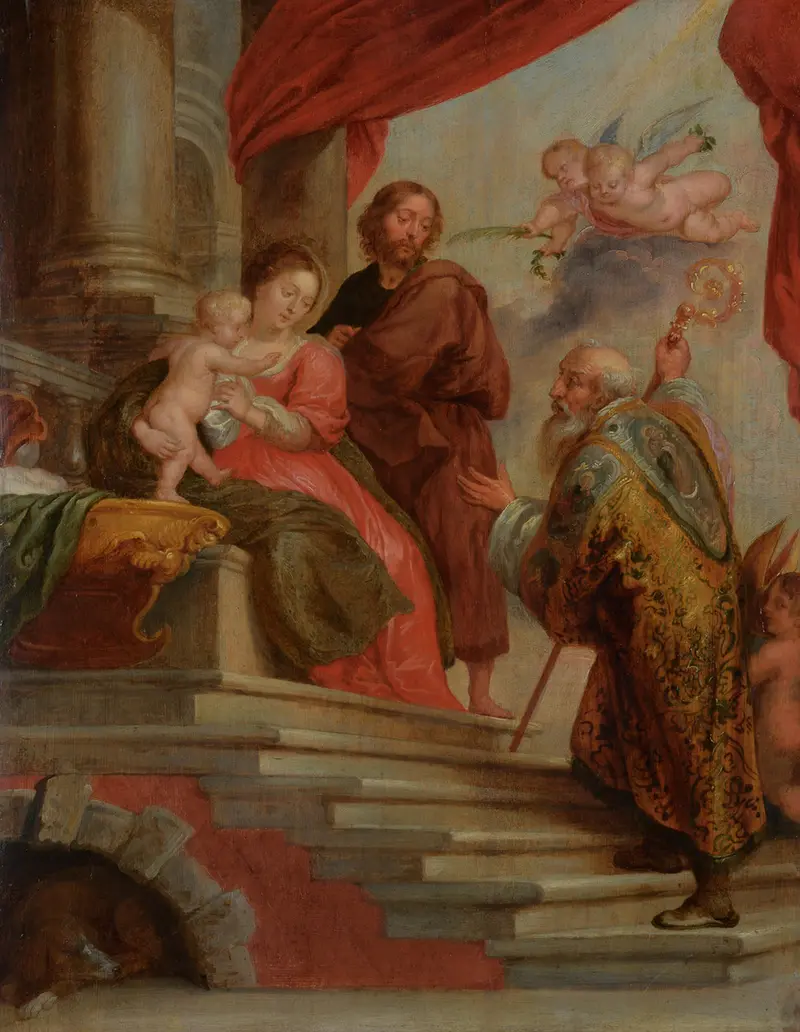
Holy family and Saint Willibrord
Abraham Jansz. van Diepenbeeck
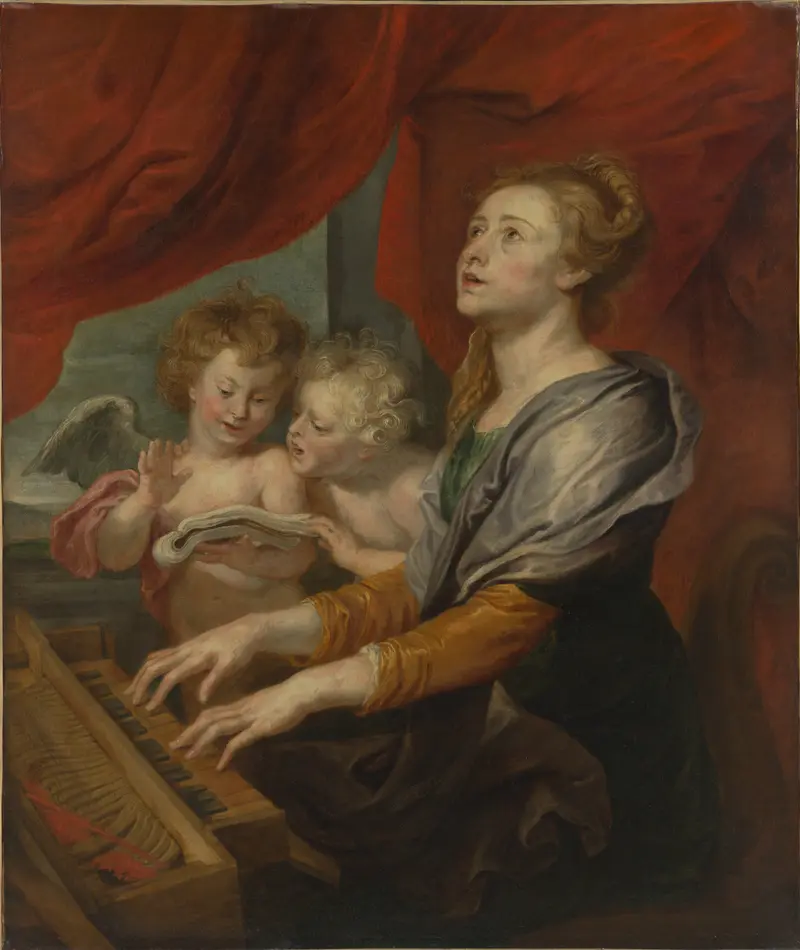
Saint Cecilia
Abraham Jansz. van Diepenbeeck
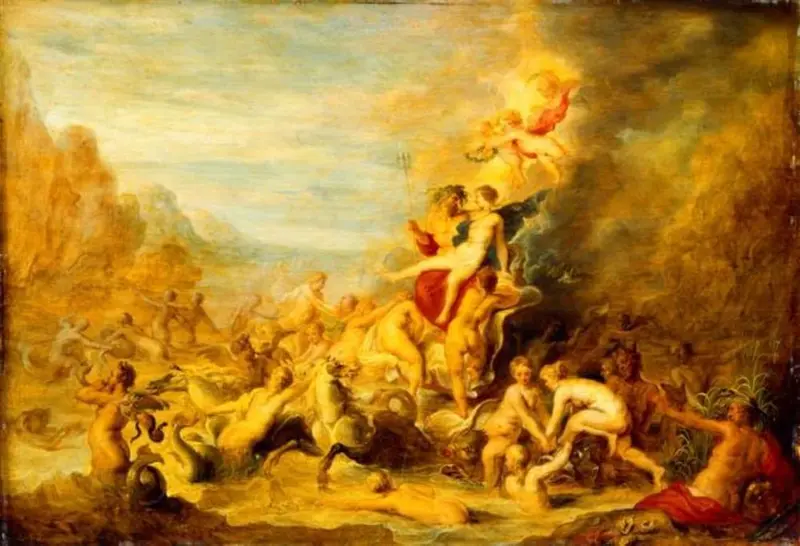
Triumph of Neptune and Amphitrite
Abraham Jansz. van Diepenbeeck
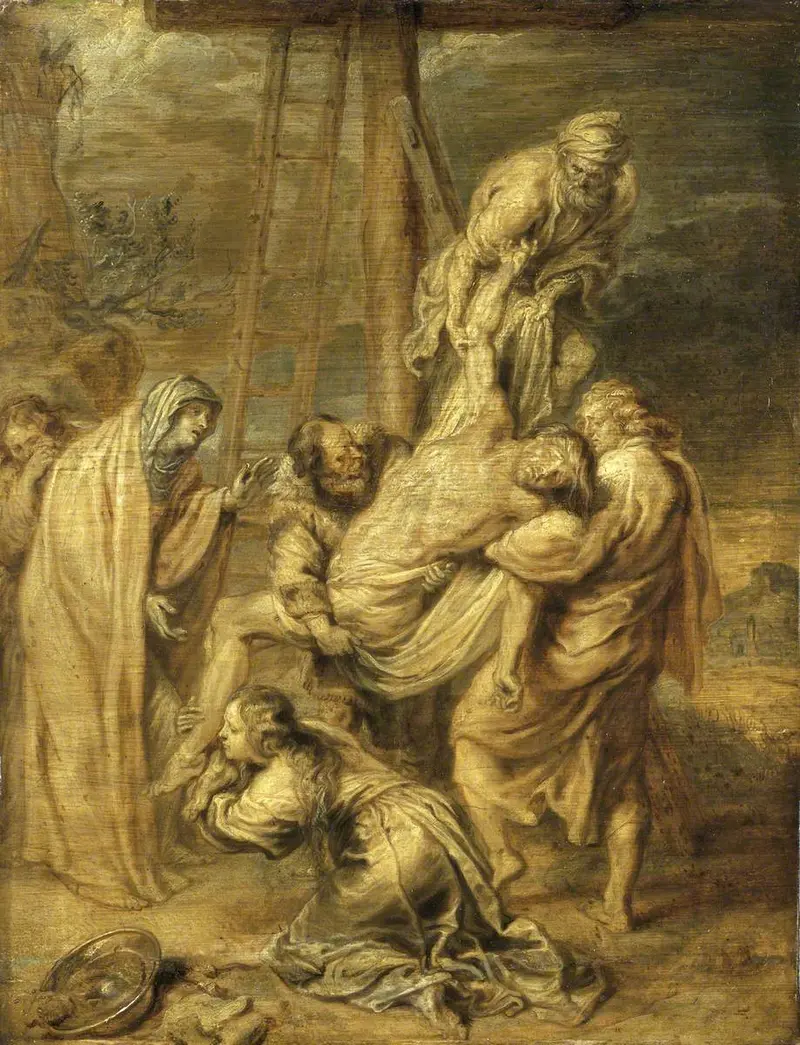
The Deposition
Abraham Jansz. van Diepenbeeck
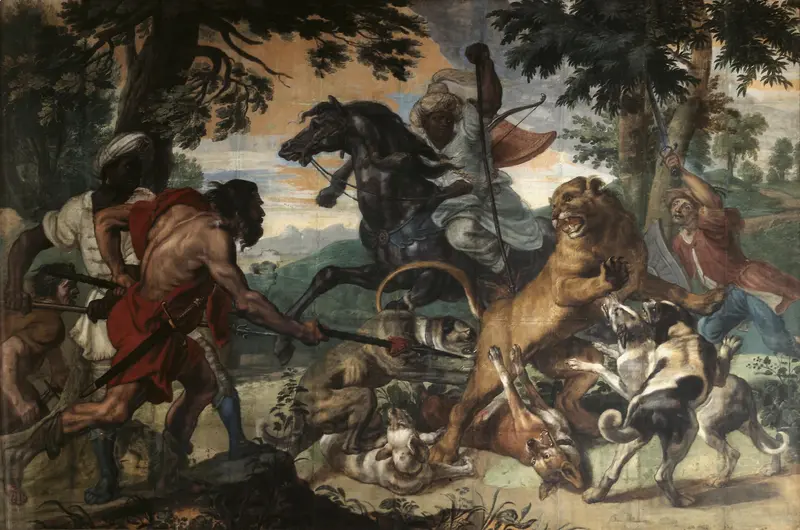
Lion Hunting
Abraham Jansz. van Diepenbeeck
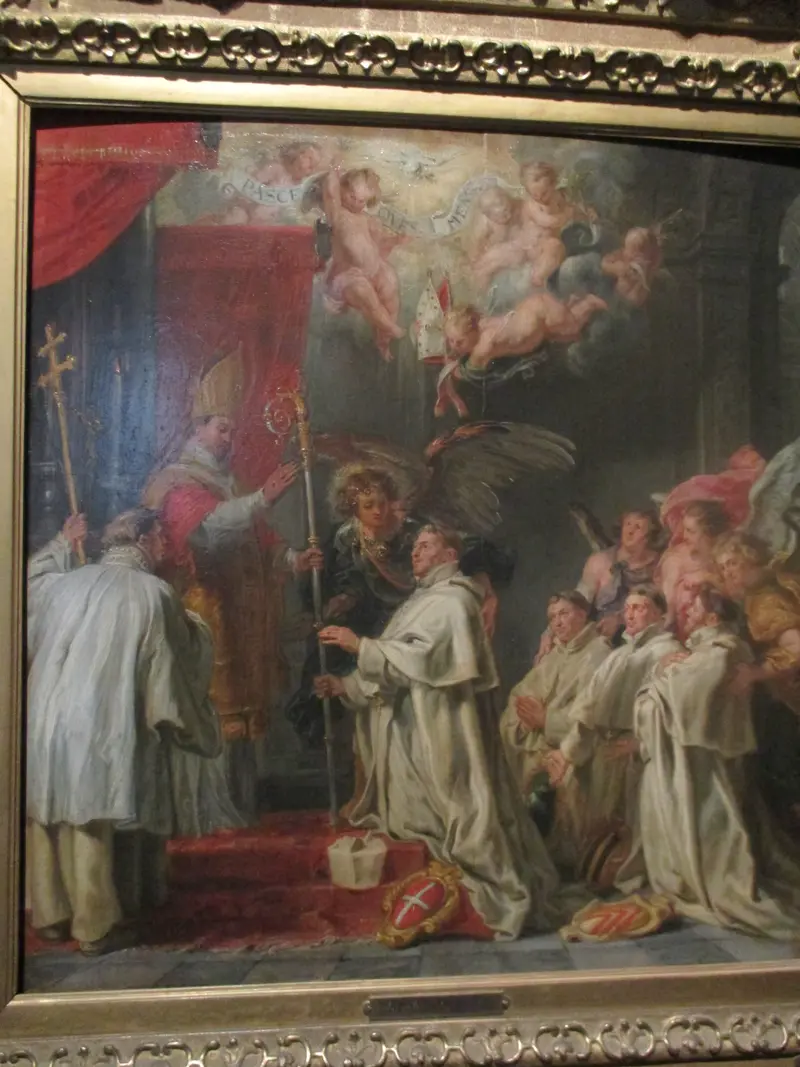
The archangel Michael supports the blessed Waltmann, who is being consecrated abbot by Saint Norbert
Abraham Jansz. van Diepenbeeck
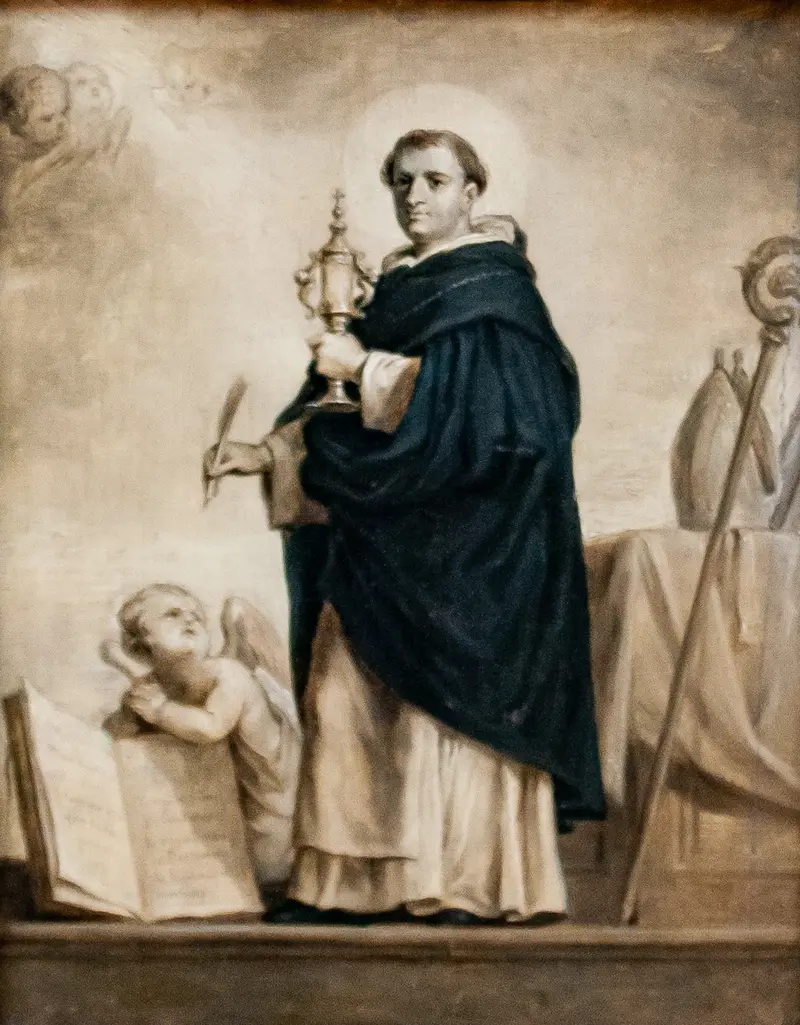
Diepenbeek Saint Thomas d'Aquin
Abraham Jansz. van Diepenbeeck





