
The Deposition — History & Facts
What draws the eye first in The Deposition is not the sweep of the cross or the ladder that towers above, but the tangle of hands and fabric as Christ’s body is gently lowered. Every figure is caught in a moment of urgent care: a man atop the ladder strains to guide the weight, while below, others cradle the limp form, their faces drawn with grief and resolve. Light pools around Christ’s pale torso, making him the silent center of gravity amid the swirl of robes and gestures.
At the foot of the scene, a woman—her hair loose, her posture desperate—clings to his feet, her anguish anchoring the sorrow of the group. The palette is muted, the brushwork loose, as if the scene is seen through a veil of tears. This kind of painting belongs to the world of the seventeenth-century Baroque, when artists like Abraham Jansz. van Diepenbeeck were called upon to make sacred stories immediate and physical for their viewers.
Such works were often commissioned for churches or private devotion, intended to draw the faithful into the drama of the Passion with all the senses engaged. The composition’s crowded intimacy and the focus on tactile grief speak to a period when art was meant to move hearts as much as instruct minds. Little is recorded about the journey of this particular Deposition, now in the Art UK collection, but its emotional charge is typical of an era when painters sought to close the distance between the sacred past and the present viewer.
The longer you look, the more the painting’s gestures and glances seem to reach out, inviting you to step into the circle of mourners.
More Artworks by Abraham Jansz. van Diepenbeeck
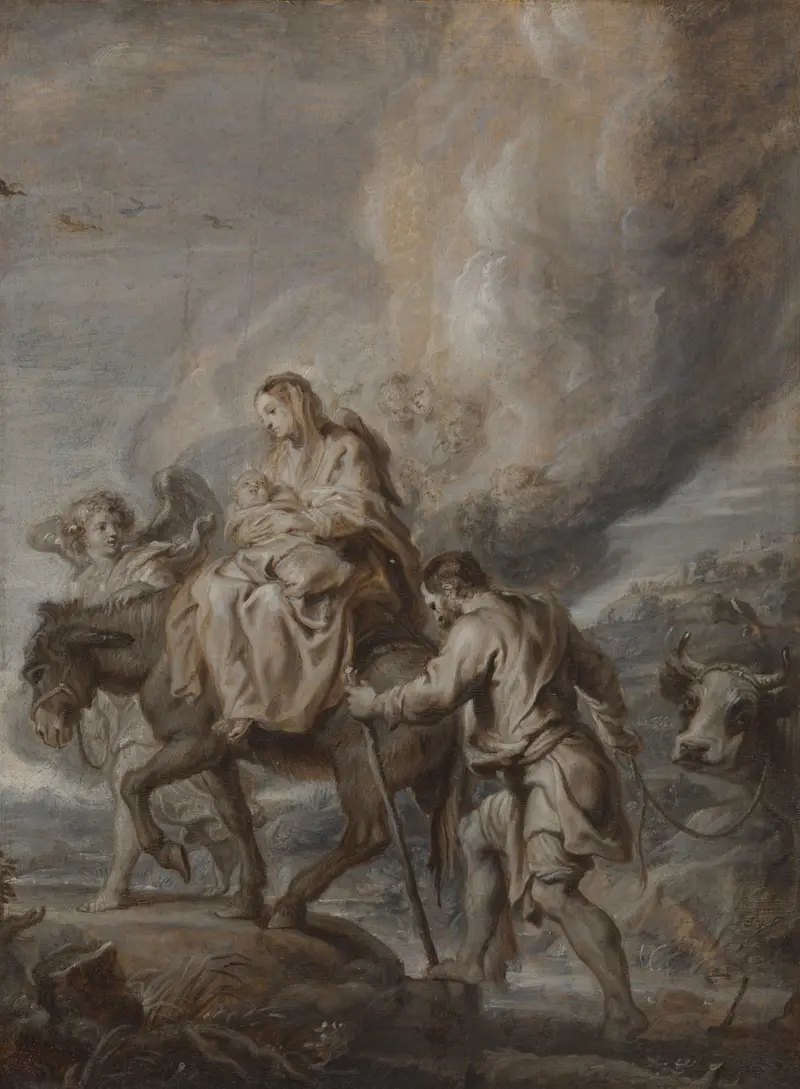
The Flight into Egypt
Abraham Jansz. van Diepenbeeck
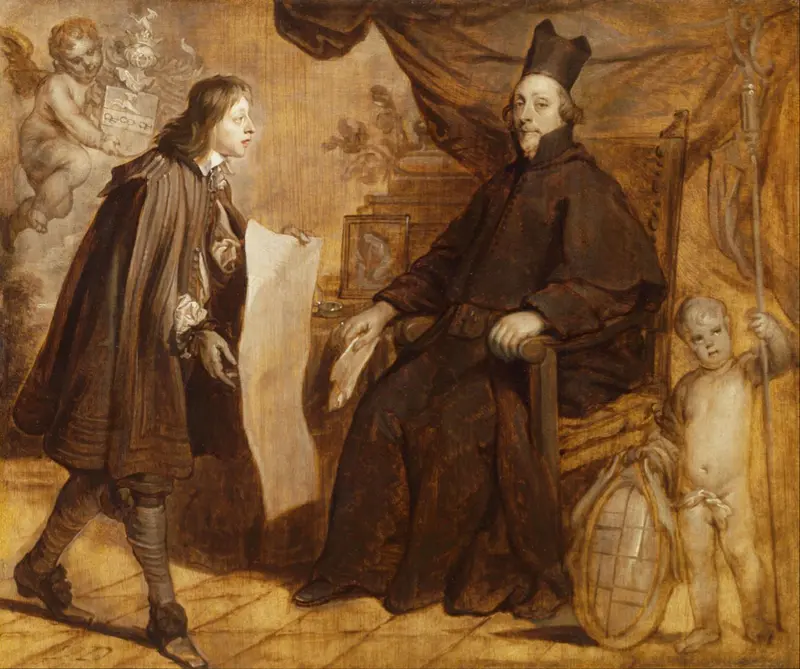
Portrait of a Prelate and a Young Man
Abraham Jansz. van Diepenbeeck
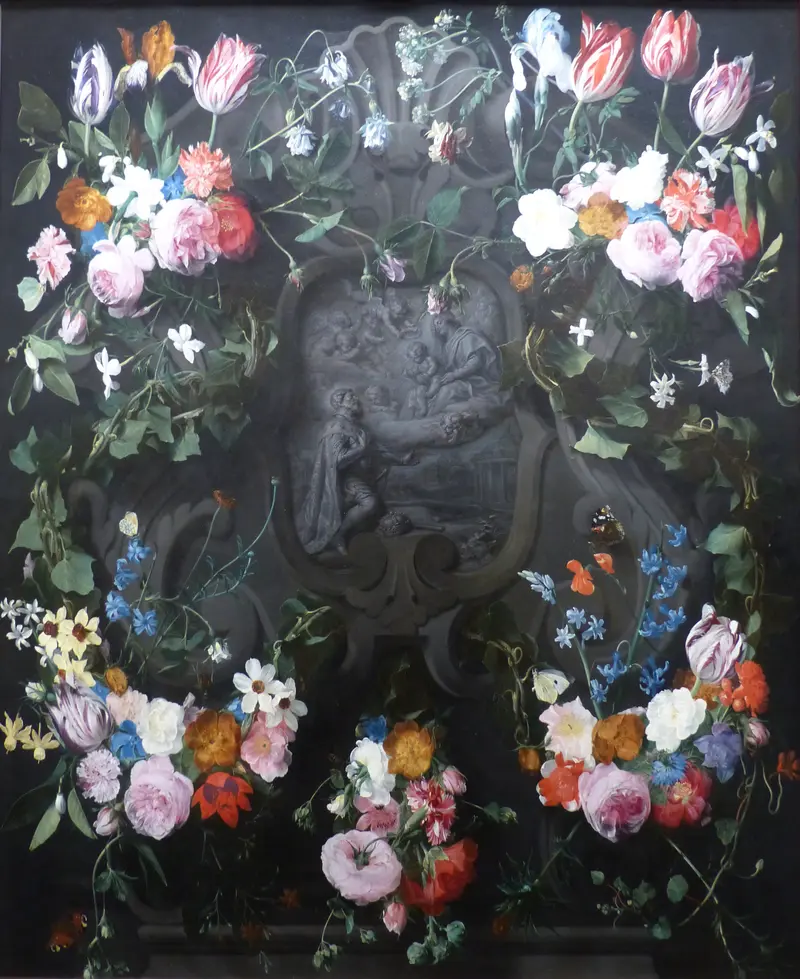
Guirlande de fleurs avec l'apparition de la Vierge-à-l'Enfant à St Léopold
Abraham Jansz. van Diepenbeeck
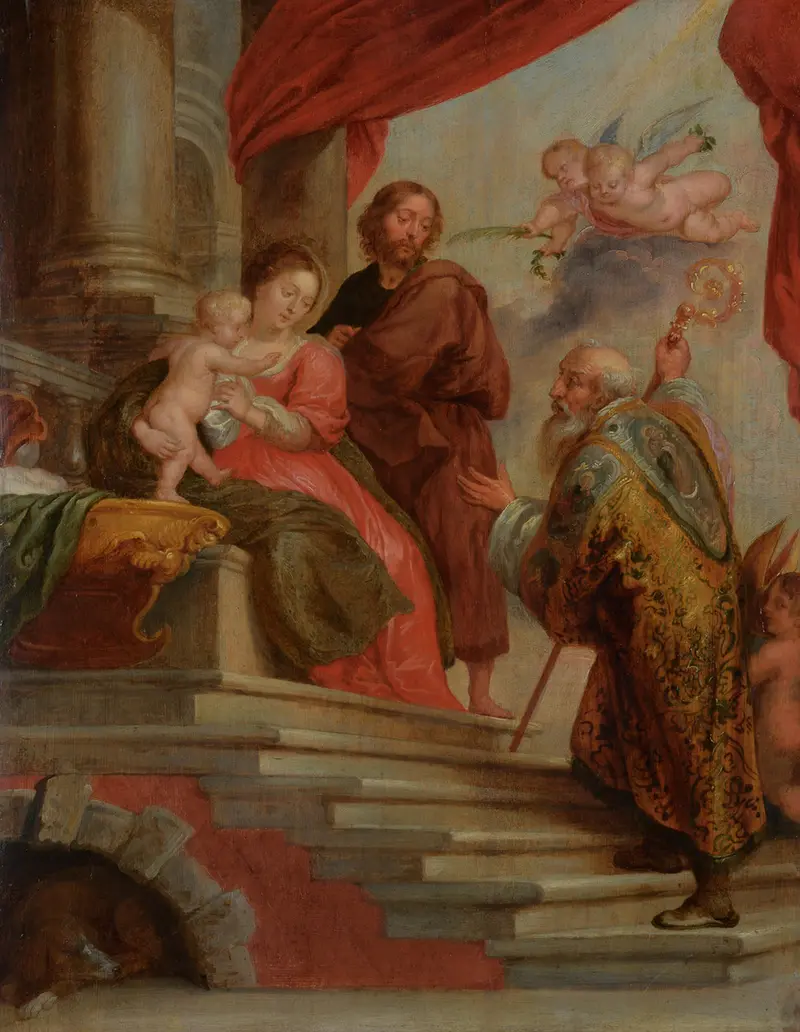
Holy family and Saint Willibrord
Abraham Jansz. van Diepenbeeck
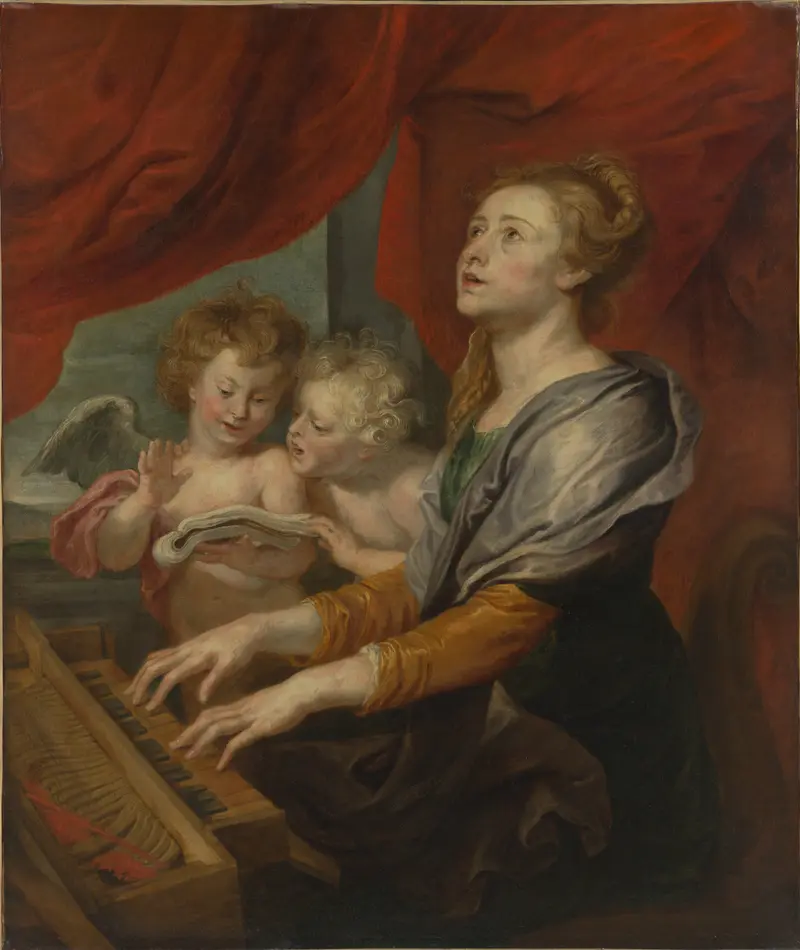
Saint Cecilia
Abraham Jansz. van Diepenbeeck
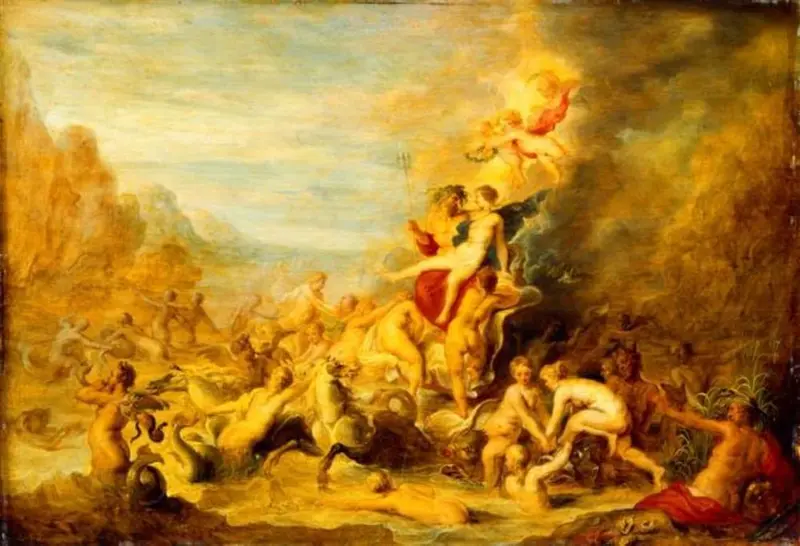
Triumph of Neptune and Amphitrite
Abraham Jansz. van Diepenbeeck
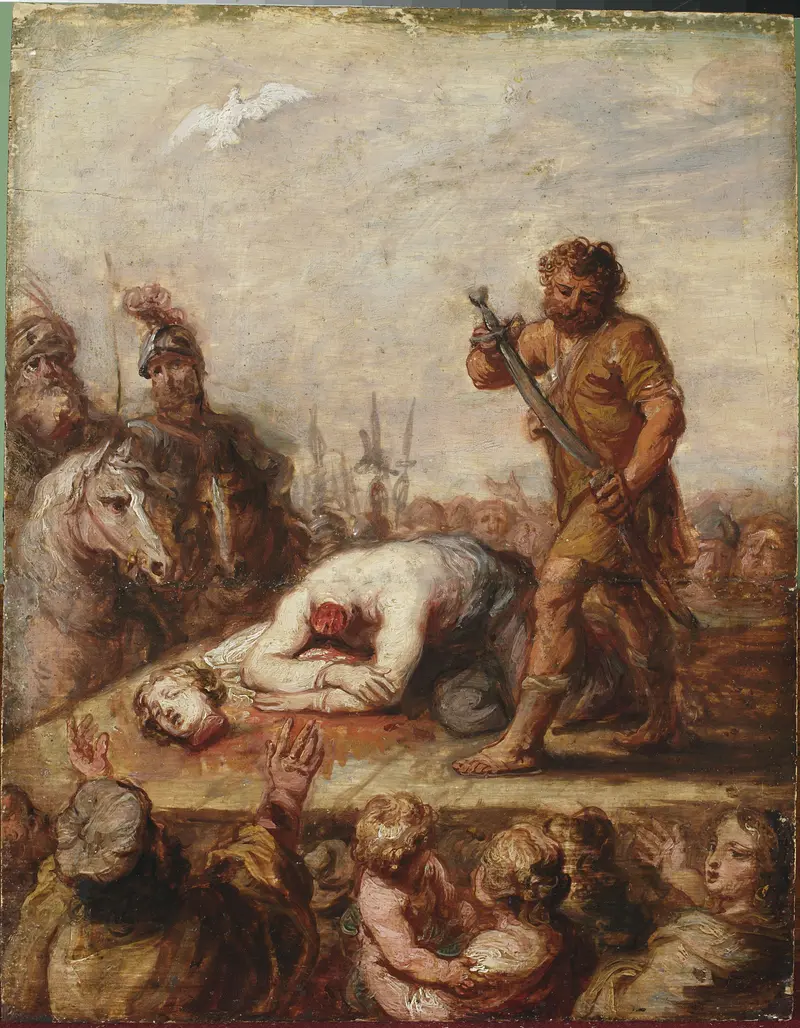
Sketch for a Decapitation of a Saint Woman (St. Catherine?)
Abraham Jansz. van Diepenbeeck
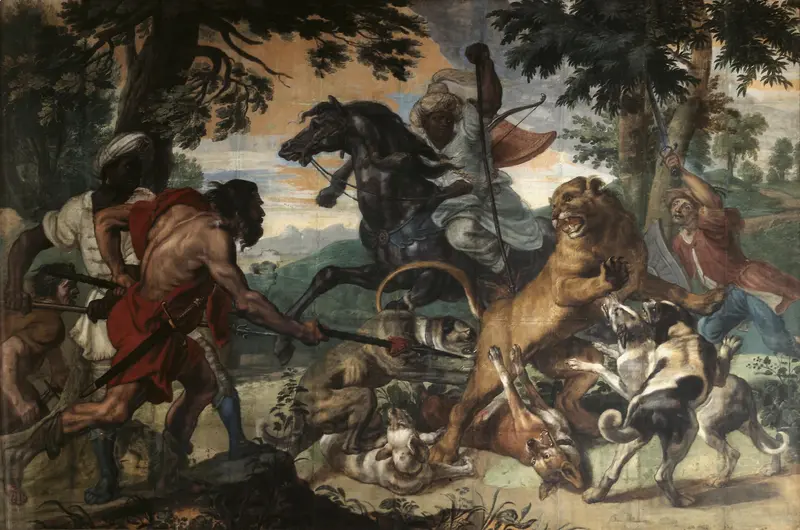
Lion Hunting
Abraham Jansz. van Diepenbeeck
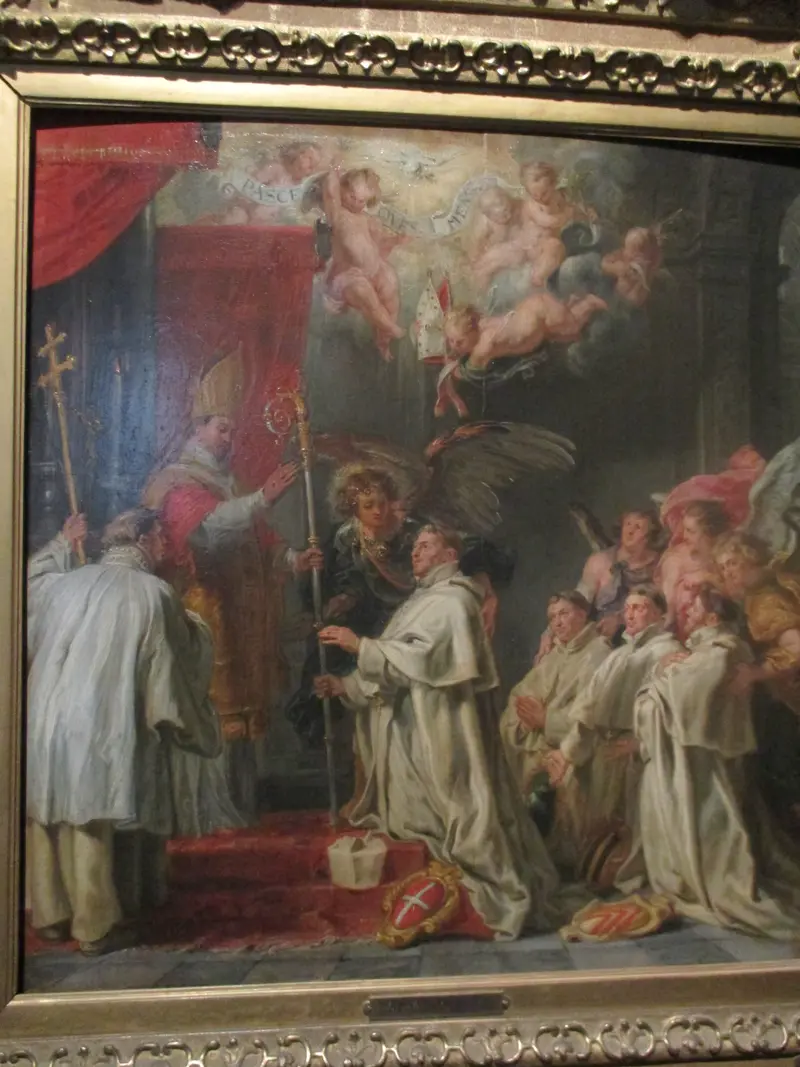
The archangel Michael supports the blessed Waltmann, who is being consecrated abbot by Saint Norbert
Abraham Jansz. van Diepenbeeck
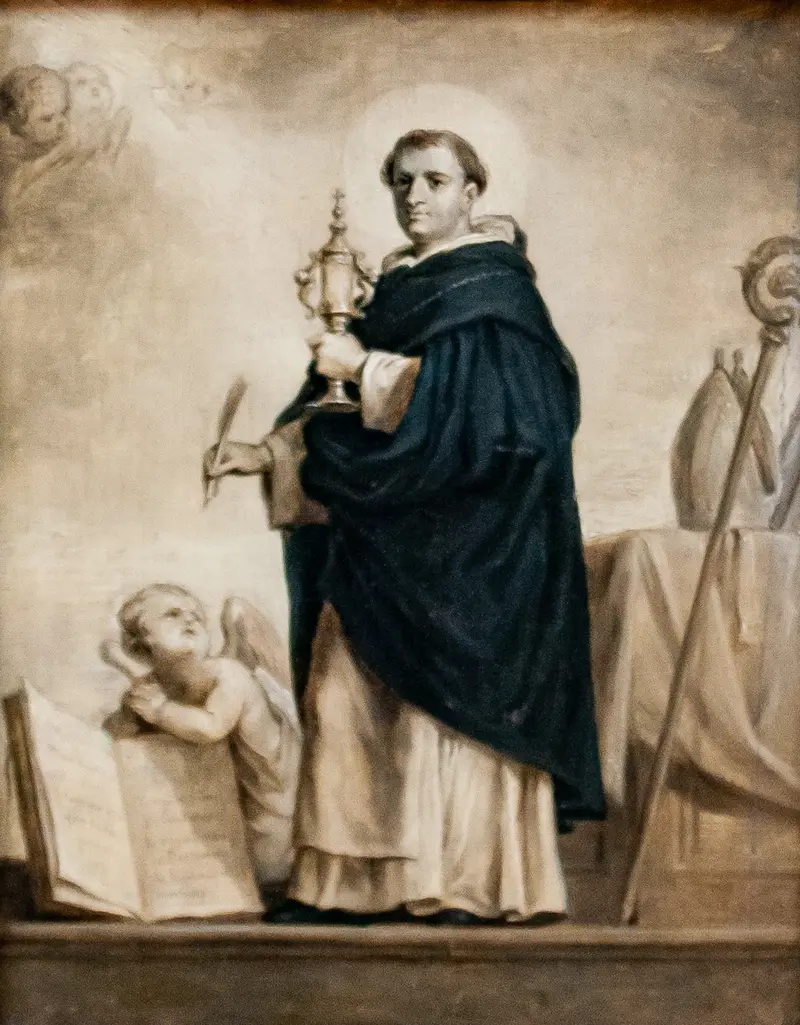
Diepenbeek Saint Thomas d'Aquin
Abraham Jansz. van Diepenbeeck





