
Lion Hunting — History & Facts
What seizes the eye first in Lion Hunting is the moment of chaos—every limb, paw, and weapon caught in a single, suspended instant of violence. The lion, cornered yet defiant, dominates the center, its jaws wide in a roar that seems to echo off the canvas. Around it, men and animals surge forward: a horse rears, its rider poised with a spear, while hounds snap and snarl, their bodies twisting in the fray.
The painter draws the viewer’s gaze in a spiral, from the outstretched arm of the central hunter to the gleaming teeth of the lion, then outward to the tangle of dogs and the desperate faces of the men. Light falls from the left, illuminating the white garments and the lion’s tawny coat, heightening the sense of immediacy and danger. Painted in the 1660s, this work belongs to a tradition of grand hunting scenes that flourished in the Baroque era, when such images were prized by European courts for their drama and spectacle. These paintings were not merely records of sport, but declarations of power and dominion—over nature, over distant lands, and over the exotic.
Abraham Jansz. van Diepenbeeck, active in the Southern Netherlands, was known for his dynamic compositions and theatrical flair, qualities that pulse through this scene. Now held in the Hermitage Museum, the painting stands as a vivid testament to an age when art, politics, and the hunt were tightly intertwined.
Every detail invites the viewer to linger, searching for the next flash of movement or glint of steel in the tumult.
More Artworks by Abraham Jansz. van Diepenbeeck
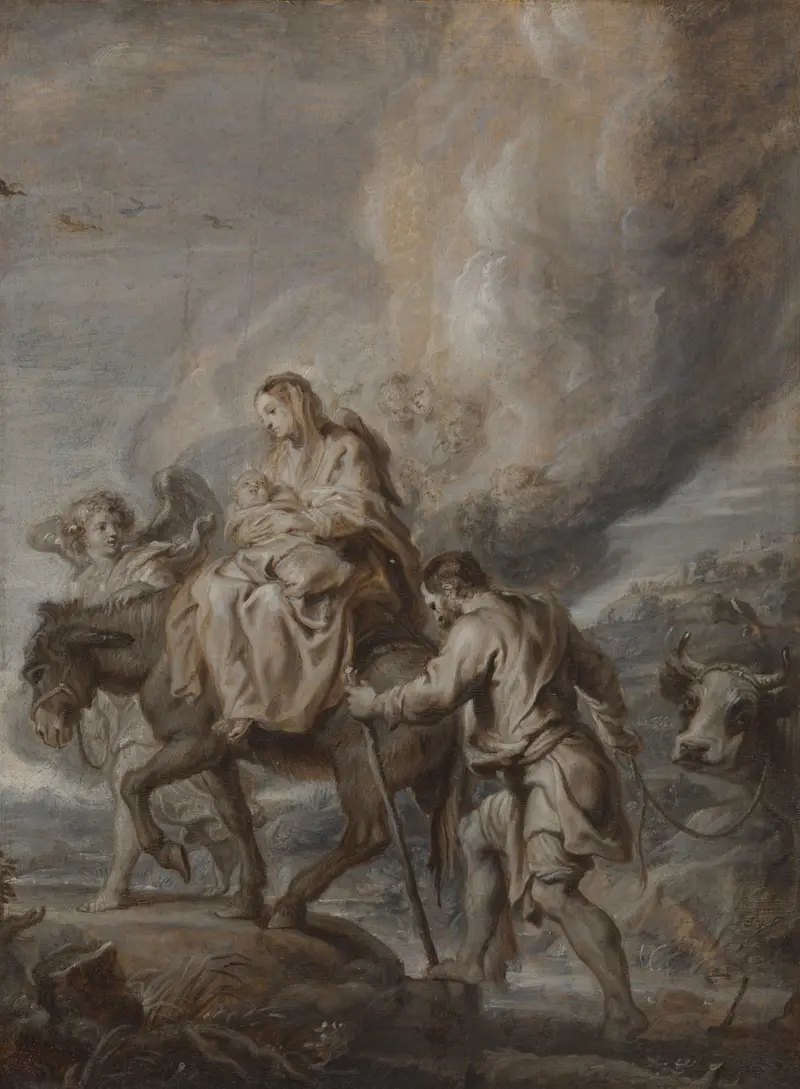
The Flight into Egypt
Abraham Jansz. van Diepenbeeck
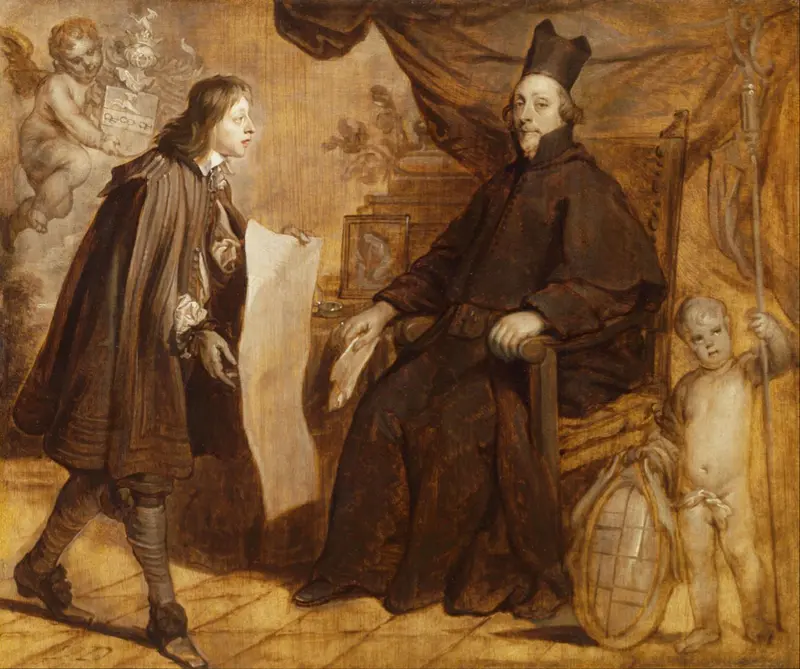
Portrait of a Prelate and a Young Man
Abraham Jansz. van Diepenbeeck
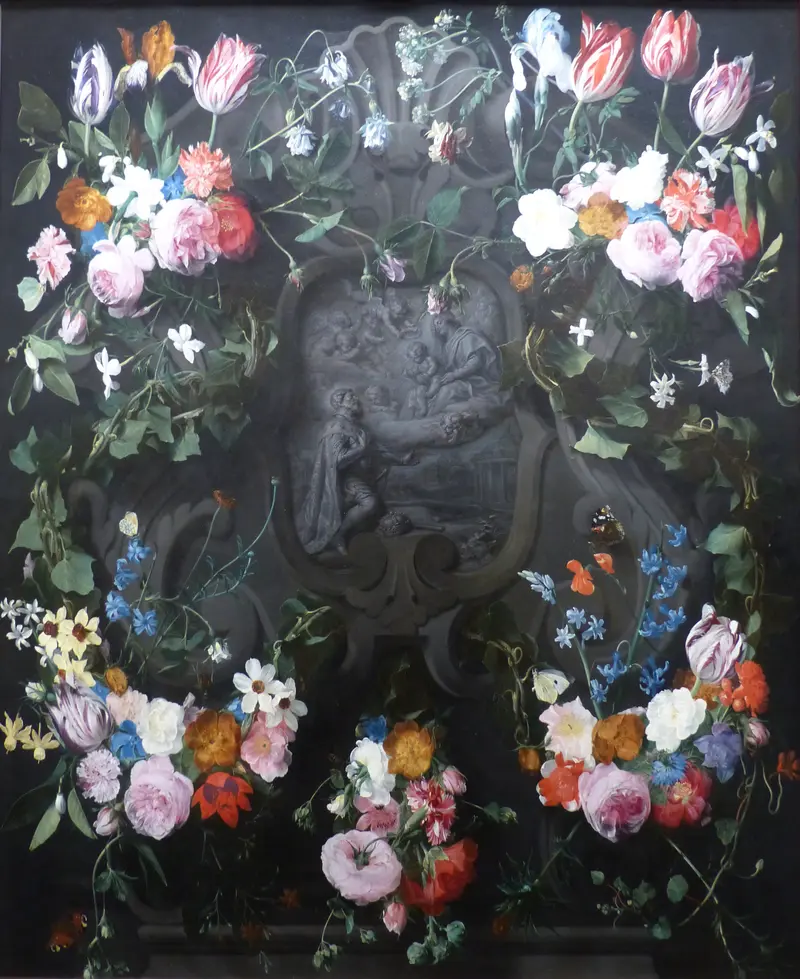
Guirlande de fleurs avec l'apparition de la Vierge-à-l'Enfant à St Léopold
Abraham Jansz. van Diepenbeeck
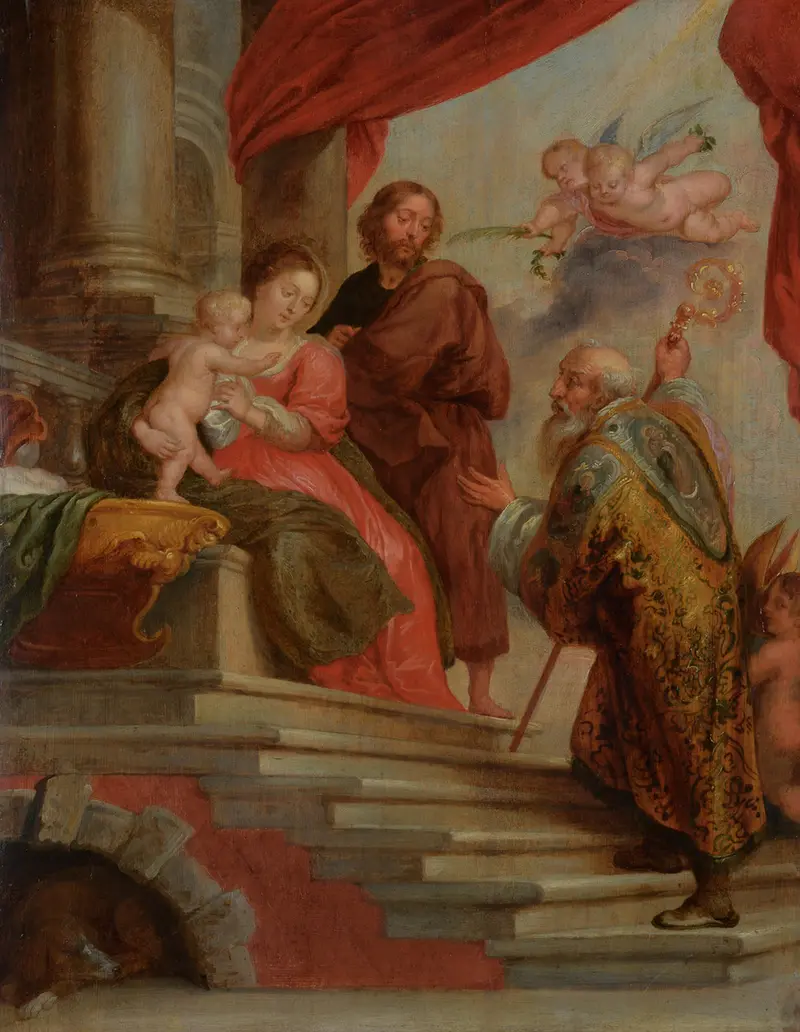
Holy family and Saint Willibrord
Abraham Jansz. van Diepenbeeck
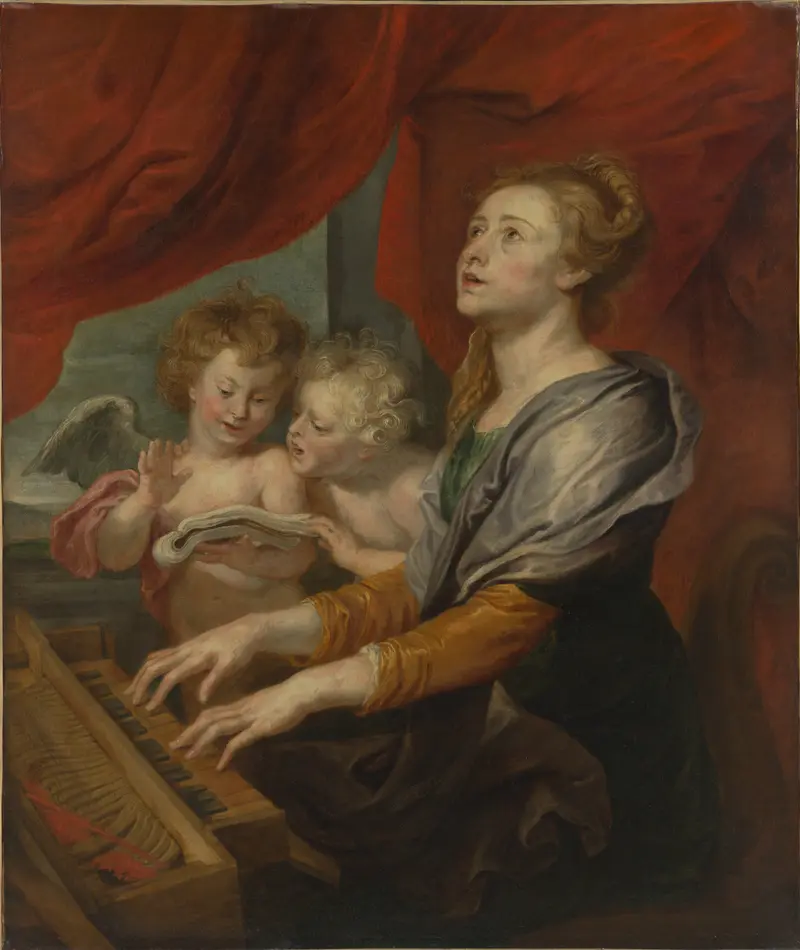
Saint Cecilia
Abraham Jansz. van Diepenbeeck
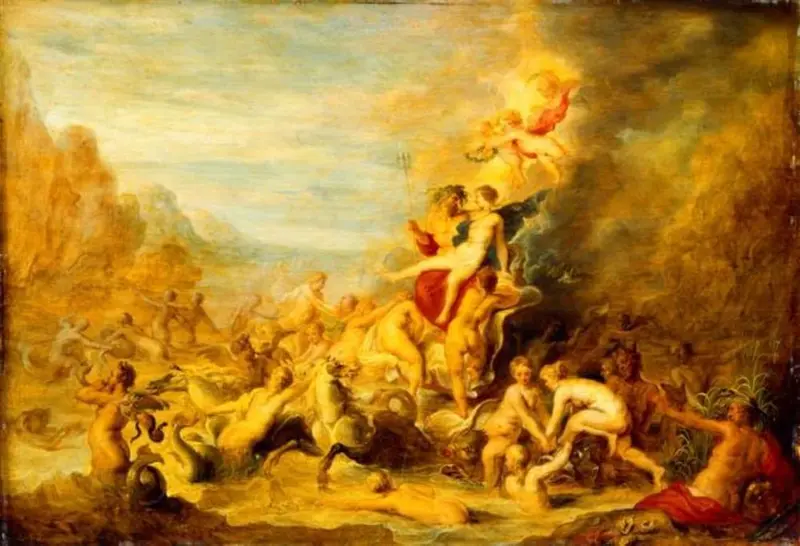
Triumph of Neptune and Amphitrite
Abraham Jansz. van Diepenbeeck
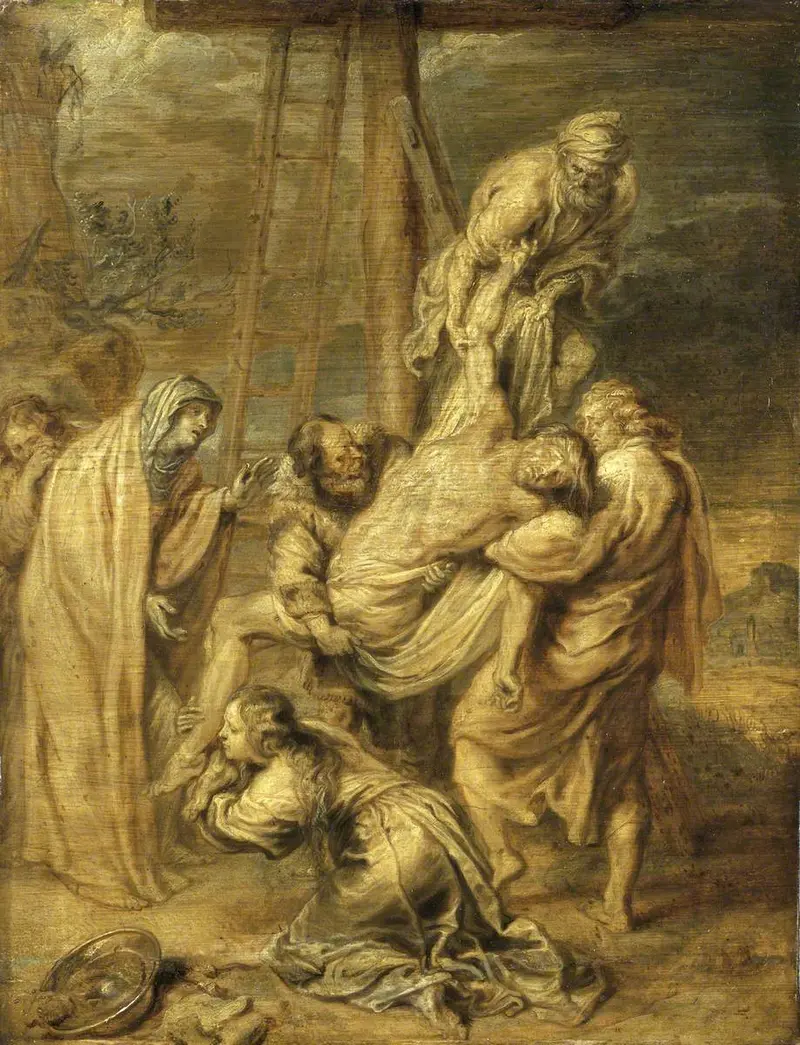
The Deposition
Abraham Jansz. van Diepenbeeck
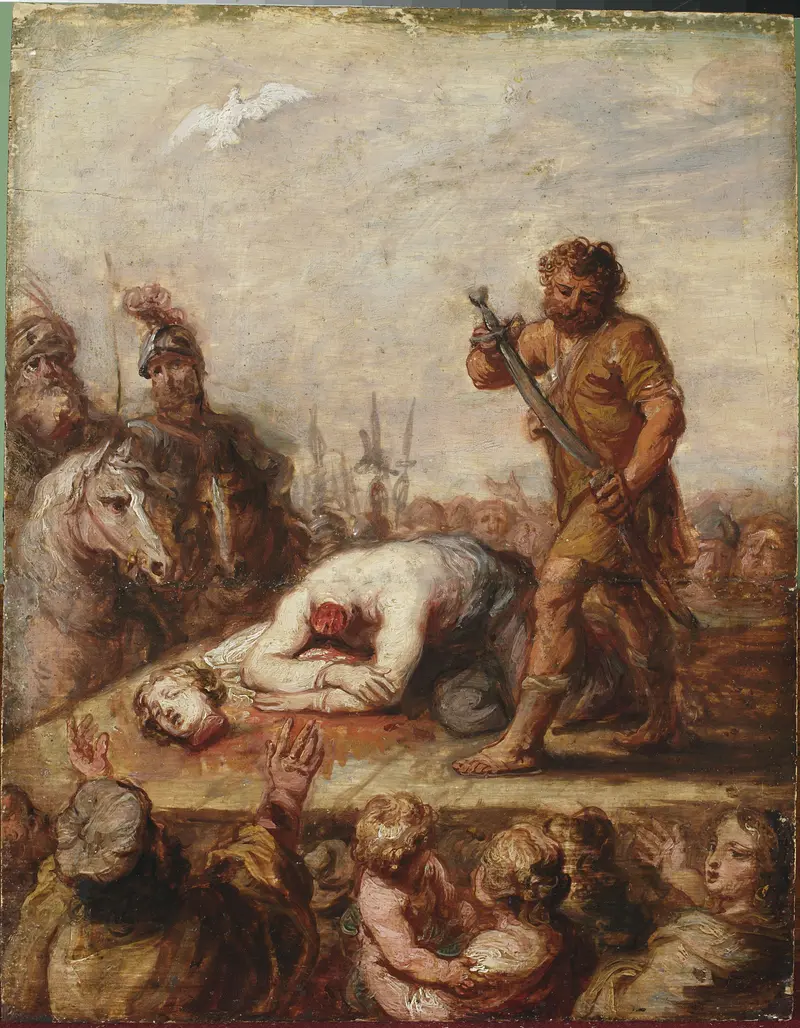
Sketch for a Decapitation of a Saint Woman (St. Catherine?)
Abraham Jansz. van Diepenbeeck
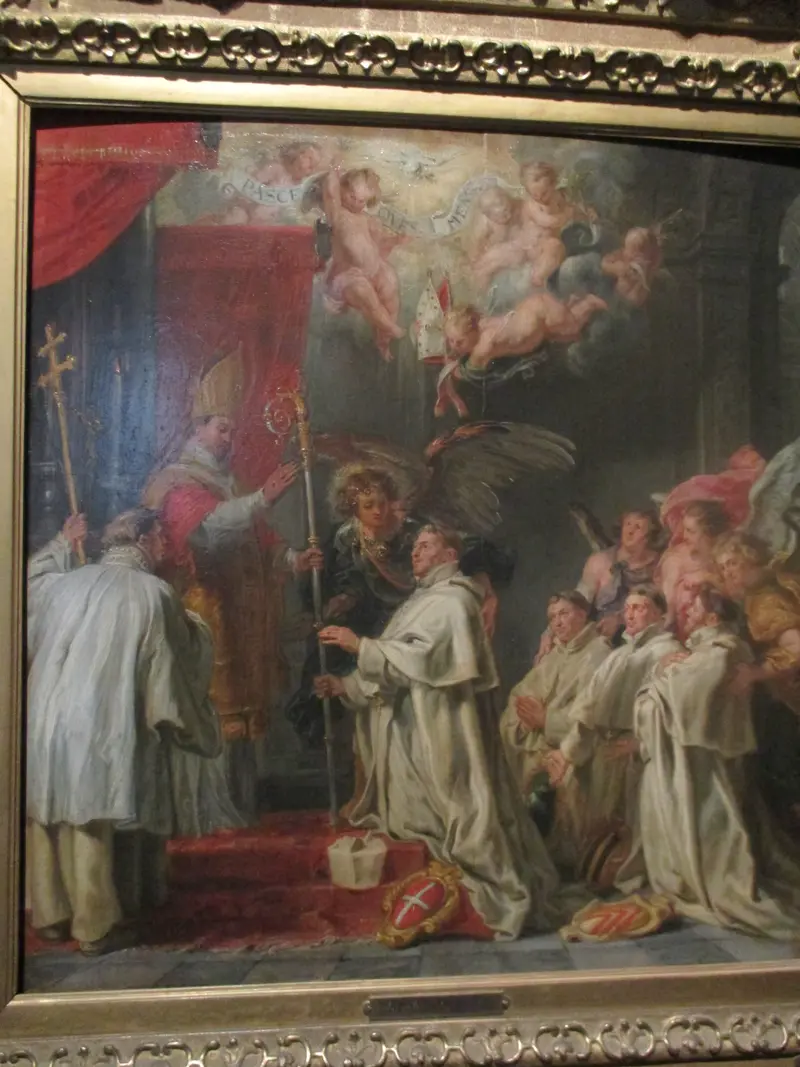
The archangel Michael supports the blessed Waltmann, who is being consecrated abbot by Saint Norbert
Abraham Jansz. van Diepenbeeck
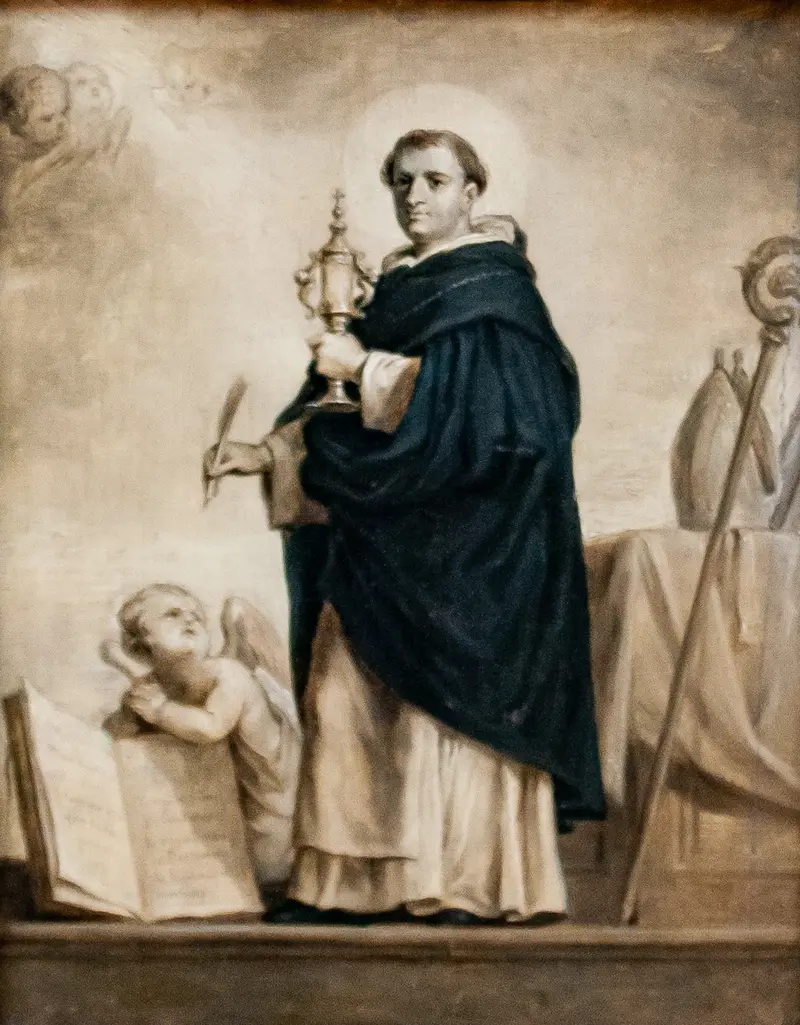
Diepenbeek Saint Thomas d'Aquin
Abraham Jansz. van Diepenbeeck





