
Triumph of Neptune and Amphitrite — History & Facts
A swirl of bodies and mythic creatures bursts from the center of Triumph of Neptune and Amphitrite, drawing the viewer into a feverish celebration of movement and light. The eye is first caught by the radiant couple—Neptune grasping his trident, Amphitrite poised beside him—perched atop a fantastical sea beast as if presiding over a court of swirling nymphs and tritons. Every gesture seems to radiate outward: arms raised in greeting, bodies twisting in dance, and a golden, almost fiery light that bathes the entire scene, blurring the boundaries between water, flesh, and sky.
The artist’s palette pulses with warmth, suggesting not the cool depths of the ocean but a mythic realm where the sea itself glows with life and energy. Even the clouds seem to lean in, as if eager to witness the spectacle below. Painted sometime between 1581 and 1642 by Abraham Jansz. van Diepenbeeck, this work belongs to a tradition of Baroque mythological painting that flourished in the Low Countries.
Such images were often commissioned for grand homes or civic spaces, designed to impress with their learning and their bravura technique—here, the artist’s brushwork and composition create a sense of restless abundance, fitting for a subject drawn from the ancient tales of gods and lovers. While little is recorded about the specific origins or journey of this painting, its presence in the RKD collection today is a reminder of the enduring fascination with myth, spectacle, and the power of paint to conjure worlds both strange and inviting. The longer you look, the more the figures seem to move, urging you to join their revel on the shifting edge of sea and sky.
More Artworks by Abraham Jansz. van Diepenbeeck
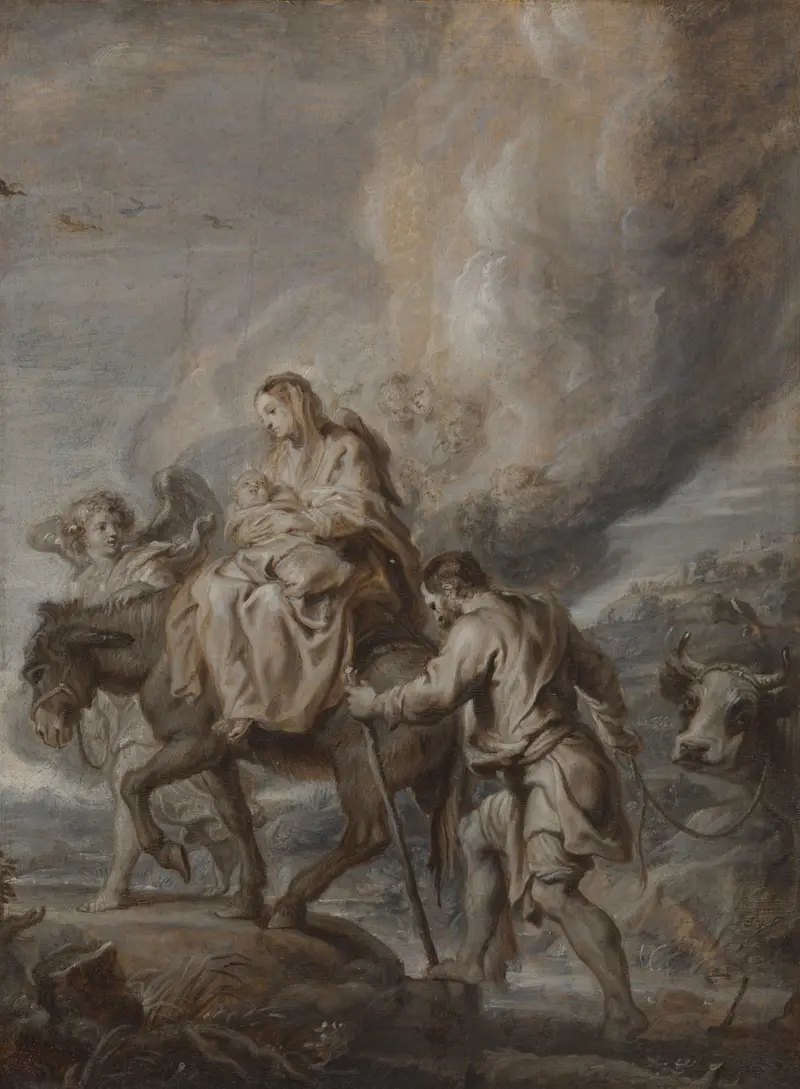
The Flight into Egypt
Abraham Jansz. van Diepenbeeck
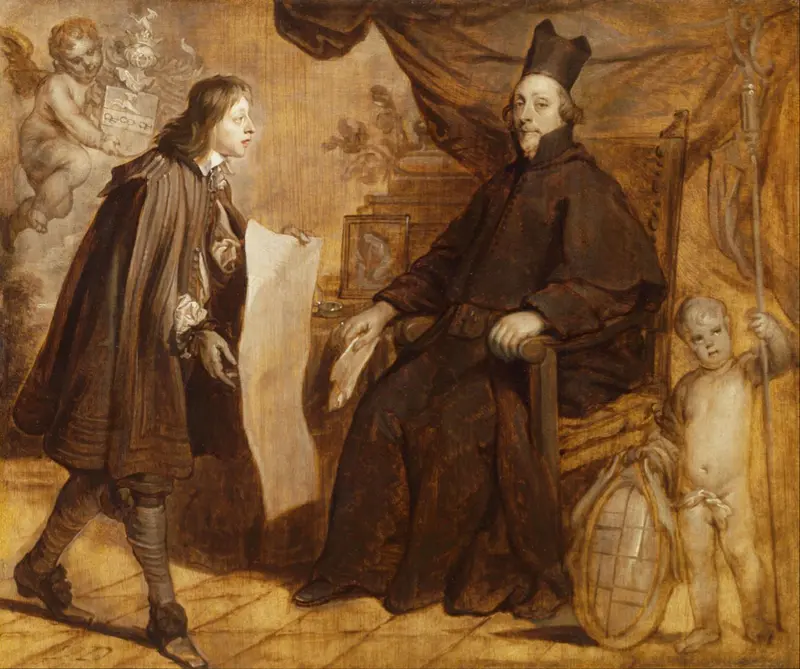
Portrait of a Prelate and a Young Man
Abraham Jansz. van Diepenbeeck
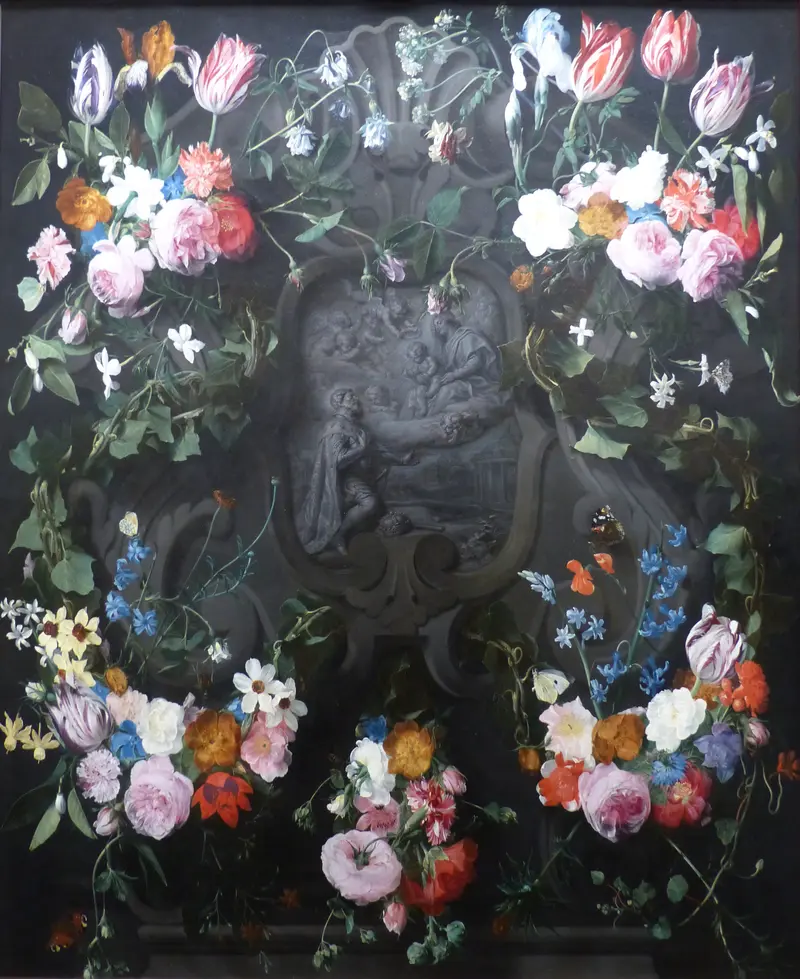
Guirlande de fleurs avec l'apparition de la Vierge-à-l'Enfant à St Léopold
Abraham Jansz. van Diepenbeeck
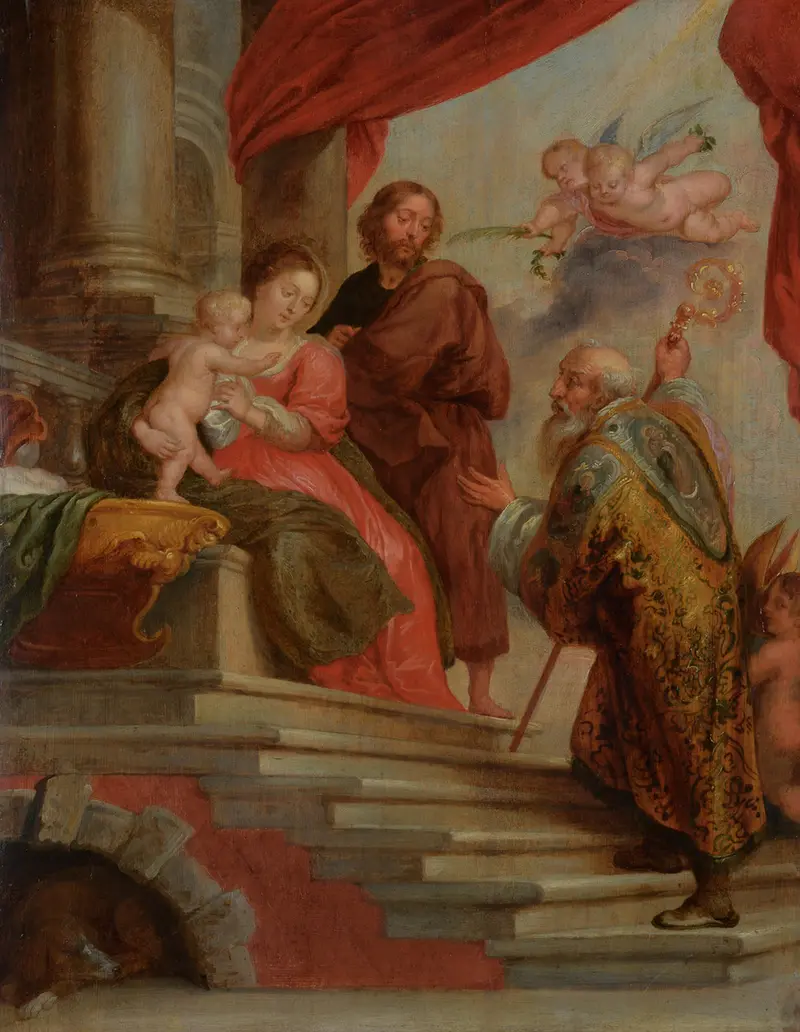
Holy family and Saint Willibrord
Abraham Jansz. van Diepenbeeck
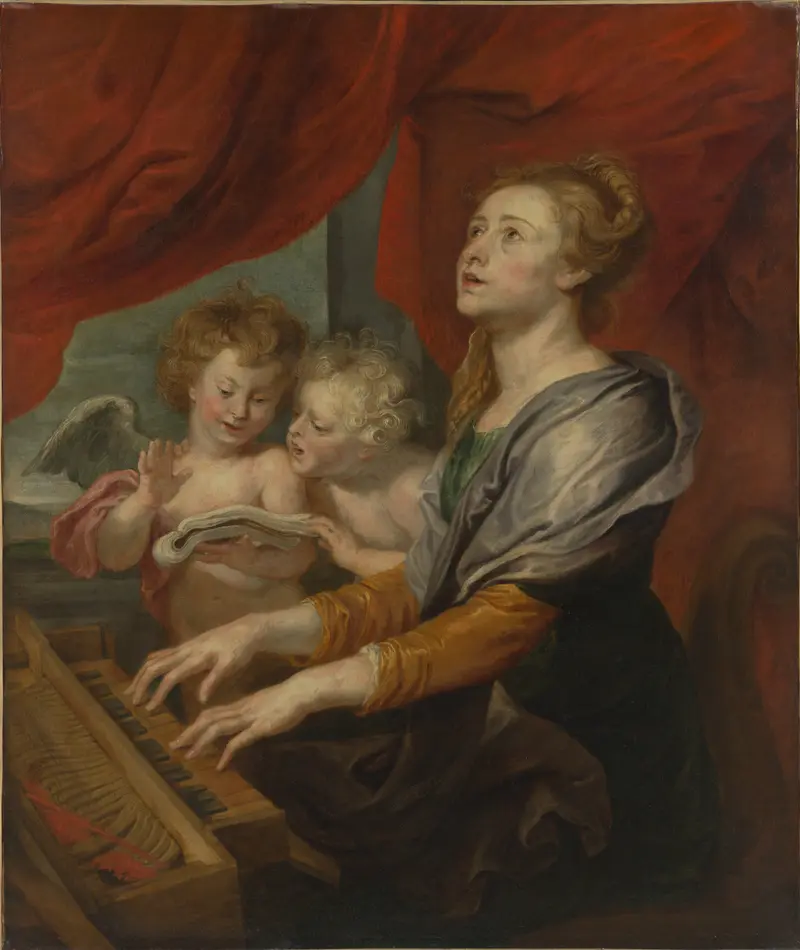
Saint Cecilia
Abraham Jansz. van Diepenbeeck
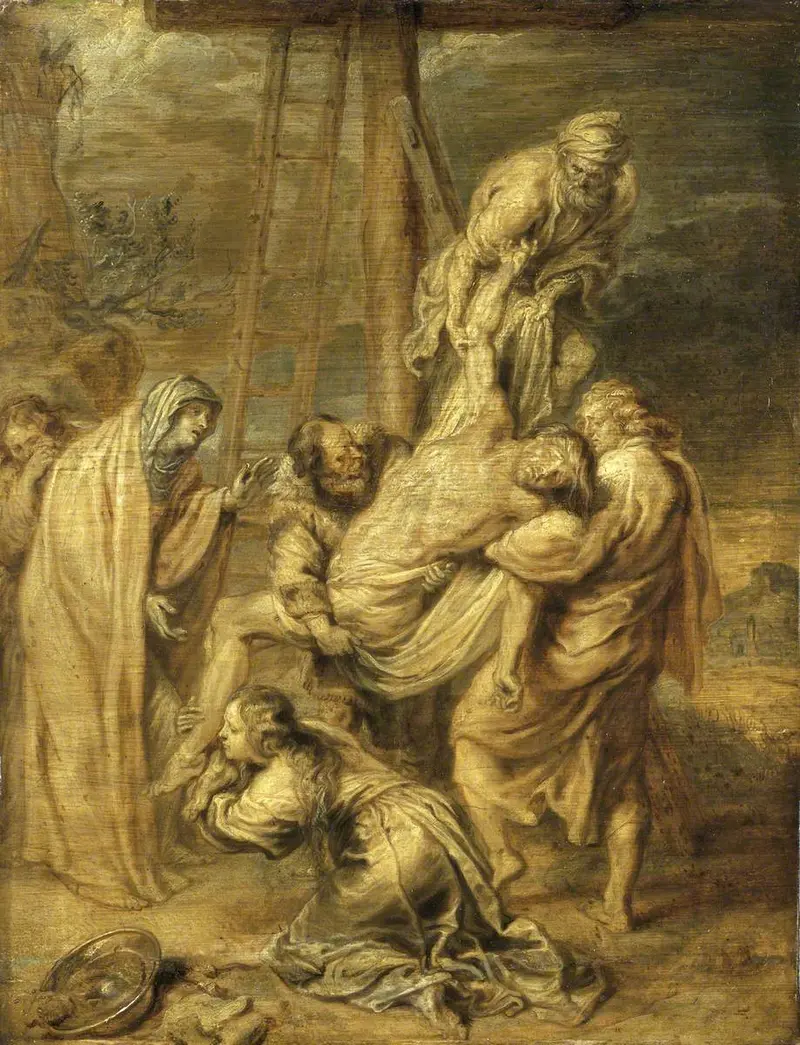
The Deposition
Abraham Jansz. van Diepenbeeck
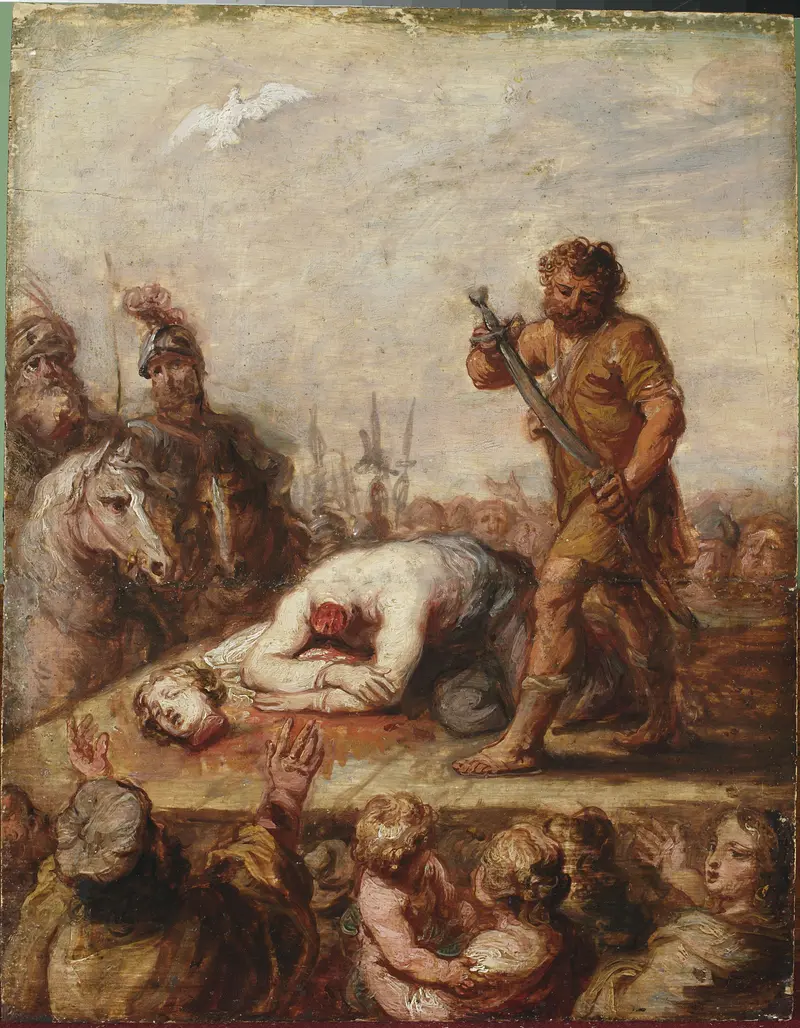
Sketch for a Decapitation of a Saint Woman (St. Catherine?)
Abraham Jansz. van Diepenbeeck
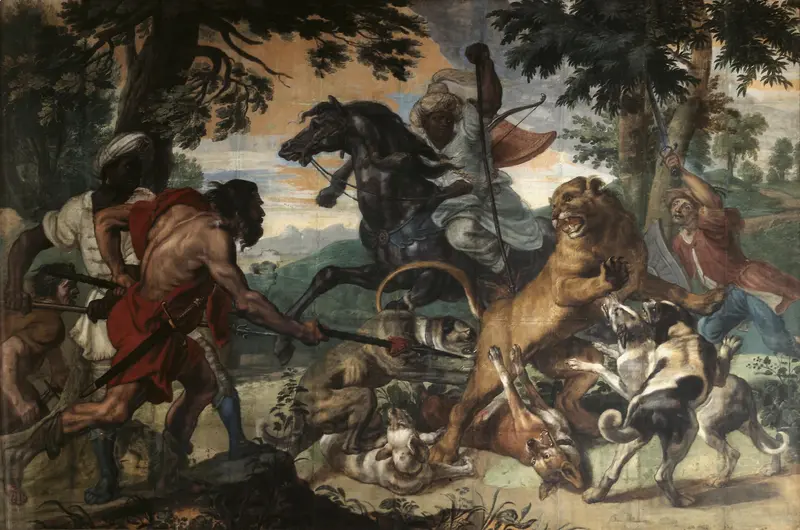
Lion Hunting
Abraham Jansz. van Diepenbeeck
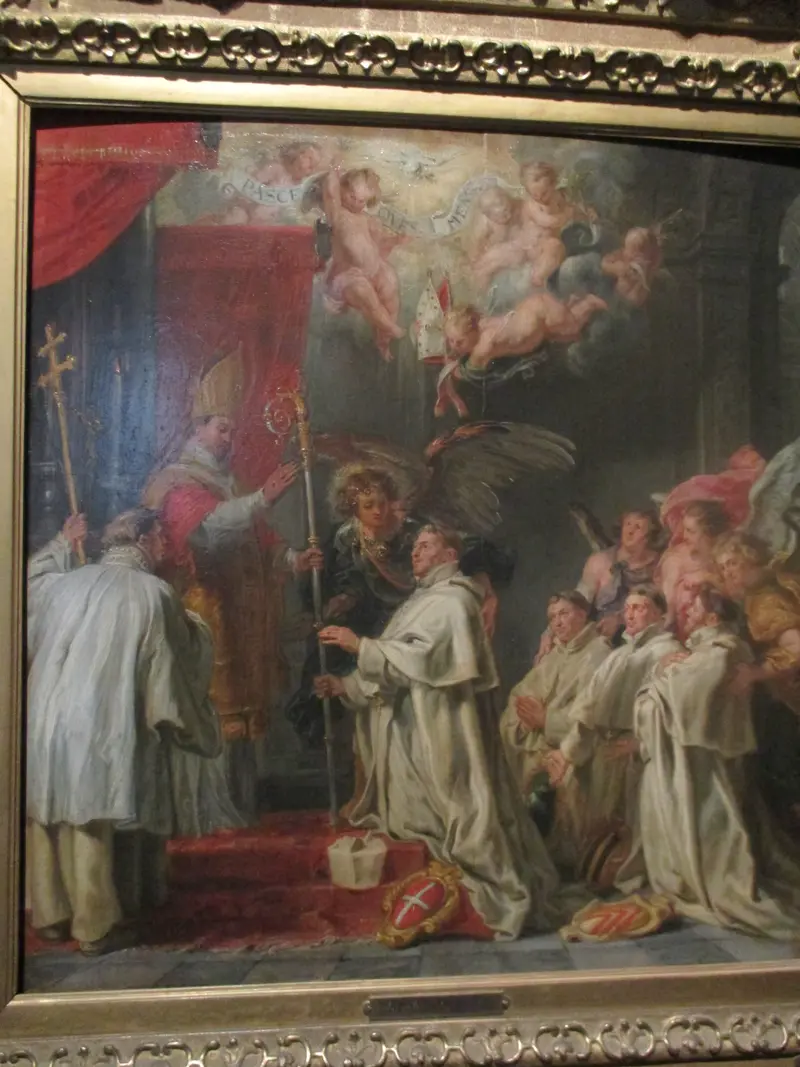
The archangel Michael supports the blessed Waltmann, who is being consecrated abbot by Saint Norbert
Abraham Jansz. van Diepenbeeck
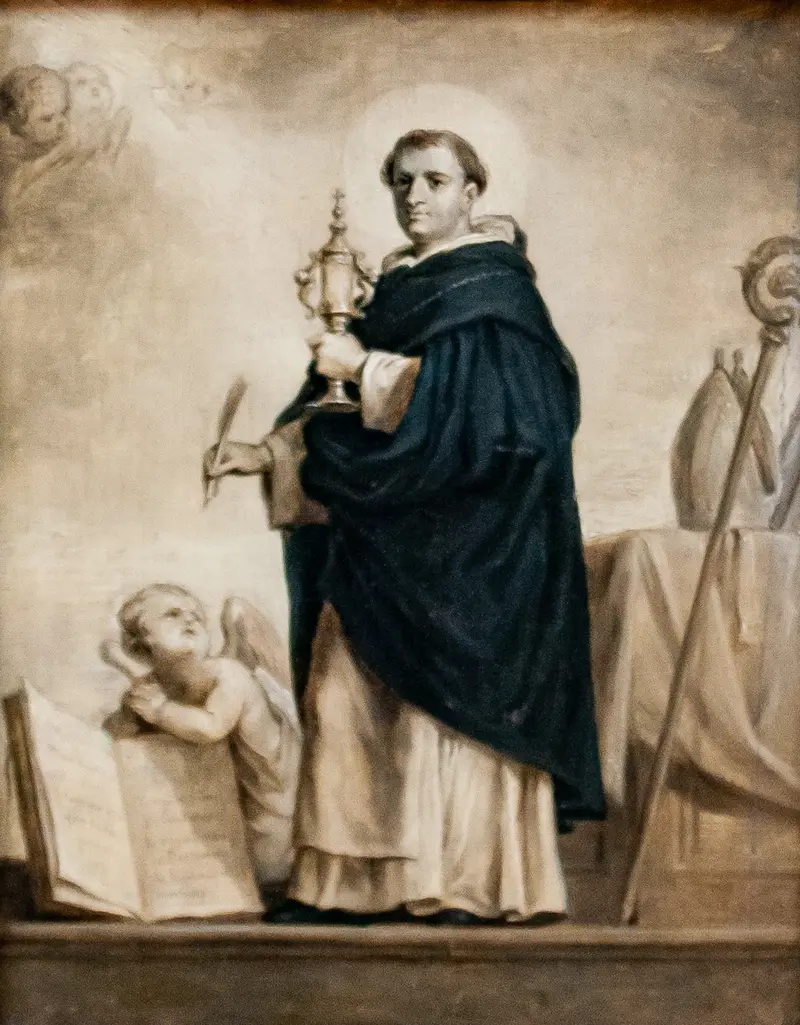
Diepenbeek Saint Thomas d'Aquin
Abraham Jansz. van Diepenbeeck





