
Beatrice Addressing Dante from the Car — History & Facts
When William Blake set out to illustrate Dante’s Divine Comedy in 1824, he was already gravely ill, and the project would be his last. Despite his failing health, Blake completed a series of watercolor designs, among them Beatrice Addressing Dante from the Car, which captures a pivotal moment from Dante’s Purgatorio. The commission came from the young artist John Linnell, who admired Blake’s visionary style and sought to support him in his final years.
This collaboration between two generations of British artists resulted in some of the most imaginative interpretations of Dante in art history. The scene unfolds on the summit of Mount Purgatory, where Dante, after a long spiritual journey, finally encounters Beatrice, his lost love and guide to Paradise. Beatrice appears standing in a triumphal car, surrounded by allegorical figures, her gesture commanding both awe and humility from Dante, who averts his gaze in shame and longing. Blake’s composition is dense with symbolism: the car evokes the chariot of the Church, while the surrounding angels and lush landscape signal the border of the earthly and the divine.
Unlike the grand, theatrical interpretations by artists such as Gustave Doré, Blake’s vision is intimate and dreamlike, suffused with luminous color and trembling line, emphasizing the psychological drama of Dante’s confrontation with his own past. The original medium of Beatrice Addressing Dante from the Car is watercolor with ink and pencil, a technique Blake favored for its immediacy and delicacy. The work remains part of the series held at the British Museum, never having left England since its creation. Though Blake did not live to complete the entire cycle, these illustrations are now seen as a crowning achievement, bridging Romanticism and visionary art.
Today, they stand as testament not only to Blake’s enduring fascination with the spiritual journey, but also to the power of artistic friendship at the end of a remarkable life.
More Artworks by William Blake
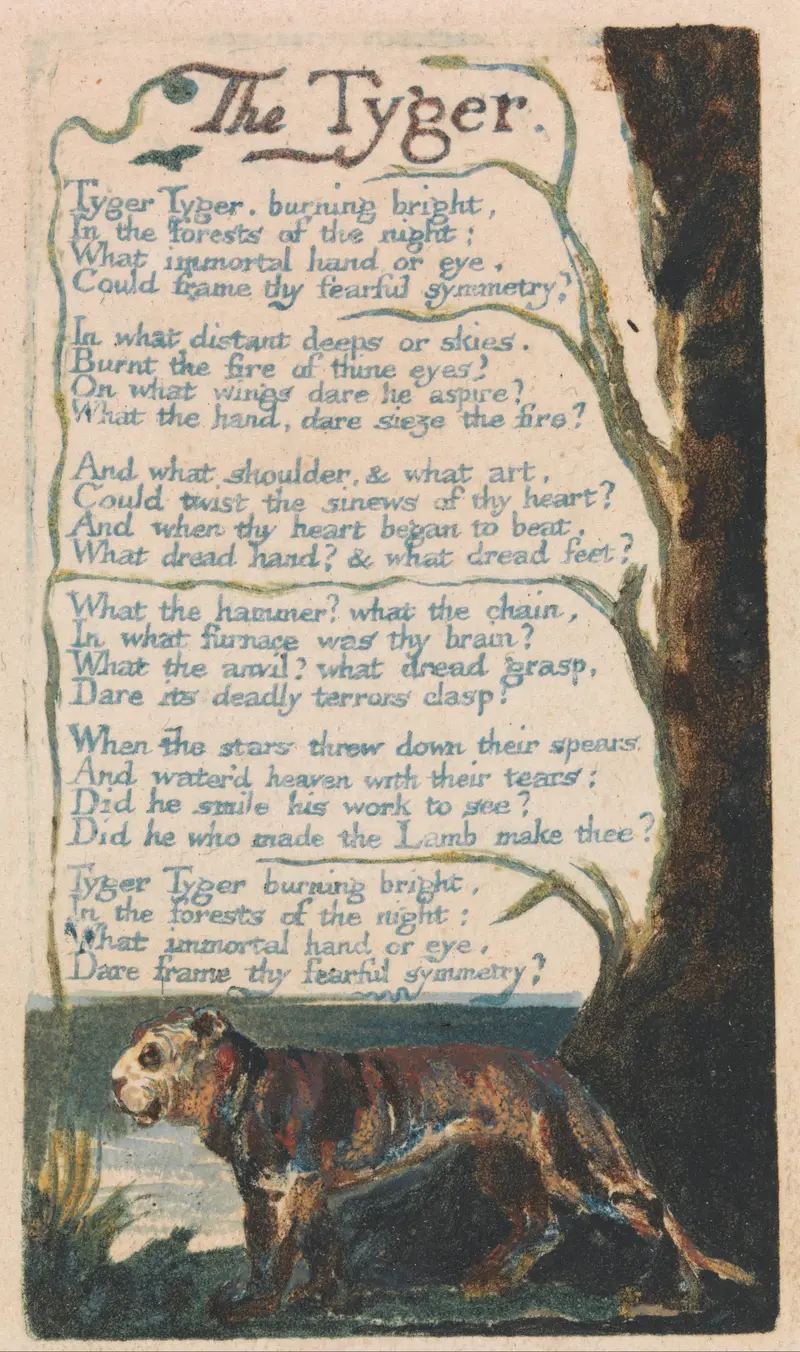
The Tyger
William Blake

Christ Blessing
William Blake
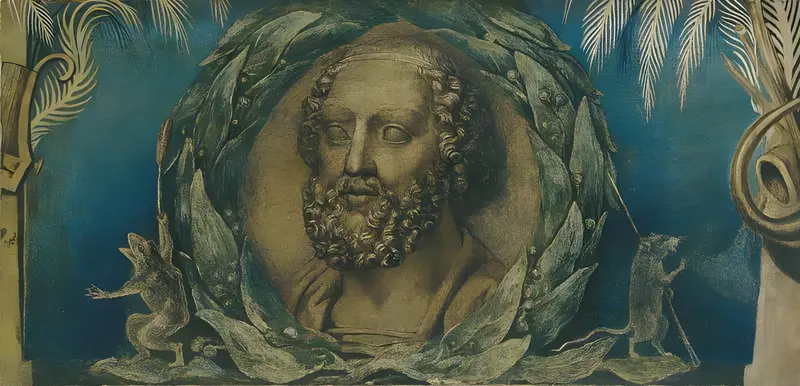
Homer
William Blake
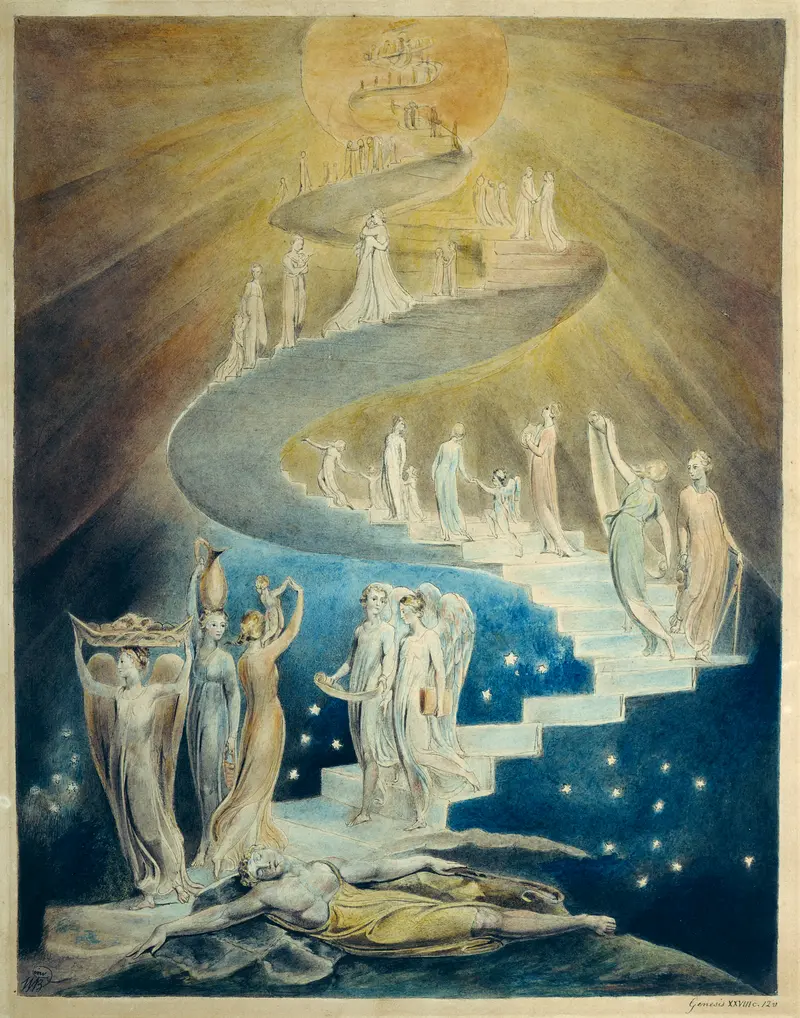
Jacob's Ladder
William Blake
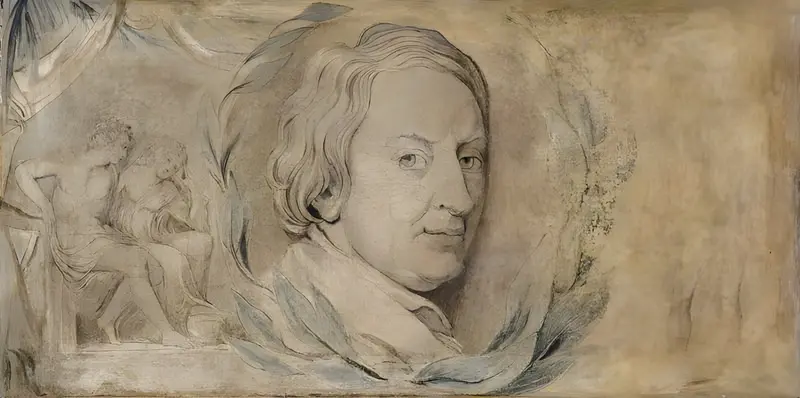
John Dryden (1631–1700)
William Blake
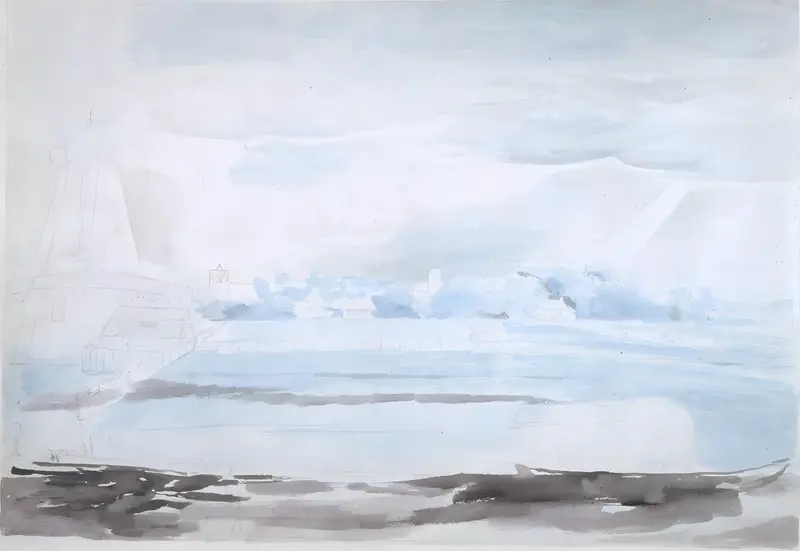
Landscape near Felpham
William Blake
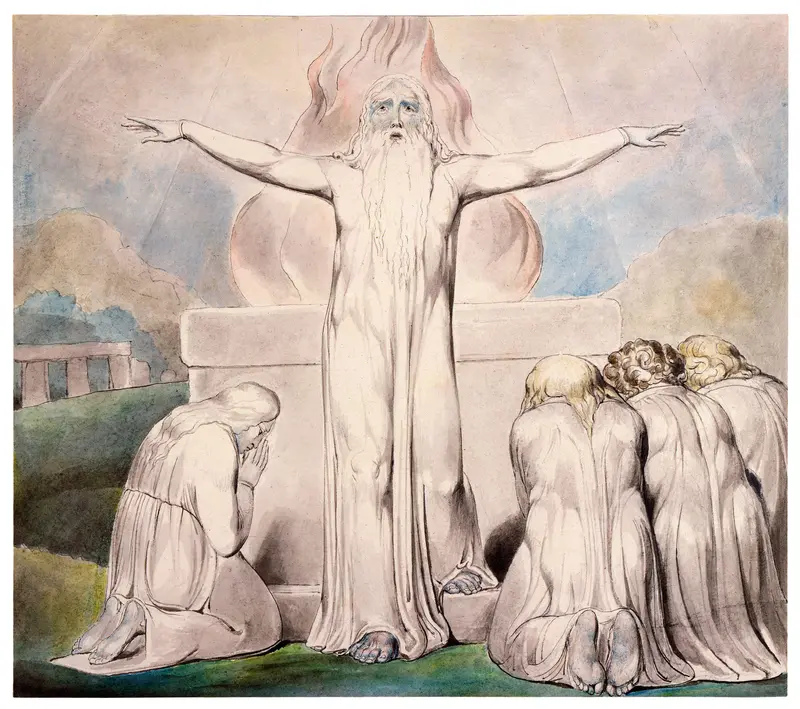
Sacrifice of Job
William Blake
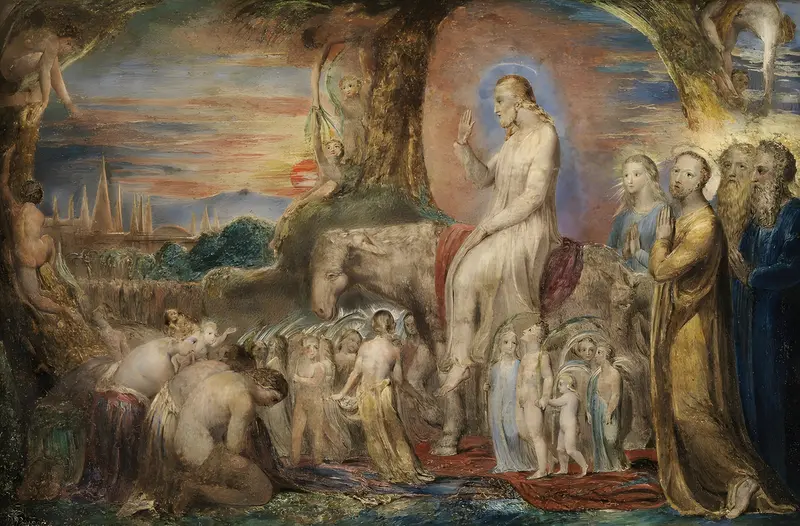
Christ's Entry into Jerusalem
William Blake
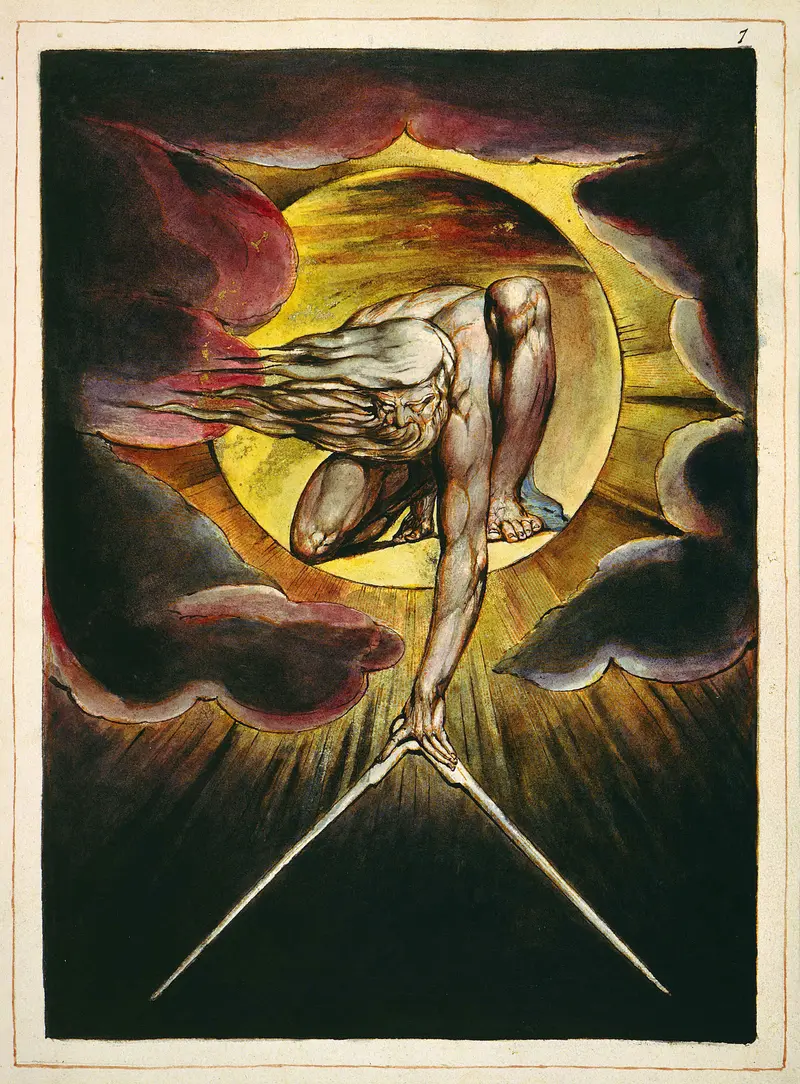
The Ancient of Days
William Blake
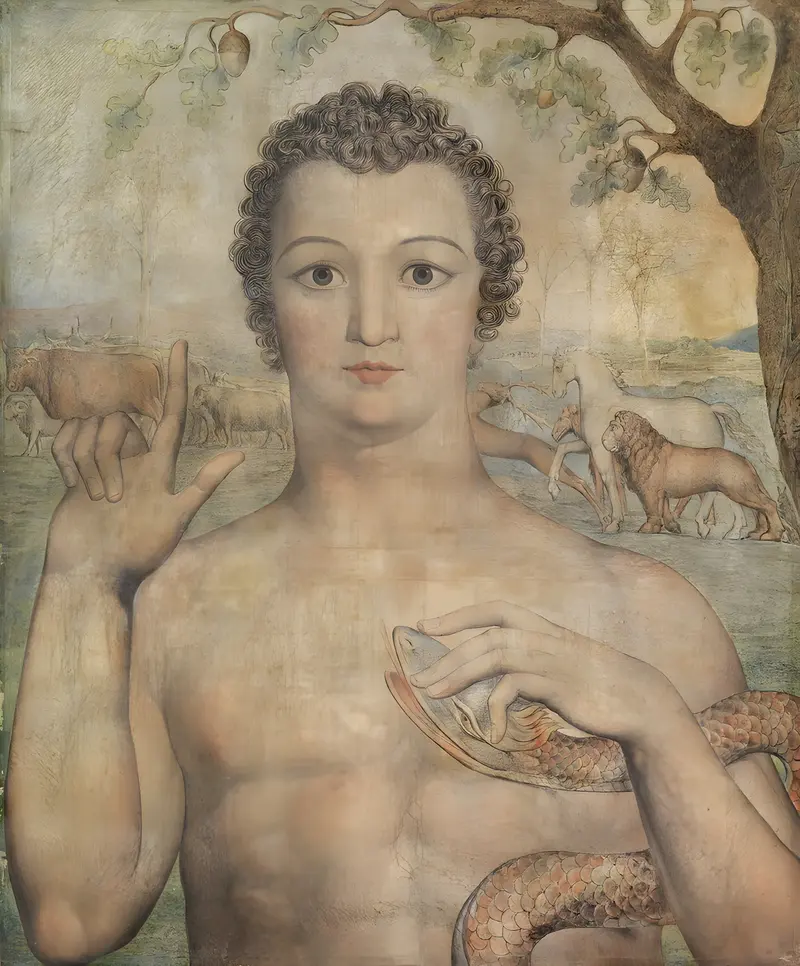
Adam Naming the Beasts
William Blake





