
Hoofd van Saul wordt tempel van Filistijnen binnengebracht — History & Facts
In the realm of art, balance is essential; it shapes perception and breathes life into the inanimate. In Hoofd van Saul wordt tempel van Filistijnen binnengebracht, the tension between light and shadow creates a haunting focal point. Look closely at the dramatic contrast in the depiction of King Saul's severed head, characterized by deeply saturated tones that lend gravity to the scene. The artist employs a dark palette, punctuated by the soft glow of candlelight that illuminates the grotesque trophy, drawing the viewer’s gaze directly to the horror of the moment.
The stark background enhances the sense of isolation, inviting contemplation of the weight of victory and defeat. This image provokes reflection on the nature of power, sacrifice, and the fragility of life. The head, both a symbol of conquest and a reminder of mortality, prompts us to examine the dualities inherent in any triumph. The careful rendering of the textures, from the lifeless skin to the cold metal of the surrounding temple, contrasts the vibrancy of life with the stillness of death, evoking a profound emotional response.
The viewer is left to grapple with the implications of glory entwined with loss. In 1538, Holbein created this work during a time of significant political and religious upheaval in Europe. Living in Basel, he found himself navigating the complexities of the Reformation while working for notable patrons, including Thomas More. This period marked a shift in artistic expression, with a greater focus on realism and the human experience, reflective of the broader changes occurring across the continent.
More Artworks by Hans Holbein (II)
Browse all →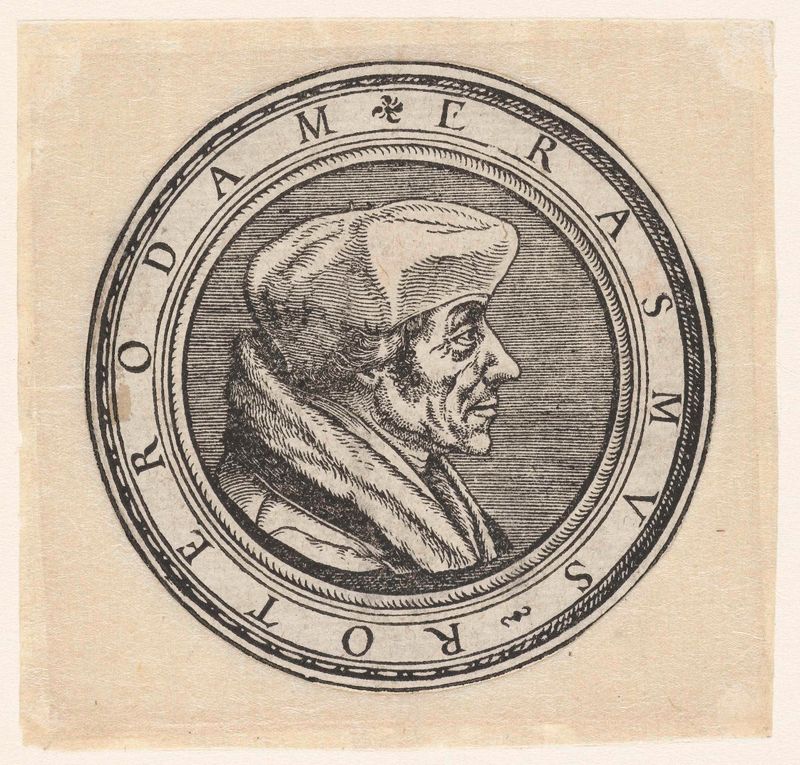
Portret van Erasmus
Hans Holbein (II)
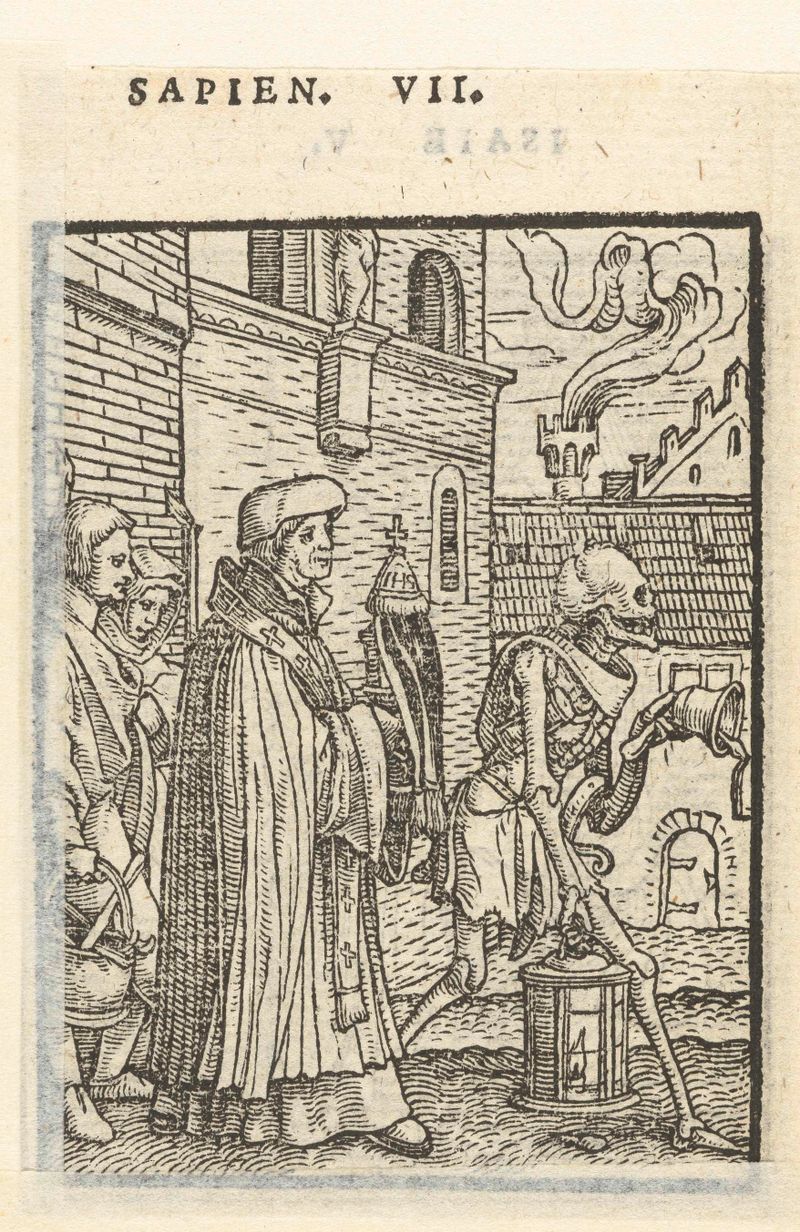
Priester en de Dood
Hans Holbein (II)
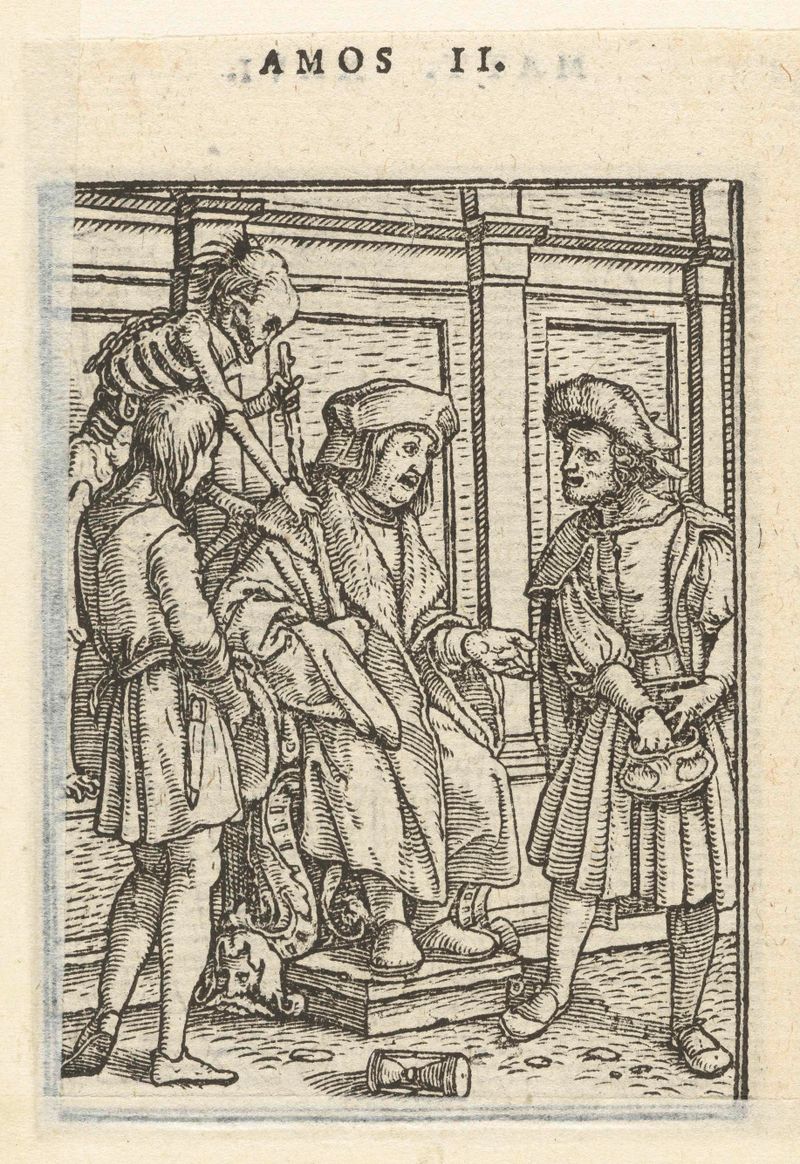
Rechter en de Dood
Hans Holbein (II)
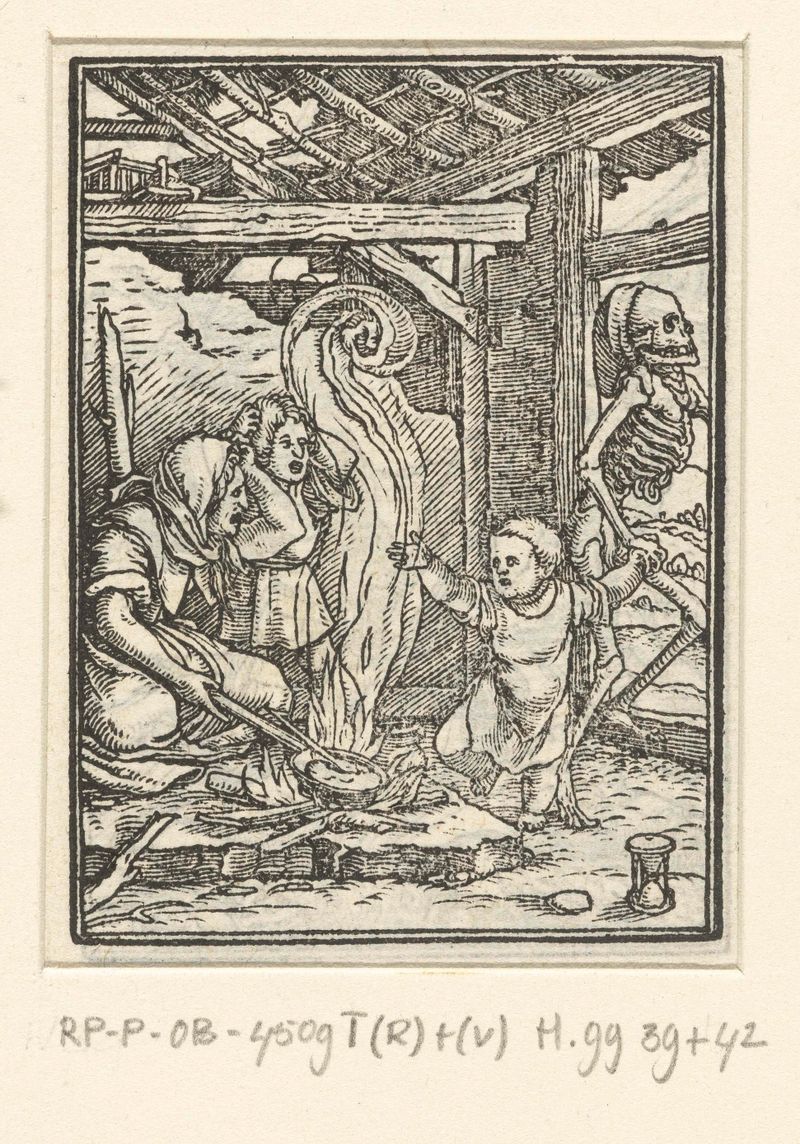
Kind en de Dood
Hans Holbein (II)
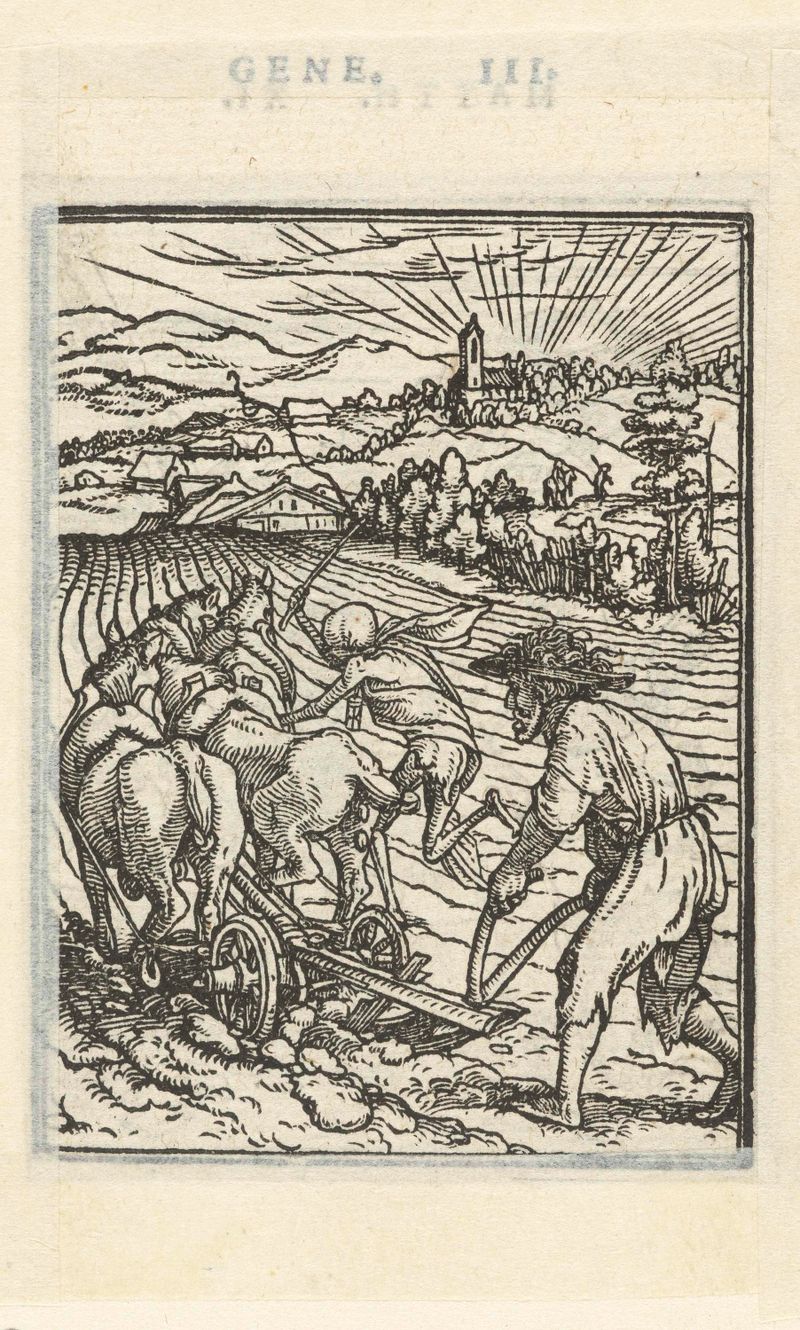
Boer en de Dood
Hans Holbein (II)
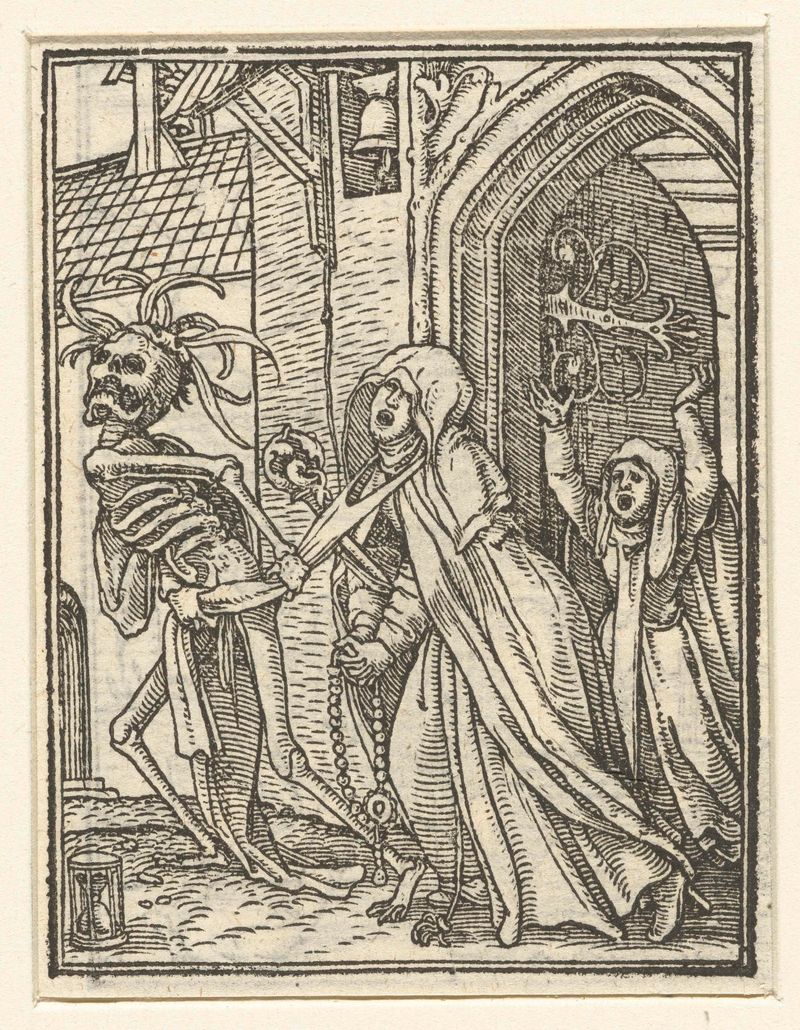
Abdis en de Dood
Hans Holbein (II)
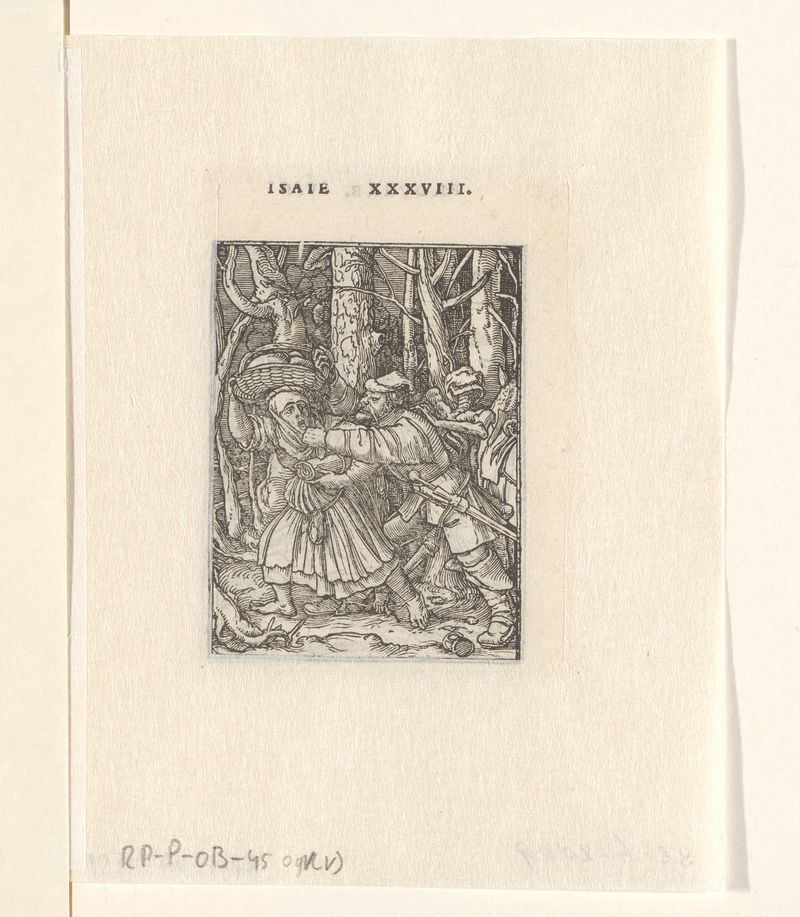
Dief en de Dood
Hans Holbein (II)
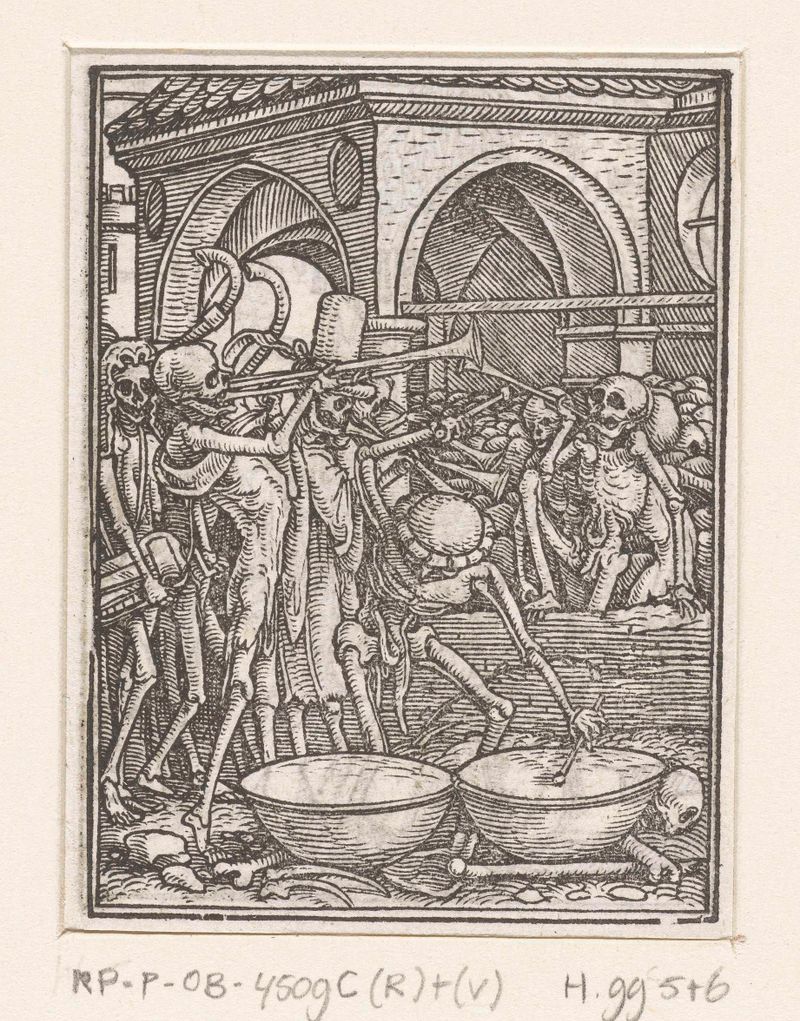
Skeletons Making Music from Dance of the Dead
Hans Holbein (II)
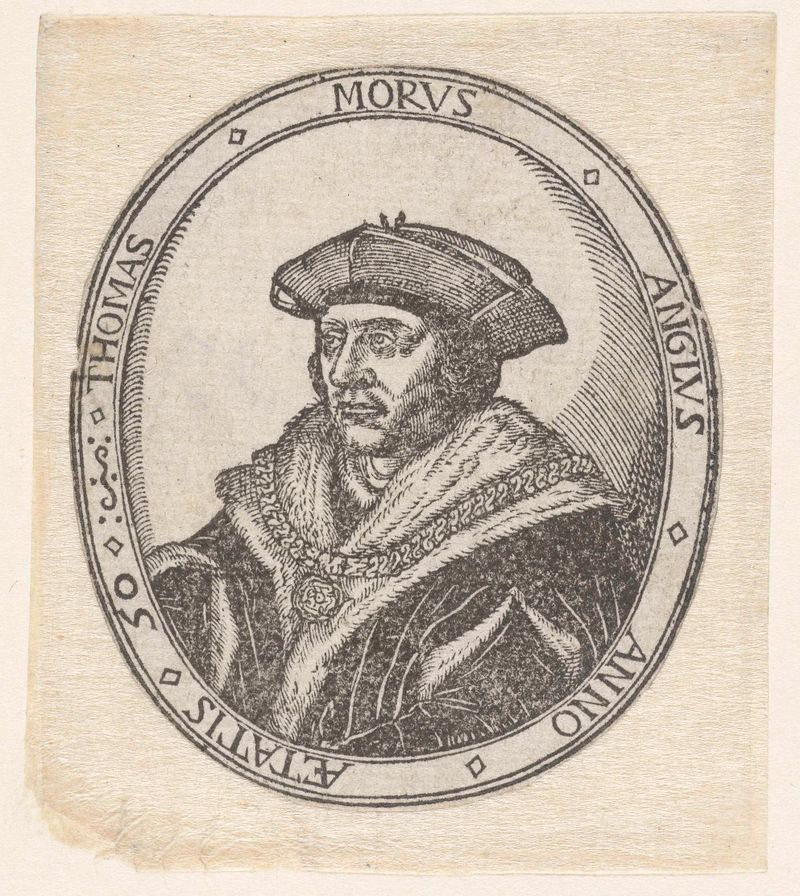
Portret van Thomas More
Hans Holbein (II)
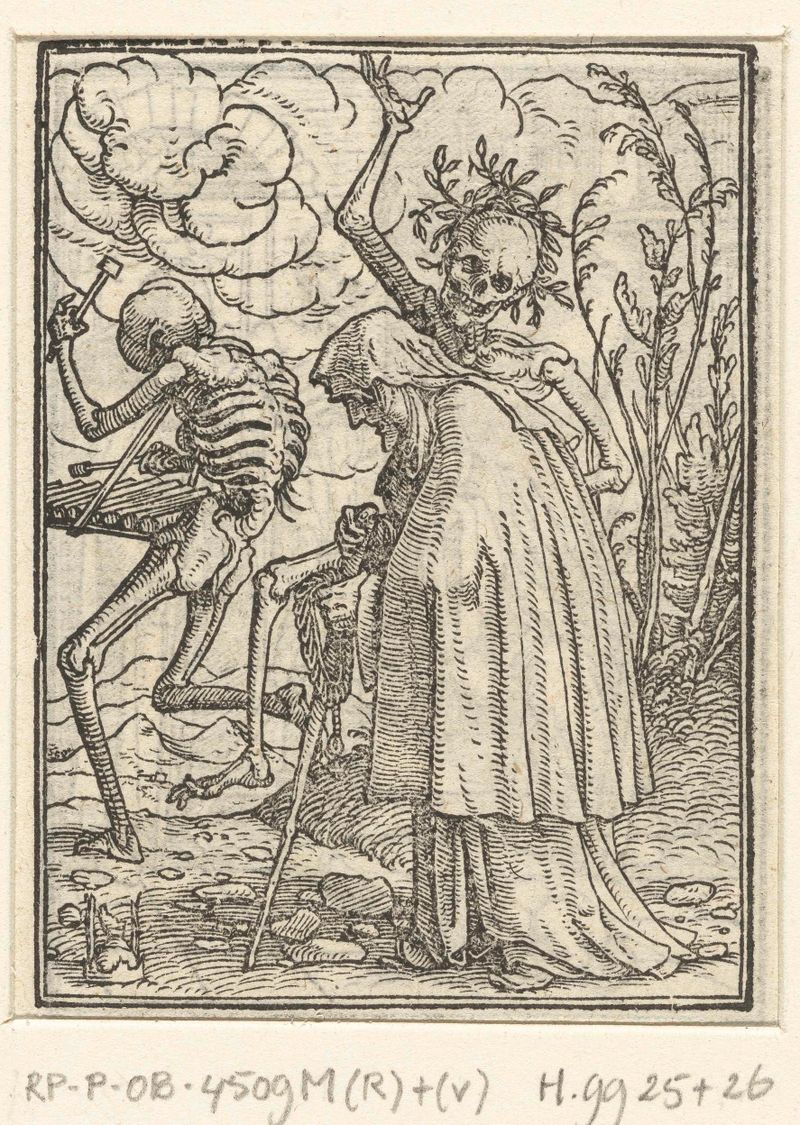
Oude vrouw en de Dood
Hans Holbein (II)
More Historical Art
Browse all →
The Night Watch Militia Company of District II under the Command of Captain Frans Banninck Cocq
Rembrandt van Rijn

Lincoln Memorial
Henry Bacon

The Third of May 1808
Francisco de Goya

Isaac and Rebecca, Known as ‘The Jewish Bride’
Rembrandt van Rijn

The Charge of the Mamelukes (1814)
Francisco de Goya

De vier ruiters van de apocalyps
Albrecht Dürer