
How Reynard asks the king for a respite and makes his general confession in front of all the people — History & Facts
Few characters in medieval literature have caused as much mischief—or inspired as much art—as Reynard the Fox. The cunning trickster’s escapades, first compiled in the twelfth century and endlessly retold across Europe, were so popular that they became a vehicle for social satire, poking fun at clergy, nobility, and the very notion of justice. In How Reynard asks the king for a respite and makes his general confession in front of all the people, Gustave Van de Woestijne selects a pivotal moment from this tradition: Reynard, facing execution, turns the tables with words alone. The scene is tense with anticipation.
Reynard, surrounded by the court and the commoners, stands before the king—his very life hanging on his confession. Van de Woestijne captures the fox’s sly intelligence in a sidelong glance, while the assembled animals, each with their own expressions of skepticism or awe, crowd the foreground. The king, often depicted as a lion in Reynard cycles, sits elevated, his scepter angled toward the fox as if weighing judgment.
The painter’s use of muted earth tones and compressed space heightens the sense of a public spectacle, recalling the psychological intensity found in James Ensor’s satirical assemblies. Every detail—the fox’s restrained posture, the attentive crowd—underscores the drama of confession as performance. The precise date and medium of Van de Woestijne’s work remain uncertain, a reminder of the gaps that still exist in cataloguing early twentieth-century Belgian art. Yet the painting’s subject and style place it firmly within the Symbolist movement, where animal fables became a means to explore human folly and morality.
While we do not know the original patron or its early journey, the painting is often cited as a key example of Van de Woestijne’s fascination with allegory and the grotesque, themes that run through his career. Today, How Reynard asks the king for a respite and makes his general confession in front of all the people stands as a testament to the enduring power of Reynard’s story—and to the artist’s ability to make ancient tales feel urgent and alive.
More Artworks by Gustave Van de Woestijne
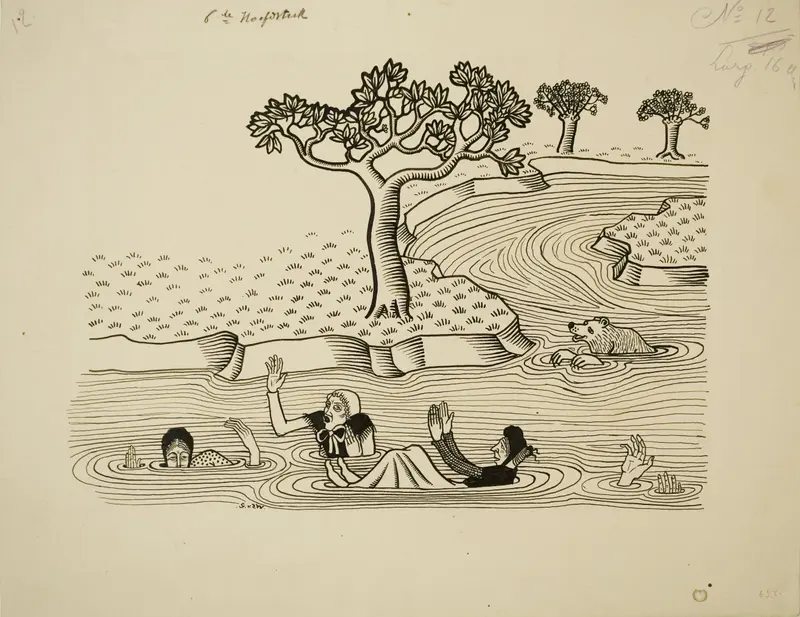
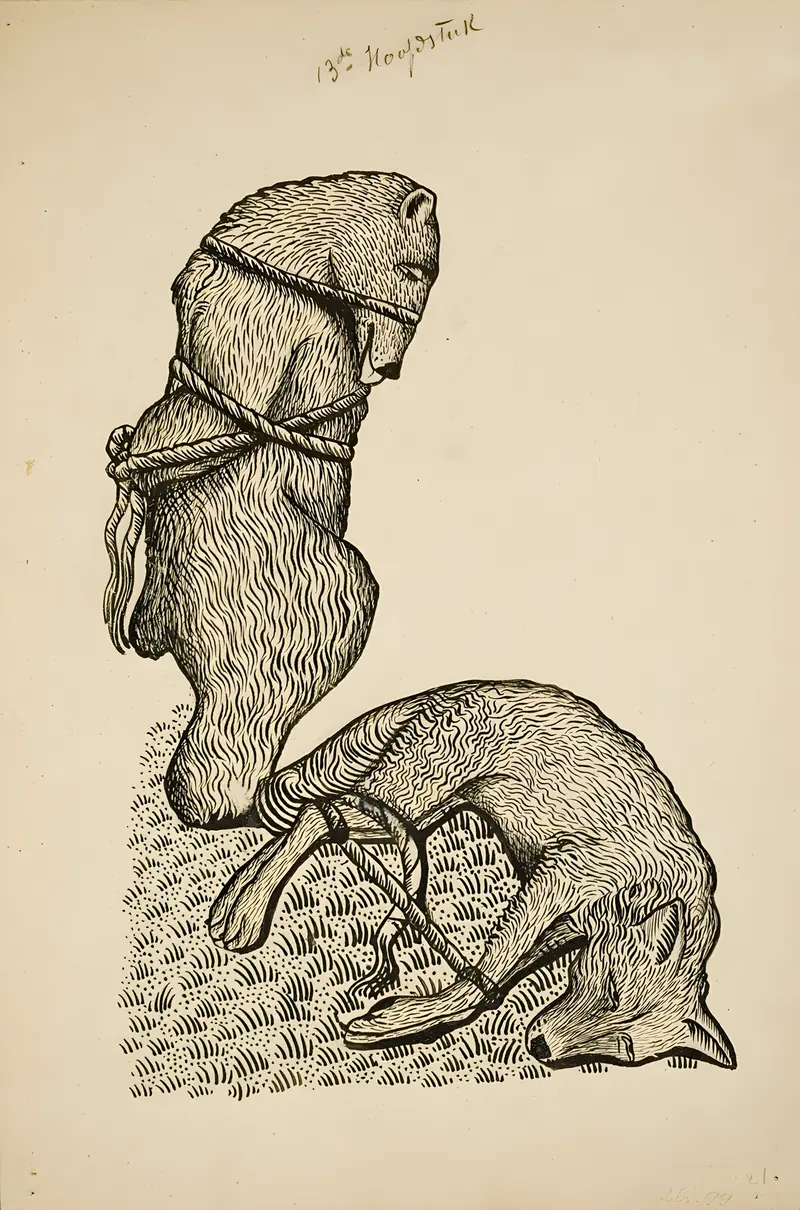
How Brown went out with Reynard where he thought he was eating honey and how he was caught by head and feet and suffered further misfortune
Gustave Van de Woestijne
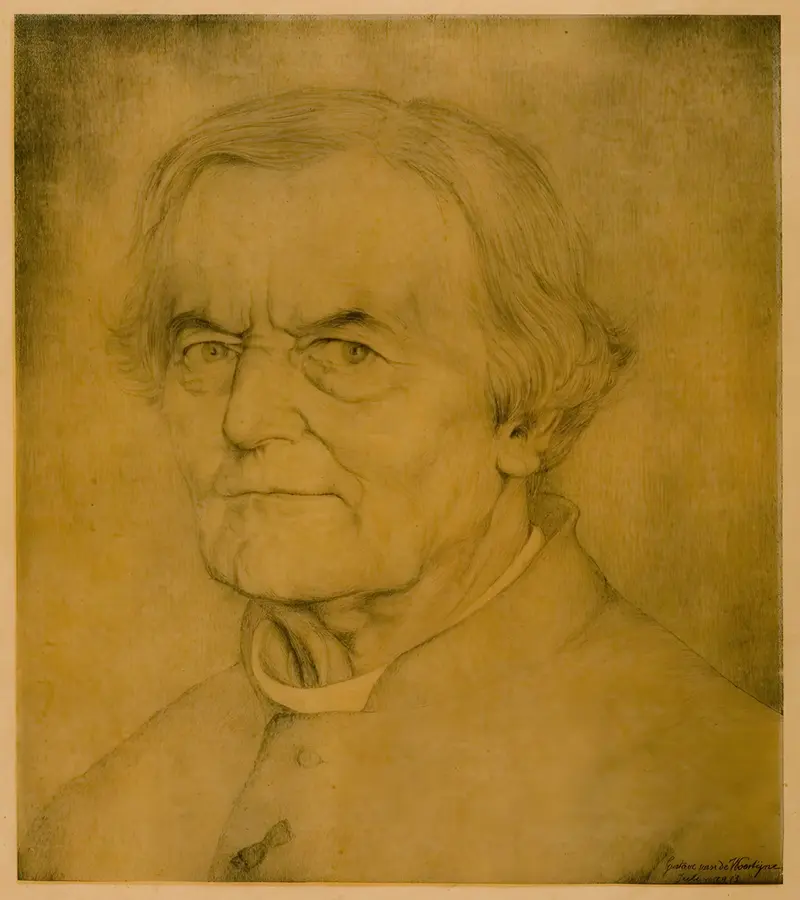
Portrait of Hugo Verriest
Gustave Van de Woestijne
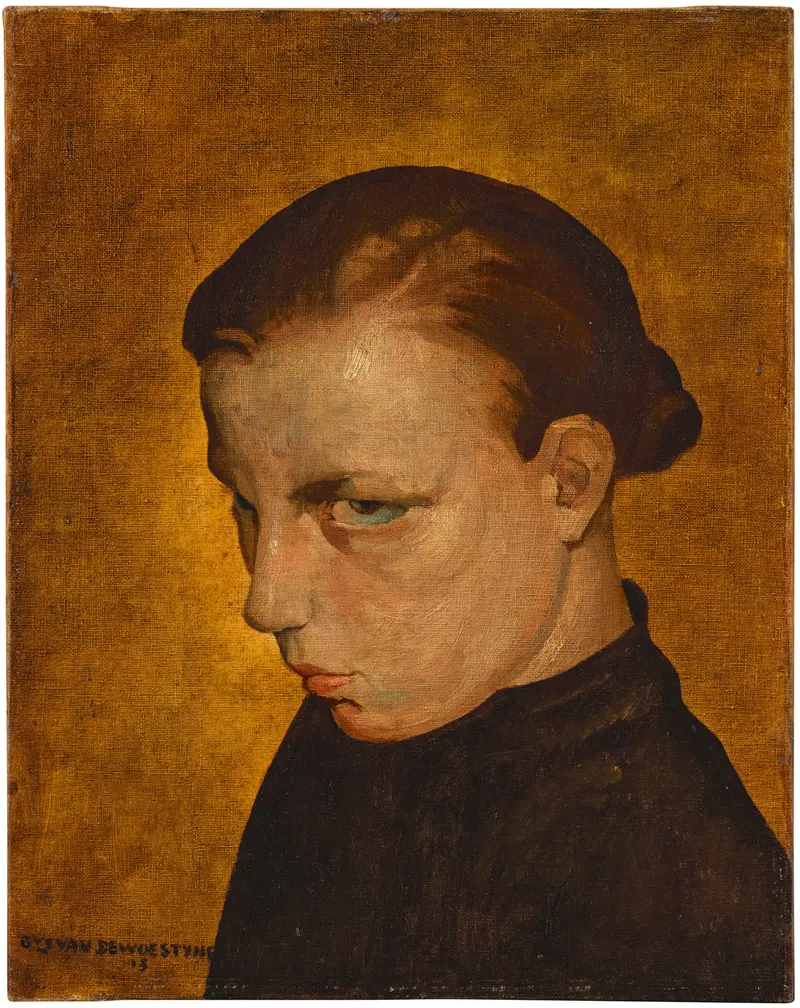
Angèle
Gustave Van de Woestijne
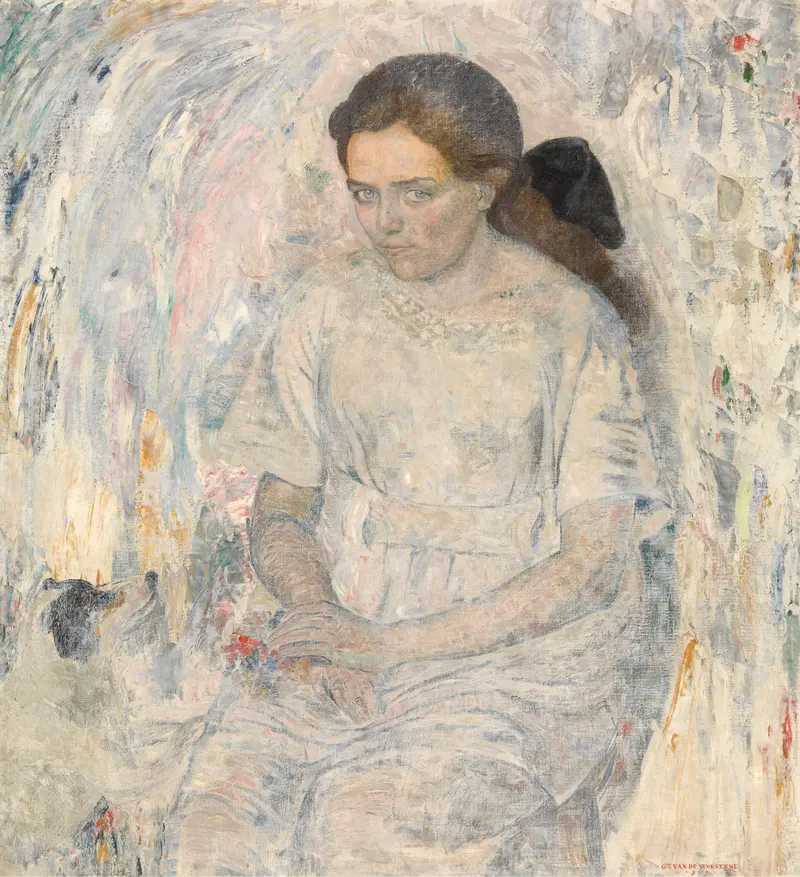
Adrienne
Gustave Van de Woestijne
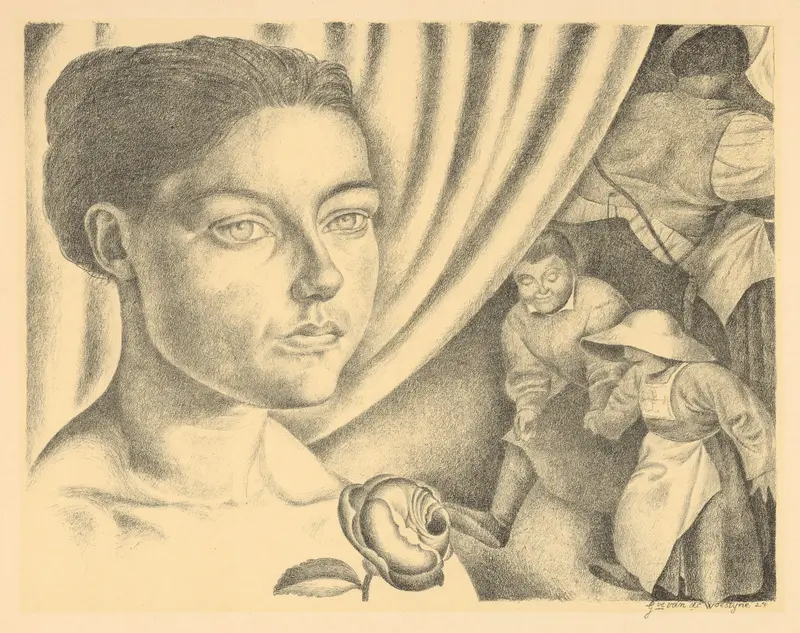
Jeune Femme
Gustave Van de Woestijne
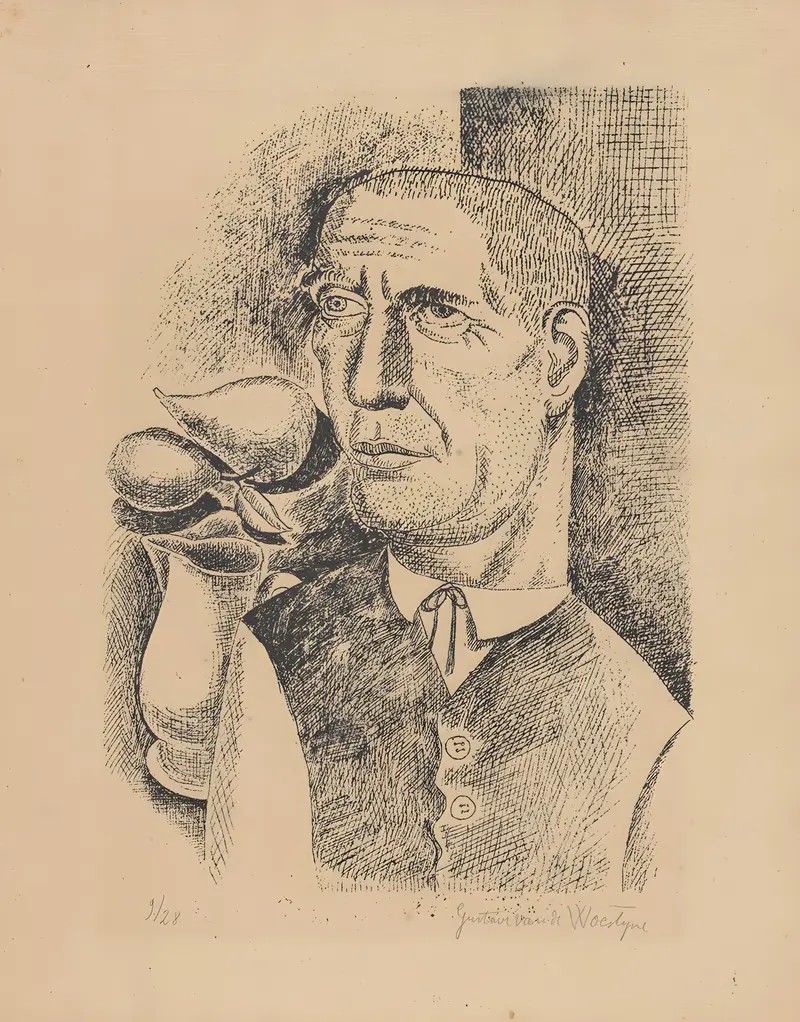
Boer op zijn zondags (Paysan endimanché)
Gustave Van de Woestijne
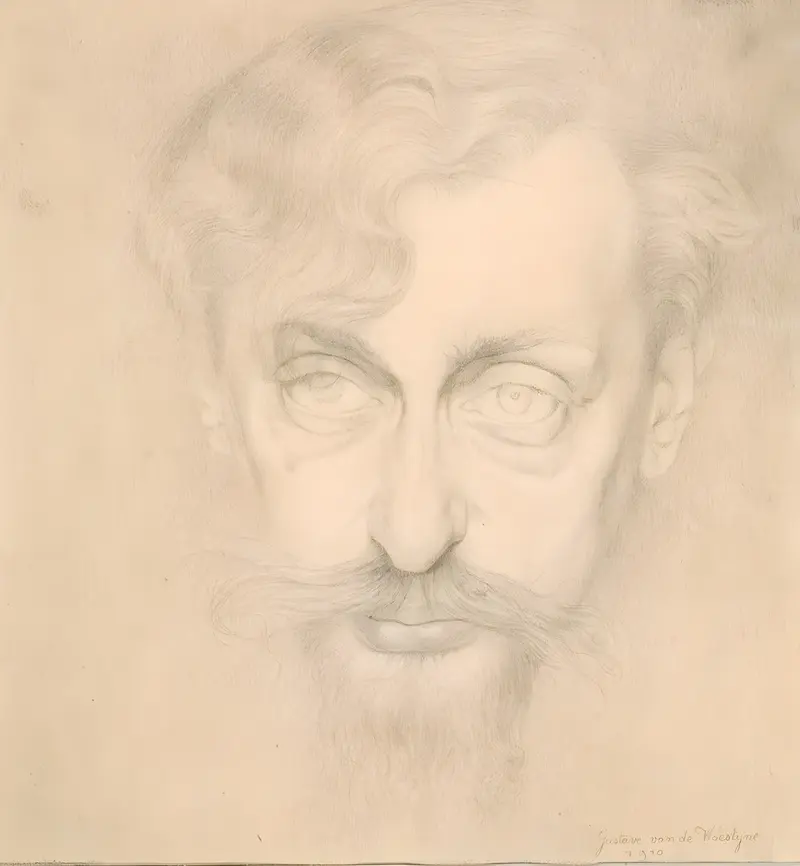
Portrait of the Writer Karel van de Woestijne
Gustave Van de Woestijne
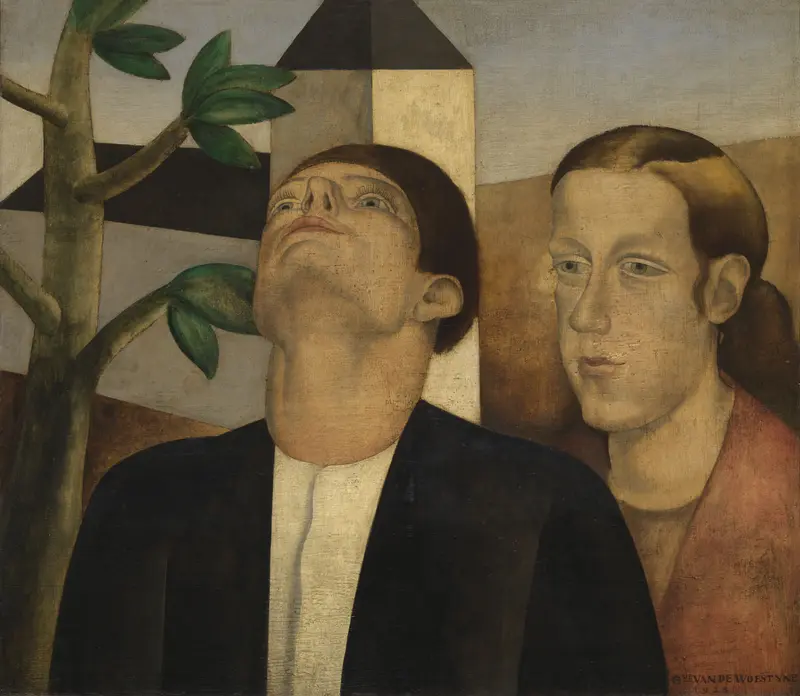
Azure
Gustave Van de Woestijne
How Reinaert devises a new trick to get free and exterminate his enemies
Gustave Van de Woestijne
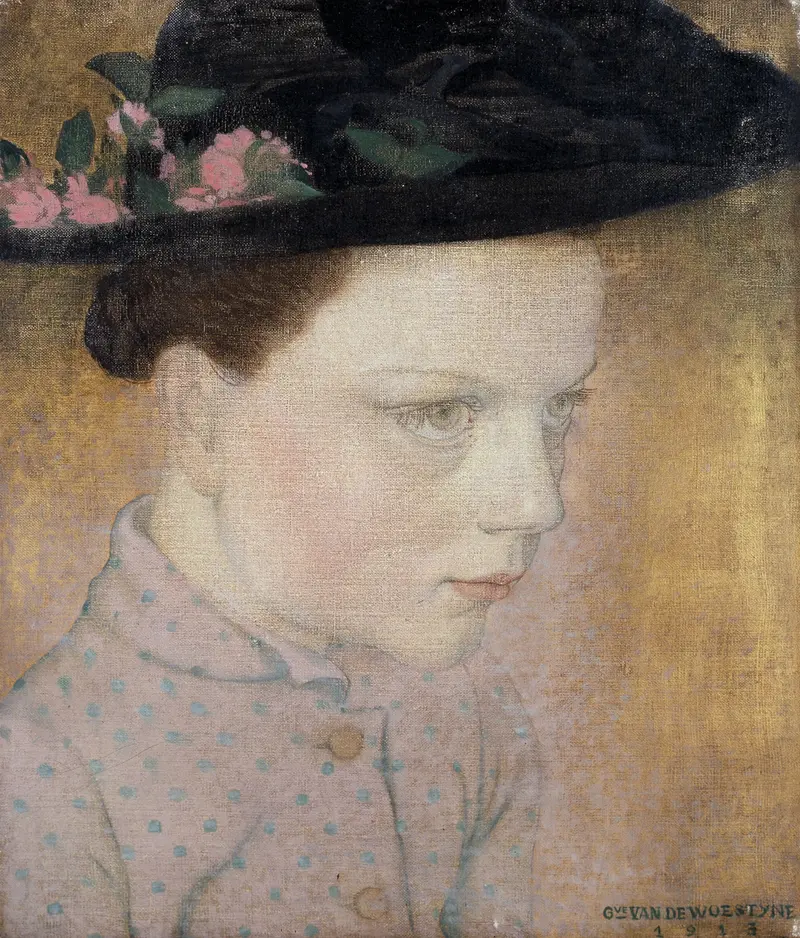
Country Girl
Gustave Van de Woestijne
More Genre Scene Art

Banquet of the Officers of the St George Civic Guard
Frans Hals

Rembrandt and Saskia in the Scene of the Prodigal Son
Rembrandt van Rijn

Bal du moulin de la Galette
Pierre-Auguste Renoir

Quadrille at the Moulin Rouge
Henri de Toulouse-Lautrec

A Burial at Ornans
Gustave Courbet

When Will You Marry?
Paul Gauguin