Huis — History & Facts
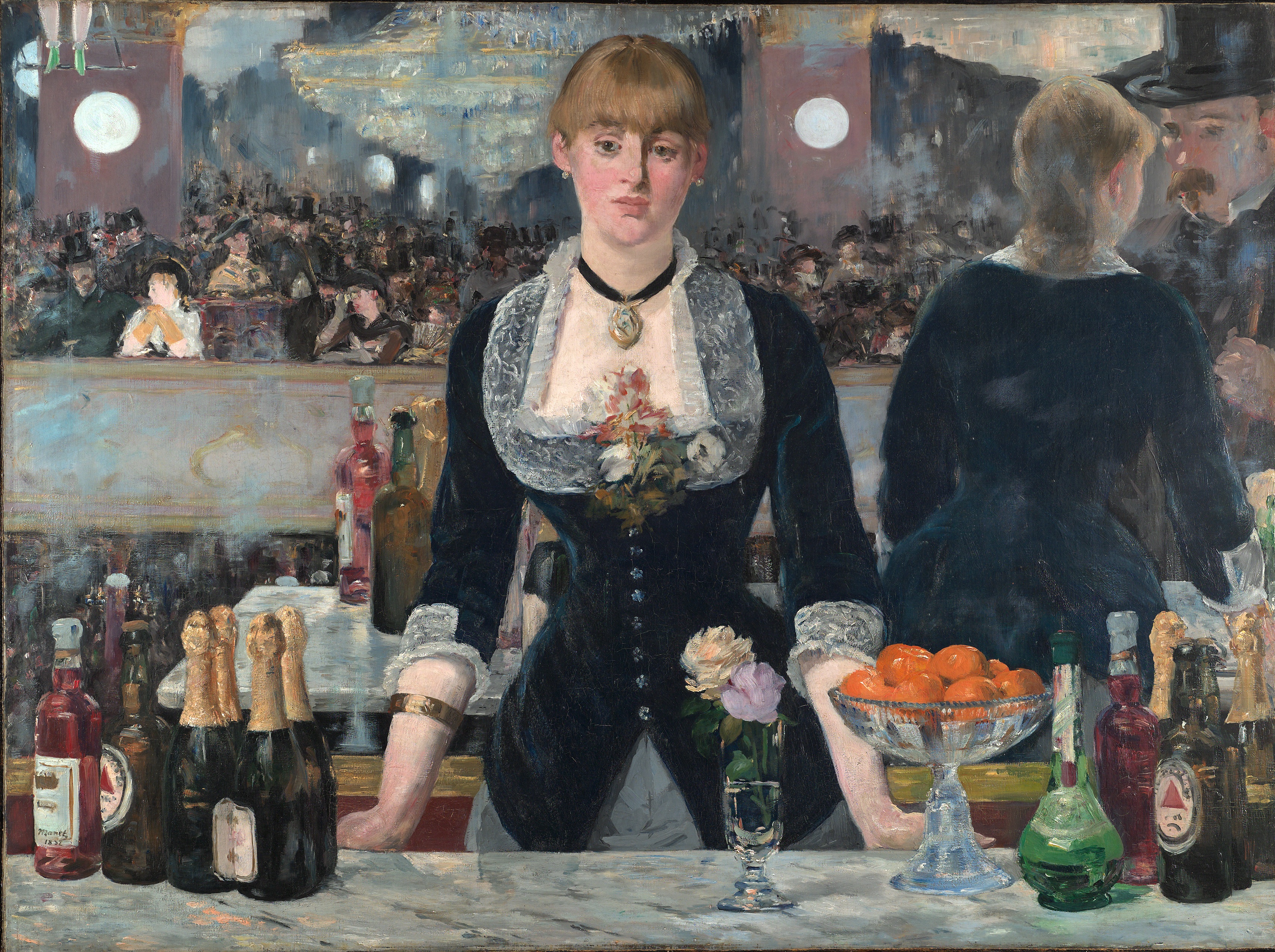
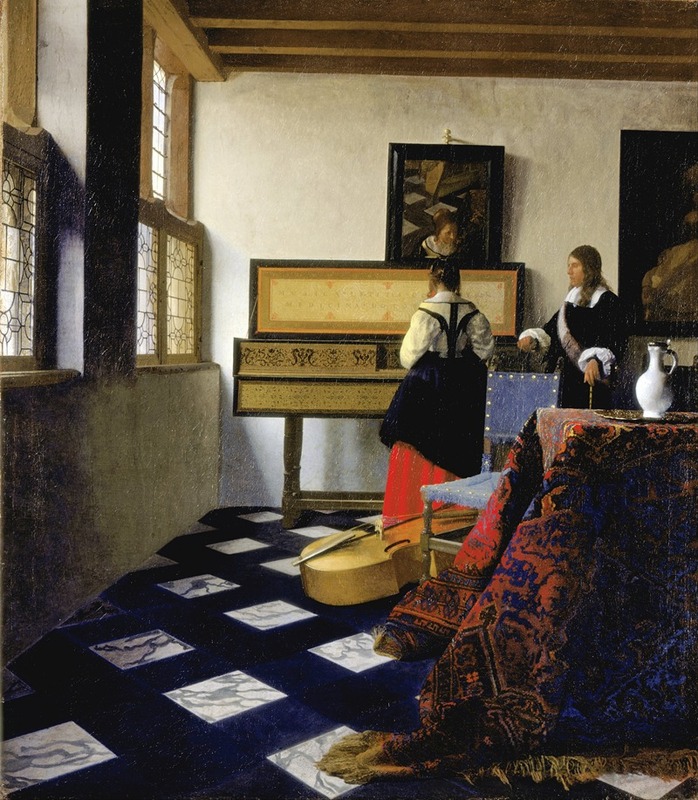
In the stillness of a solitary house, awakening unfolds quietly, inviting introspection and gentle revelation. Each brushstroke resonates with the unspoken truths that linger within its walls. Look to the center, where the house stands resilient against a backdrop of soft, muted colors. The earthy tones, with subtle hints of green and warm ochre, envelop the structure, suggesting a harmony with the surrounding landscape.
Notice the play of light as it filters through the windows, casting delicate shadows that dance across the façade, hinting at the life that once thrived within. The composition draws your gaze inward, creating an intimate connection between the viewer and the essence of the home. The juxtaposition of emptiness and the potential for life within the piece evokes a profound sense of nostalgia. Each windowless pane embodies absence, yet also holds the promise of awakening — the potential for stories to unfold and memories to resurface.
The stillness of the painting communicates a tension between longing and hope, challenging the viewer to reflect on what has been lost and what may yet be rediscovered. In 1918, during a time of post-war recovery and searching for stability, the artist created this work while living in the Netherlands. Surrounded by rapid social change and a desire for a new beginning, this period in Moulijn's life was marked by introspection and a burgeoning exploration of identity, both personal and artistic. His focus on domestic settings reflects a wider artistic trend that sought to convey the emotional landscapes of everyday life, highlighting the significance of home as a vessel for human experience.
More Artworks by Simon Moulijn
Browse all →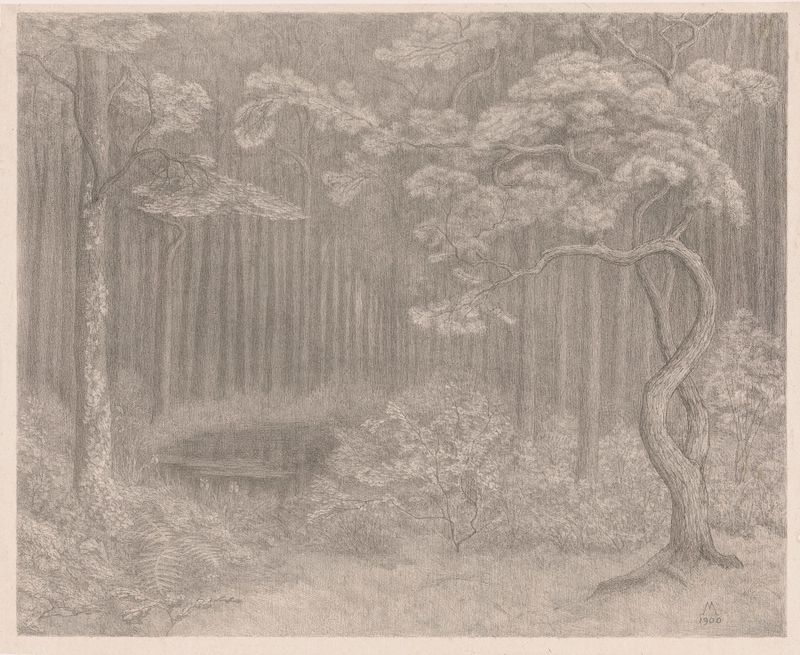
Bosgezicht
Simon Moulijn
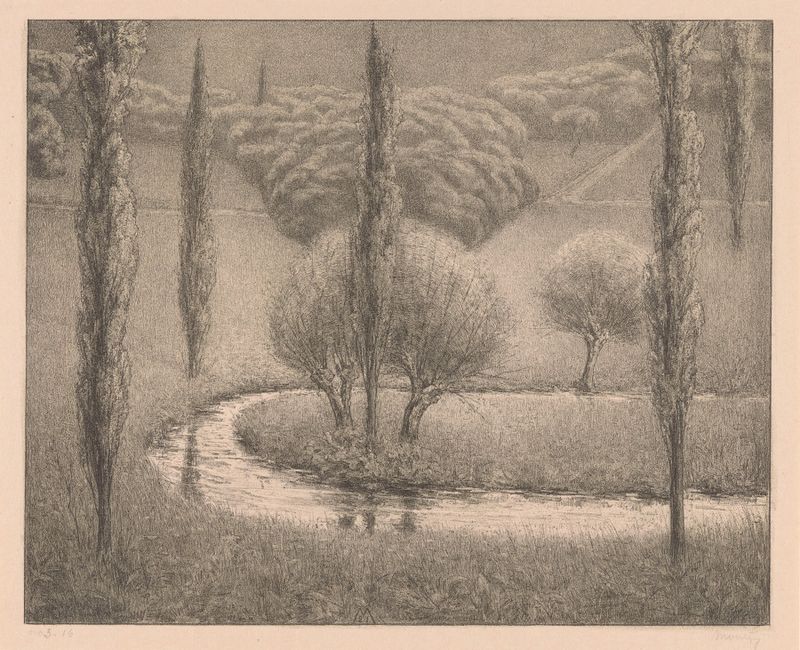
Landschap met wilgen en populieren
Simon Moulijn
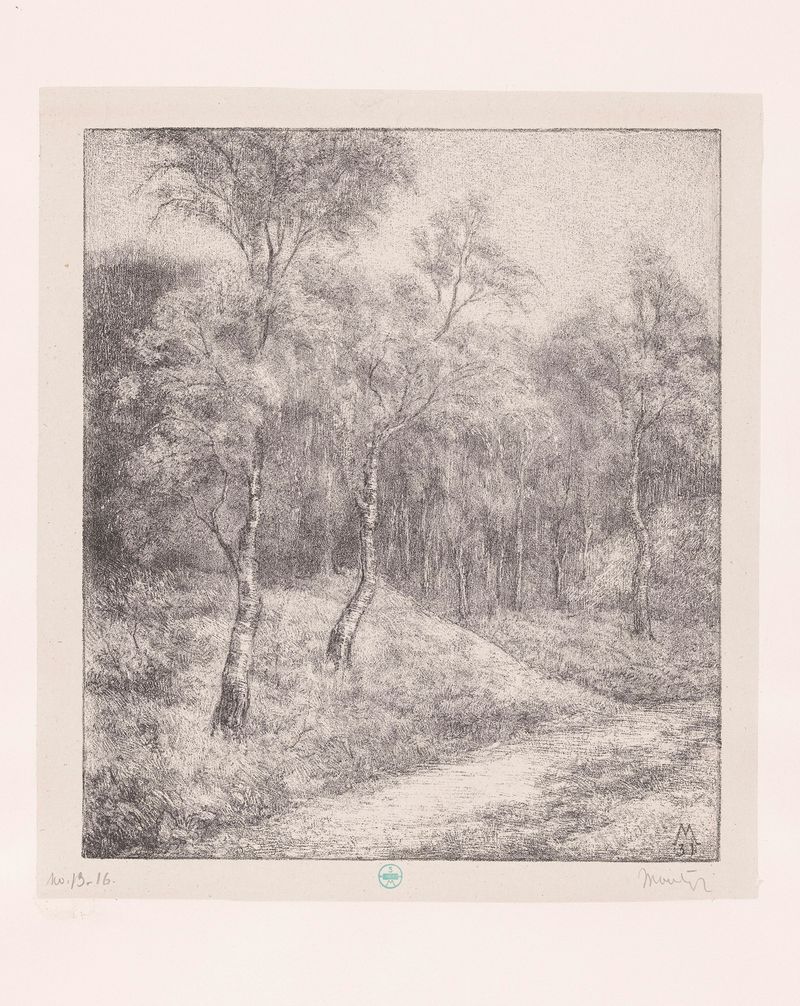
Bospad met berken
Simon Moulijn
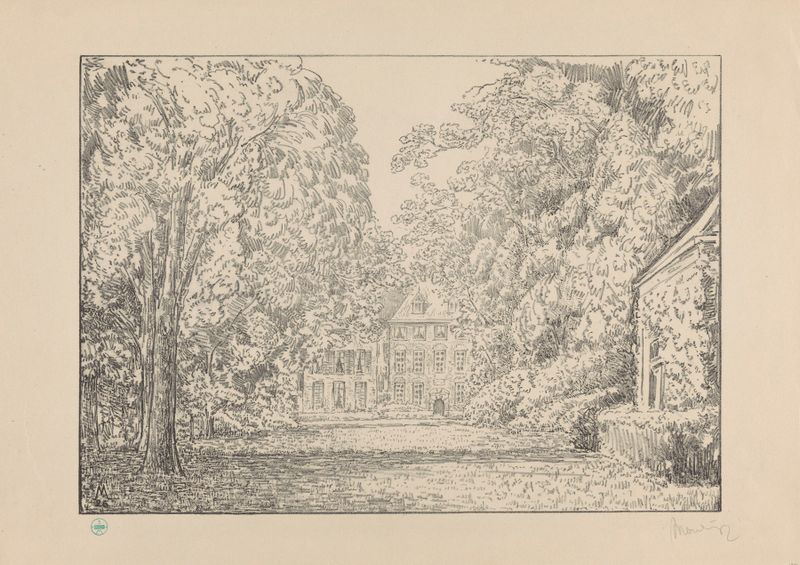
Gezicht op kasteel Duivenvoorde vanuit de tuin Duivenvoorde I
Simon Moulijn
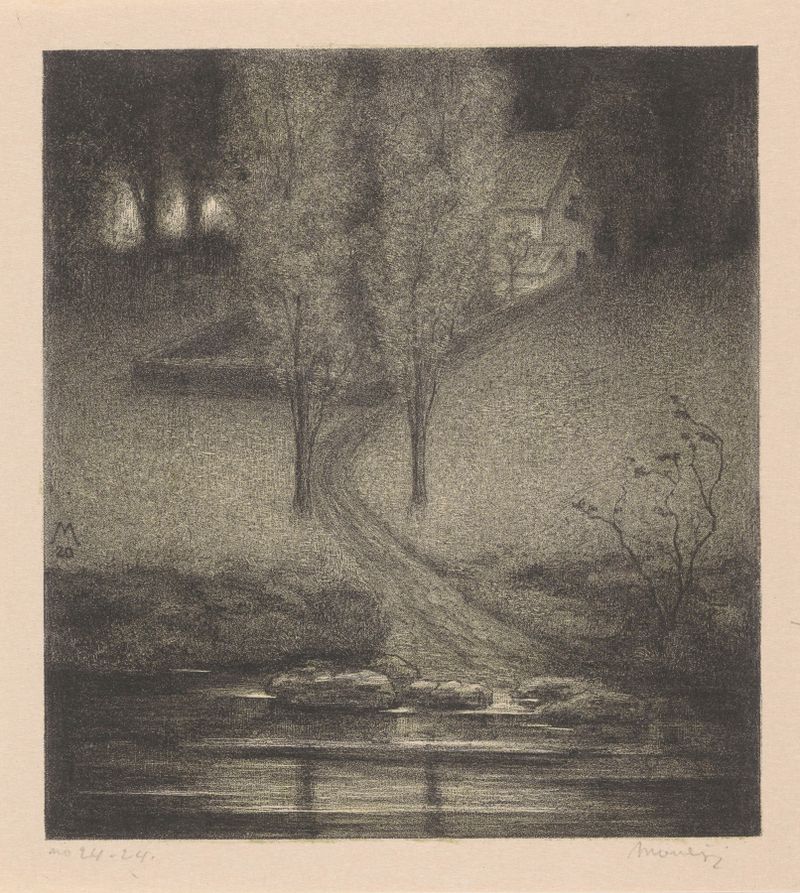
Populieren aan een beek
Simon Moulijn
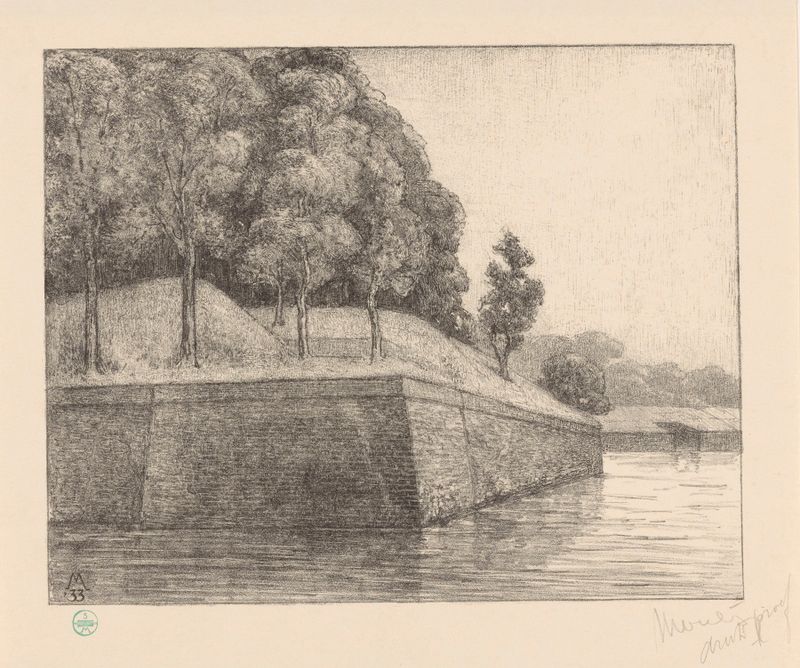
Gezicht op bastion Oud-Molen (westzijde)
Simon Moulijn
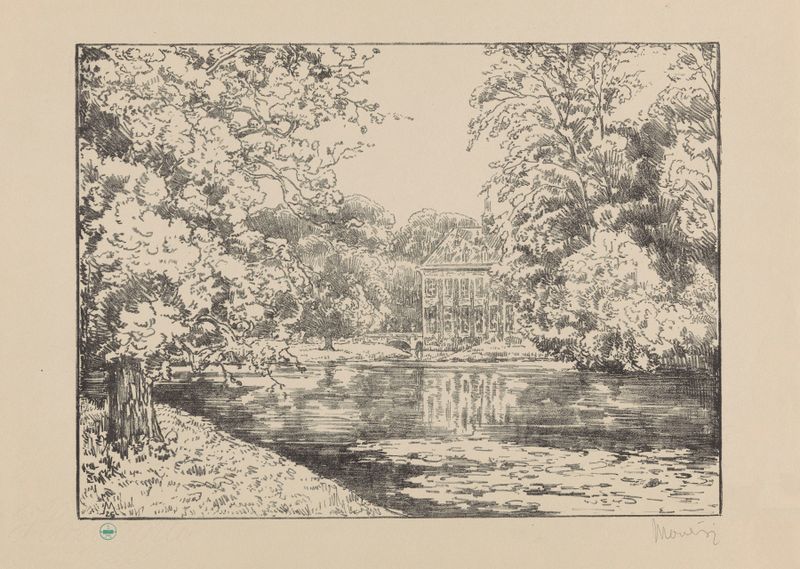
Kasteel Duivenvoorde aan vijver Duivenvoorde II
Simon Moulijn
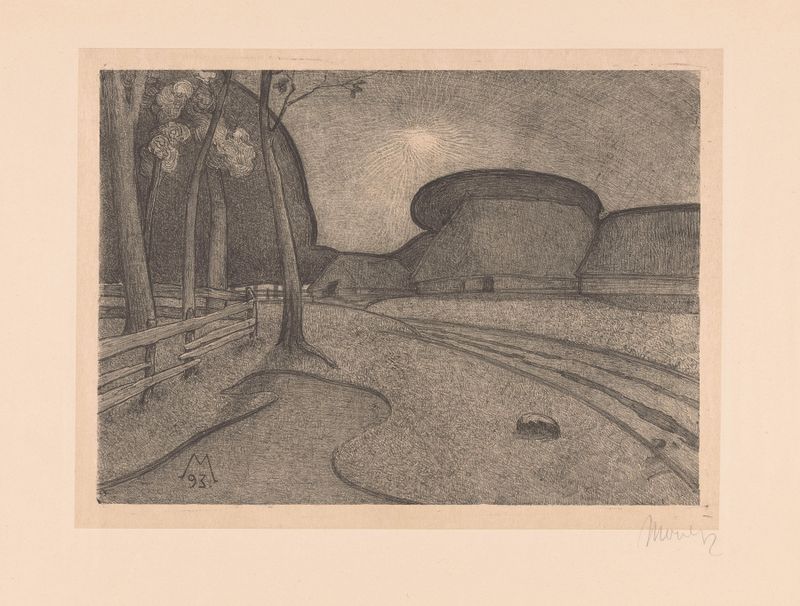
Landschap met boerderij Avond
Simon Moulijn
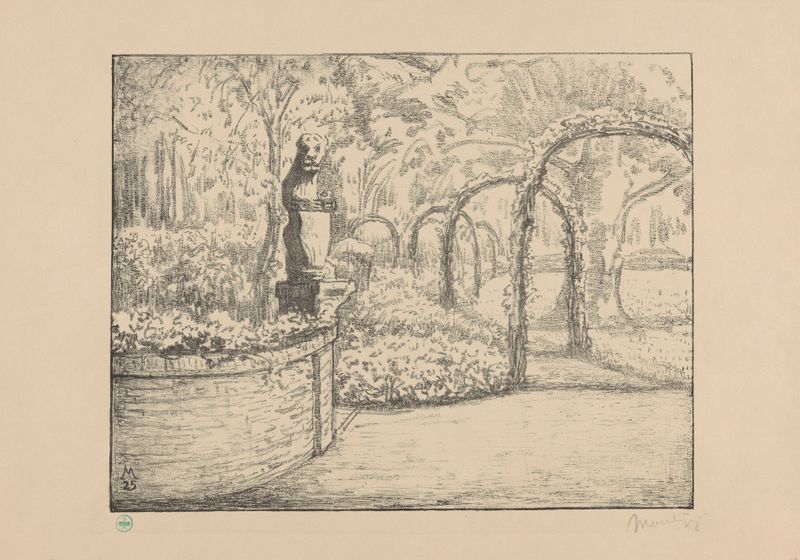
Tuin met rozenbogen op landgoed Zorgvliet Zorgvliet I
Simon Moulijn
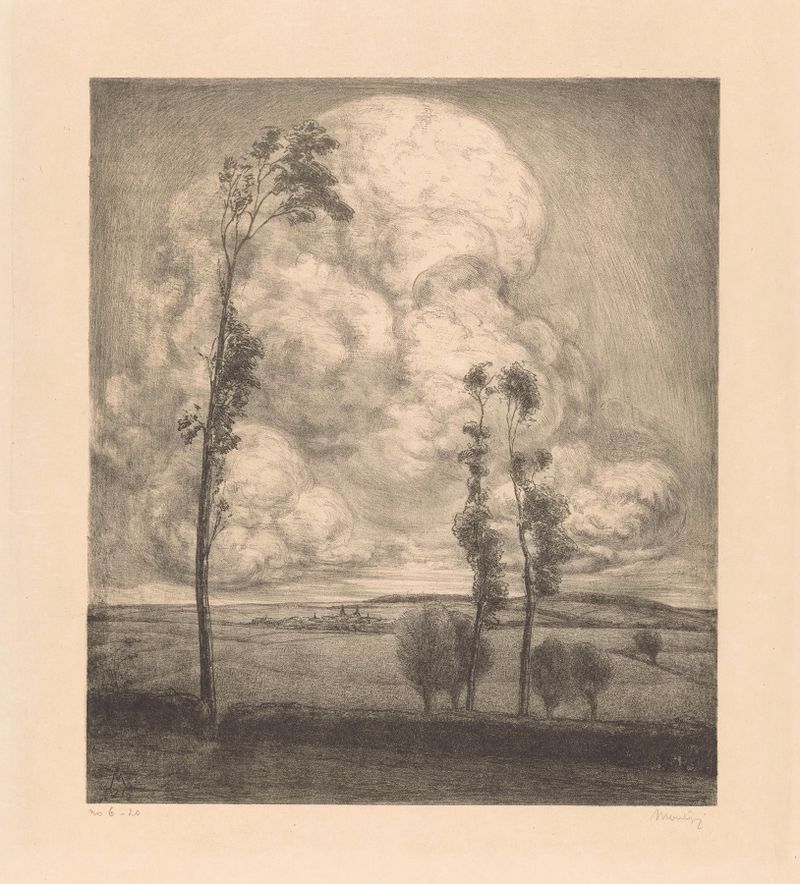
Wolken boven glooiend landschap
Simon Moulijn