
Icebound — History & Facts
In that stillness lies the promise of transcendence, a moment where nature speaks to the soul in its quiet yet profound language. Look to the center of the artwork, where icy blues and whites merge into a crystalline landscape, inviting your gaze deeper into the frozen scene. The brushstrokes are loose yet deliberate, capturing the essence of winter’s embrace. Notice how light dances across the surface of the frozen river, reflecting a soft glow that hints at warmth beneath the chill.
The composition draws you in, creating a sense of serenity that contrasts beautifully with the biting cold depicted. As you explore the edges of the canvas, subtle details emerge — the faint outlines of bare trees, their skeletal limbs reaching upward as if yearning for the sun. This interplay between desolation and beauty reveals an emotional tension, suggesting both a stillness and a longing for renewal. The cool palette evokes a sense of isolation, while the shimmering light suggests the presence of hope, a reminder of what lies beyond the frost. In the late 1880s, during his time in Connecticut, the artist created Icebound as he explored the effects of light and atmosphere in the natural world.
Twachtman was influenced by the Impressionist movement, focusing on the nuances of color and emotion. This period marked a pivotal moment in his life, as he sought to capture the transient beauty of landscapes, reflecting both personal and artistic struggles amid a rapidly evolving world.
More Artworks by John Henry Twachtman
Browse all →
Hemlock Pool
John Henry Twachtman

Waterfall
John Henry Twachtman
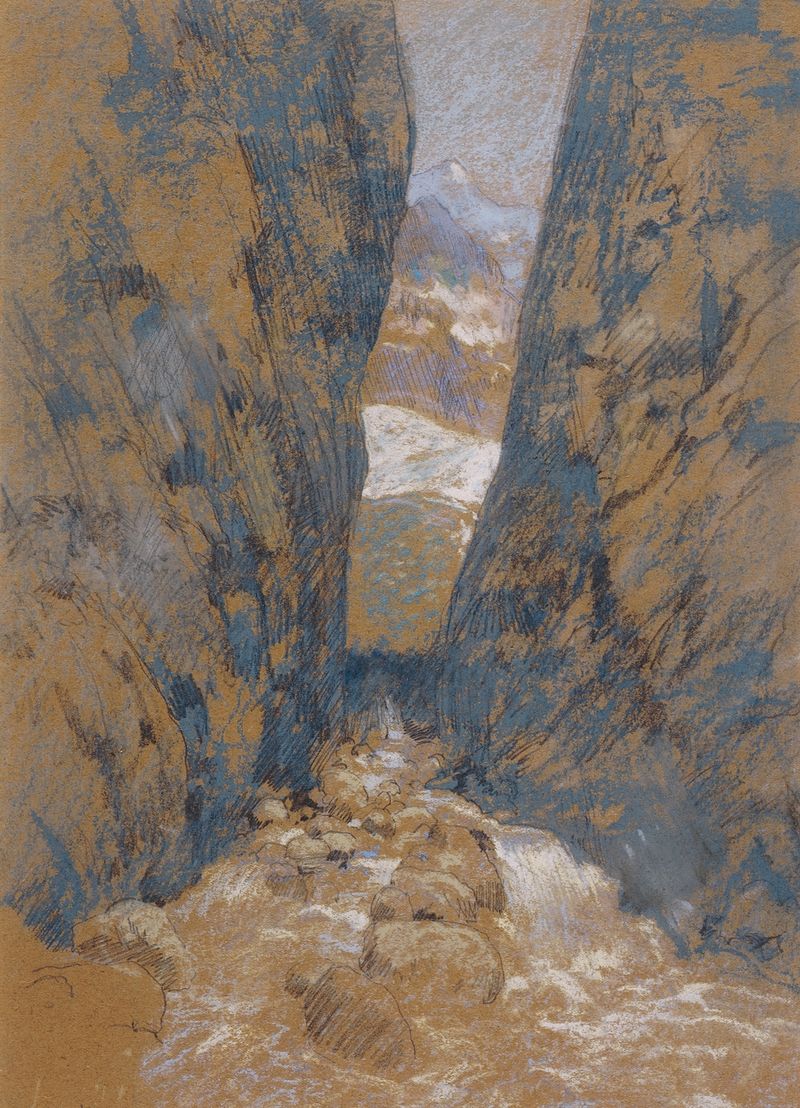
A Mountain Gorge
John Henry Twachtman

The White Bridge
John Henry Twachtman

Snow
John Henry Twachtman

Icebound
John Henry Twachtman
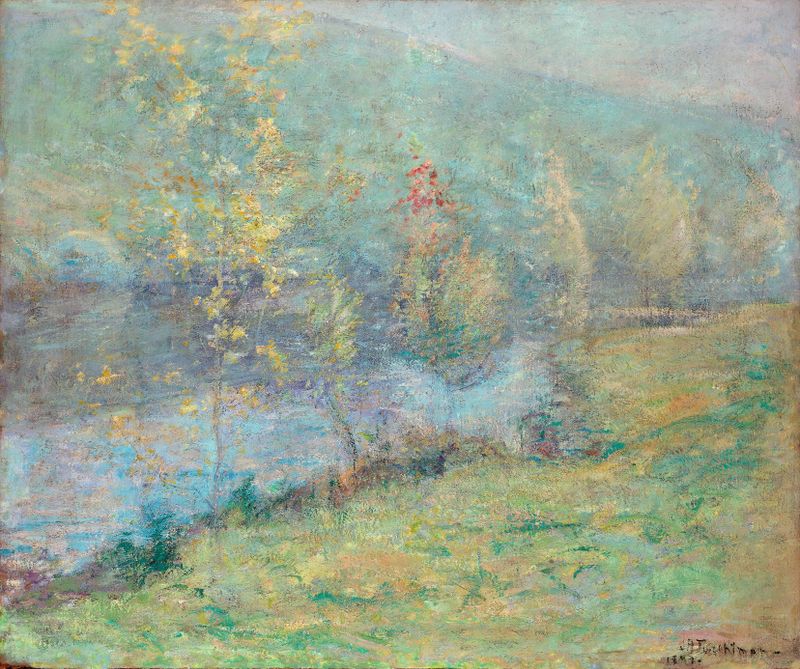
Misty May Morn
John Henry Twachtman
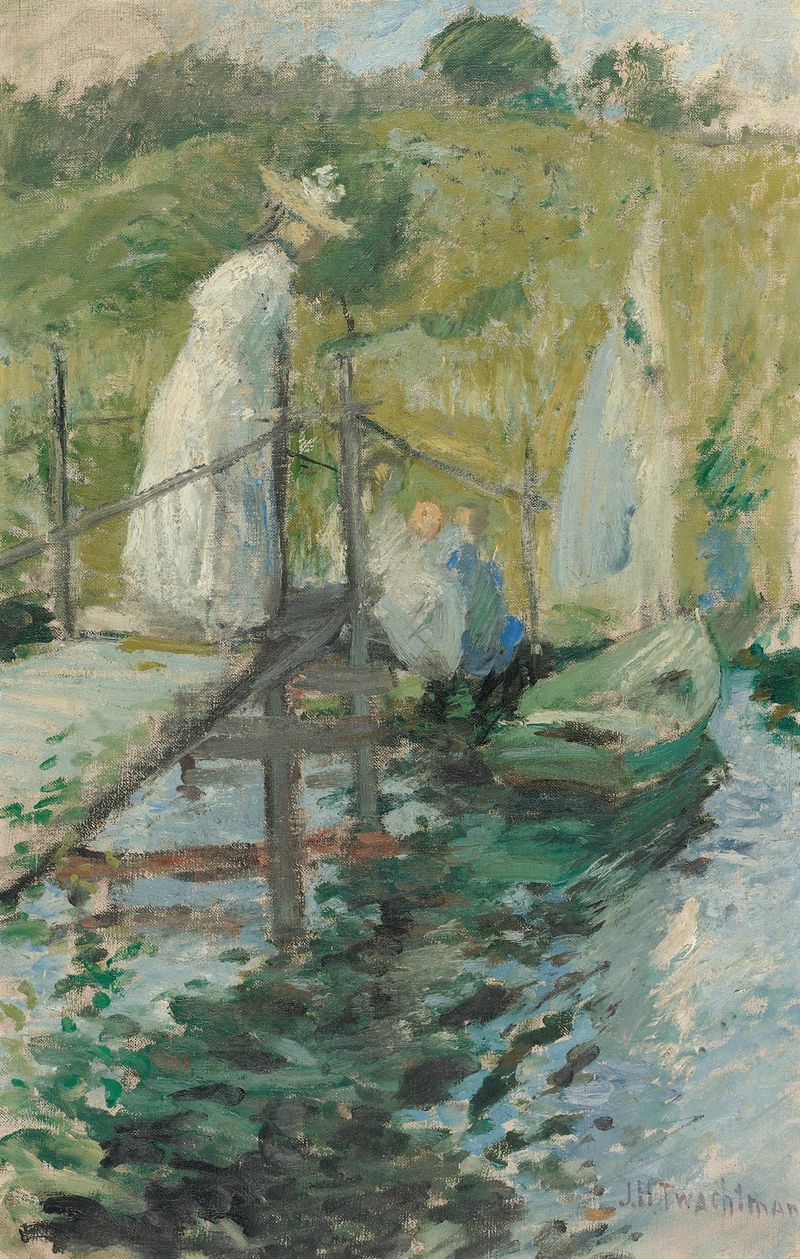
Summer Afternoon
John Henry Twachtman
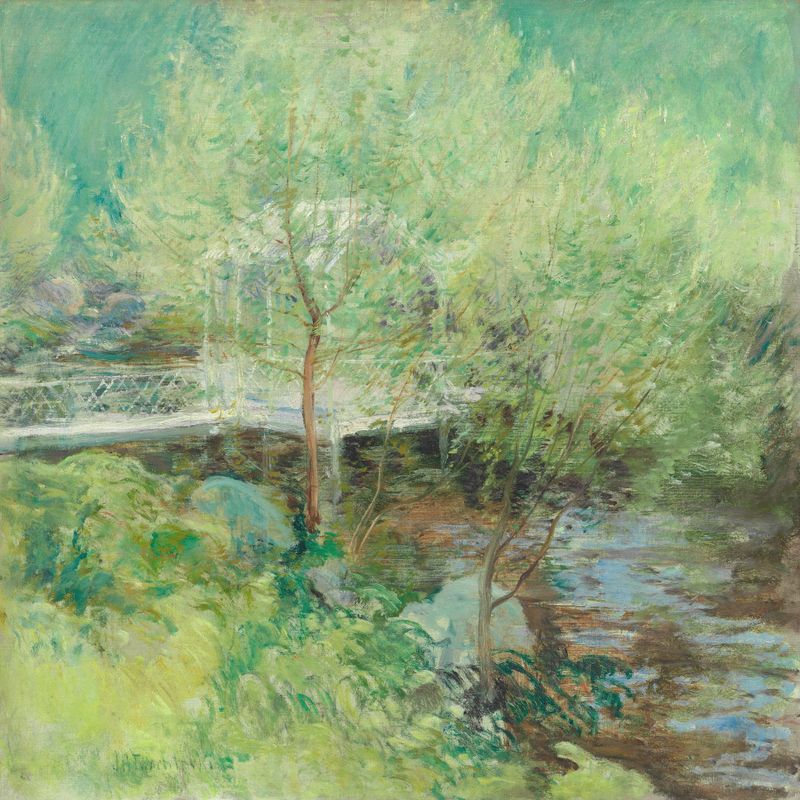
The White Bridge
John Henry Twachtman

Niagara Falls
John Henry Twachtman





