
Icy Pleasures — History & Facts
A sweep of winter air seems to pause over this frozen canal, where the pleasures of ice are not reserved for the wealthy alone. The eye is drawn first to the gilded sleigh gliding across the right side of the painting, its passengers bundled against the cold, their faces animated with conversation or laughter. But the real life of the scene is scattered across the ice: a knot of figures in the foreground, stooping and standing, their postures suggesting a game or perhaps the business of fastening skates.
The painter’s low horizon and the broad, clouded sky give the sense that all this human activity is dwarfed by the season’s vastness, yet the warmth of the ochre and rose garments pushes back against the chill. This is winter as the Dutch Golden Age knew it, when canals became highways and playgrounds, and artists like Adriaen van de Velde found poetry in the mingling of classes and pastimes. Painted in 1662, Icy Pleasures belongs to a tradition of winter landscapes that were both celebration and record—scenes for the home, reminders of communal joys, and perhaps a touch of nostalgia for a time when the world slowed and neighbors met on the ice. The work now resides in the Royal Museum of Fine Arts Antwerp, its quiet details inviting us to linger: the plume on the horse’s bridle, the careful choreography of skaters, the way bare trees etch the sky.
History has kept few traces of this particular gathering, but the painting’s invitation is clear—step closer, and listen for the scrape of blades and the laughter carried on cold air.
More Artworks by Adriaen van de Velde

Staande stier
Adriaen van de Velde
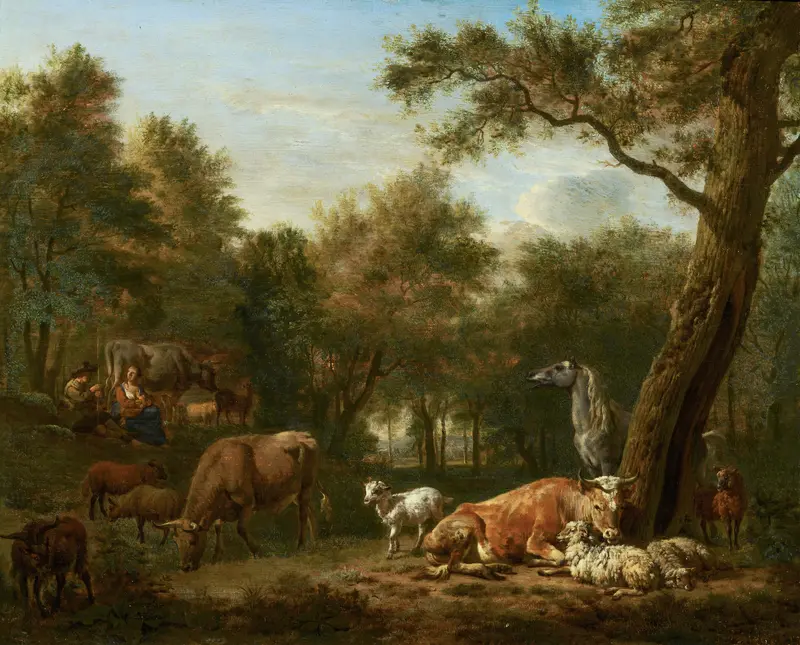
Wooded Landscape with Cattle
Adriaen van de Velde
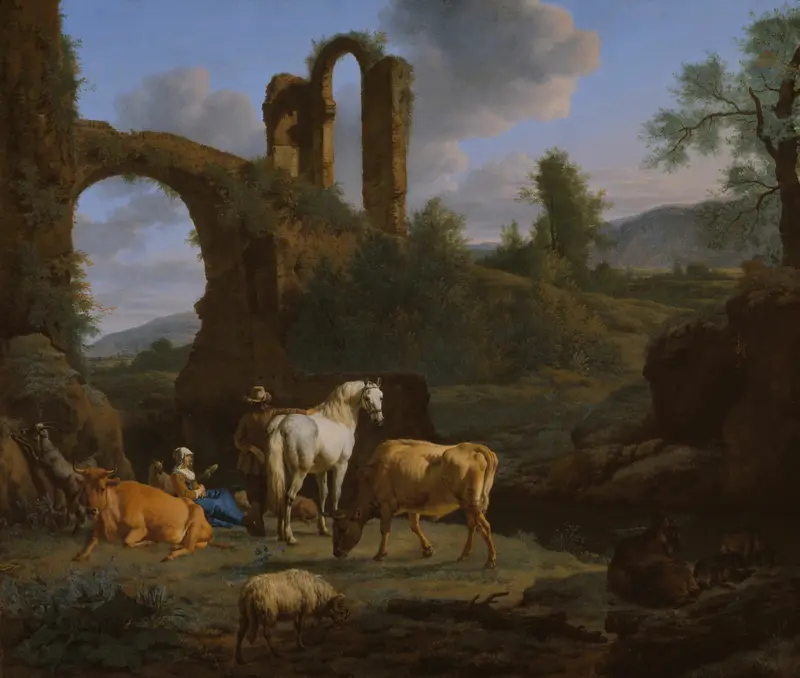
Pastoral Landscape with Ruins
Adriaen van de Velde
Pastoral Landscape with Ruins
Adriaen van de Velde
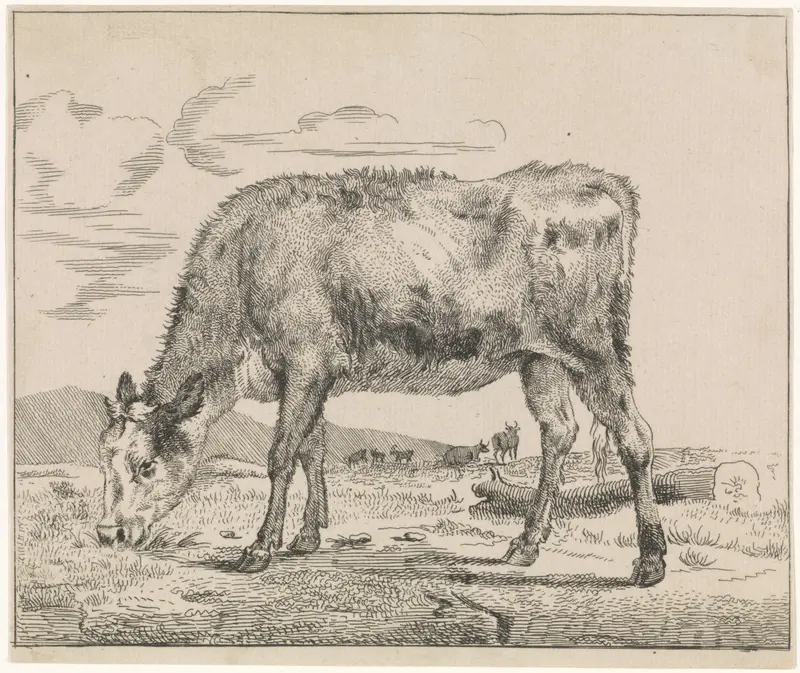
Grazend kalf
Adriaen van de Velde
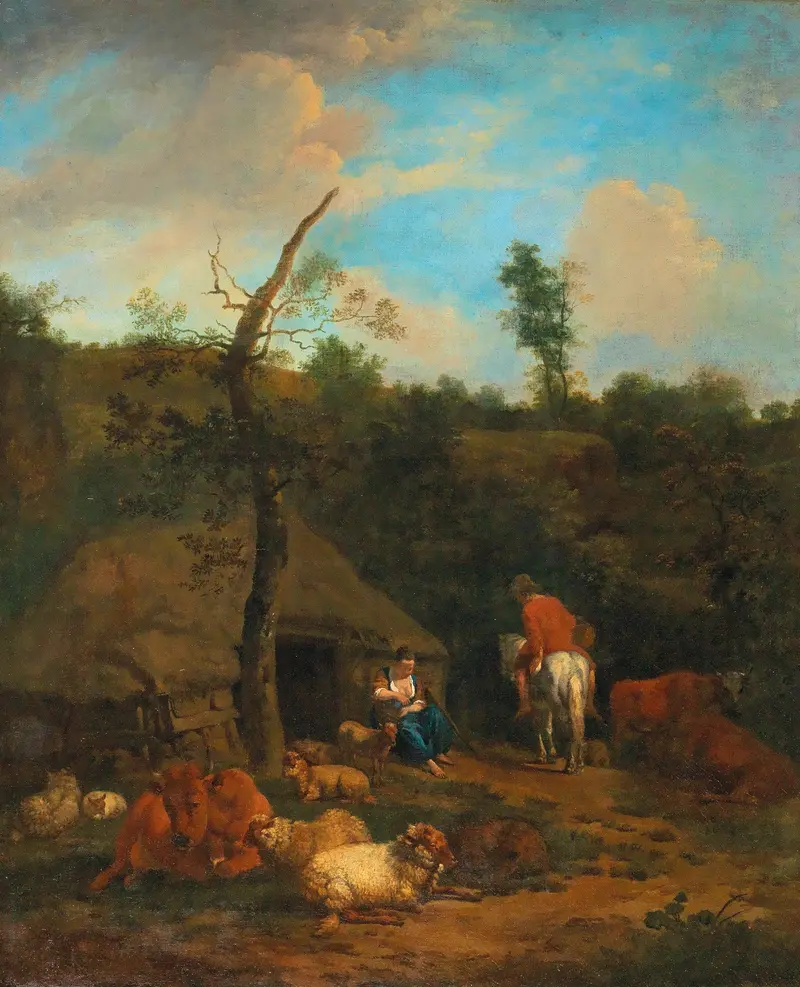
A herdsman and a shepherdess in front of a wooden farmhouse
Adriaen van de Velde
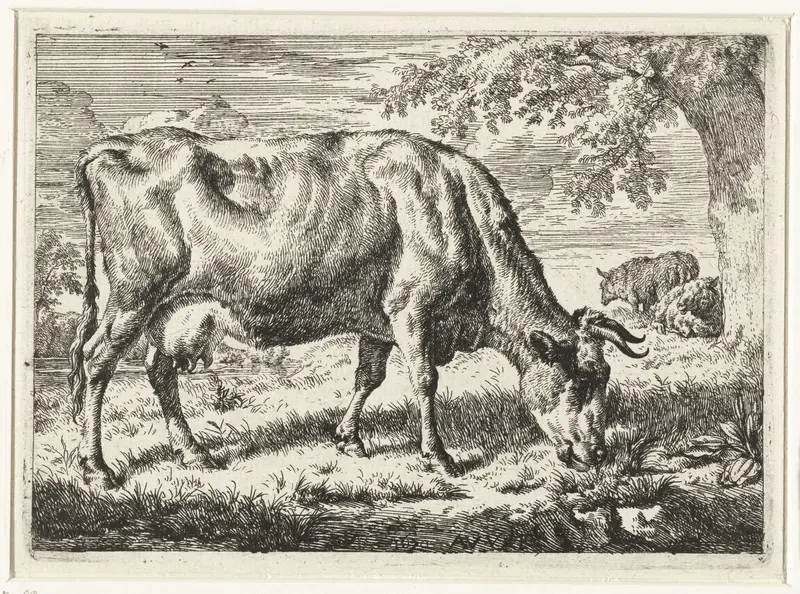
Grazende koe en twee schapen
Adriaen van de Velde
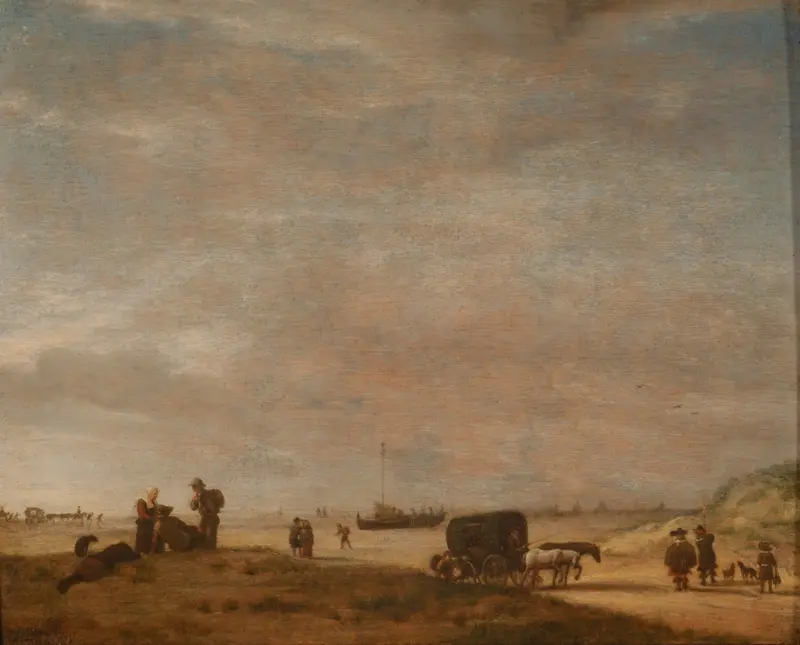
Scheveningen Beach
Adriaen van de Velde
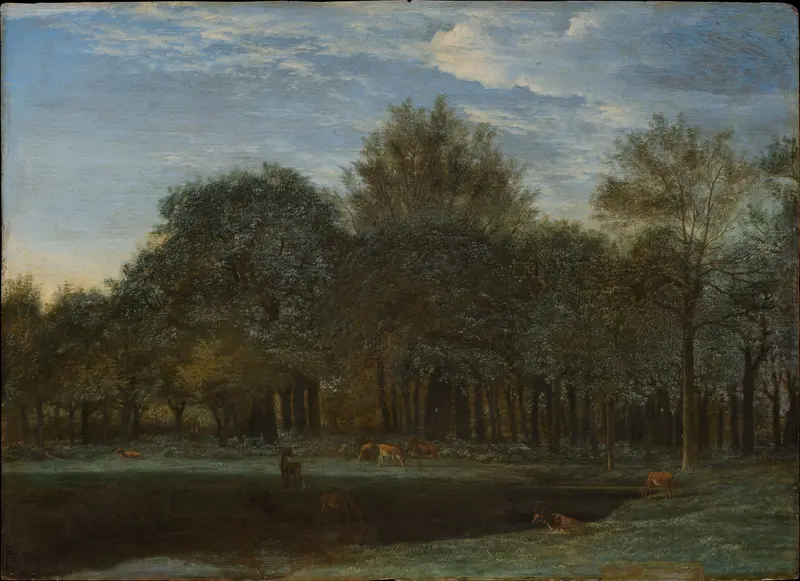
Forest Clearing with Grazing Deer
Adriaen van de Velde
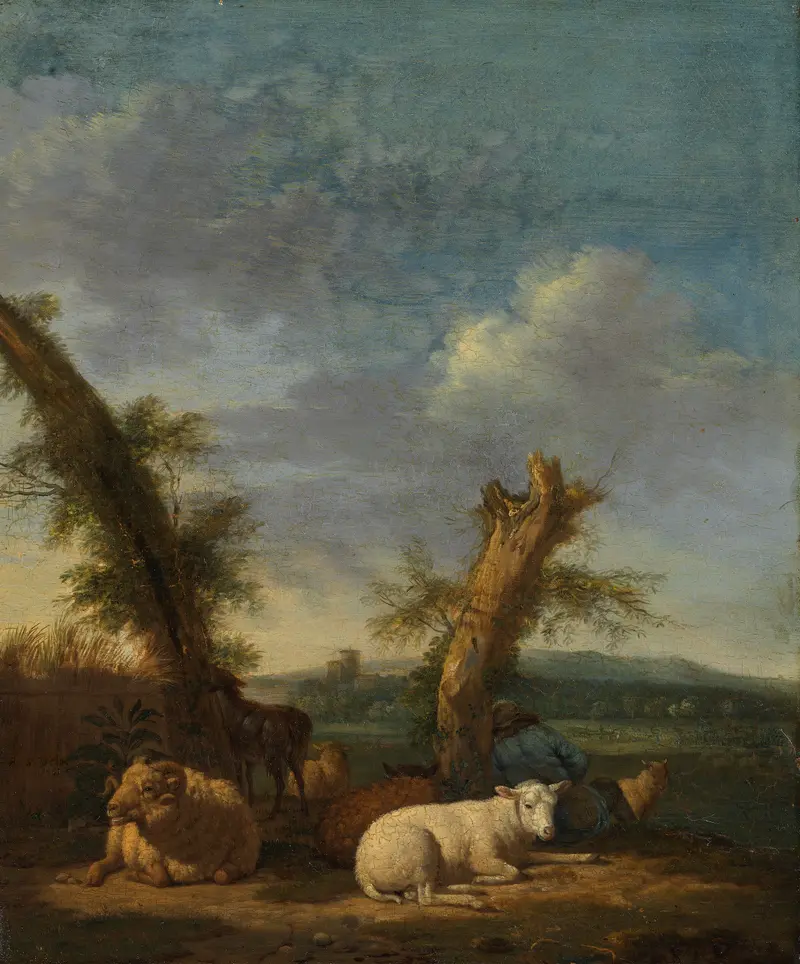
Landscape with Sheep and a Sleeping Shepherd
Adriaen van de Velde
More Landscape Art

The Starry Night
Vincent van Gogh

View of Delft
Johannes Vermeer

Water Lilies
Claude Monet

The Grand Canal, Venice, looking north-west from the Ca' Corner to the Ca' Contarini degli Scrigni, with the campanile of Santa Maria della Carità
Canaletto

Windsor Castle
Canaletto

The Grand Canal looking North-East from the Palazzo Dolfin-Manin to the Rialto Bridge
Canaletto