
Idyll — History & Facts
No one can say for certain when Idyll entered the world, but the painting remains one of the most enigmatic works by Gustave Van de Woestijne, a leading figure of the early twentieth-century Flemish avant-garde. Unlike many of his contemporaries, Van de Woestijne rarely dated his canvases, and Idyll is especially mysterious for its lack of documentation and exhibition history. Its title, too, invites debate: is this a scene of rural peace, or a meditation on the fragile nature of happiness? The ambiguity has drawn scholars to the painting for decades, each seeking to unravel its quiet secrets. The scene Van de Woestijne chose to paint is deceptively simple: a small group—perhaps a family—gathers in a sunlit field, their faces turned inward, lost in private thought rather than shared joy.
The figures are rendered with the artist’s characteristic restraint, their elongated forms echoing the spiritual intensity found in works by Georges Rouault or the early Expressionists. A single tree casts a long shadow, bisecting the composition and hinting at an undercurrent of melancholy beneath the surface calm. The careful arrangement of hands and glances suggests bonds of affection, but also a sense of isolation, as if each person is both present and elsewhere.
The palette, dominated by muted greens and ochres, reinforces the painting’s mood of quiet introspection. The journey of Idyll as an object is as elusive as its subject. Unlike Van de Woestijne’s more famous works, such as those in the Museum of Fine Arts in Ghent, Idyll has spent much of its life in private hands, rarely seen by the public and seldom discussed in the literature. Its medium—whether oil on canvas or another support—remains unconfirmed, adding to the air of mystery.
Today, the painting is recognized as a key example of Van de Woestijne’s mature style, balancing Symbolist influence with a deeply personal vision of rural life. Its quiet power continues to invite reflection, standing as a testament to the artist’s ability to find complexity in even the most peaceful moments.
More Artworks by Gustave Van de Woestijne
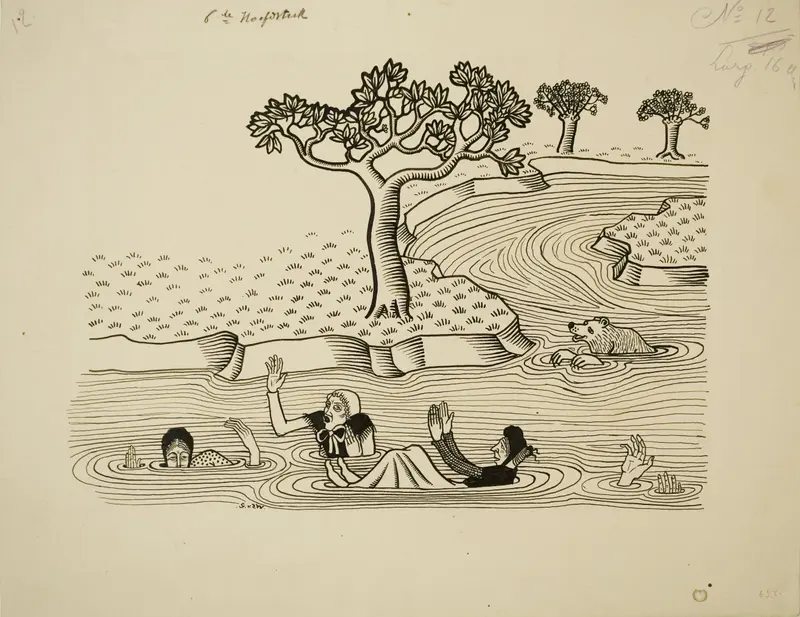
How Brown went out with Reynard where he thought he was eating honey and how he was caught by head and feet and suffered further misfortune
Gustave Van de Woestijne
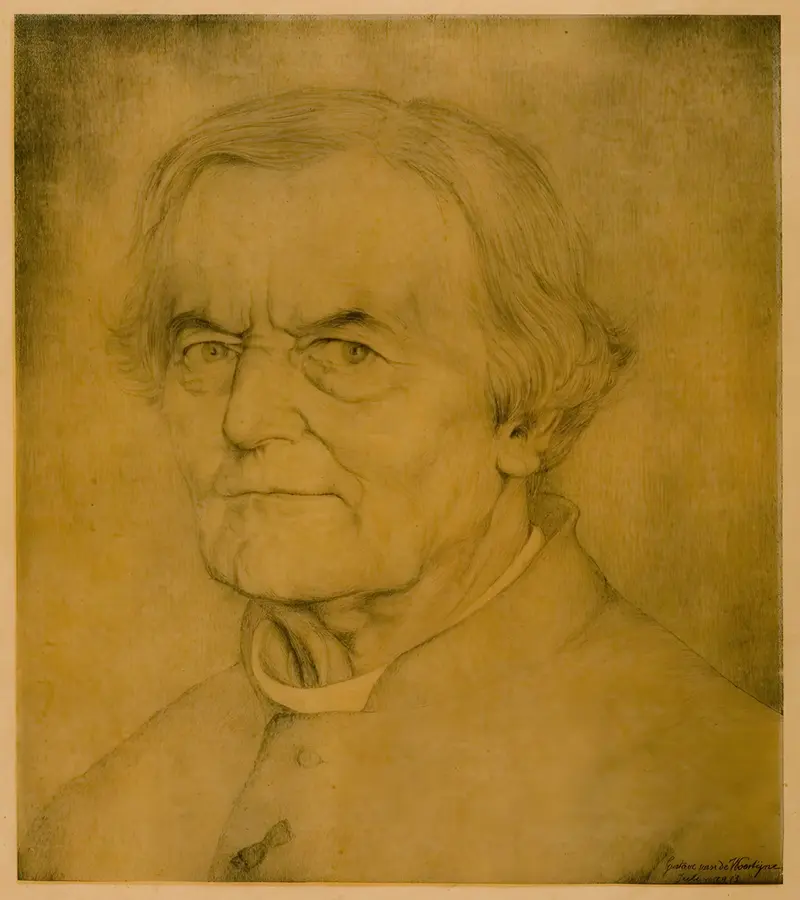
Portrait of Hugo Verriest
Gustave Van de Woestijne
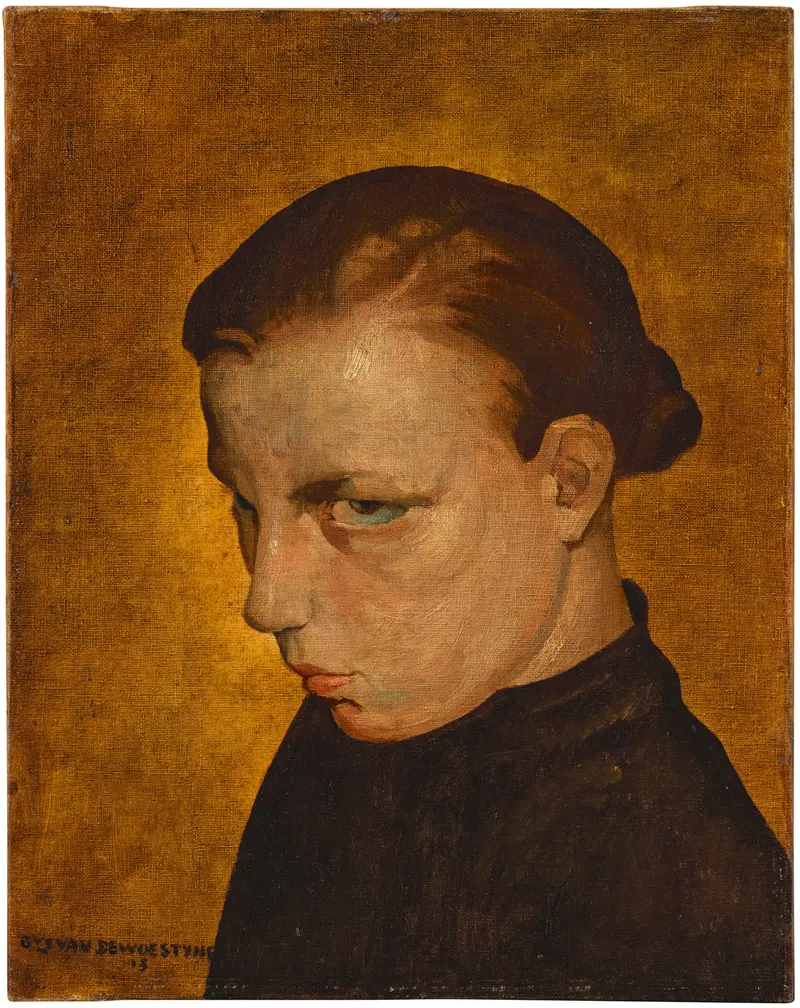
Angèle
Gustave Van de Woestijne
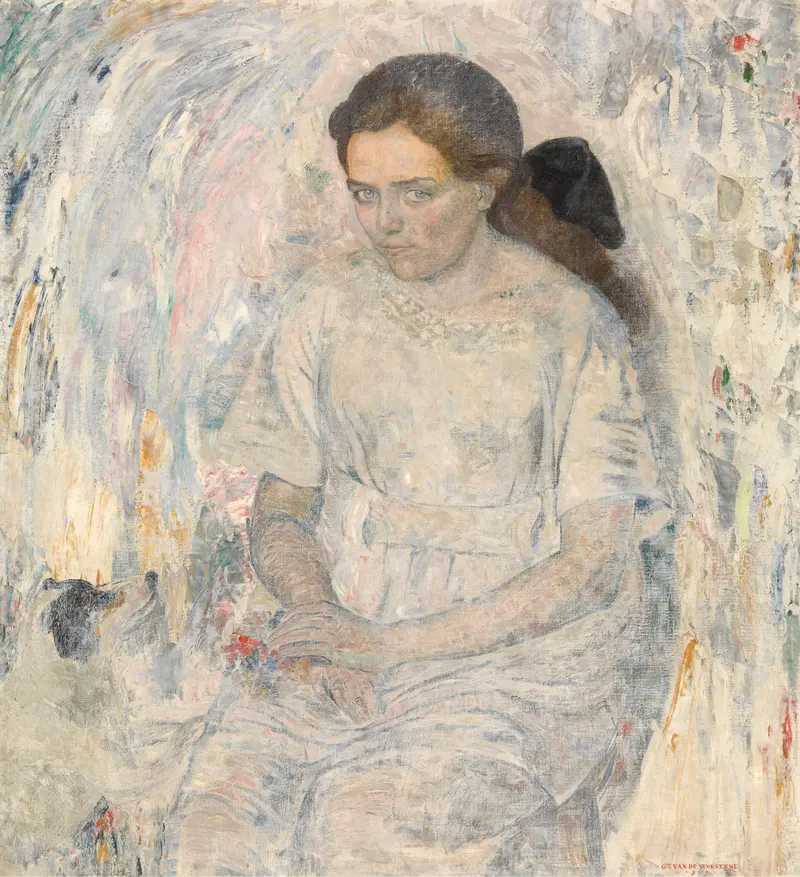
Adrienne
Gustave Van de Woestijne
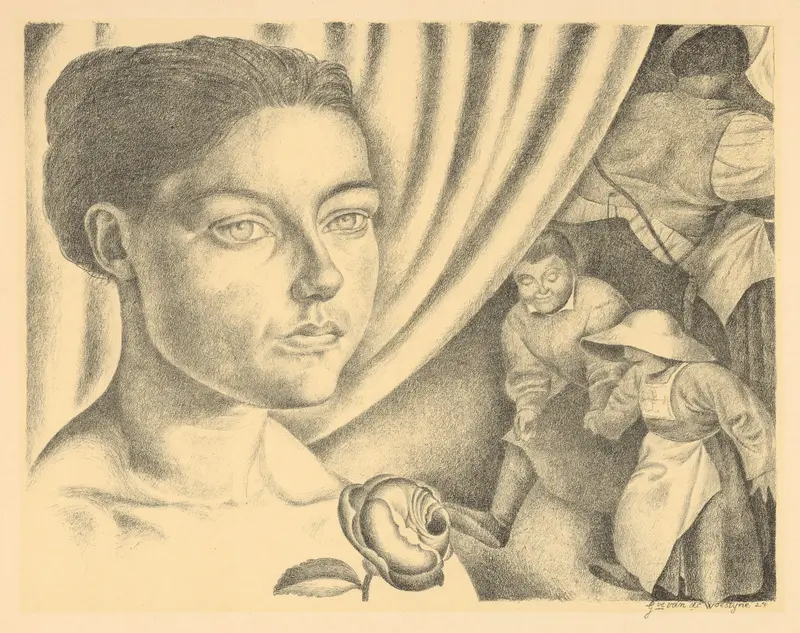
Jeune Femme
Gustave Van de Woestijne
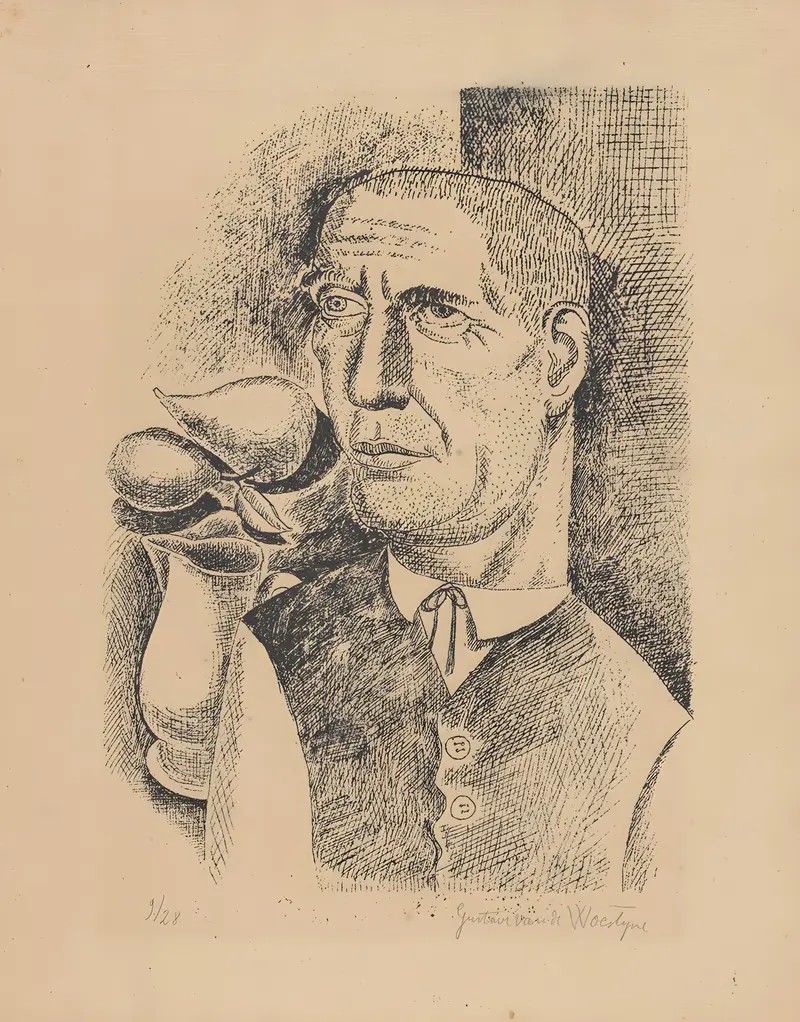
Boer op zijn zondags (Paysan endimanché)
Gustave Van de Woestijne
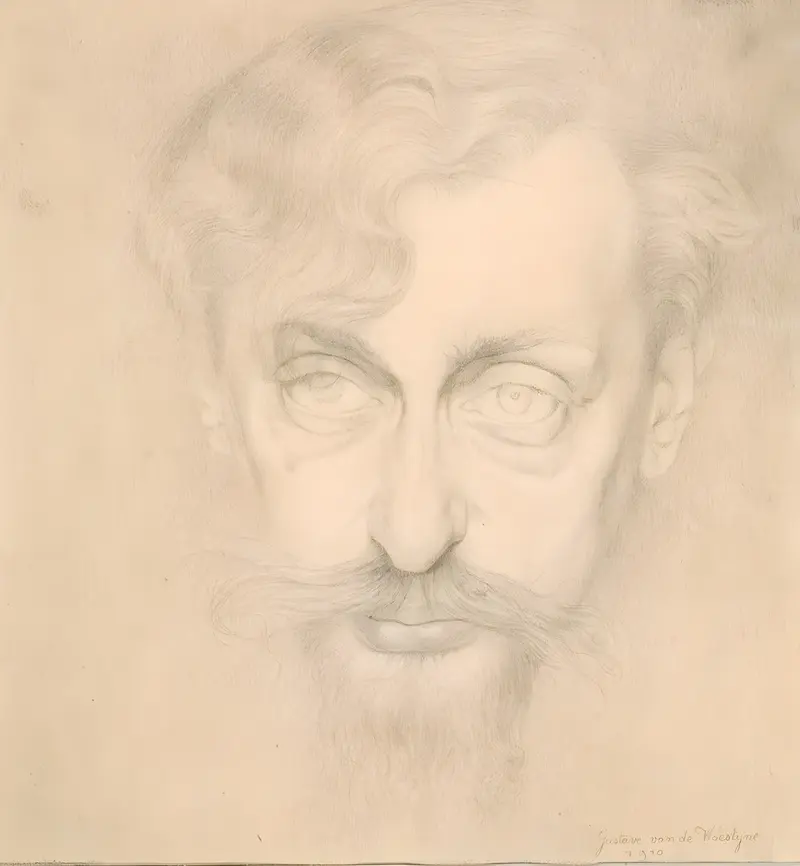
Portrait of the Writer Karel van de Woestijne
Gustave Van de Woestijne
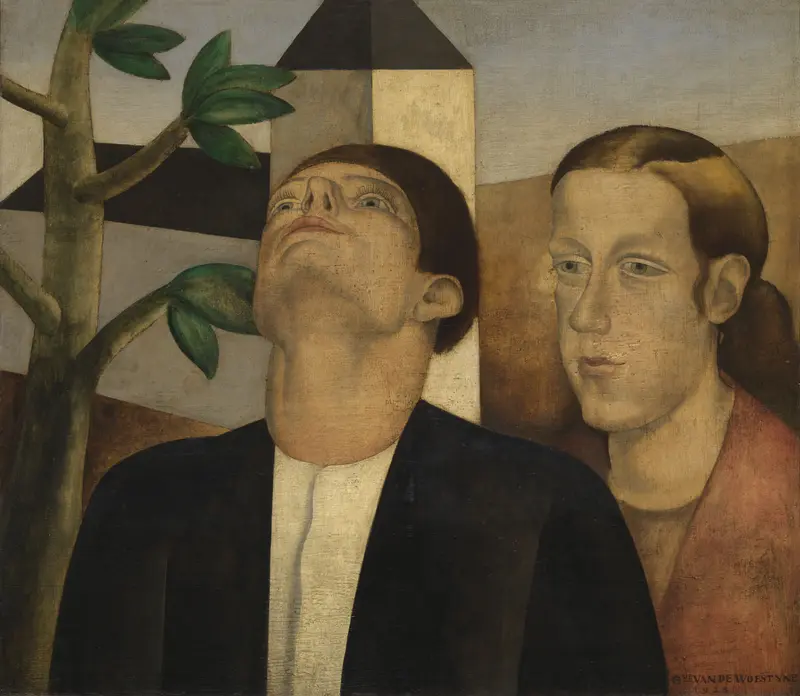
Azure
Gustave Van de Woestijne
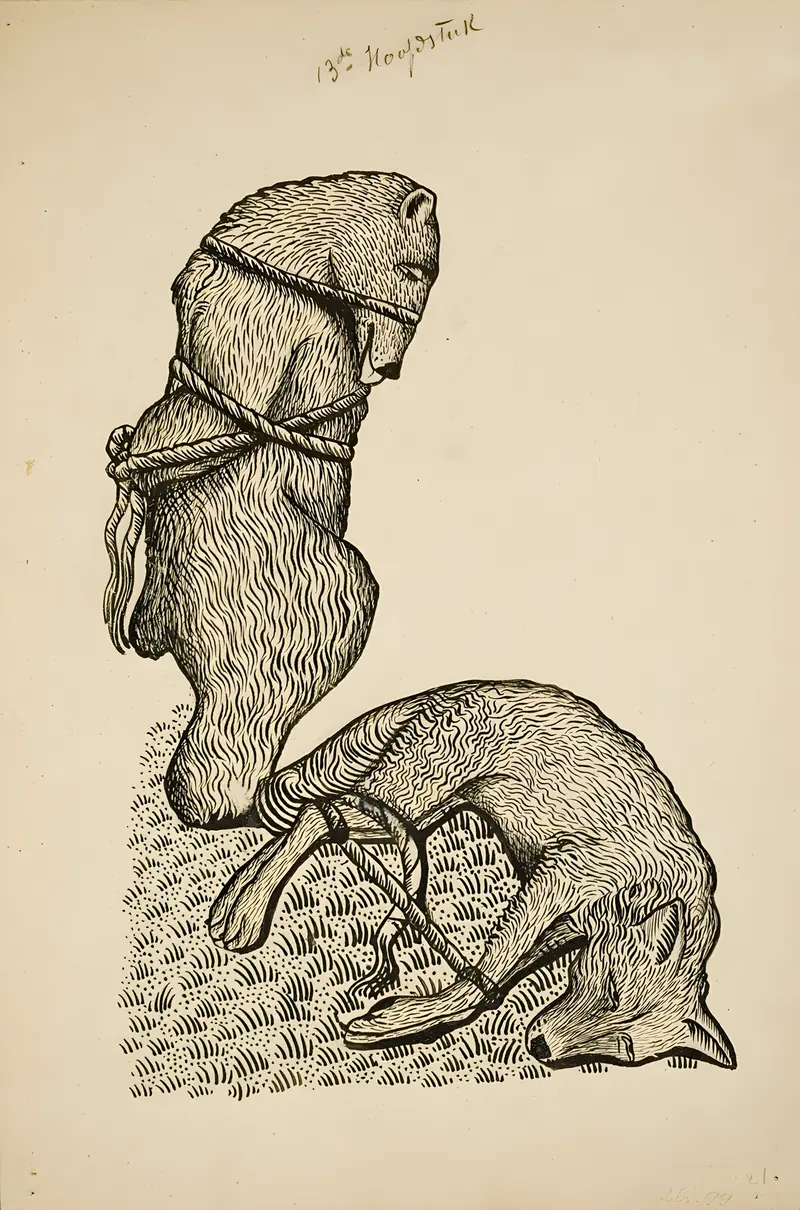
How Reinaert devises a new trick to get free and exterminate his enemies
Gustave Van de Woestijne
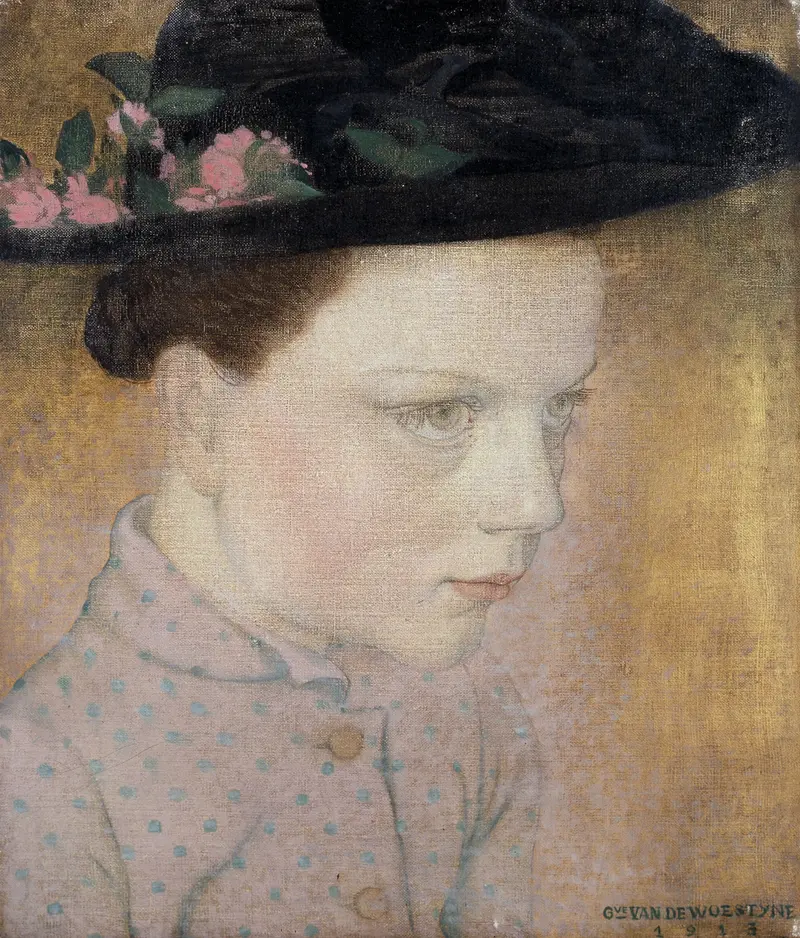
Country Girl
Gustave Van de Woestijne
More Genre Scene Art

Banquet of the Officers of the St George Civic Guard
Frans Hals

Rembrandt and Saskia in the Scene of the Prodigal Son
Rembrandt van Rijn

Bal du moulin de la Galette
Pierre-Auguste Renoir

Quadrille at the Moulin Rouge
Henri de Toulouse-Lautrec

A Burial at Ornans
Gustave Courbet

When Will You Marry?
Paul Gauguin