
In the Auvergne — History & Facts
What if silence could speak through light? In the quiet expanse of a rural landscape, a profound beauty unfolds, whispering stories of toil and tranquility. Look to the soft hues that envelop the hills, where muted greens and browns blend seamlessly into a serene sky. Notice how the gentle light bathes the fields, capturing the texture of the earth and the subtle movement of the grass. The composition invites your gaze to wander across the vastness, leading you to the solitary figure in the distance, a farmer harmoniously engaged with the land, embodying both solitude and purpose. Within this tranquil scene lies a deeper narrative of human connection to nature.
The solitary farmer, rendered with earthy tones, symbolizes the timeless struggle and dignity of agricultural life. The contrast between the expansive sky and the humble figure highlights the tension between man and nature, a reminder of the delicate balance that sustains life. This relationship is enriched by the absence of bustling activity, allowing the viewer to reflect on the beauty found in stillness and simplicity. In 1866, Jean-François Millet painted this work in the Auvergne region of France, a time when he was increasingly celebrated for his depictions of rural laborers.
Amidst the shifting tides of the art world, transitioning from Romanticism to Realism, he sought to capture the profound dignity of working-class life, emphasizing the beauty in their everyday struggles.
More Artworks by Jean-François Millet
Browse all →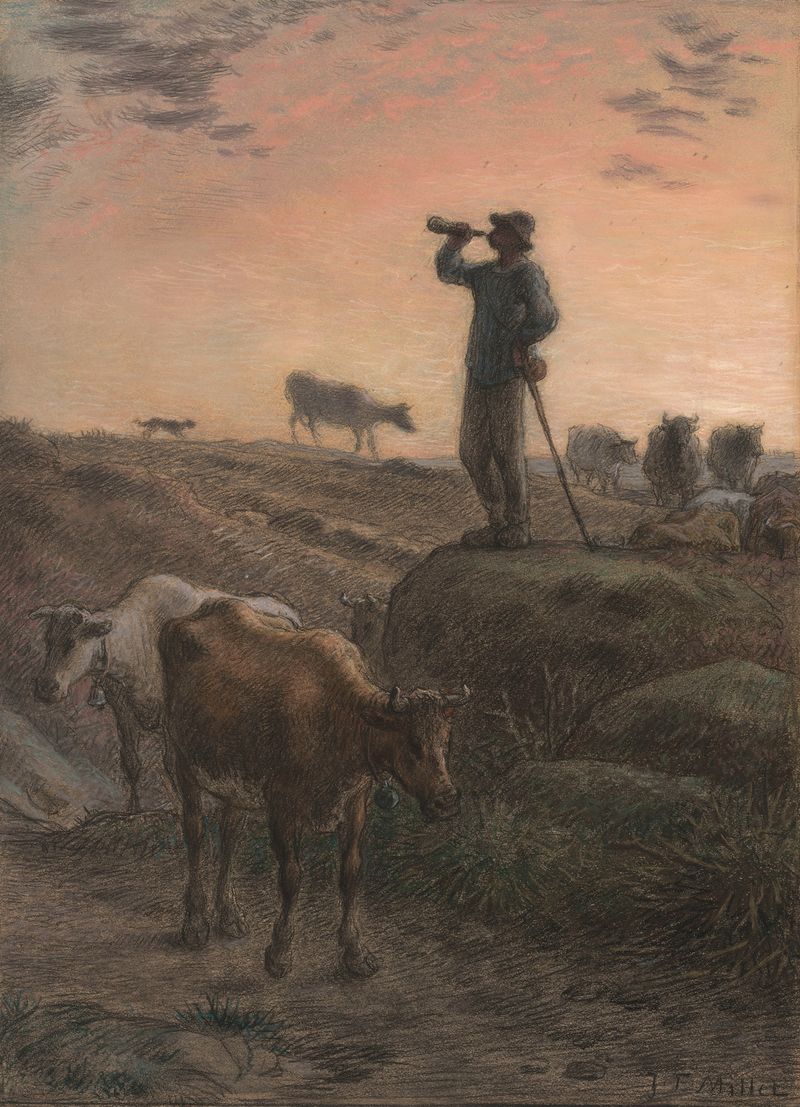
Calling Home the Cows
Jean-François Millet
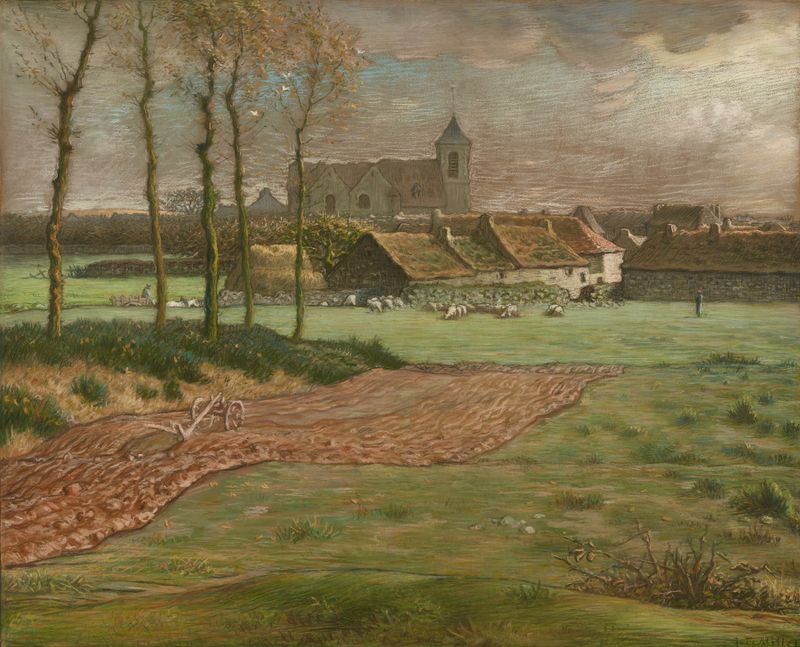
The Church at Chailly
Jean-François Millet
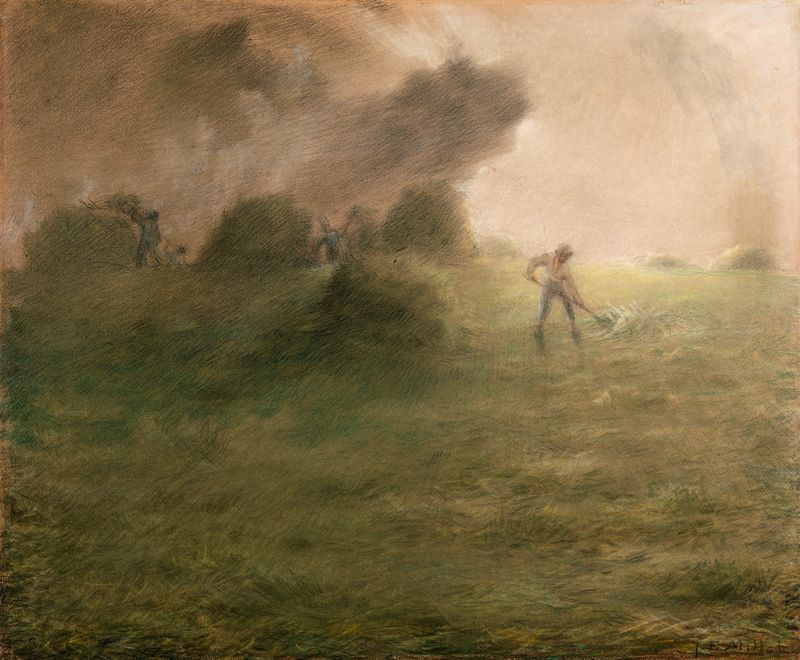
A Storm during Haymaking
Jean-François Millet
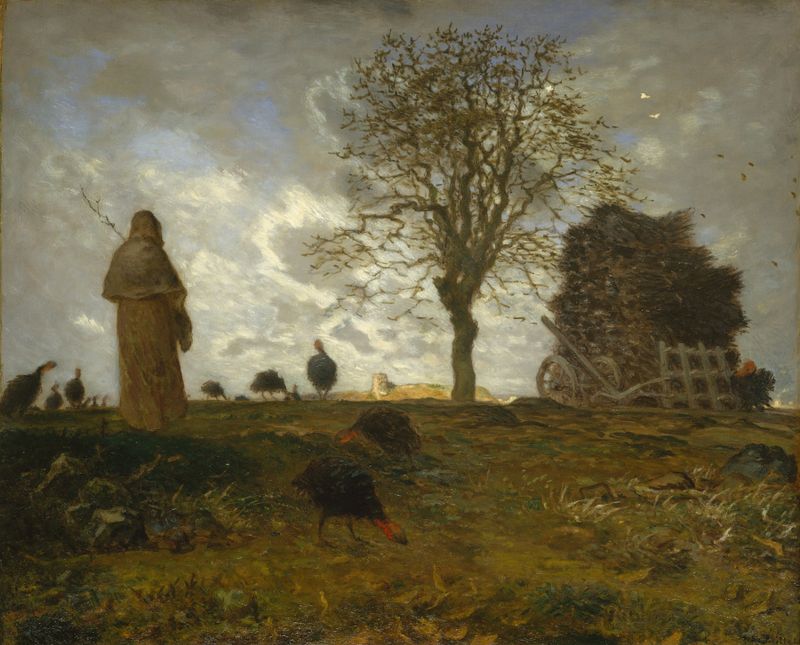
Autumn Landscape with a Flock of Turkeys
Jean-François Millet
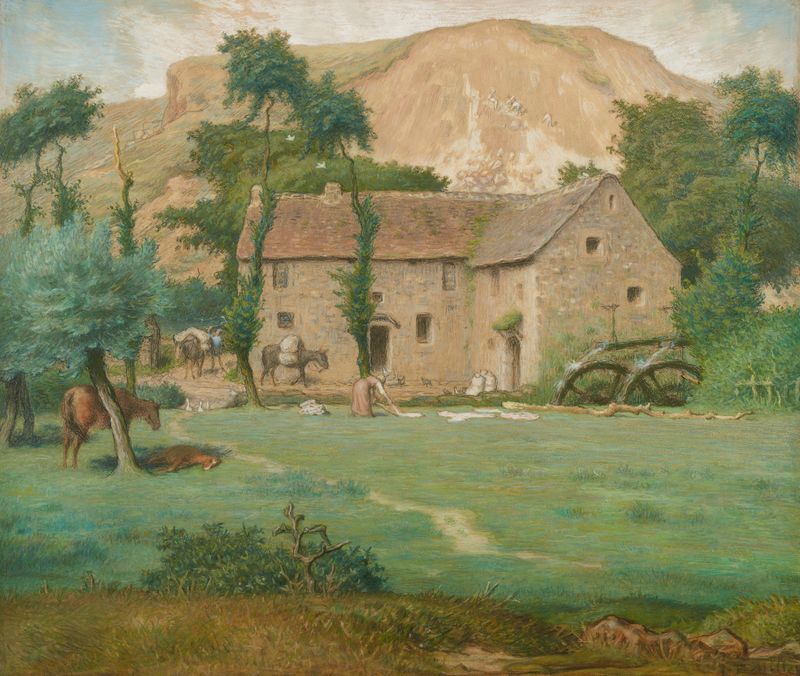
Watermill at the Foot of a Mountain, Allier
Jean-François Millet
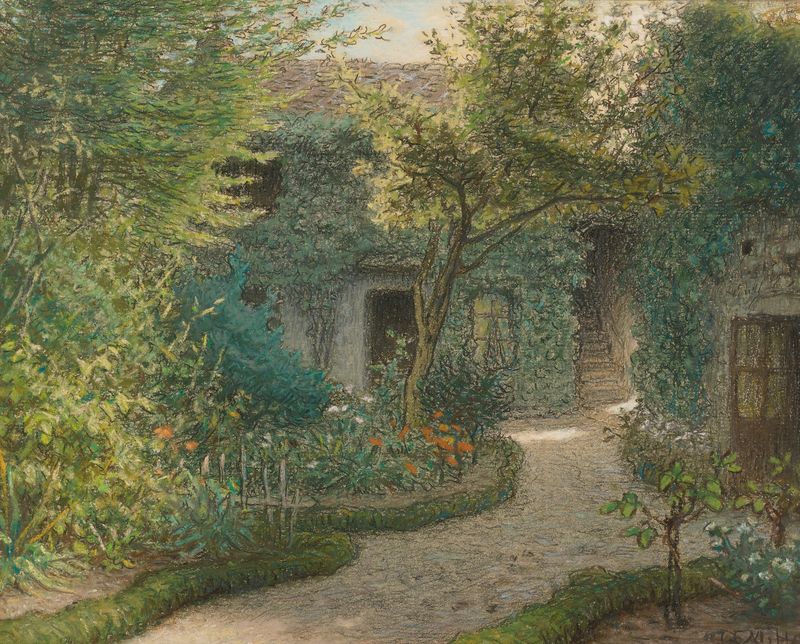
Théodore Rousseau’s House In Barbizon
Jean-François Millet
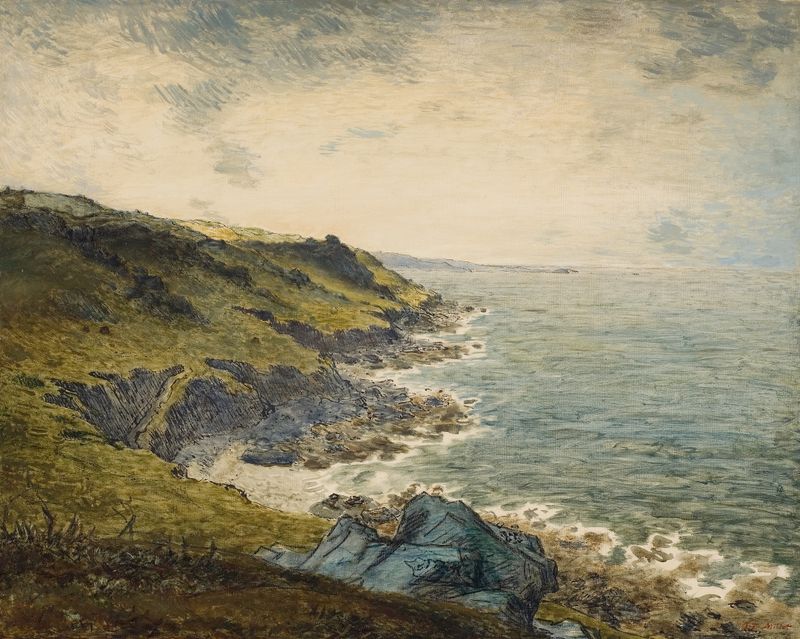
The Coast at Gréville
Jean-François Millet
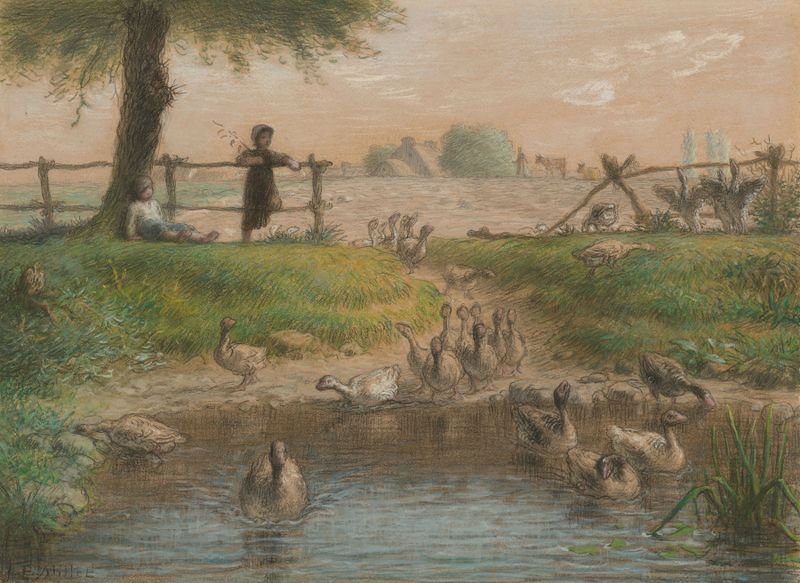
Peasant Children at Goose Pond
Jean-François Millet
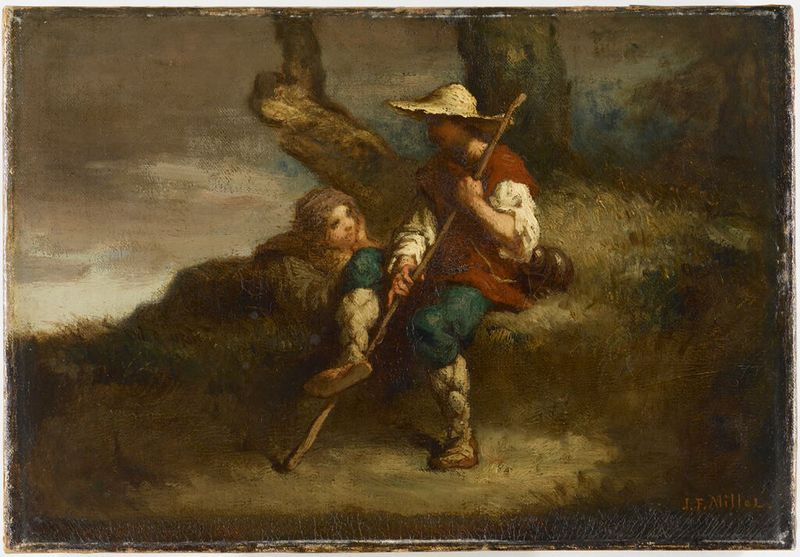
Shepherds Resting
Jean-François Millet
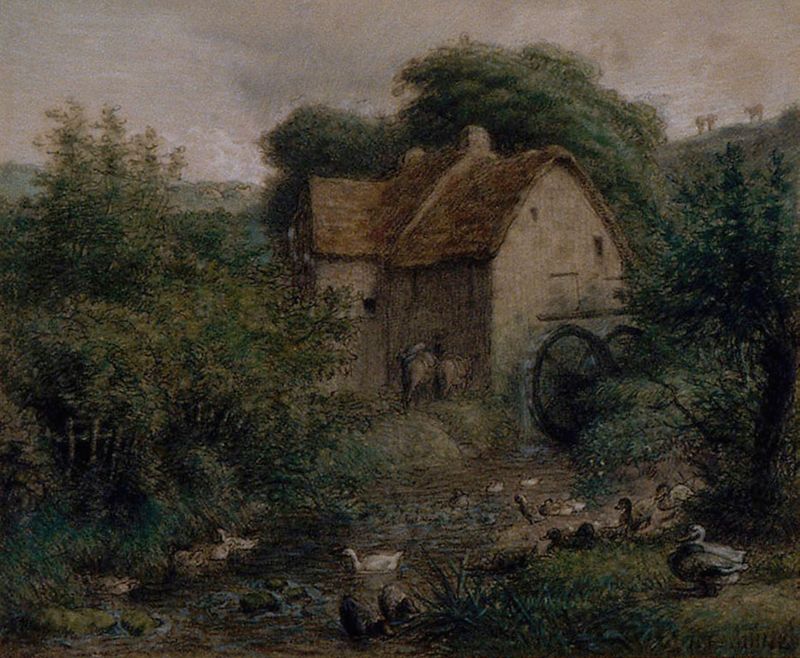
The Old Mill
Jean-François Millet





