
In the Gardens of the Villa Palmieri — History & Facts
In the soft embrace of a golden afternoon, sunlight dances through the lush foliage of an Italian garden. A woman, draped in white linen, twirls lightly amidst fragrant blooms, her laughter mingling with the gentle rustle of leaves. Nearby, a man leans against an ancient stone pillar, his expression a blend of admiration and longing, as the air thrums with a palpable tension of unspoken connection. Look to the left at the vibrant array of flowers that burst forth in a riot of color, capturing the viewer’s attention with their delicate petals and intricate details.
Notice how the sunlight filters through the branches, casting dappled shadows on the ground, creating a sense of depth and movement throughout the scene. The composition is masterfully balanced, with the figures seamlessly integrated into their idyllic surroundings, inviting an exploration of both the garden and the emotions it evokes. Amidst the beauty, there’s an underlying tension: the juxtaposition of the woman’s carefree movement and the man’s stillness hints at a deeper narrative of yearning and desire. Their interaction is framed within this lush environment, illustrating the contrast between nature’s freedom and the constraints of human emotion.
Tiny moments, like the way the woman’s skirt flutters or the man's gaze lingers, resonate with the viewer, drawing them into the intimate ballet of their connection. Created in 1910, this piece reflects James Carroll Beckwith's time spent in Italy, where he immersed himself in the beauty of the landscape and the richness of light. During this period, the artist was establishing his reputation as a painter of both plein air scenes and intimate narratives, capturing the essence of life with remarkable sensitivity and skill. The world of art was experiencing a shift, as new movements were emerging, yet Beckwith remained devoted to the charm of traditional landscapes infused with emotional depth.
More Artworks by James Carroll Beckwith
Browse all →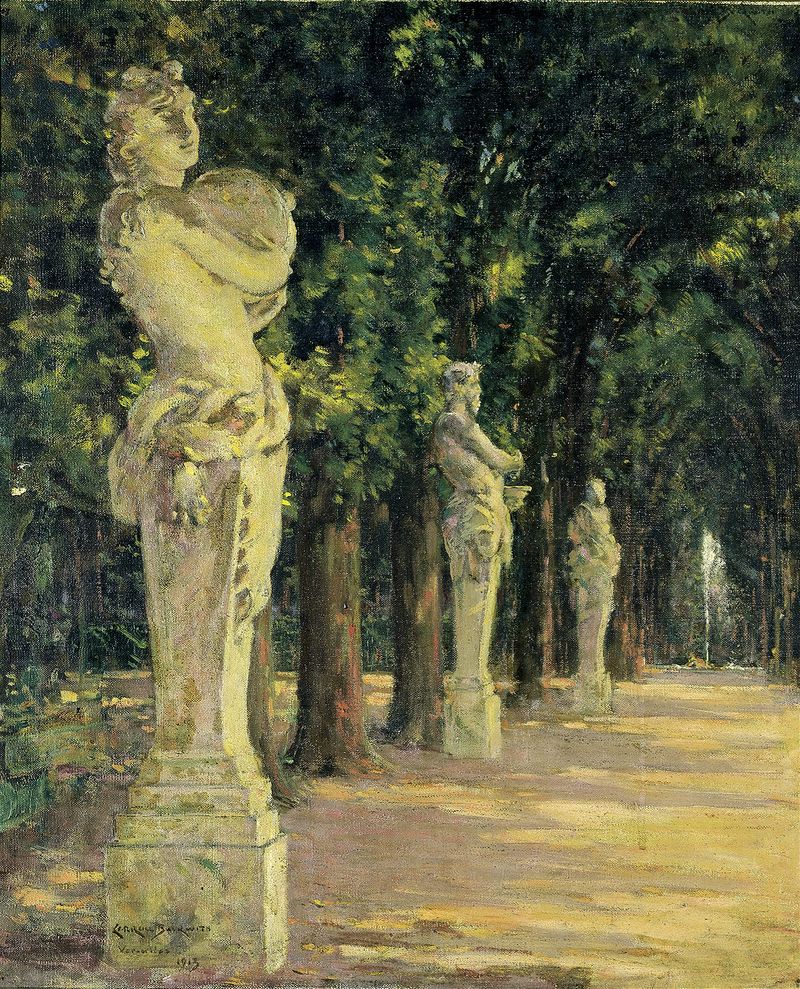
Allee de l’Ete, Versailles
James Carroll Beckwith

Carrefour at the End of the Tapis Vert, Versailles
James Carroll Beckwith

Bassin de Neptune, Versailles
James Carroll Beckwith

Nymph and Cupid
James Carroll Beckwith

George Martin Lane (1823-1897)
James Carroll Beckwith
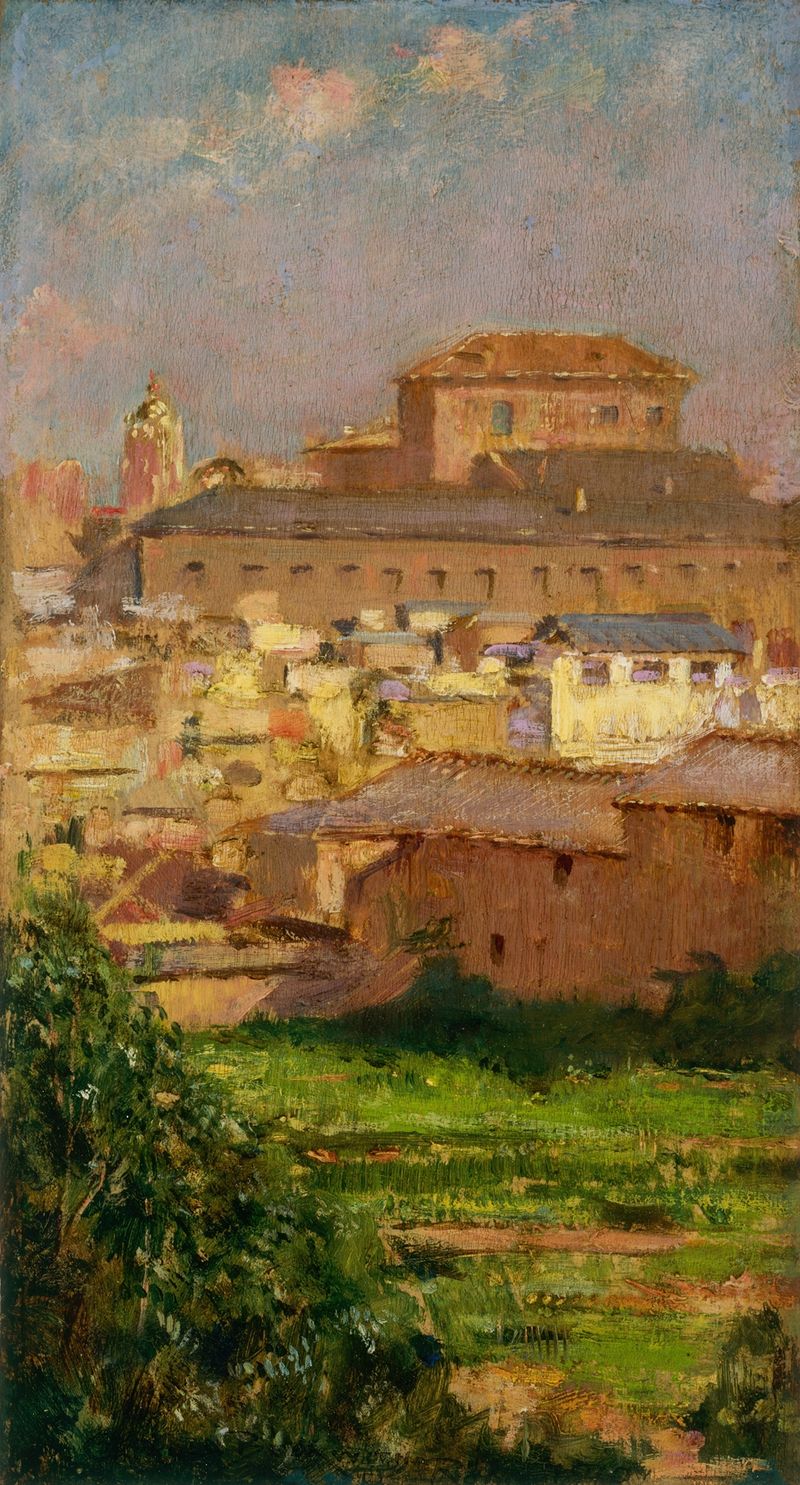
Palazzo Barberini, Rome
James Carroll Beckwith
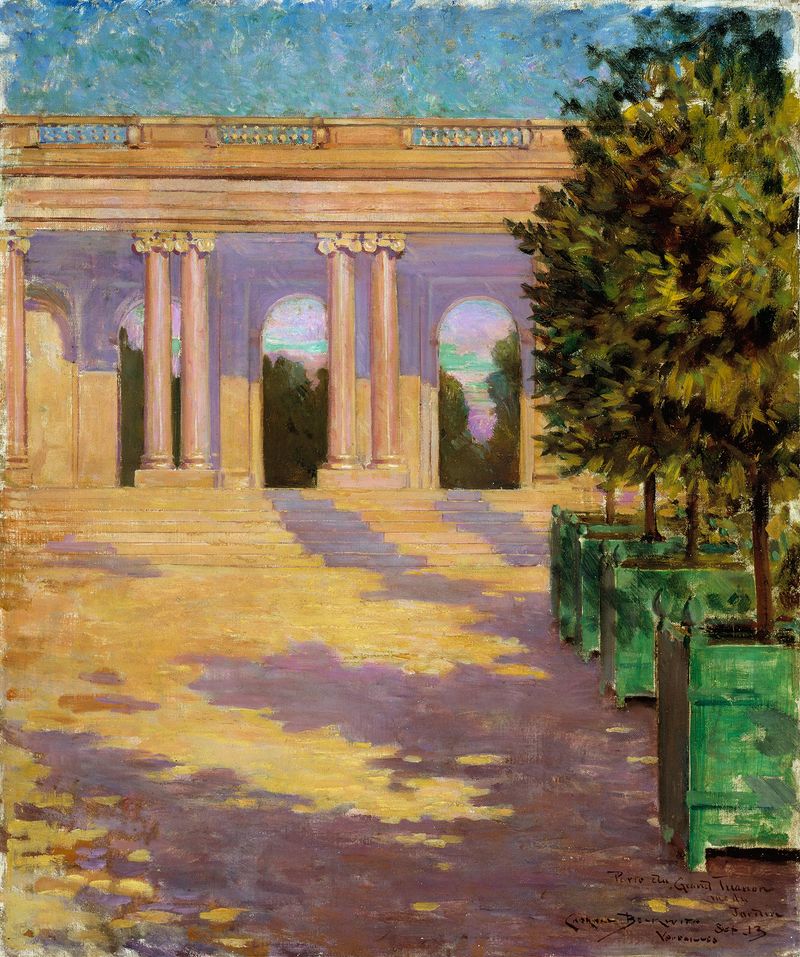
Arcade of the Grand Trianon, Versailles
James Carroll Beckwith

Cathedral at le Puy
James Carroll Beckwith

The Palace of the Popes and Pont d’Avignon
James Carroll Beckwith
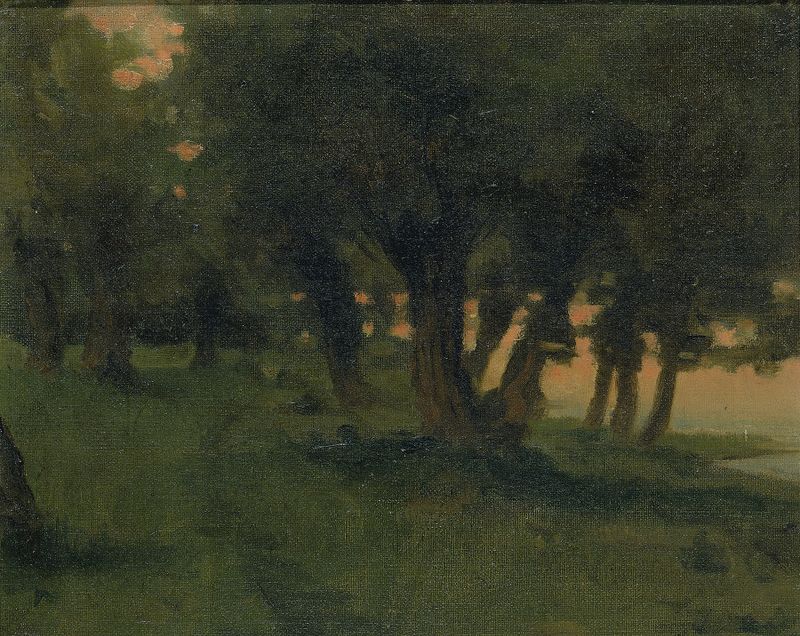
On the Banks of the Rhine, near St. Germain at Mont d’Or
James Carroll Beckwith





