In the Grotto — History & Facts
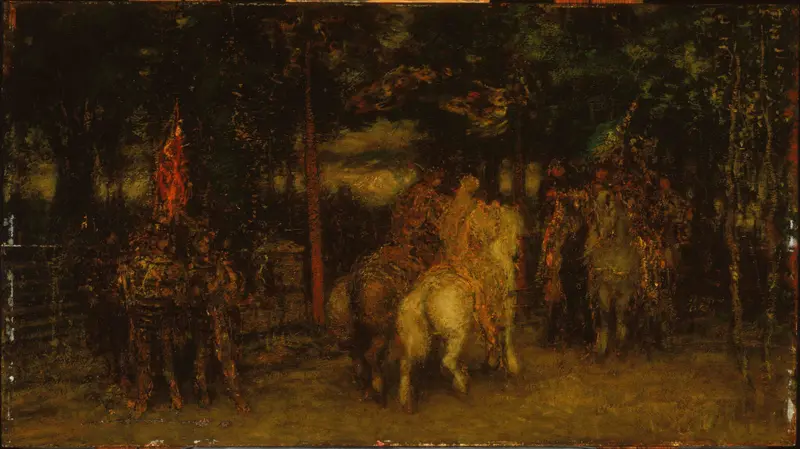
What first seizes the eye in In the Grotto is the way the figures seem to flicker into being from the darkness, as if caught in the act of storytelling or ritual. The paint itself appears almost molten, laid on thick and swirling, so that forms emerge and dissolve in the same glance. At the center, a figure raises an arm in greeting or proclamation, drawing the gaze deeper into the cave’s golden shadows.
The light here is not gentle—it is theatrical, spotlighting faces and gestures, creating a sense of drama and secrecy. Every brushstroke seems to pulse with life, inviting the viewer to lean in and decipher the gathering’s purpose. Painted in 1865, this work by Adolphe Joseph Thomas Monticelli belongs to a moment in French art when artists were pushing the boundaries of both subject and technique. Monticelli, known for his lush textures and vibrant palette, was admired by later Impressionists for his boldness.
Scenes like this—intimate, mysterious, and set in ambiguous interiors—were often created for private collectors who wanted conversation pieces rather than grand history paintings. The painting now resides in the National Galleries Scotland, a reminder of an era when the line between reality and imagination was blurred by the very act of painting. The longer you look, the more the grotto seems to echo with the secrets of its painted company.
More Artworks by Adolphe Monticelli

Portrait of a Lady
Adolphe Monticelli
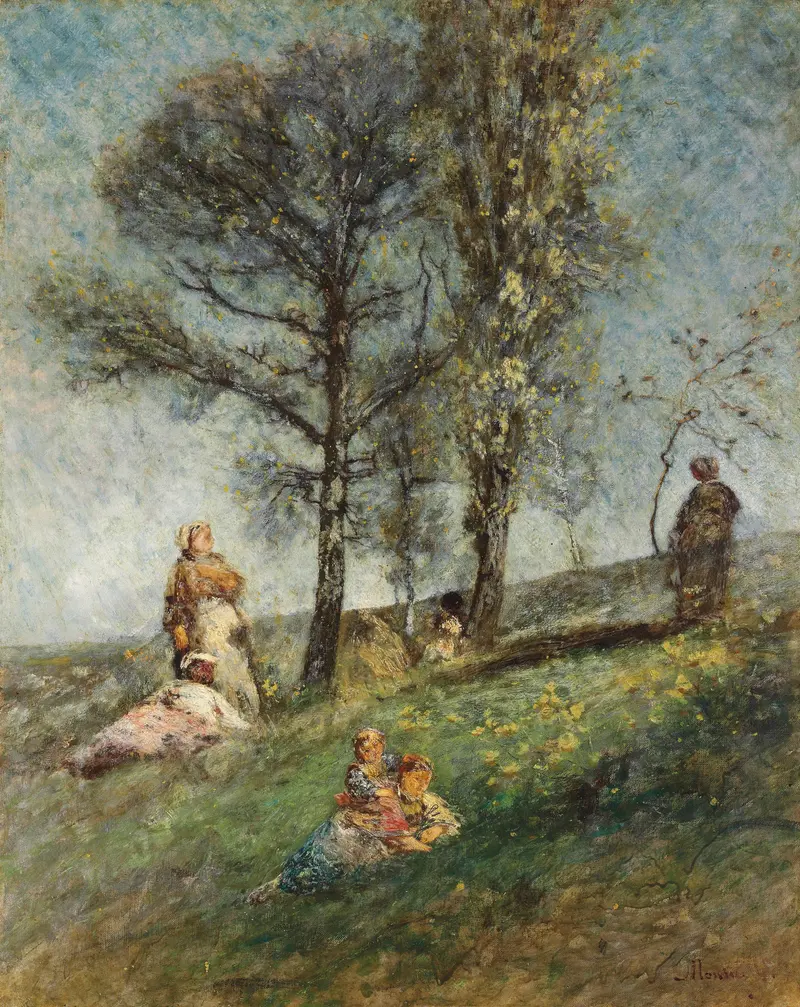
A Young Family Under Trees On A Hill
Adolphe Monticelli

Fête d'Après-Midi
Adolphe Monticelli
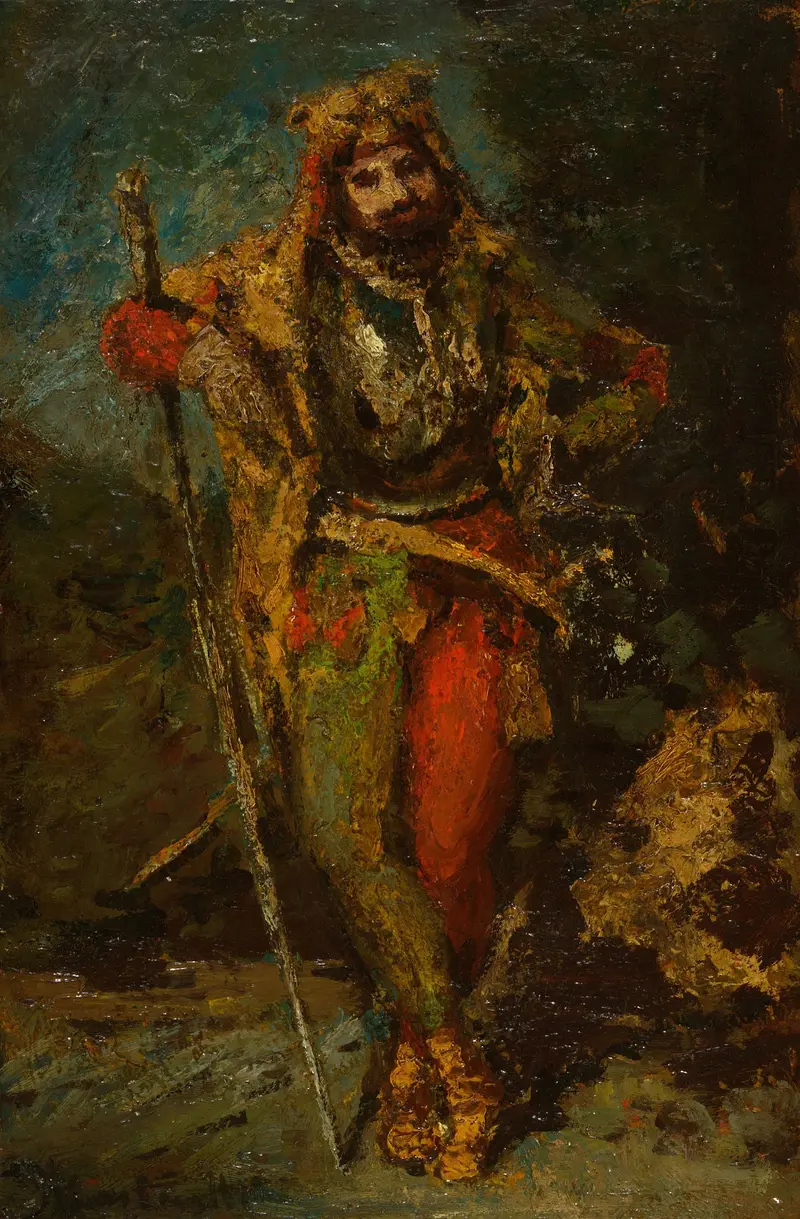
Mephisto from the Opera Faust
Adolphe Monticelli
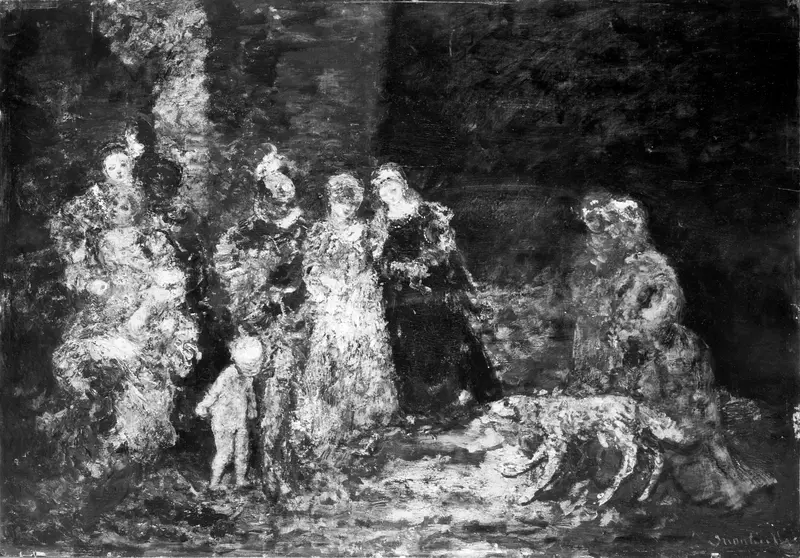
The Fairies
Adolphe Monticelli
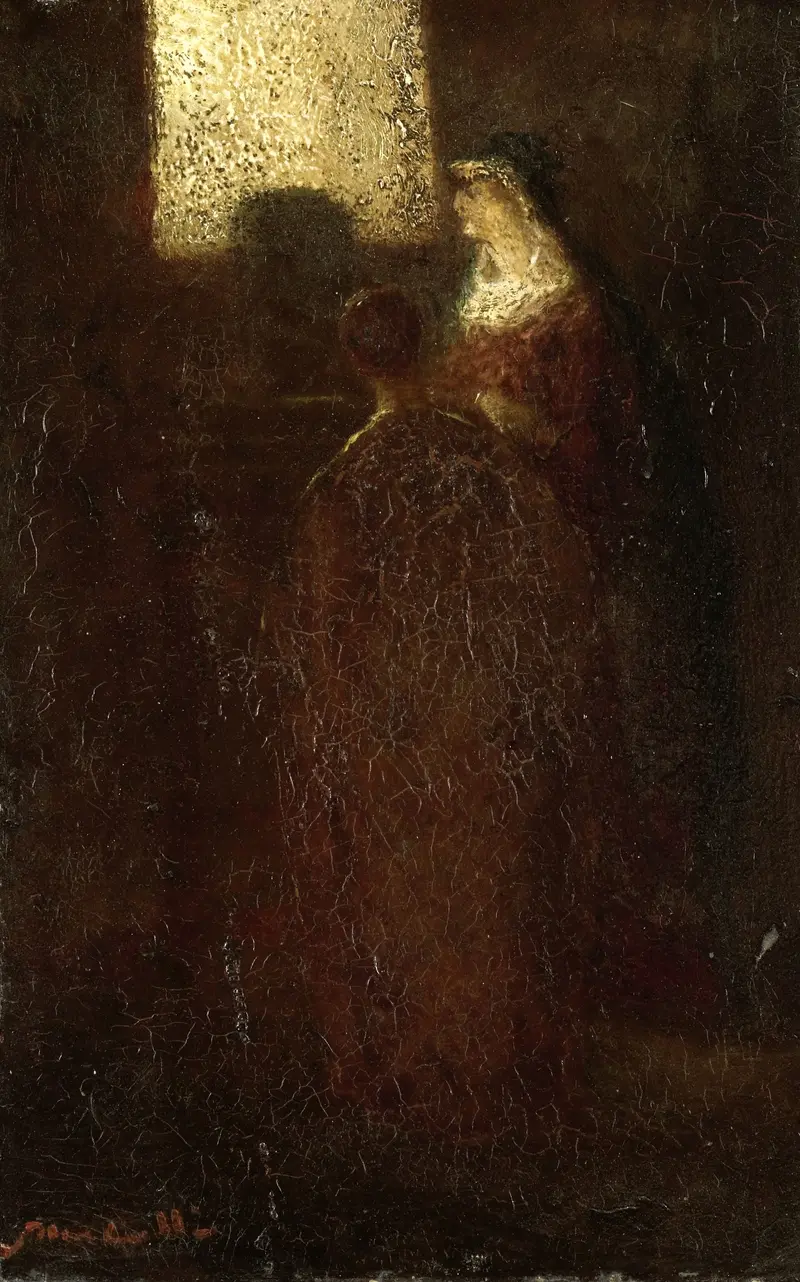
Aan het altaar
Adolphe Monticelli
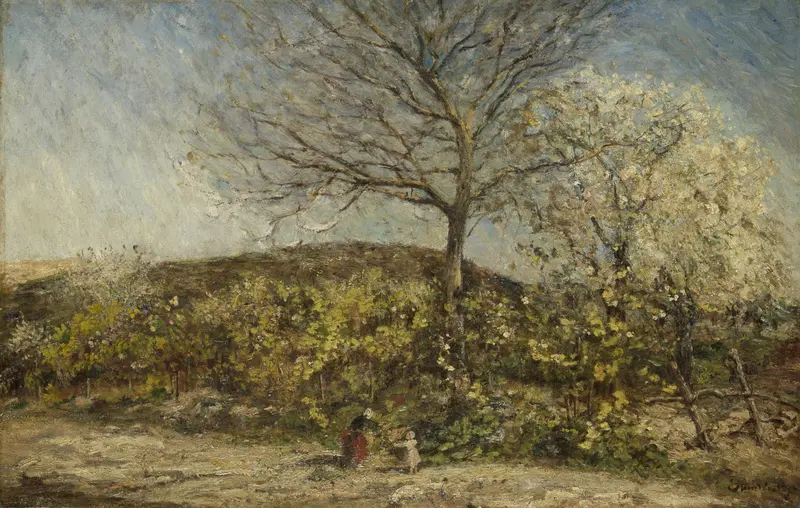
Landschap met bloeiende boomgaard
Adolphe Monticelli
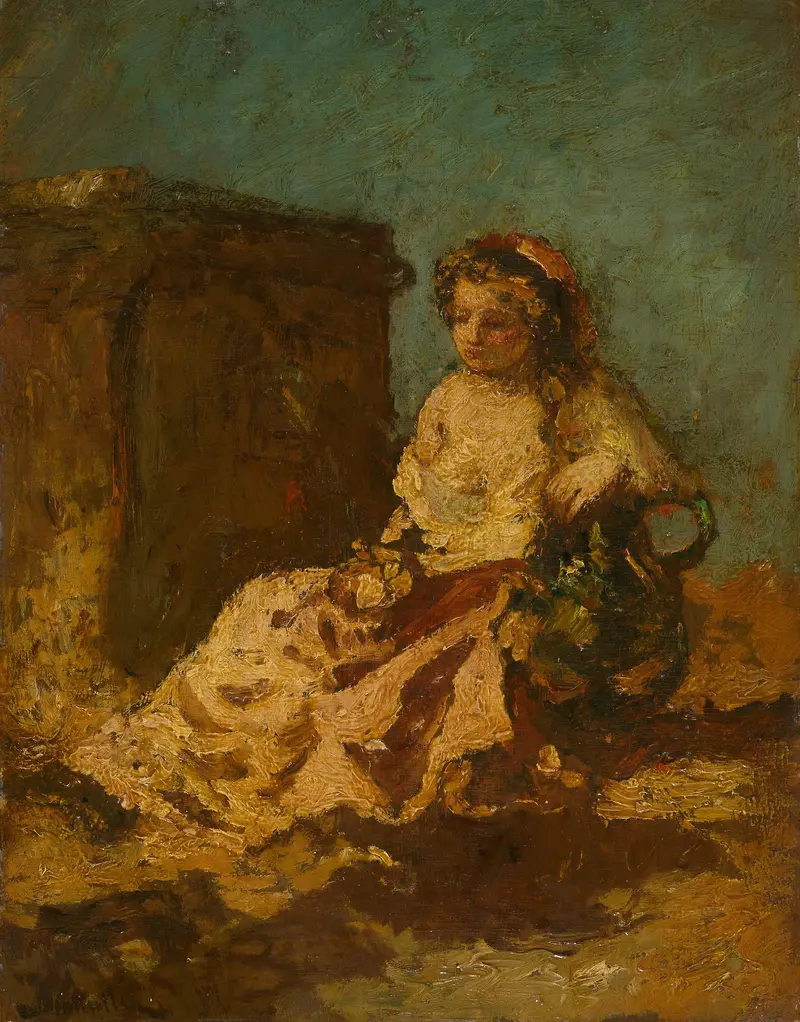
Meditation (Seated Woman)
Adolphe Monticelli
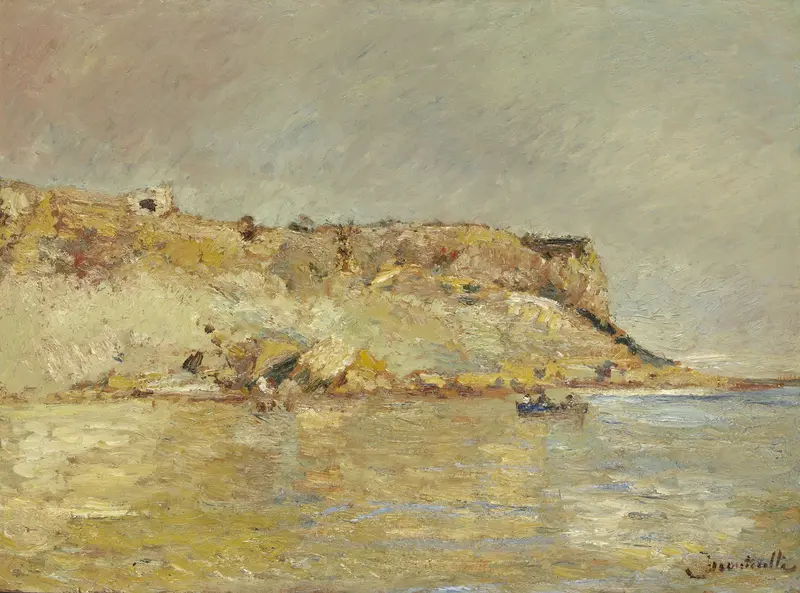
Coastal Mountains
Adolphe Monticelli
Landscape with Figures
Adolphe Monticelli