
In the Wheat — History & Facts
A single figure stands amid a golden sea, the wheat rising almost to his shoulders, his blue jacket and straw hat catching the eye against the endless field. The path in the foreground draws you in, guiding your gaze to the boy’s thoughtful pose—one hand at his shoulder, the other lost in the folds of his shirt. Behind him, the village lies quietly under a pale sky, its houses and trees rendered in loose, fleeting strokes.
The brushwork is quick, almost breathless, as if the artist captured the shimmer of summer heat and the hush of open country in a single sitting. The palette is all warmth and air, the wheat glowing against the cool, receding blue of the sky, inviting you to linger in this moment of stillness. Painted in 1875, In the wheat belongs to a world on the cusp of change: the rural landscapes of France were being transformed by industry, but here, the rhythms of the countryside still hold sway. Works like this, often made for private collectors or the growing middle class, celebrated the ordinary beauty of everyday life—an idea championed by the Impressionists, among whom Berthe Morisot claimed a vital place.
History has kept few traces of this specific painting’s journey, but its inclusion in The Yorck Project’s collection reminds us how such images were cherished, reproduced, and shared. Let your eyes wander the field, and imagine the hush before the harvest.
More Artworks by Berthe Morisot

The Harbor at Lorient
Berthe Morisot
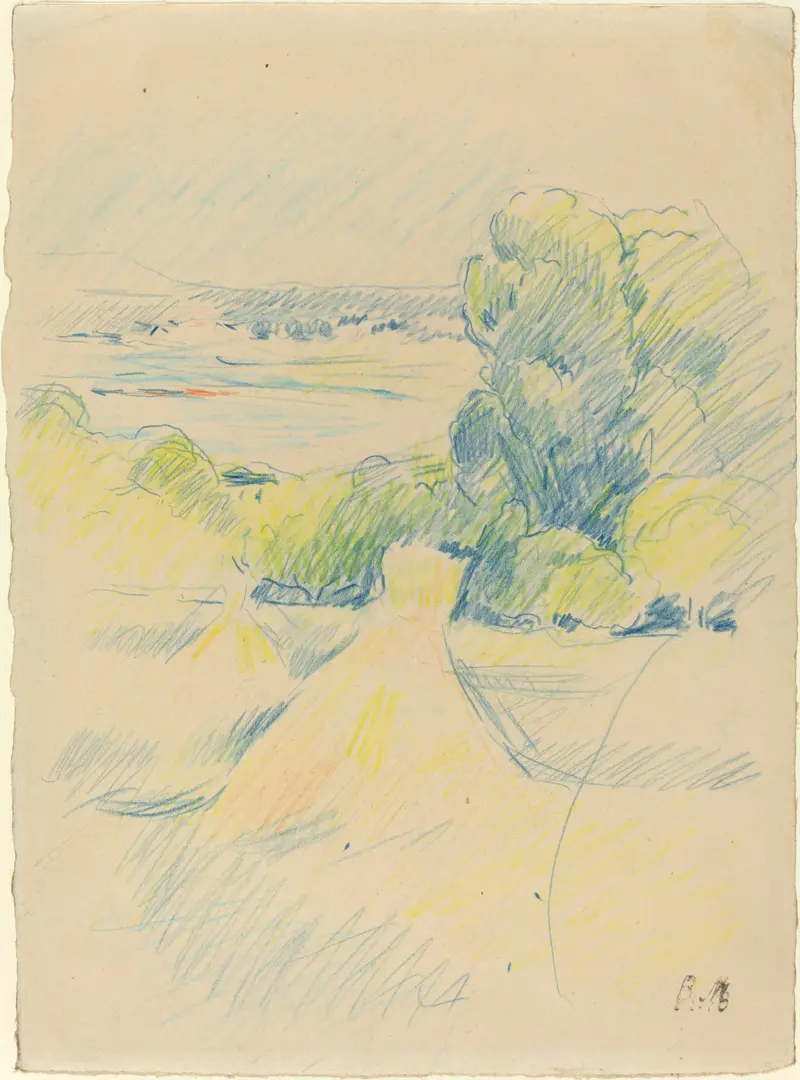
Landscape
Berthe Morisot

Hanging the Laundry out to Dry
Berthe Morisot

Woman in a Garden
Berthe Morisot

Young Girl with Hat
Berthe Morisot
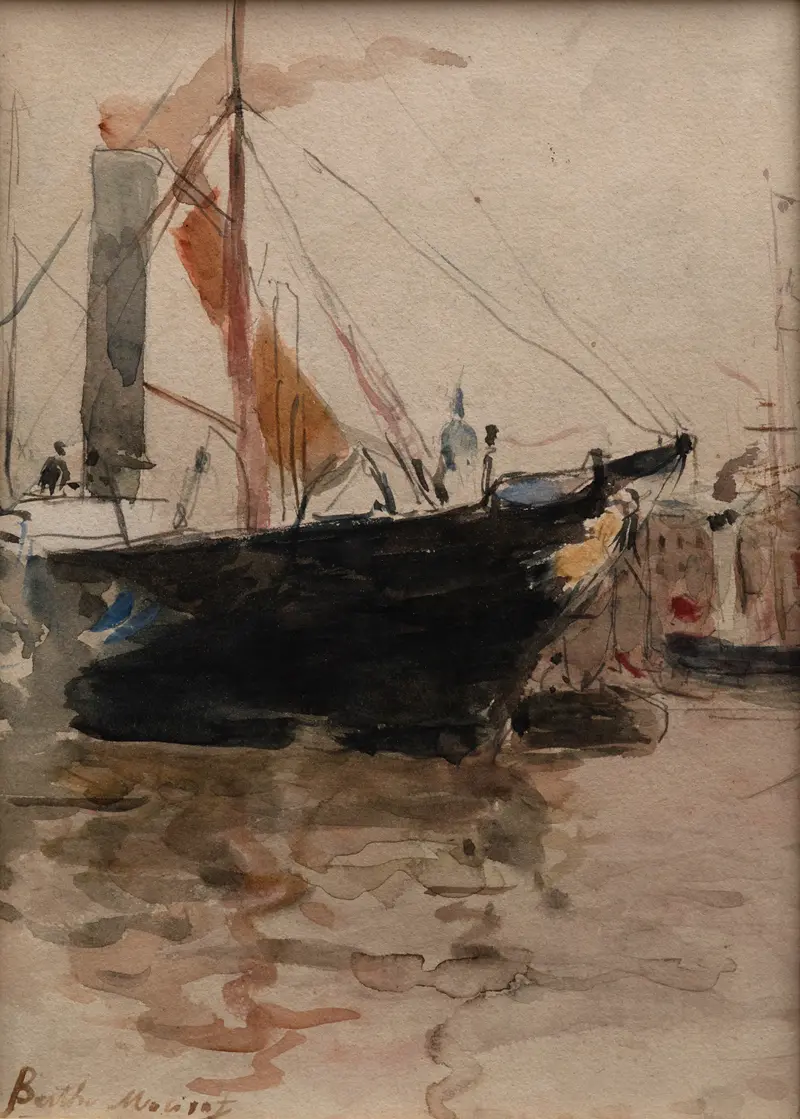
Harbor Scene, Isle of Wight
Berthe Morisot
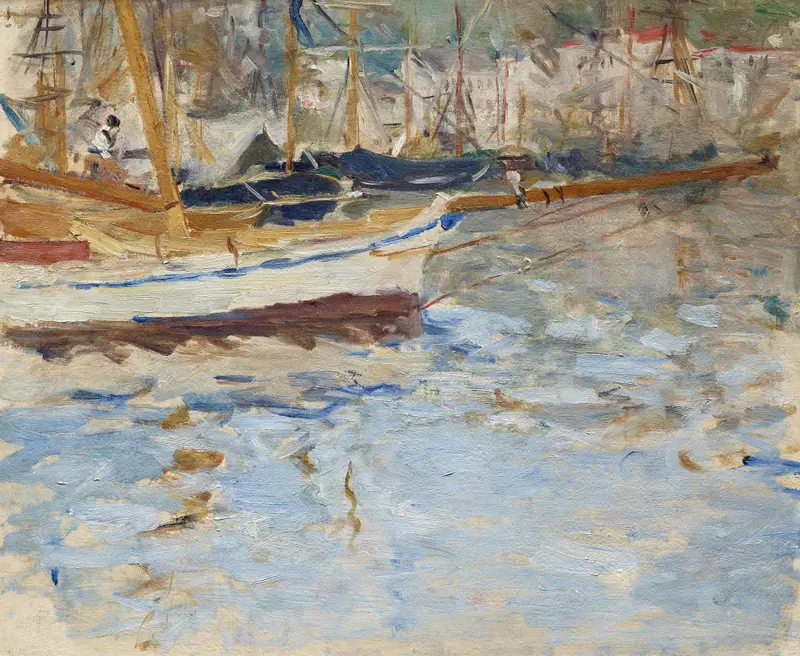
The Port of Nice
Berthe Morisot
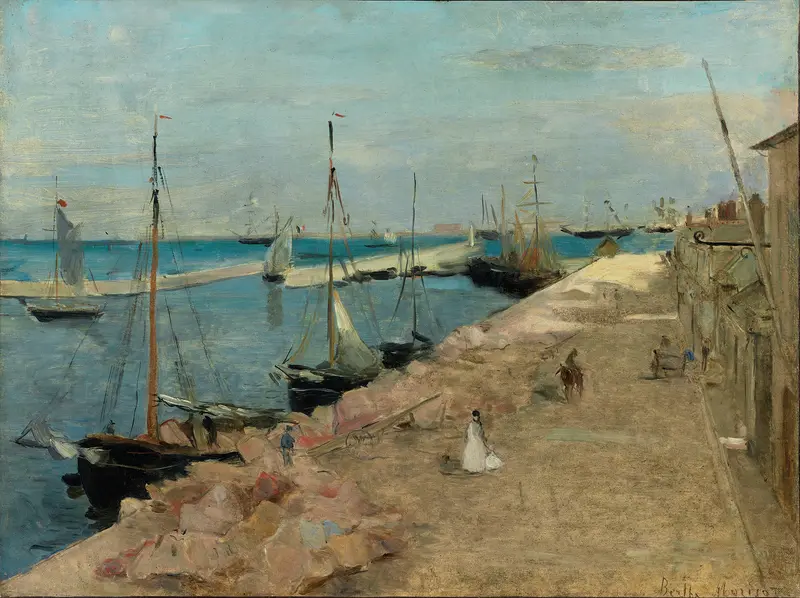
The Harbor at Cherbourg
Berthe Morisot

The Mother and Sister of the Artist
Berthe Morisot
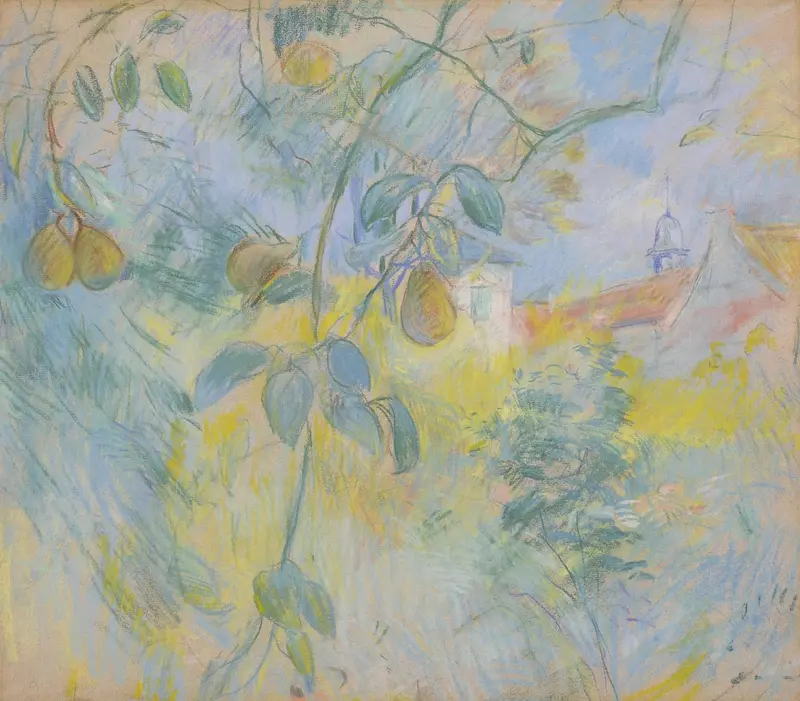
Les Poires
Berthe Morisot
More Landscape Art

The Starry Night
Vincent van Gogh

View of Delft
Johannes Vermeer

Water Lilies
Claude Monet

The Grand Canal, Venice, looking north-west from the Ca' Corner to the Ca' Contarini degli Scrigni, with the campanile of Santa Maria della Carità
Canaletto

Windsor Castle
Canaletto

The Grand Canal looking North-East from the Palazzo Dolfin-Manin to the Rialto Bridge
Canaletto