Interior of a Barn — History & Facts
The depth of loss lingers in still spaces, where warmth has faded, yet echoes remain palpable. Look to the left at the sunbeams filtering through the barn's open door, casting a gentle glow on the worn wooden floor. Notice how the rich browns and muted greens of the interior paint a tapestry of earthy comfort, contrasted by the stark emptiness of the scene. The delicate brushwork captures the texture of the weathered beams, inviting you to trace the years of toil and abandonment that have marked this once-vibrant space. In the quietude of the barn, small details reveal profound narratives: a forgotten tool rests in the corner, hinting at labor once invested; dust motes dance in the light, signifying the passage of time and the inevitability of change.
The interplay between shadow and light amplifies the sense of absence, evoking a nostalgia for moments lost amidst the clamor of life. Each corner of the canvas whispers of memories, layered upon each other like the barn’s own wooden planks. Created around 1837, this work emerged during a transformative period for the artist, who was exploring the nuances of light and color in natural settings. Hunt was deeply influenced by the emerging Romantic ideals of the time, which emphasized emotion and individual experience.
The English countryside served as his muse, a backdrop for his contemplation of beauty and loss, reflecting the broader currents of change in the art world as it began to embrace the subtleties of everyday life.
More Artworks by William Henry Hunt
Browse all →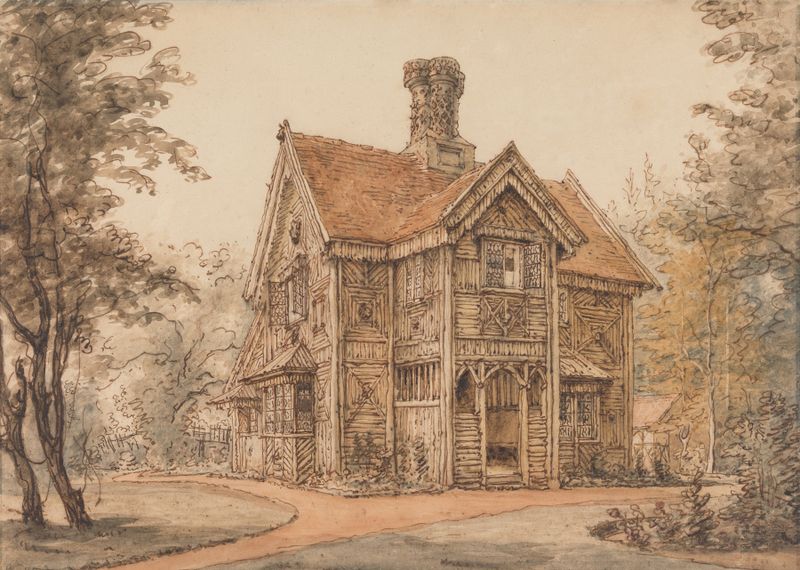
A Lodge at Cassiobury
William Henry Hunt
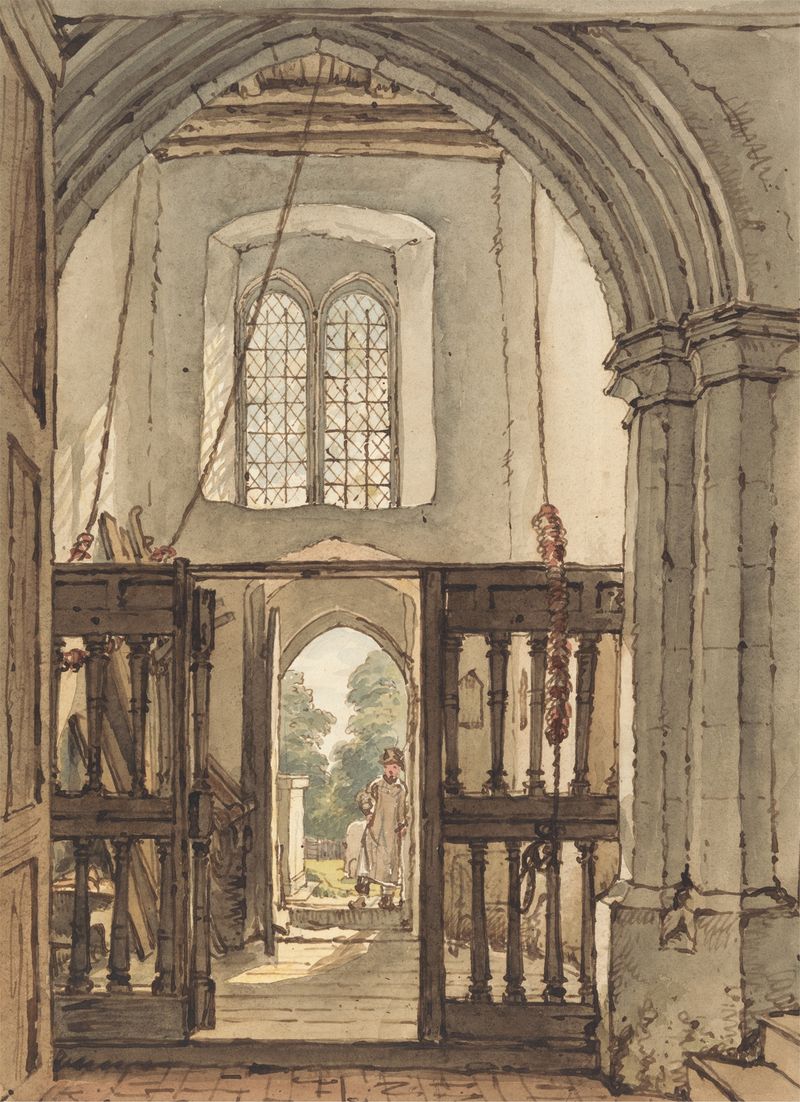
Interior of the Belfry, Bushey Church
William Henry Hunt
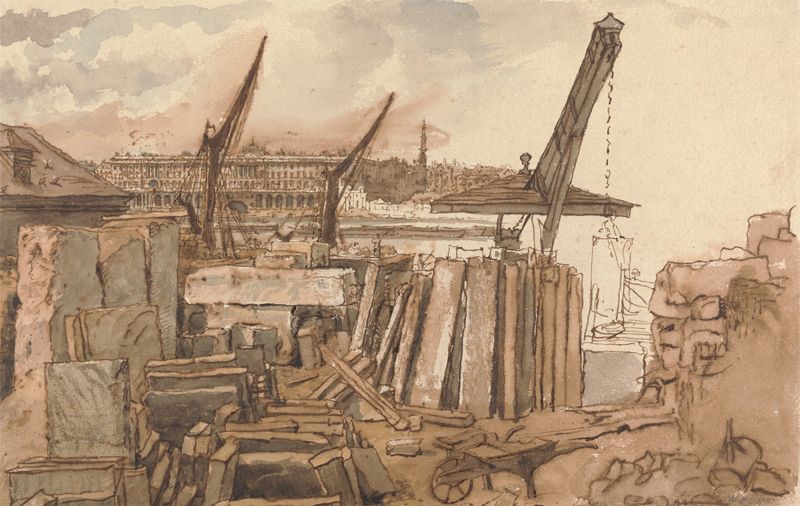
The Building of Waterloo Bridge
William Henry Hunt
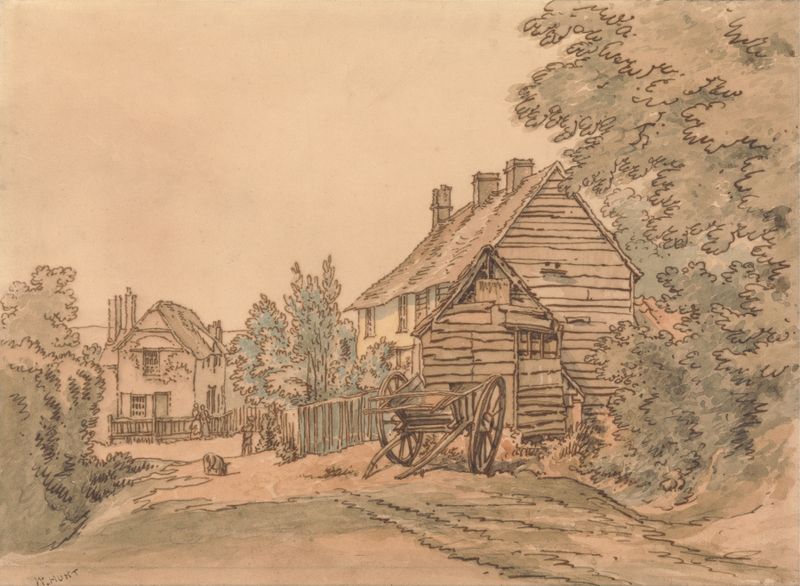
A Street in a Country Village
William Henry Hunt
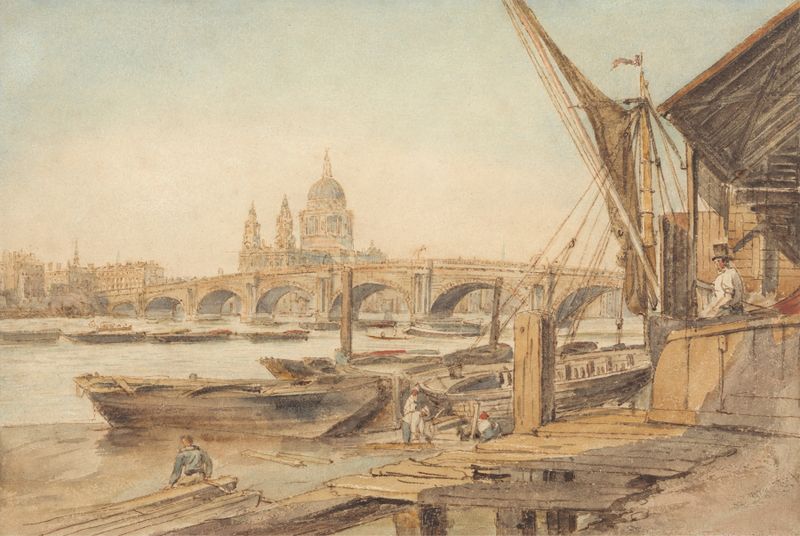
St. Paul’s Cathedral and Blackfriar’s Bridge
William Henry Hunt
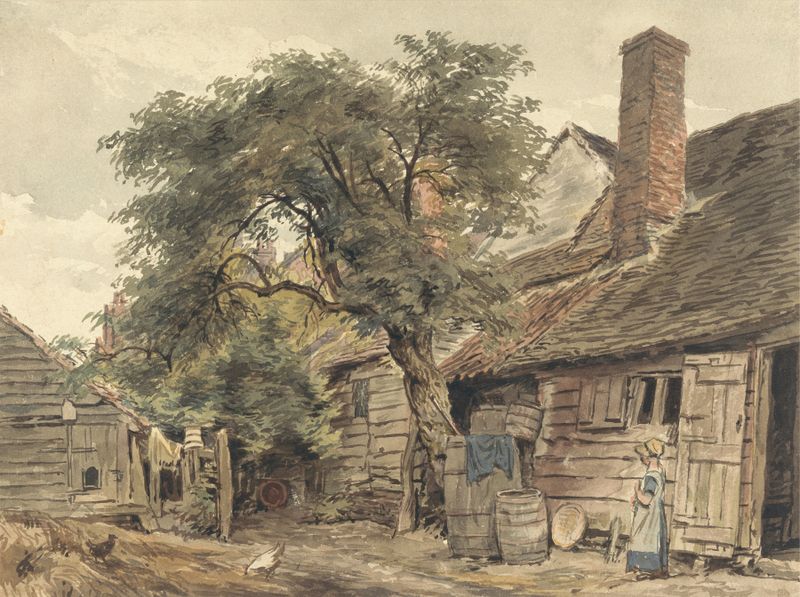
Backyard of a Cottage
William Henry Hunt
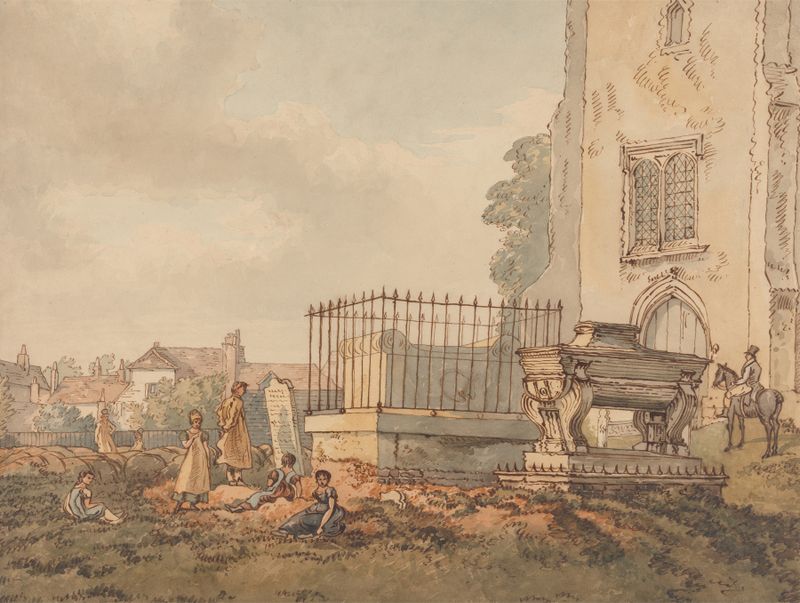
Bushey Churchyard with the Tombs of Edridge, Hearne and H. Monro
William Henry Hunt
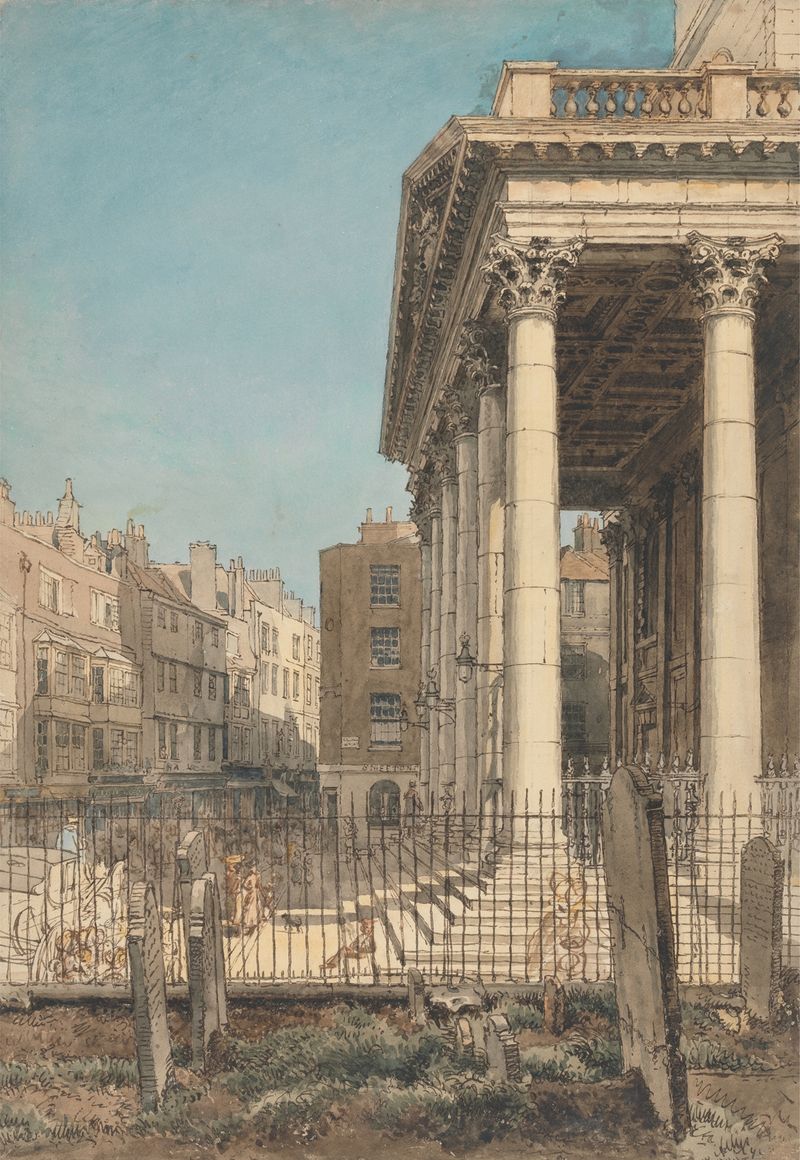
The Portico of St. Martin-in-the-Fields
William Henry Hunt
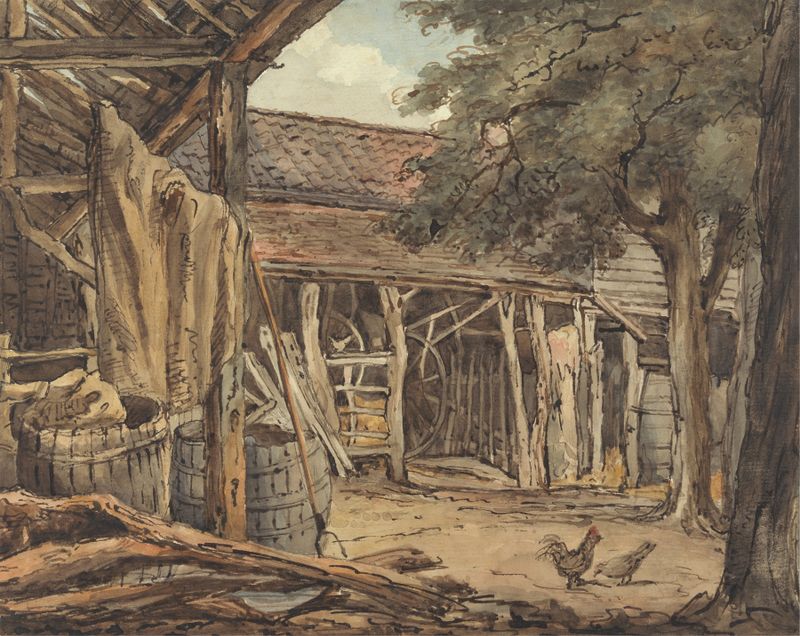
A Farmyard
William Henry Hunt
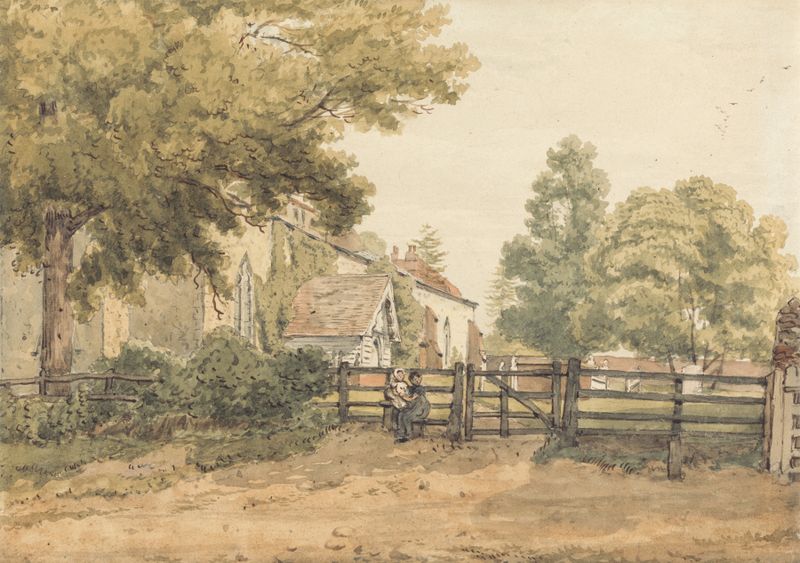
Aldenham Church
William Henry Hunt