
Interior of a forest — History & Facts
In the quiet of the forest, silence cradles both chaos and calm, inviting the viewer to find balance within the tumult of nature. Focus first on the gentle dance of light filtering through the dense canopy above, illuminating patches of vibrant green and earthy browns beneath. The interplay of brushstrokes creates a textured rhythm, leading your gaze to the layered undergrowth where shadows conceal secrets. Notice how Cézanne orchestrates color with deliberate choices, forming a harmonious palette that evokes the essence of a living, breathing woodland. Hidden within this serene scene are contrasts that speak to the tensions of life.
The juxtaposition of stillness and movement reflects the ever-changing dynamics of nature, while the thick brushstrokes convey both depth and fleeting moments. Here, the forest becomes a sanctuary and a wilderness, reminding us of the delicate balance between chaos and serenity that defines existence. During the late 1880s, while Cézanne was exploring the depths of Impressionism, the world of art was undergoing a seismic shift. Living in Aix-en-Provence, he was immersed in a period of personal introspection and experimentation, seeking to break free from traditional perspectives.
This was a time when he delved deeper into form and color, laying the groundwork for modern art as he sought to capture the essence of the world around him, wild and untouched.
More Artworks by Paul Cezanne
Browse all →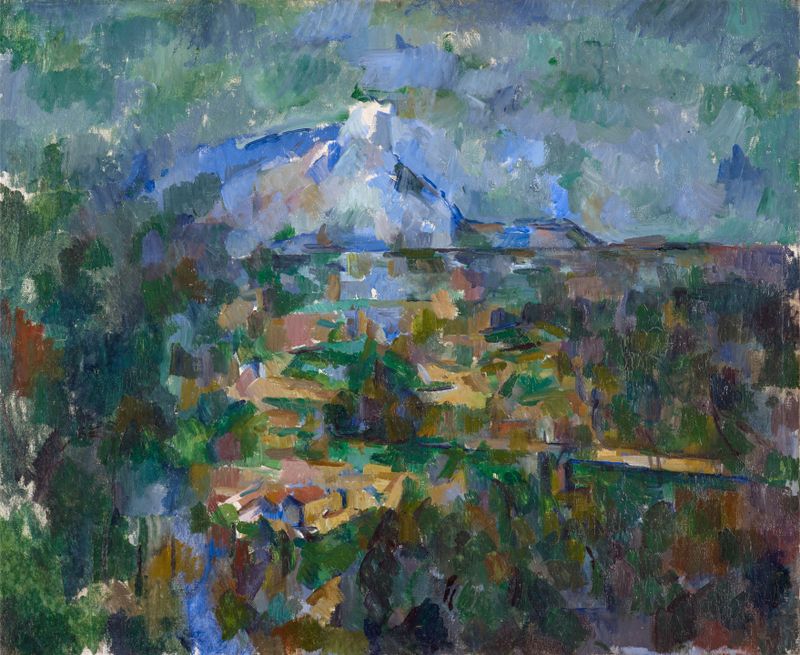
The Mont Sainte-Victoire Seen From Les Lauves
Paul Cezanne
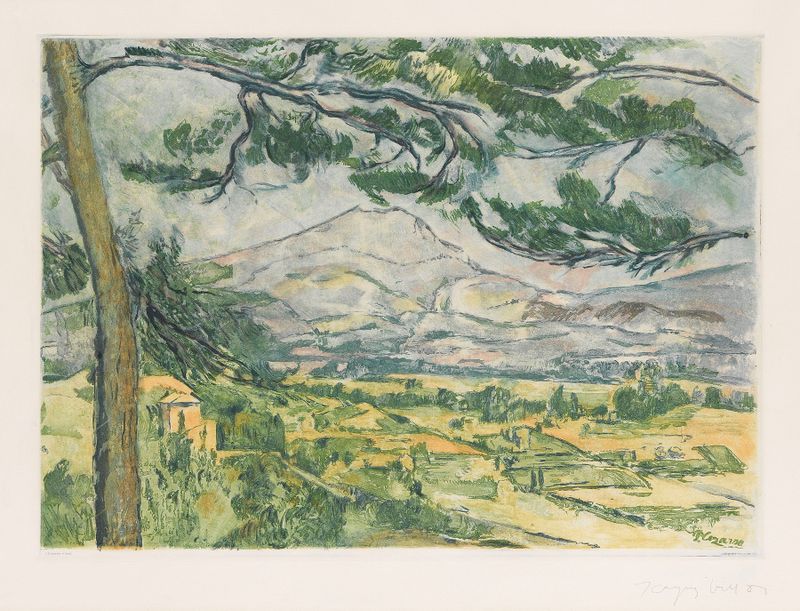
La Montagne Sainte-Victoire
Paul Cezanne
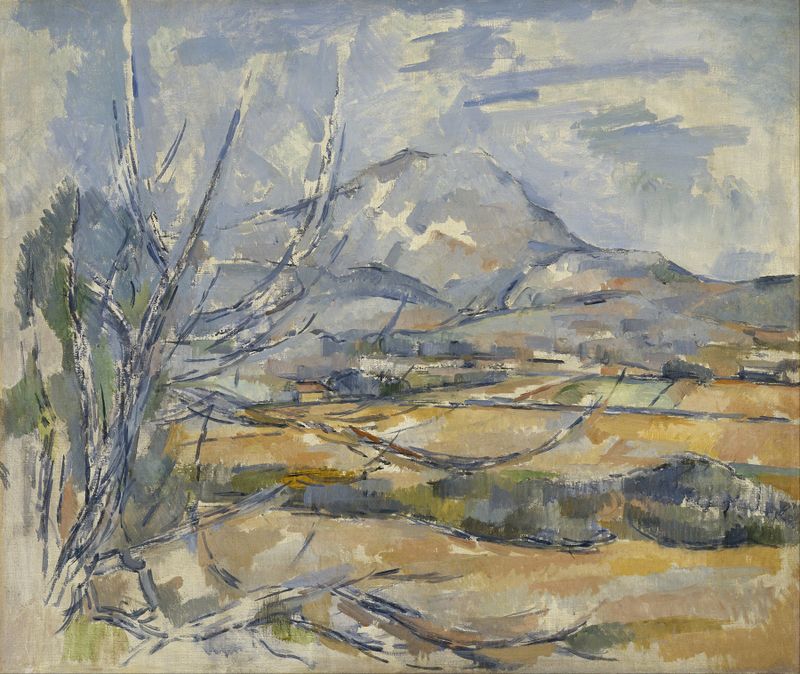
Montagne Sainte-Victoire
Paul Cezanne
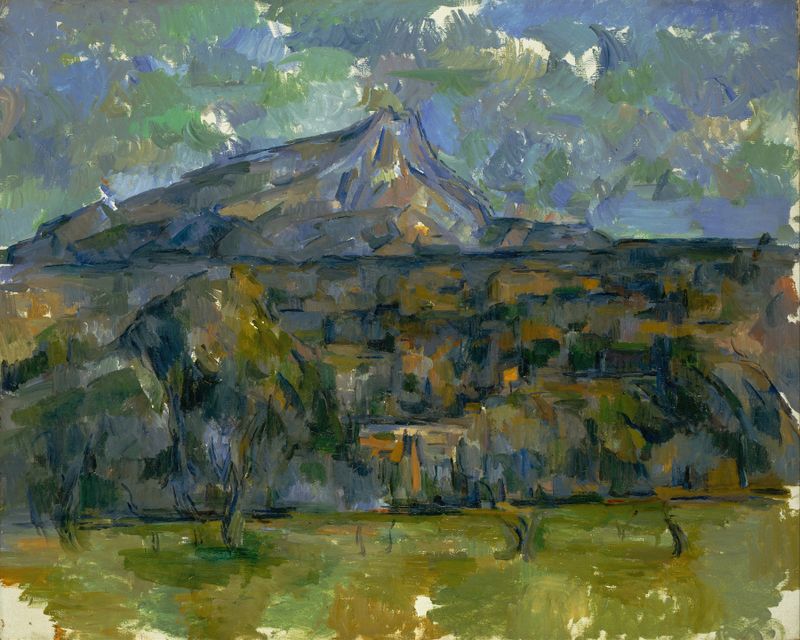
Mont Sainte-Victoire
Paul Cezanne
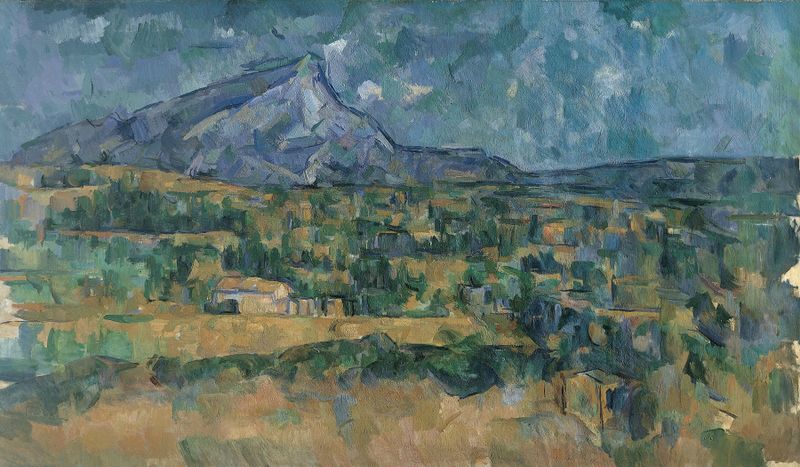
Mont Sainte-Victoire
Paul Cezanne
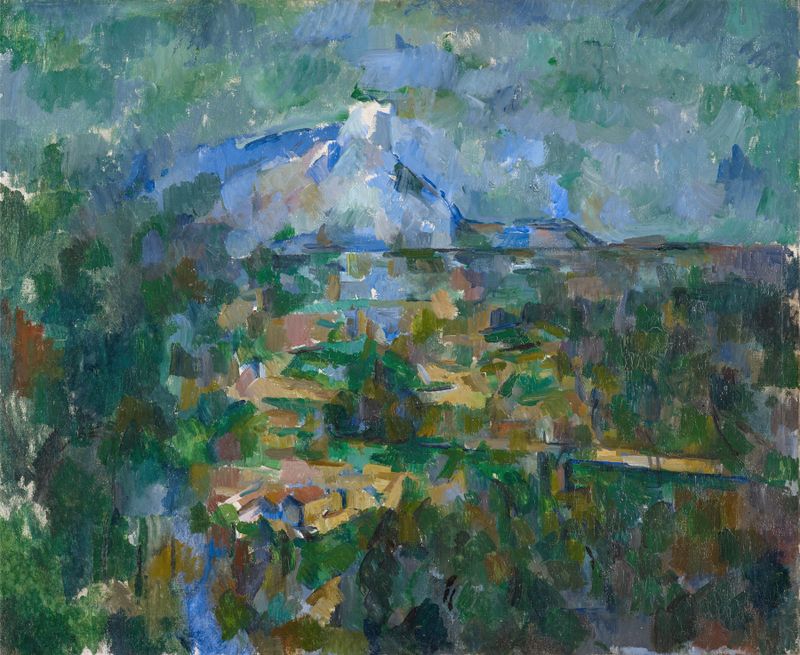
View of Mount Sainte-Victoire from Les Lauves
Paul Cezanne
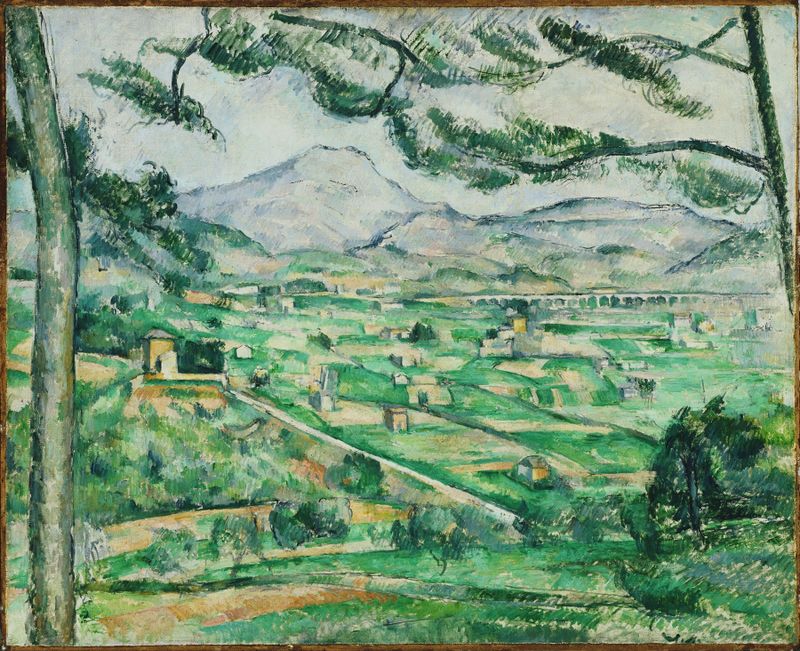
Mont Sainte-Victoire 2
Paul Cezanne

The Basket of Apples
Paul Cezanne

Mount Sainte-Victoire
Paul Cezanne
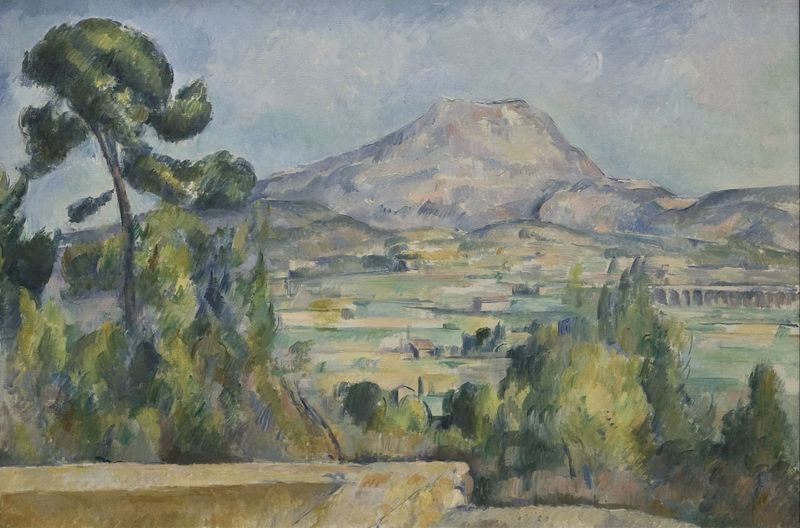
Montagne Saint-Victoire
Paul Cezanne





