
Intocht in Jerusalem — History & Facts
When did color learn to lie? The vibrant hues of Intocht in Jerusalem pulse with a double-edged promise, hinting at joy while concealing sorrow beneath their surface. Look to the center of the composition, where figures clad in rich robes make their solemn procession. Notice how the artist skillfully layers colors, with warm golds and deep reds contrasting against the cooler shadows of the crowd. The sweeping lines of the architecture draw the eye upward, creating a sense of grandeur while simultaneously trapping the viewer in the confined space of the bustling scene.
Each gesture, from the outstretched arms to the bowed heads, whispers stories of reverence and anticipation. Yet, beneath this vivid tableau lies a tension between celebration and yearning. The march towards Jerusalem is marked not only by joy but also by the weight of expectation and hope. The figures' expressions reveal a complex interplay of duty and desire, encapsulating the duality of faith.
Look closely at the details—the subtle glances exchanged among the crowd suggest a shared longing or perhaps a collective anxiety for what lies ahead. Jacques Callot painted Intocht in Jerusalem in 1635 while living in Nancy, France, during a time marked by political upheaval and social strife across Europe. This period was significant in the evolution of Baroque art, as artists began to explore emotional depth and complexity in their works. Callot’s intricate approach not only reflects contemporary themes of devotion and community but also his own struggles as an artist navigating a world in flux.
More Artworks by Jacques Callot
Browse all →
Titelprent voor de prentreeks 'De kleine apostelen' (Het martelaarschap van de apostelen)
Jacques Callot
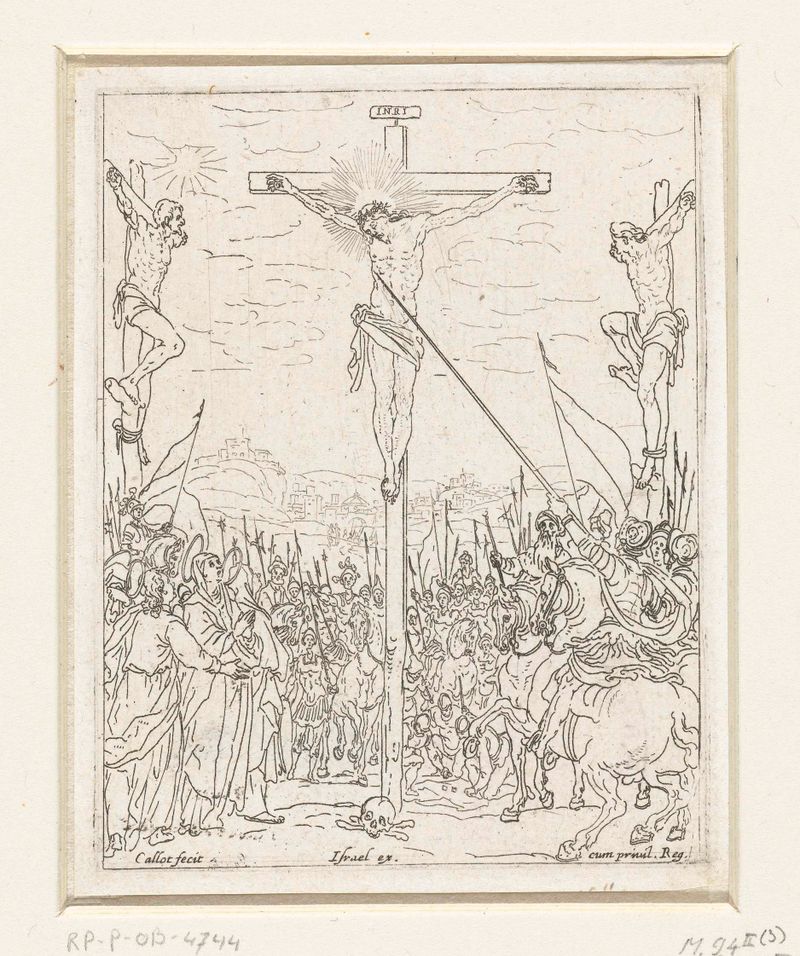
Kruisiging
Jacques Callot

De doortocht door de Rode Zee
Jacques Callot

De verloren zoon als zwijnenhoeder
Jacques Callot

Annunciatie
Jacques Callot
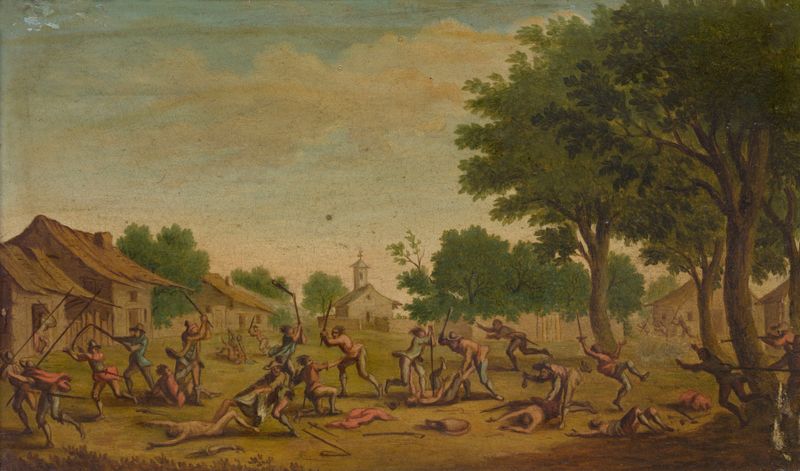
Village Fight
Jacques Callot

Titelprent voor prentreeks 'Het leven van Maria'
Jacques Callot
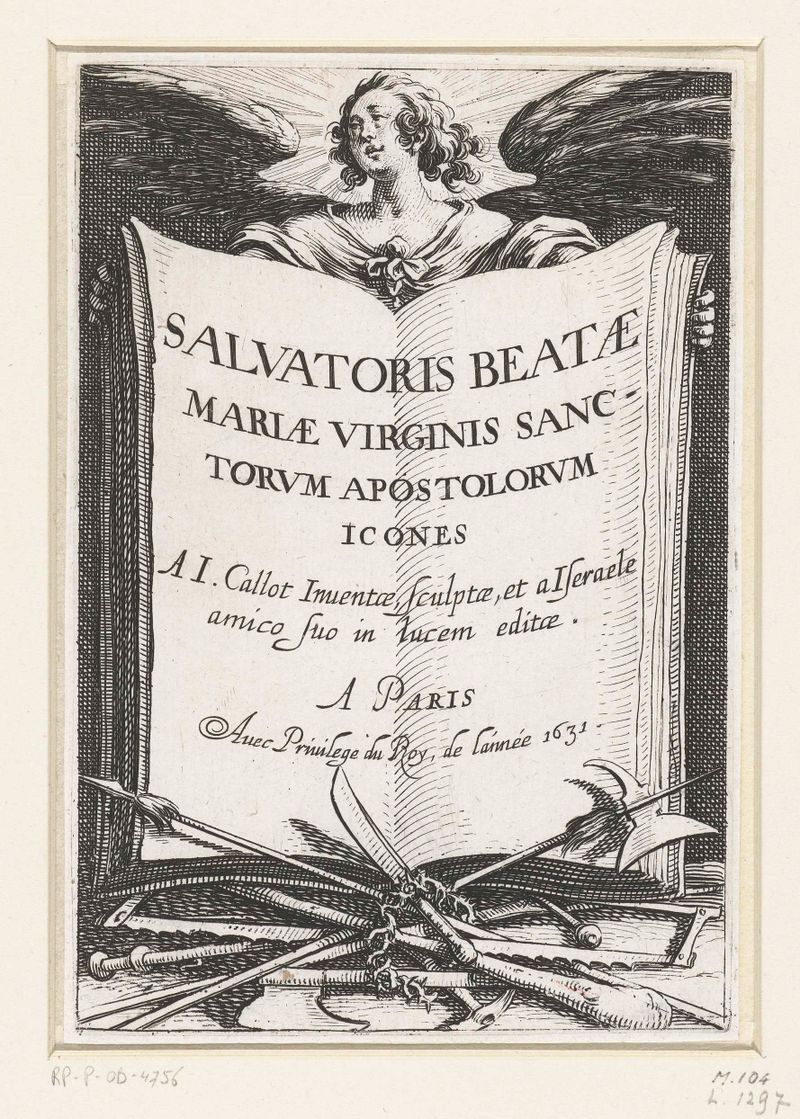
Titelprent voor de prentreeks 'De grote apostelen' (Christus, Maria en de apostelen)
Jacques Callot

Christus aan het volk getoond (Ecce homo)
Jacques Callot
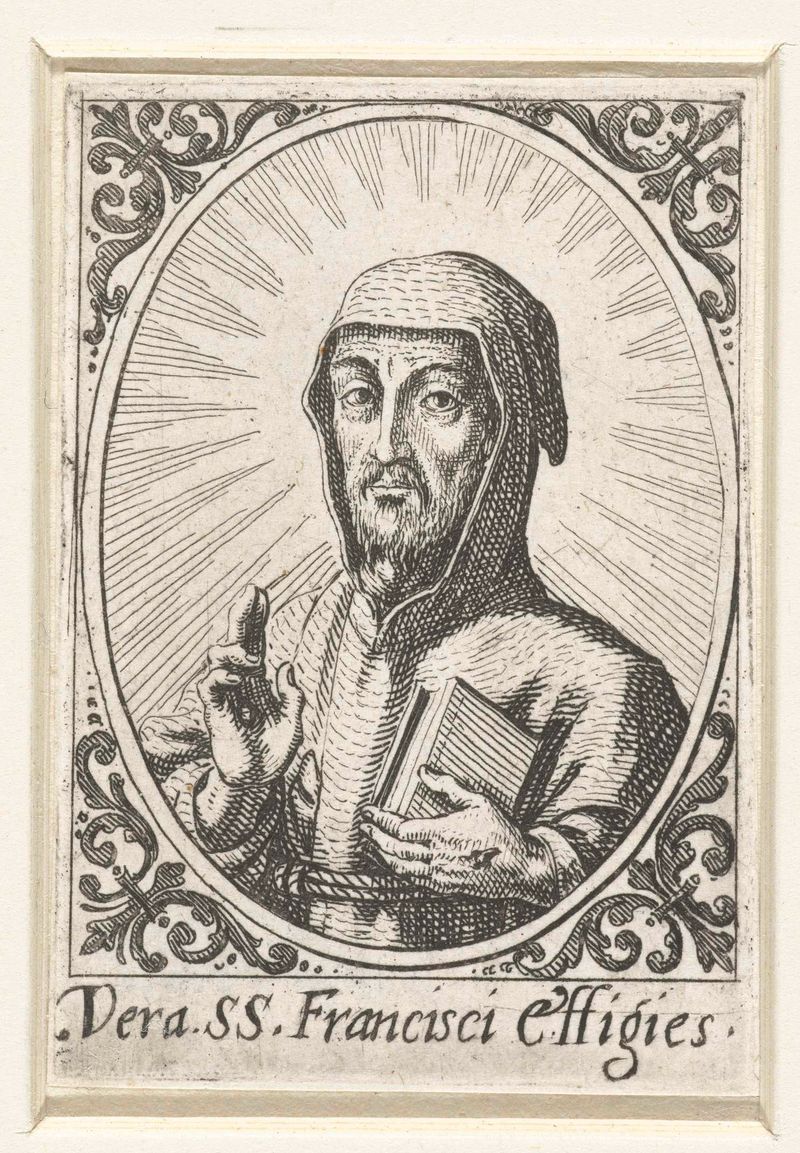
Portret van de Heilige Franciscus
Jacques Callot
More Historical Art
Browse all →
The Night Watch Militia Company of District II under the Command of Captain Frans Banninck Cocq
Rembrandt van Rijn

Lincoln Memorial
Henry Bacon

The Third of May 1808
Francisco de Goya

Isaac and Rebecca, Known as ‘The Jewish Bride’
Rembrandt van Rijn

The Charge of the Mamelukes (1814)
Francisco de Goya

De vier ruiters van de apocalyps
Albrecht Dürer