
Jaagpad — History & Facts
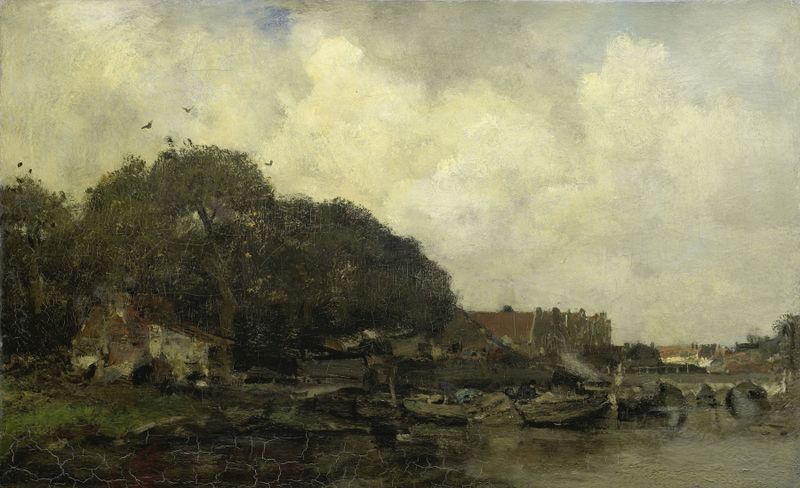
What secret hides in the quiet of the canvas? As the world rushes by, moments of stillness often cradle the greatest hopes, whispering softly of possibilities yet to come. Look to the left at the gentle, meandering pathway that invites you into the scene. The soft brushwork creates a sense of movement, mirroring the fleeting passages of time. Notice how the muted greens and browns of the landscape blend seamlessly, a tapestry of nature that evokes an ethereal calm.
The delicate interplay of light and shadow accentuates the contours of the trees, guiding the viewer’s gaze deeper into the painting, where the warmth of the horizon hints at the promise of a new day. Yet beneath this serene surface lies a tension between tranquility and uncertainty. The path, seemingly endless, suggests both a journey and an unknown destination, igniting questions of where it leads. The distant figures, small and indistinct, evoke a sense of solitude, reminding us that even in nature’s embrace, we can feel isolated.
This duality of hope and introspection lingers in the air, inviting contemplation on personal journeys and the choices that shape our lives. In 1894, Jacob Maris painted Jaagpad during a period of transition in his artistic career, reflecting the growing influence of Impressionism in the Netherlands. At that time, he was exploring the interplay between light and landscape, capturing the fleeting beauty of the world around him. This work emerged as he sought to convey emotion through color and composition, a testament to the evolving art movements of his time and his personal quest for artistic expression.
More Artworks by Jacob Maris
Browse all →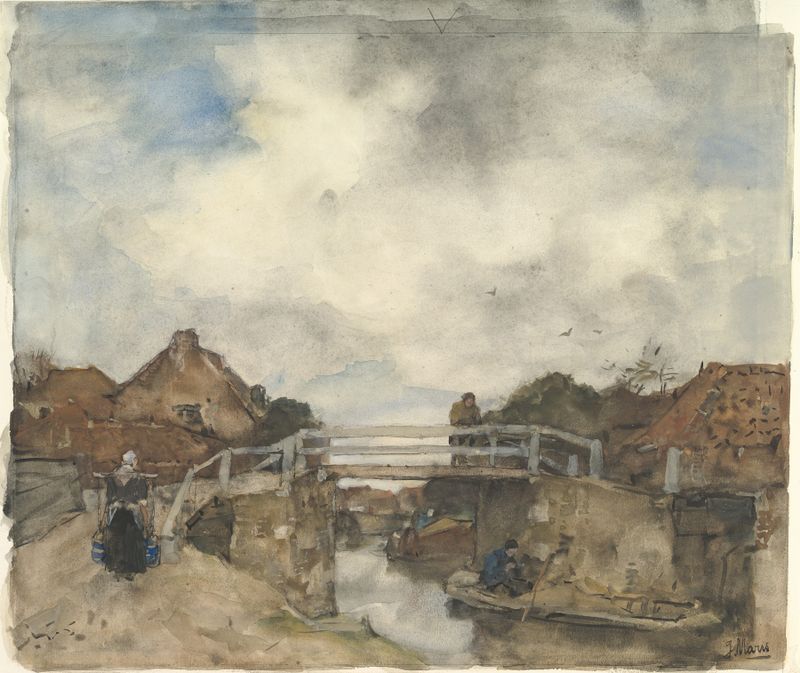
Dutch Canal, Rijswijk
Jacob Maris
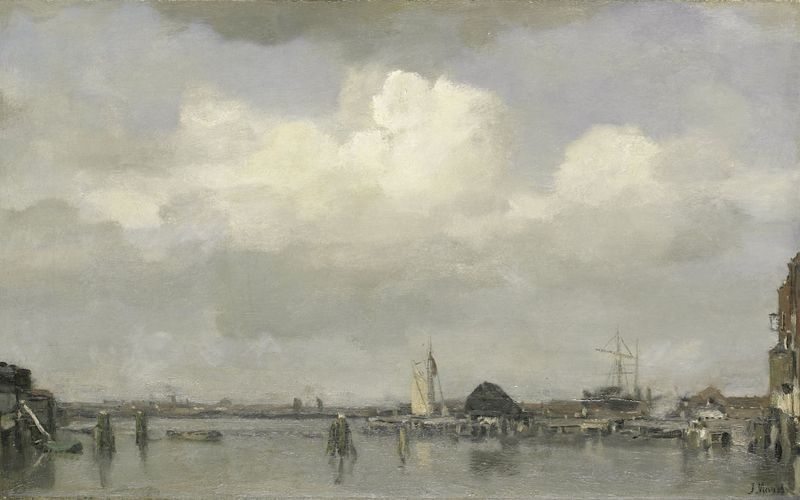
Havengezicht
Jacob Maris
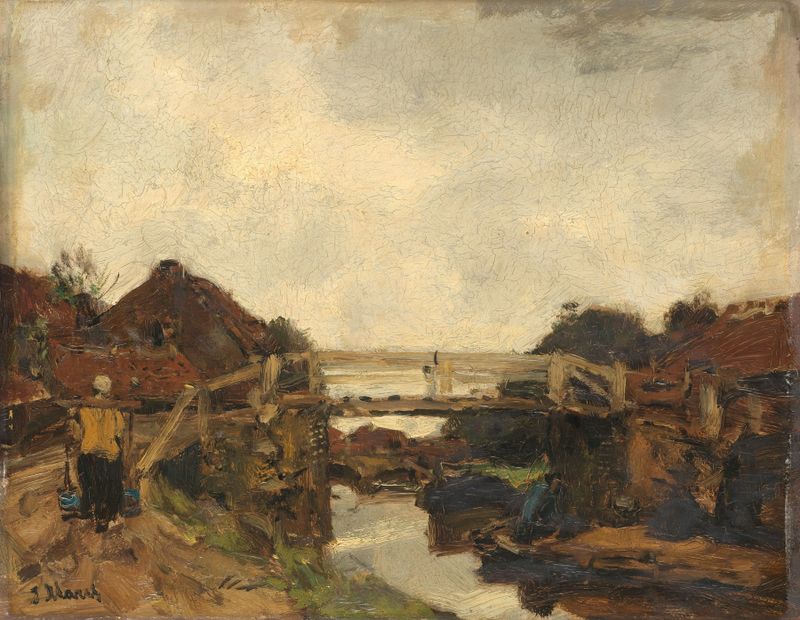
Wooden Bridge across a Canal at Rijswijk
Jacob Maris
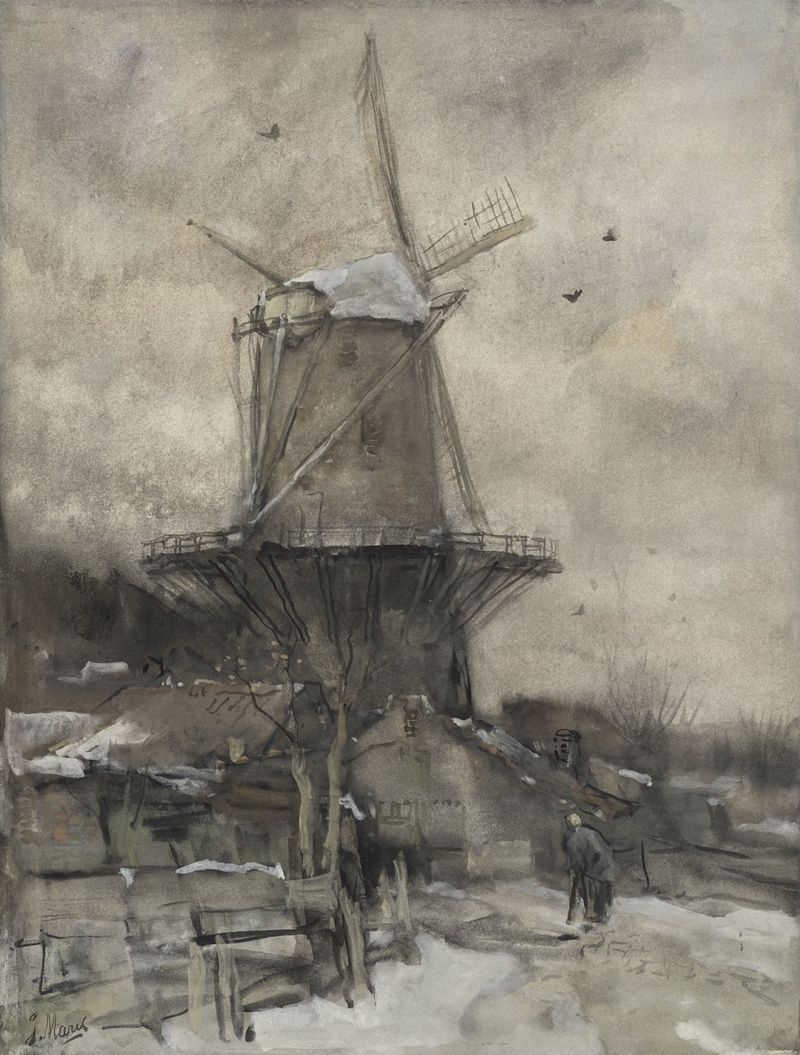
Een molen in de winter
Jacob Maris
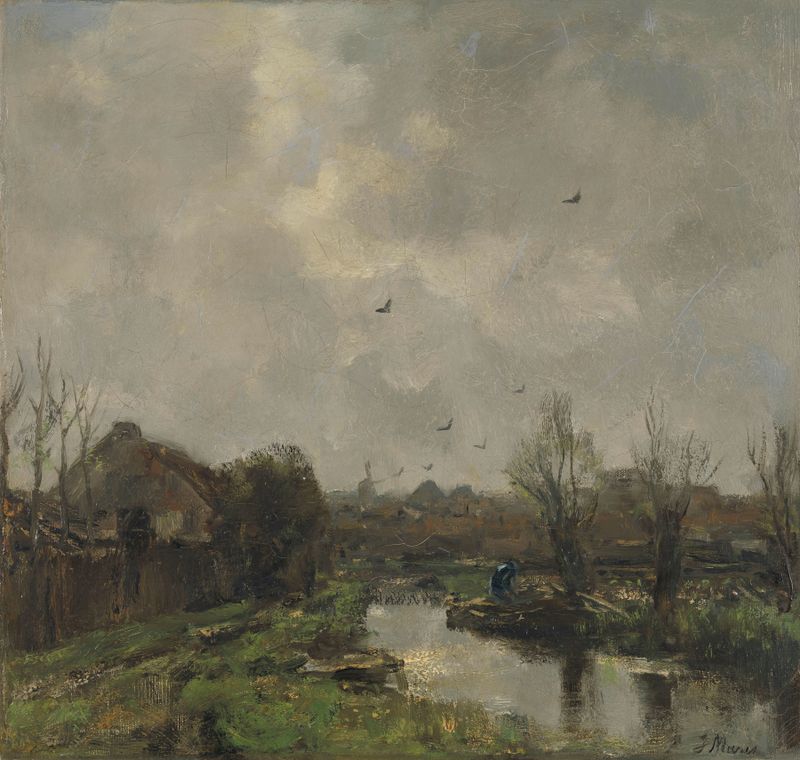
Landschap in de omgeving van Den Haag
Jacob Maris
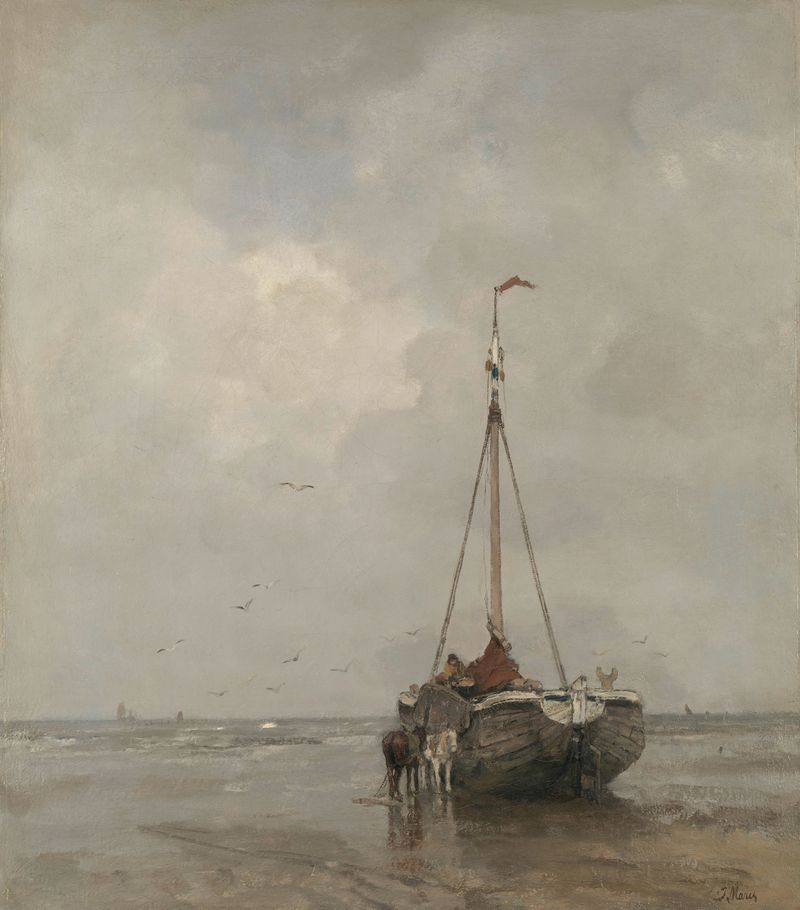
Bluff-bowed Fishing Boat on the Beach at Scheveningen
Jacob Maris
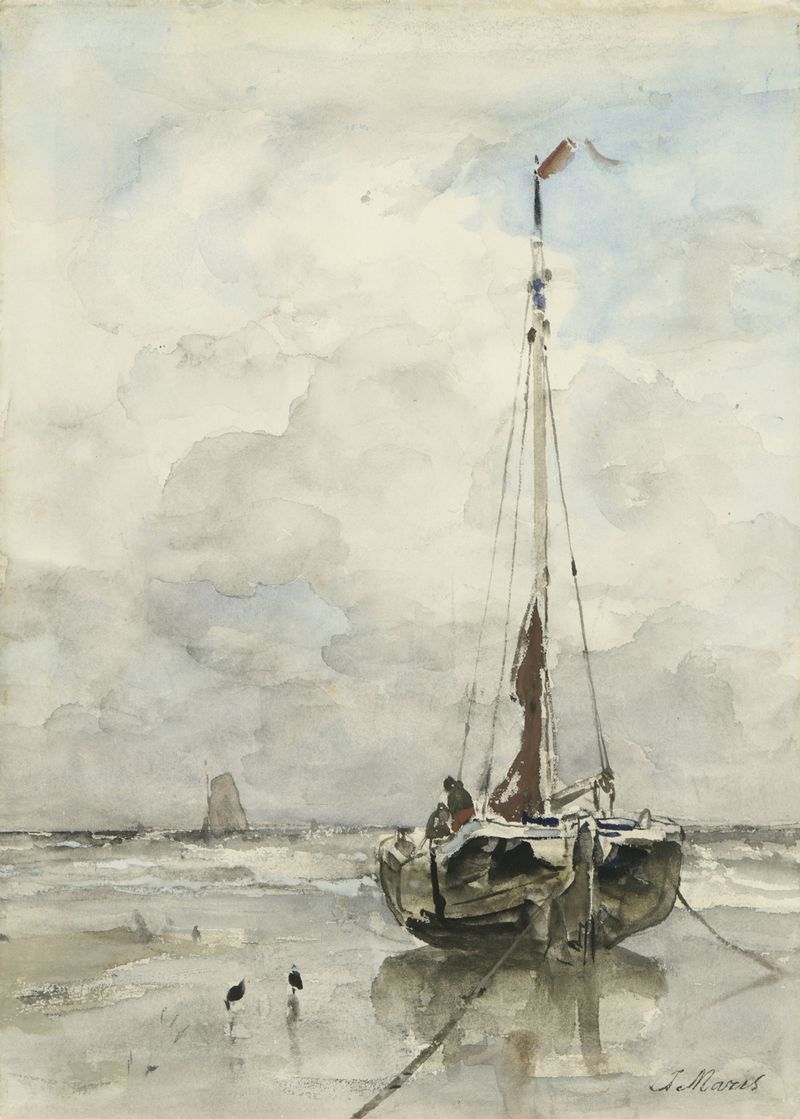
Visserspink aan het strand
Jacob Maris
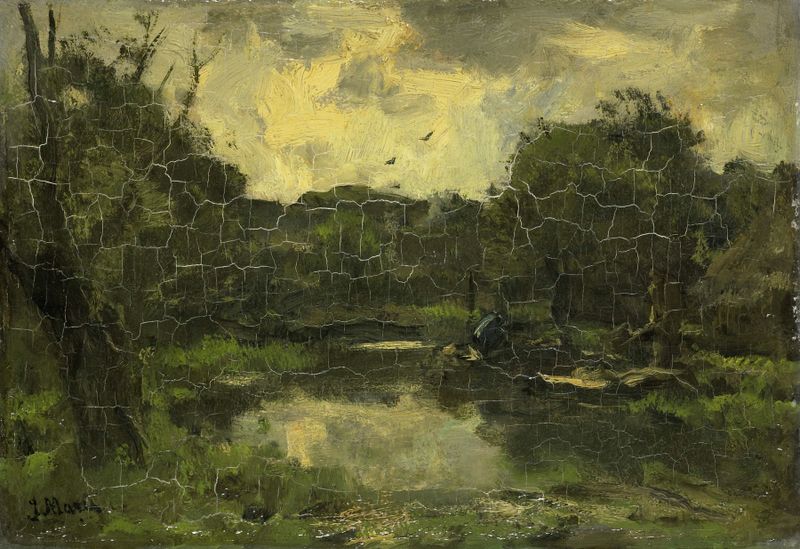
Landschap met schuit
Jacob Maris
Havengezicht
Jacob Maris
Schepen in de haven van Dordrecht
Jacob Maris





